
Respiratory Therapy Blog
Shortness of Breath: Causes, Symptoms, and Treatment
Learn about shortness of breath (dyspnea), including common causes, symptoms, assessment, diagnosis, and treatment options.
Neuromuscular Diseases and Respiratory Muscle Weakness
Learn how neuromuscular diseases affect breathing, pulmonary function, cough strength, ventilation, and respiratory management.
Aztreonam (Cayston): Uses, Dosage, and Side Effects
Learn about aztreonam (Cayston), including uses, dosage, mechanism, nebulizer delivery, side effects, and respiratory care.
Traumatic Brain Injury (TBI): Assessment and Management
Learn about traumatic brain injury (TBI), including causes, symptoms, ICP, cerebral perfusion, ventilation, treatment, and complications.
Syndrome of Inappropriate Antidiuretic Hormone Secretion (SIADH)
Learn about SIADH, including causes, symptoms, hyponatremia, diagnosis, treatment, and the risks of rapid sodium correction.
Opioid Analgesics: Uses, Effects, Risks, and Reversal
Learn how opioid analgesics work, their uses, side effects, respiratory risks, overdose signs, and the role of naloxone.
Crepitus: Causes, Assessment, and Clinical Significance
Learn what crepitus is, what causes it, and how it relates to subcutaneous emphysema, pneumothorax, trauma, and barotrauma.
Oxygen Cylinder: Uses, Safety, Sizes, and Duration
Learn about oxygen cylinder sizes, uses, safety, storage, regulators, flowmeters, and duration calculations for respiratory care.
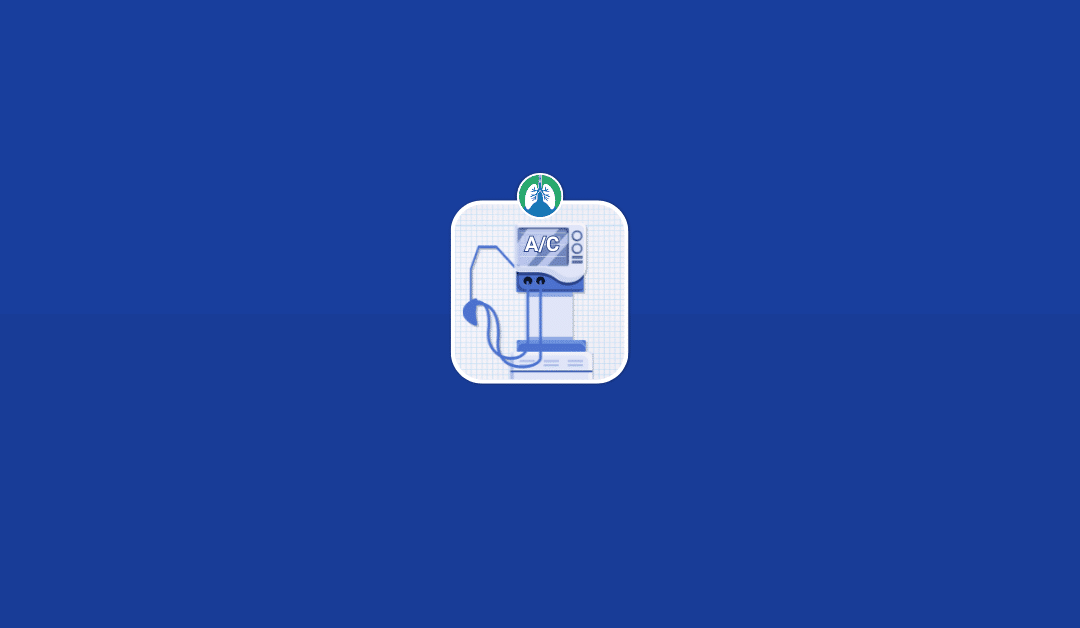
Assist/Control (A/C) Mode of Mechanical Ventilation
Learn how the assist/control (A/C) mode works, including settings, volume vs pressure control, monitoring, and common complications.
Synchronized Intermittent Mandatory Ventilation (SIMV)
Learn how SIMV works, including settings, spontaneous breathing, pressure support, advantages, disadvantages, and weaning considerations.
Lorazepam: Uses, Mechanism, Dosage, Side Effects, and Safety
Learn about lorazepam, including its uses, mechanism of action, dosage, side effects, respiratory risks, and safety considerations.
Diazepam: Uses, Mechanism, Dosage, Side Effects, and Safety
Learn about diazepam, including its uses, mechanism of action, dosage, side effects, respiratory risks, and important safety considerations.
Midazolam: Uses, Mechanism, Dosage, Side Effects, and Safety
Learn about midazolam, including its uses, mechanism of action, dosage, side effects, respiratory risks, and safety considerations.
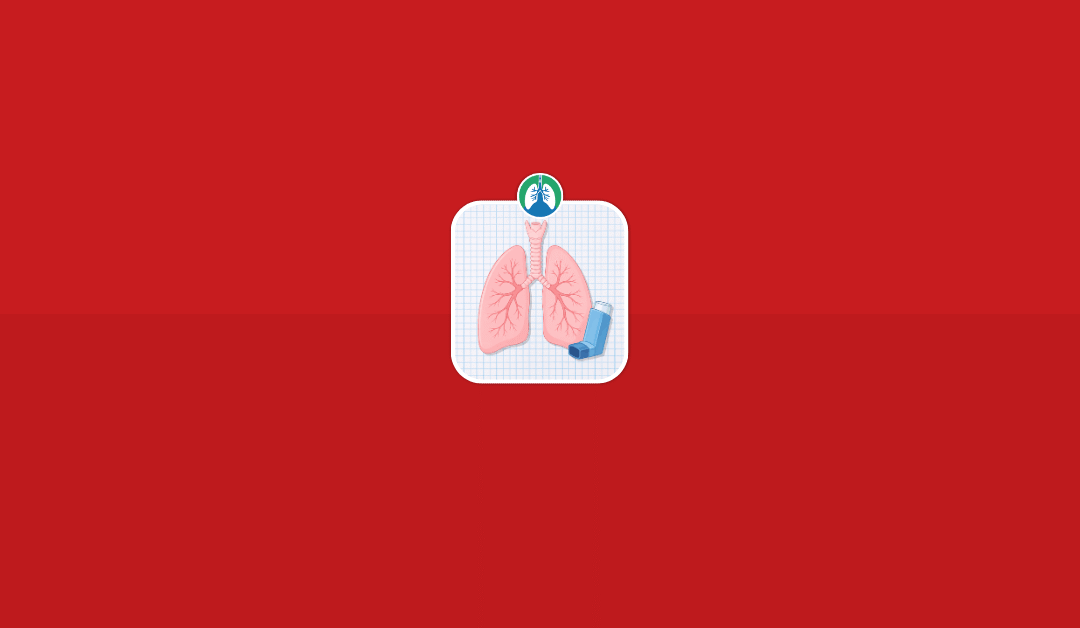
Respiratory Care Pharmacology: Drug Classes and Clinical Uses
Learn about respiratory care pharmacology, including key drug classes, uses, mechanisms, adverse effects, and clinical applications.

Airway Pharmacology: Overview and Practice Questions (2026)
Explore airway pharmacology and learn how drugs interact with the respiratory system to treat or manage airway-related diseases.
Pilot Balloon Function and Endotracheal Tube Cuff Management
Learn how the pilot balloon controls cuff pressure, helps detect leaks, and supports safe endotracheal tube and airway management.
Upper Airway Obstruction: Causes, Diagnosis, and Treatment
Learn the causes, signs, diagnosis, and treatment of upper airway obstruction, including croup, epiglottitis, and stridor.
Dysphagia: Causes, Symptoms, Diagnosis, and Treatment
Learn about dysphagia, including its causes, symptoms, complications, diagnosis, treatment, aspiration risk, and swallowing disorders.
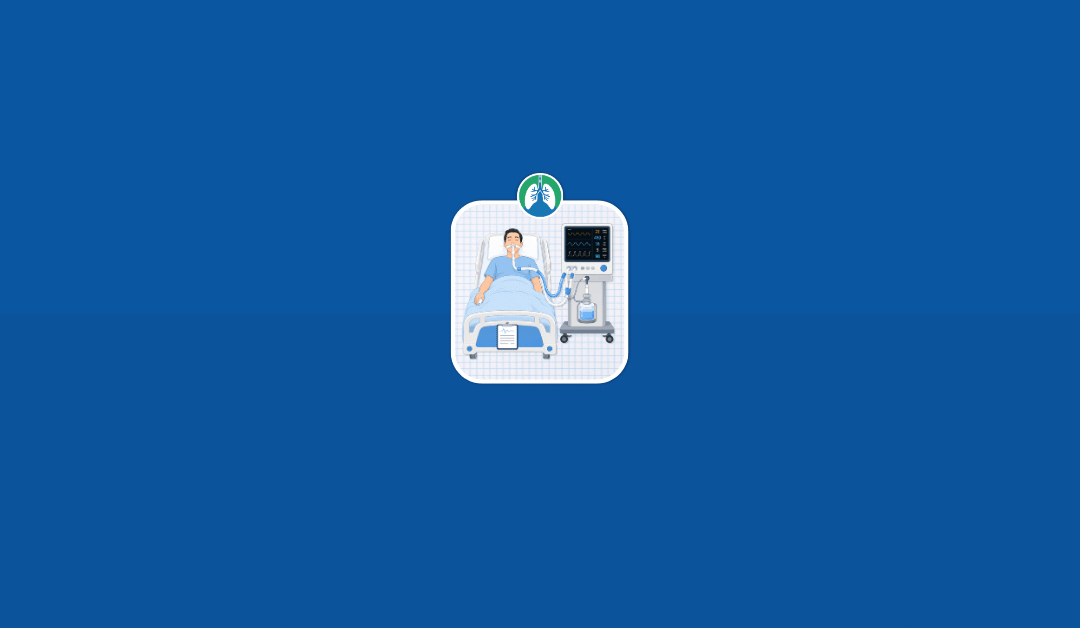
Ventilator Check: A Guide to Patient-Ventilator Assessment
Learn how to perform a ventilator check, assess settings, pressures, alarms, waveforms, airway status, and patient response.
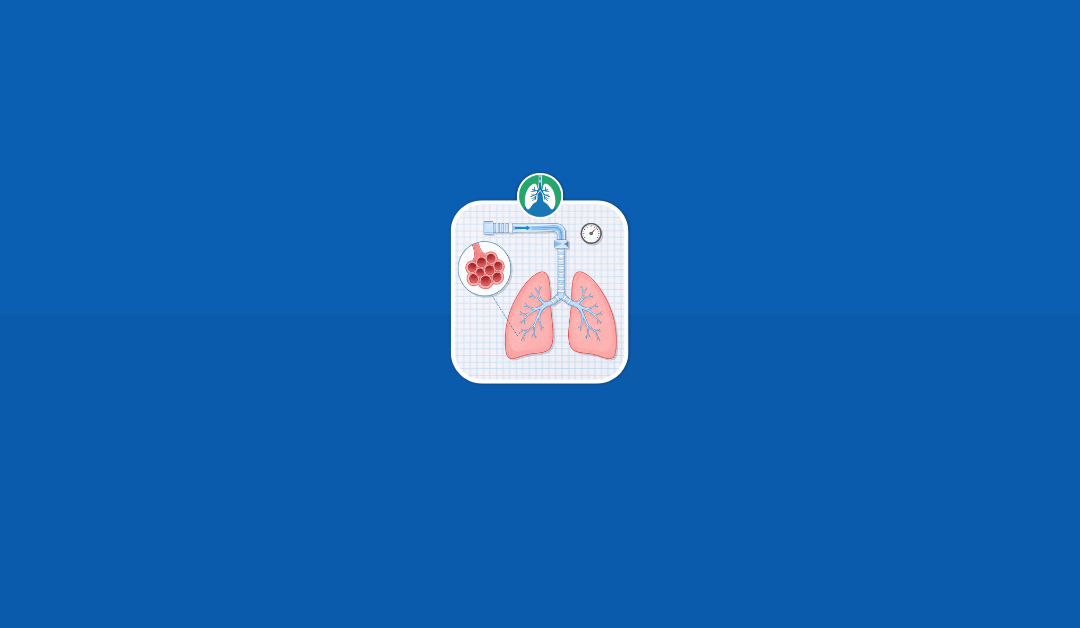
Positive End-Expiratory Pressure (PEEP): A Complete Guide
Learn what PEEP is, how it improves oxygenation, when it is used, and how to manage auto-PEEP, complications, and ventilator settings.