
Learn how lung recruitment maneuvers work, when they are used, how PEEP is adjusted, and the risks and benefits involved.
John Landry, BS, RRT
John Landry is a registered respiratory therapist from Memphis, TN, and has a bachelor’s degree in kinesiology. He enjoys using evidence-based research to help others breathe easier, live healthier, and improve their overall quality of life.

Nasal CPAP: Uses, Settings, Benefits, and Complications
Learn how nasal CPAP works, including indications, settings, benefits, complications, monitoring, troubleshooting, and weaning.

Neonatal and Pediatric Respiratory Care: A Complete Guide
Learn the essentials of neonatal and pediatric respiratory care, including assessment, oxygen therapy, ventilation, and common disorders.
Epiglottitis: Causes, Symptoms, Diagnosis, and Treatment
Learn about epiglottitis, including its causes, symptoms, diagnosis, treatment, airway risks, and signs of respiratory distress.
Croup: Causes, Symptoms, Diagnosis, and Treatment
Learn about croup, including its causes, symptoms, diagnosis, treatment, and key signs of worsening upper-airway obstruction.
Lung Mass: What It Means, Causes, Diagnosis, and Treatment
Learn what a lung mass is, possible causes, symptoms, cancer risk, diagnosis, biopsy options, treatment, and follow-up.

Can CPAP Cause Gas? Why It Happens and How to Reduce It
Learn why CPAP can cause gas, bloating, burping, and discomfort, plus practical ways to reduce aerophagia and improve comfort.
Lung Mass vs. Nodule: Differences, Causes, and Cancer Risk
Learn the difference between a lung mass and nodule, including size, causes, cancer risk, diagnosis, testing, and follow-up.
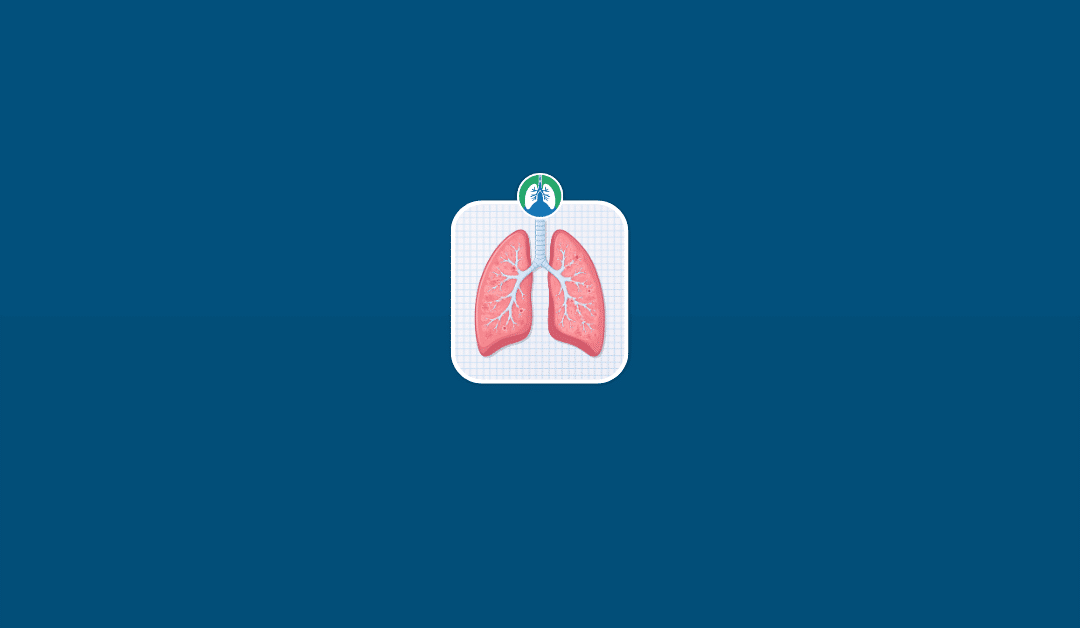
Popcorn Lung: Causes, Symptoms, Diagnosis, and Treatment
Learn about popcorn lung, including its causes, symptoms, diagnosis, treatment options, prevention, and long-term outlook.
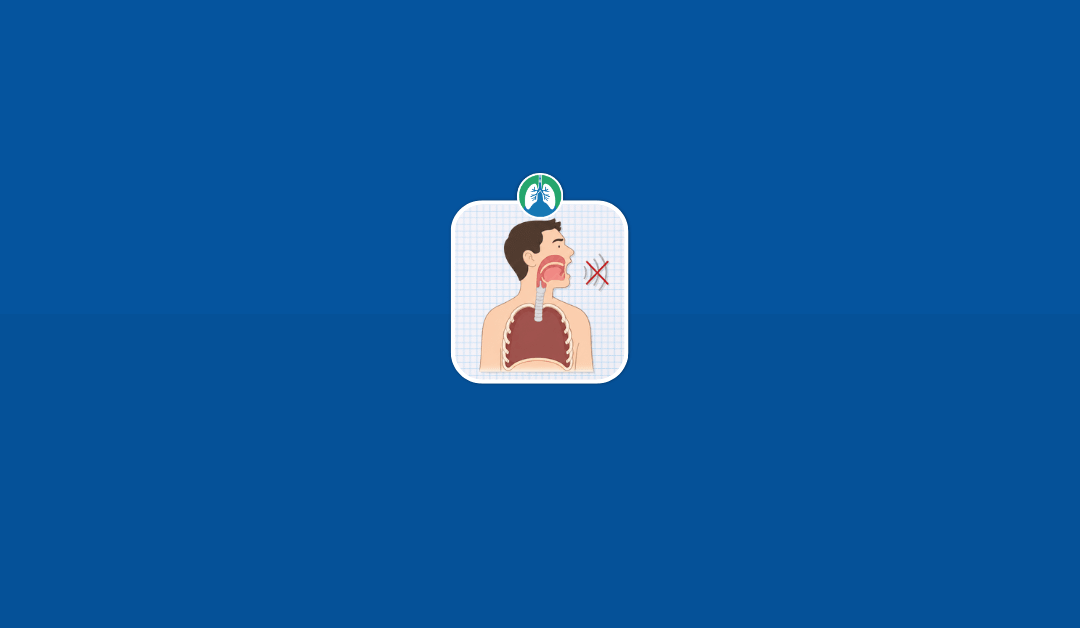
What Does a Man Screaming With No Lungs Sound Like?
What does a man screaming with no lungs sound like? Learn why a true scream requires airflow and what could realistically be heard.
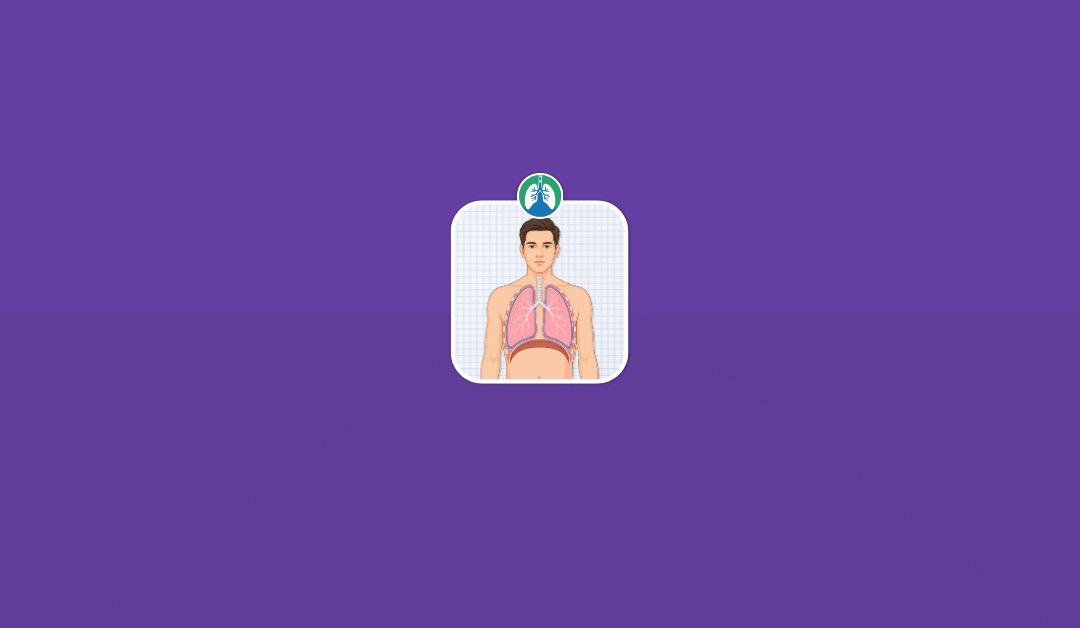
Parietal Pleura: Anatomy, Function, and Clinical Significance
Learn about the parietal pleura, including its anatomy, function, pain sensitivity, fluid drainage, and role in pleural disorders.
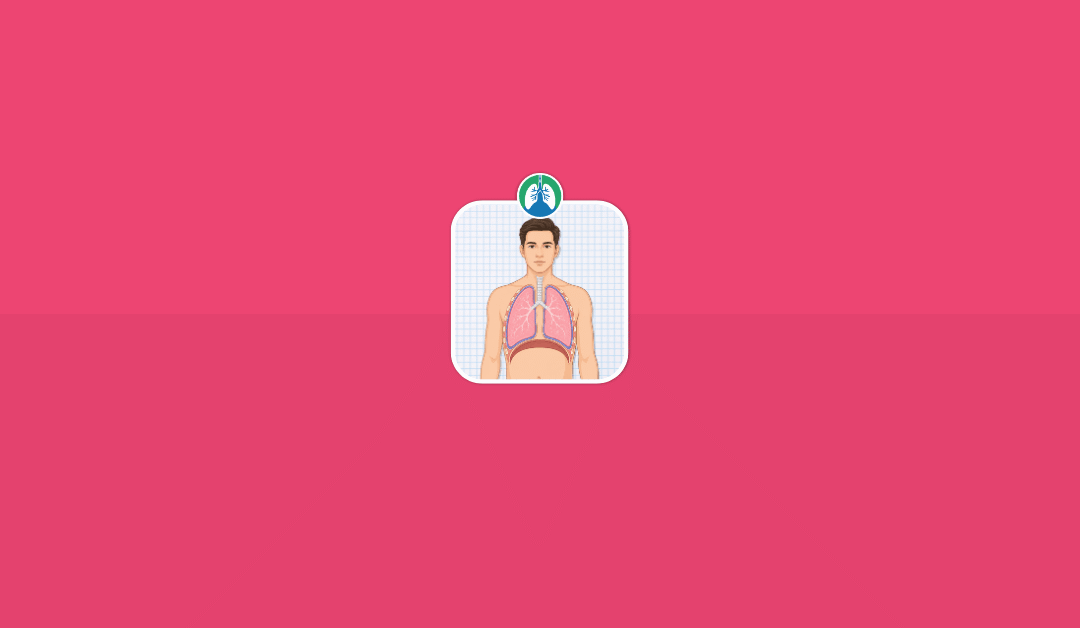
Visceral Pleura: Anatomy, Function, and Clinical Significance
Learn about the visceral pleura, including its anatomy, function, role in breathing, and involvement in common pleural disorders.
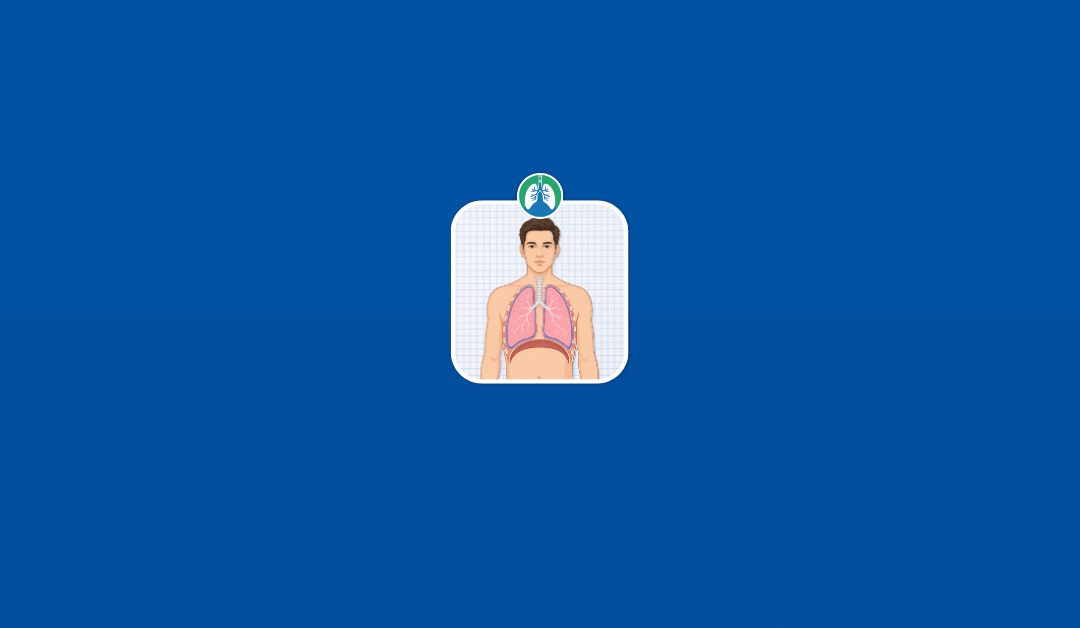
Pleura: Anatomy, Function, and Clinical Significance
Learn the anatomy and function of the pleura, including pleural pressure, fluid balance, common disorders, diagnosis, and treatment.
Oxygen Toxicity: Causes, Symptoms, and Clinical Management
Learn how oxygen toxicity causes lung injury, its signs, risk factors, complications, monitoring, treatment, and prevention.
Oxygen Extraction Ratio: Calculation and Clinical Meaning
Learn how to calculate the oxygen extraction ratio, interpret normal and abnormal values, and understand its role in tissue oxygenation.

Retractions: Causes, Types, Assessment, and Treatment
Learn what retractions are, their causes and types, how they are assessed, and which treatments may help reduce breathing difficulty.
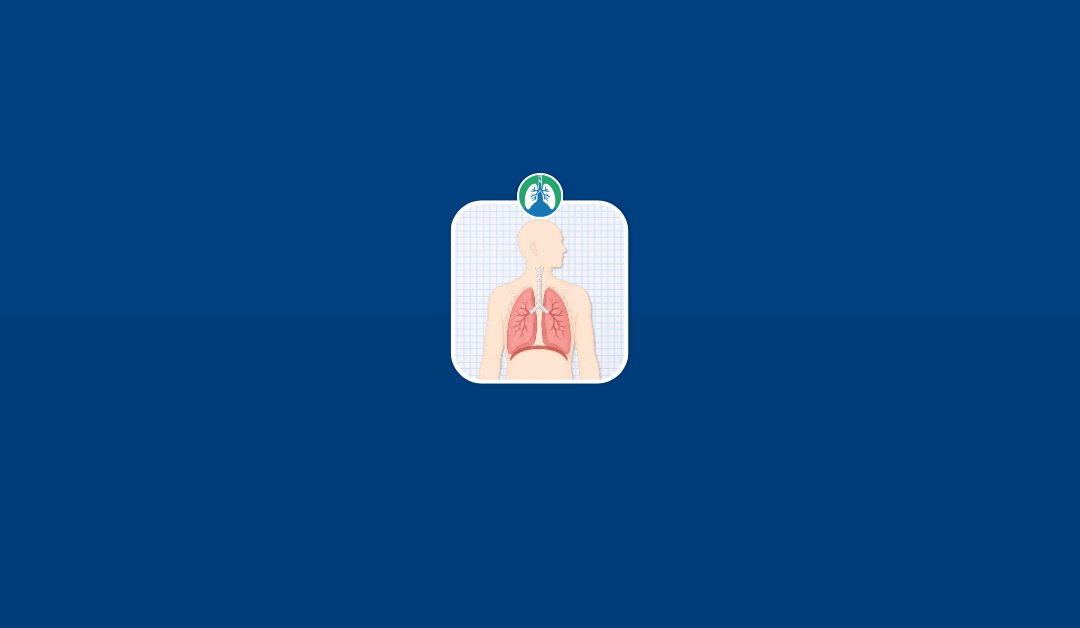
Eupnea: Normal Breathing Pattern and Clinical Assessment
Learn what eupnea means, including normal breathing rate, rhythm, depth, effort, sighing, assessment, and signs of abnormal breathing.
Nosocomial Pneumonia: Symptoms, Diagnosis, and Treatment
Learn the causes, symptoms, diagnosis, treatment, risk factors, and prevention strategies for nosocomial pneumonia in hospitalized patients.

Noninvasive Positive Pressure Ventilation (NPPV)
Learn how noninvasive positive pressure ventilation (NPPV) works, including indications, settings, monitoring, benefits, and risks.

Noninvasive Ventilation (NIV): Types, Uses, and Monitoring
Learn about noninvasive ventilation (NIV), its types, benefits, applications, and how it supports patients with respiratory conditions.