Learn the difference between laminar and turbulent flow, including effects on airway resistance, work of breathing, and ventilation.


Learn the difference between laminar and turbulent flow, including effects on airway resistance, work of breathing, and ventilation.
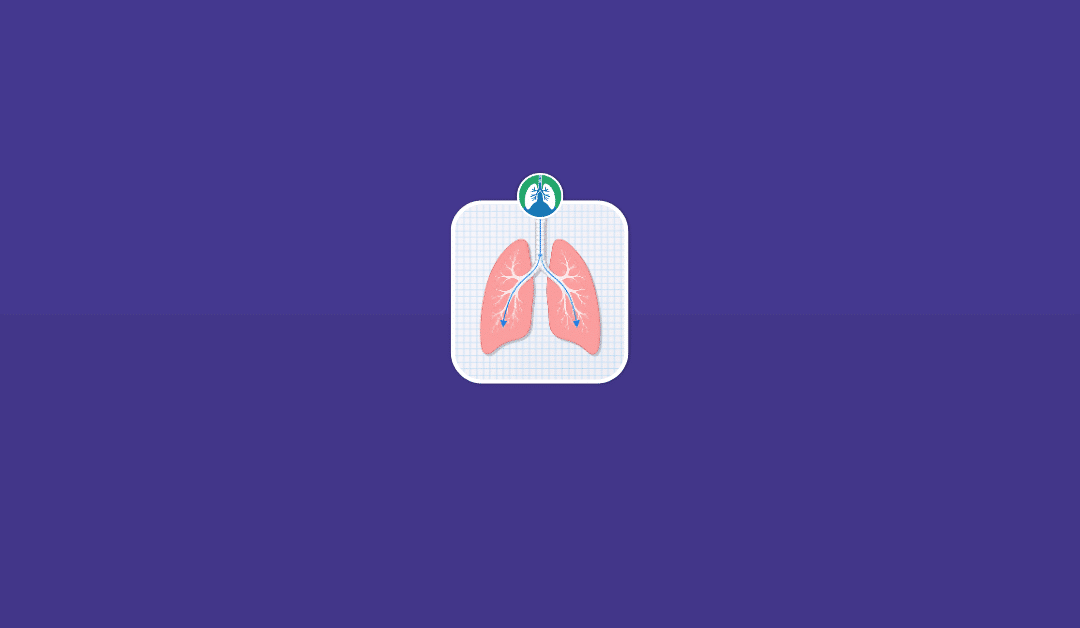
Learn what inspiratory flow rate means, how it affects ventilation, I:E ratio, air trapping, patient comfort, and aerosol delivery.

Learn Fick’s first law of diffusion and how it explains oxygen and carbon dioxide movement across the alveolar-capillary membrane.

Learn about the laws and principles of the respiratory system, including pressure, flow, compliance, diffusion, and gas exchange.
Learn the difference between static and dynamic compliance, including formulas, pressure trends, causes, and ventilator assessment tips.
Learn about dynamic compliance, including the formula, normal values, causes of low compliance, and how it helps assess ventilator patients.
Learn about static compliance, including the formula, normal values, causes of low compliance, and how it helps assess ventilator patients.
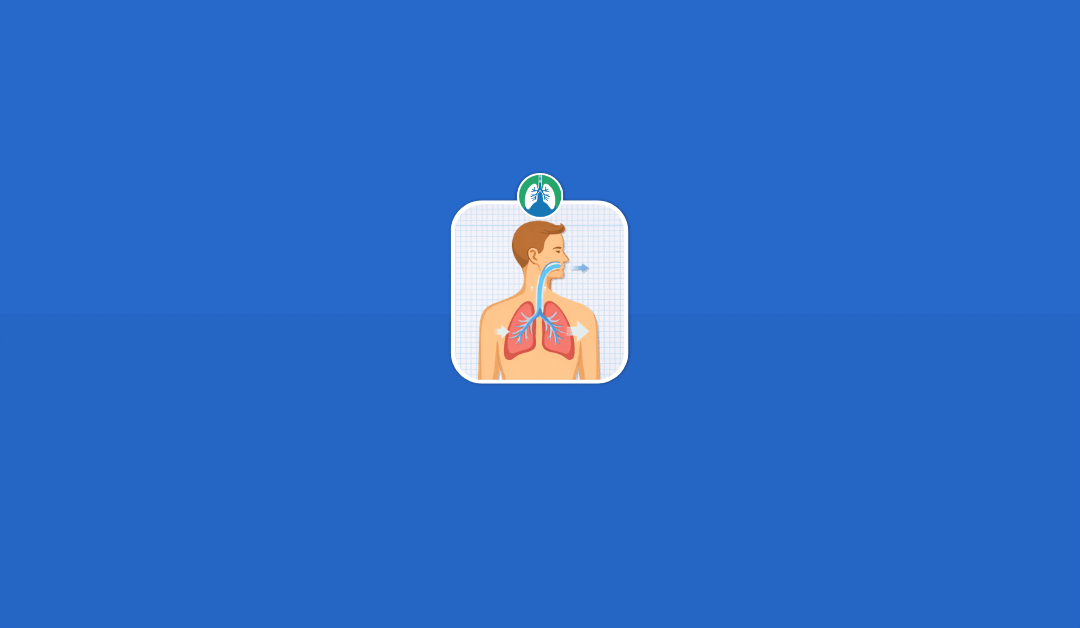
Learn what flow rate is in respiratory care and how it impacts ventilation, oxygen therapy, aerosol delivery, and patient outcomes.
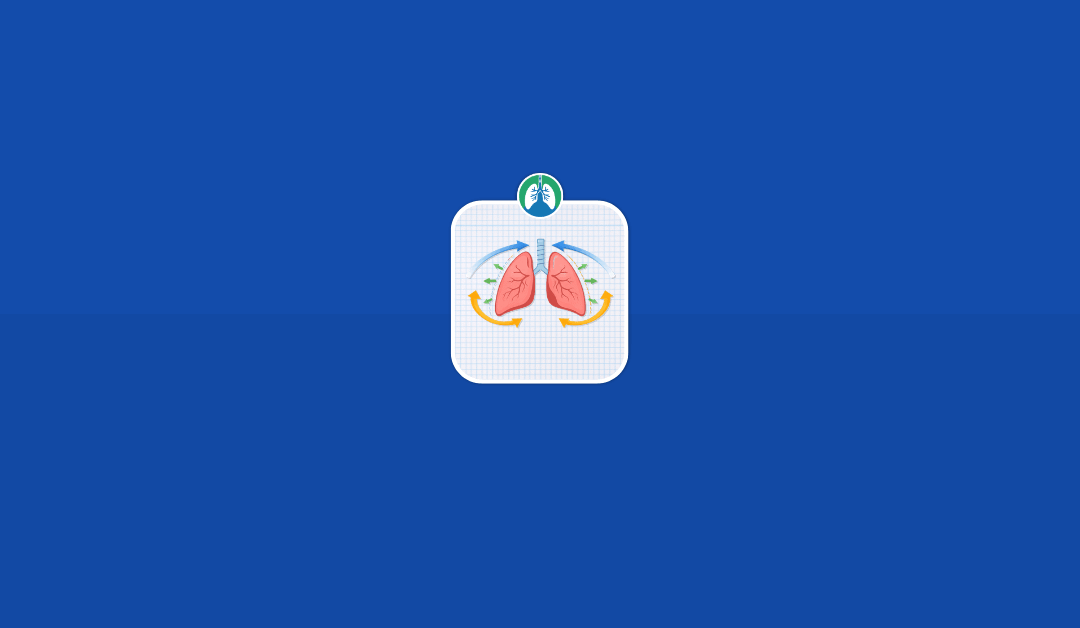
Learn what lung elasticity is, how it affects breathing, and why it’s essential for respiratory therapists and ventilator management.

Learn how water vapor pressure affects pulmonary physiology, gas exchange, humidification, and oxygen delivery in respiratory care.

Learn how the Haldane effect influences CO₂ transport, gas exchange, and oxygen therapy in respiratory care and clinical practice.

Learn how the Bohr effect links CO₂ and pH to hemoglobin’s oxygen binding, ensuring efficient delivery and gas exchange.

Discover if air is classified as a compound or mixture by exploring its composition and understanding the key differences between the two.

Is air a homogeneous or heterogeneous mixture? Discover the science behind air’s composition and what sets it apart.

Learn what airway resistance is, how it’s measured, and why it matters in respiratory health and mechanical ventilation.
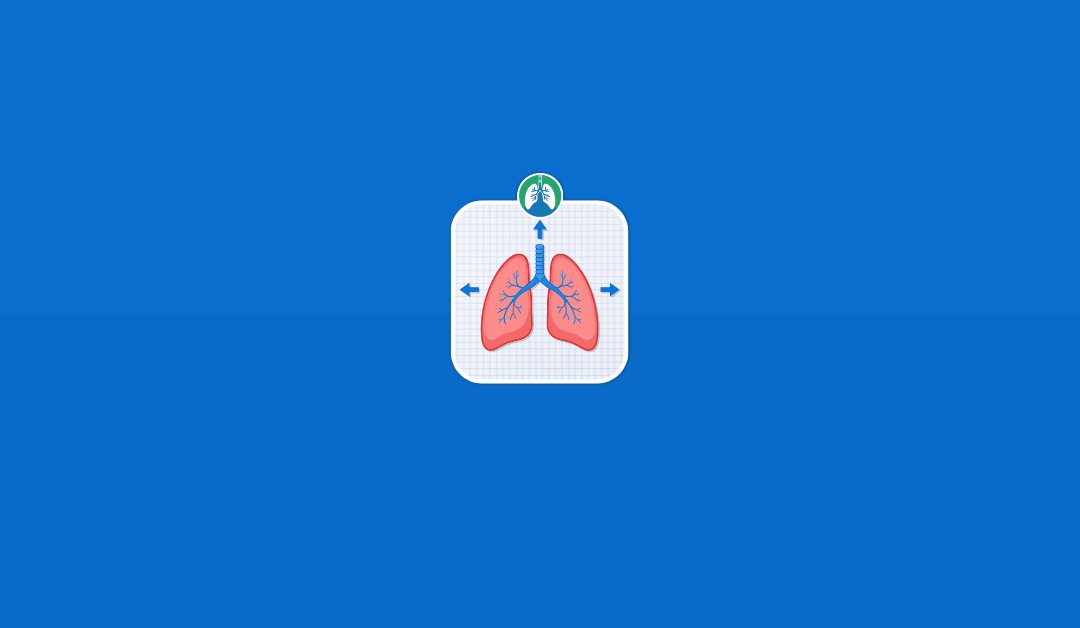
Learn the physical principles of respiratory care, including gas laws, pressure, flow, humidity, aerosols, and mechanical ventilation.

Learn what causes air to flow into the lungs, including the role of pressure gradients, muscle contractions, and respiratory mechanics.

Explore lung compliance, its significance in respiratory health, factors affecting it, and its role in diagnosing pulmonary conditions.