
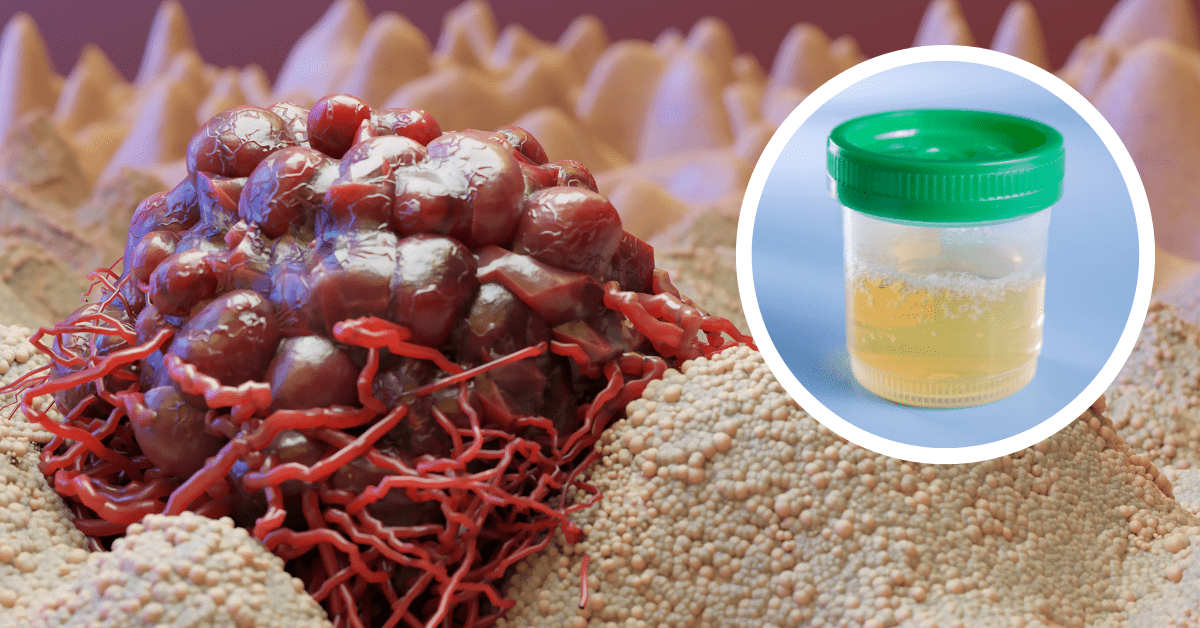
Researchers from the University of Cambridge have developed a groundbreaking urine test capable of detecting early signs of lung cancer by identifying “zombie” cells—damaged cells that remain alive but lose the ability to divide. This innovative approach could revolutionize early cancer detection, enabling quicker treatment and improving survival rates.
Early Detection for Better Outcomes
The test, developed by Professor Ljiljana Fruk and Dr. Daniel Munoz Espin’s teams at Cambridge’s Department of Chemical Engineering and Biotechnology and the Early Cancer Institute, offers a non-invasive and affordable method for lung cancer screening. The research has been funded by Cancer Research UK, which has invested over £231 million in lung cancer research in the past decade.
Lung cancer is often diagnosed at advanced stages due to the lack of noticeable early symptoms, contributing to its poor prognosis. However, this new urine test could change that by detecting cancer months or even years before symptoms appear. “Early detection of cancer requires cost-effective tools and strategies that enable detection to happen quickly and accurately,” said Professor Fruk.
How the Test Works
The test targets proteins excreted by senescent cells, also known as “zombie” cells. These cells, while unable to grow or divide, can damage surrounding tissues by creating a toxic environment that supports cancer development. Scientists have designed an injectable sensor that interacts with these proteins, releasing a detectable compound into the urine when cancer-related proteins are present.
“We designed a test based on peptide-cleaving proteins, which are found at higher levels in the presence of zombie cells,” explained Fruk. “These proteins appear in the early stages of cancer and can serve as a reliable biomarker for the disease.”
Expanding Potential Beyond Lung Cancer
While the current focus is on lung cancer, researchers believe the technology could be adapted to detect other types of cancer. “We have almost completed a functional urine test for detecting ‘zombie’ cells in lung cancer, but this test has potential for other cancers as well,” said Fruk.
She emphasized the need for interdisciplinary collaboration to create a more comprehensive approach to cancer diagnosis and treatment. “Developing more efficient cancer treatments requires earlier detection and better therapies, but also work with other disciplines for a more holistic view of the disease, which is an essential part of my research.”
A Step Toward Transforming Cancer Care
Cancer Research UK has played a pivotal role in supporting the development of this innovative test, reflecting its broader mission to combat lung cancer through research and treatment advancements. Dr. Iain Foulkes, executive director of research and innovation at Cancer Research UK, expressed optimism about the project’s potential.
“This project being led by Professor Fruk is another example of our commitment to driving progress so that more people can live longer, better lives, free from the fear of cancer,” said Foulkes.
With lung cancer claiming thousands of lives each year, the development of this simple, non-invasive urine test marks a promising step toward transforming cancer detection and treatment, offering new hope for patients worldwide.
Key Takeaways
- Early Lung Cancer Detection: Cambridge scientists have developed a urine test that could detect lung cancer early by identifying “zombie” cells, improving survival rates through earlier treatment.
- How the Test Works: The test targets proteins from senescent cells, which signal early signs of cancer, using an injectable sensor that releases a detectable compound into the urine.
- Noninvasive and Affordable: The urine test offers a simple, cost-effective, and non-invasive screening method compared to current diagnostic procedures.
- Potential for Broader Use: While designed for lung cancer, researchers believe the test could be adapted to detect other types of cancer in the future.
- Significant Research Investment: Cancer Research UK has supported the project with over £231 million invested in lung cancer research over the last decade.
- Collaboration is Crucial: The development of the test highlights the importance of interdisciplinary research for advancing cancer diagnostics and treatment.
- Hope for the Future: This breakthrough represents a promising advancement in the fight against cancer, with potential to save lives through earlier detection and more effective treatment strategies.

Written by:
John Landry is a registered respiratory therapist from Memphis, TN, and has a bachelor's degree in kinesiology. He enjoys using evidence-based research to help others breathe easier and live a healthier life.
References
- Dela Cruz CS, Tanoue LT, Matthay RA. Lung cancer: epidemiology, etiology, and prevention. Clin Chest Med. 2011.