
Learn how CO-oximetry measures hemoglobin species, detects dyshemoglobins, and helps assess carbon monoxide poisoning and methemoglobinemia.
John Landry, BS, RRT
John Landry is a registered respiratory therapist from Memphis, TN, and has a bachelor’s degree in kinesiology. He enjoys using evidence-based research to help others breathe easier, live healthier, and improve their overall quality of life.

When Should a Respiratory Therapist Notify the Physician?
Learn when respiratory therapists should notify the physician, including emergencies, adverse reactions, unsafe orders, and patient refusal.
Lower Respiratory Tract: Anatomy, Structure, and Function
Learn the anatomy and function of the lower respiratory tract, including the trachea, bronchi, bronchioles, alveoli, and gas exchange.
Upper Respiratory Tract: Anatomy, Structure, and Function
Learn the anatomy and function of the upper respiratory tract, including the nose, pharynx, larynx, airway protection, and common disorders.
Respiratory Tract: Anatomy, Function, and Clinical Care
Learn the anatomy and function of the respiratory tract, including the upper and lower airways, alveoli, gas exchange, and airway defense.
Elevate Head-of-Bed to Prevent Ventilator-Associated Pneumonia
Learn how elevating the head of the bed 30 to 45 degrees helps reduce aspiration risk and prevent ventilator-associated pneumonia.
Venturi Mask: Clinical Uses and Oxygen Delivery
Learn how a Venturi mask delivers precise oxygen using air entrainment, total flow, FiO₂, air-to-oxygen ratios, and jet design.
Air-Entrainment Mask: Clinical Uses for Oxygen Delivery
Learn how an air-entrainment mask delivers precise oxygen concentrations, controls FiO₂, and supports clinical oxygen therapy.
Obesity and Respiratory Function: A Clinical Overview
Learn how obesity affects lung function, breathing mechanics, sleep apnea, hypoventilation, gas exchange, respiratory care, and treatment.
Pediatric Advanced Life Support (PALS): Clinical Overview
Learn about Pediatric Advanced Life Support (PALS), including assessment, airway care, CPR, defibrillation, and postresuscitation care.

Swan-Ganz Catheter: Clinical Uses, Values, and Monitoring
Learn about the Swan-Ganz catheter uses, hemodynamic measurements, normal values, monitoring, interpretation, and potential complications.
Pulmonary Artery Catheter (PAC): Clinical Uses and Monitoring
Learn about pulmonary artery catheters, including hemodynamic measurements, normal values, indications, monitoring, and complications.
Patient Transport and Respiratory Care Guidelines
Learn about patient transport, including respiratory monitoring, oxygen, mechanical ventilation, safety, and emergency preparation.
Gastrointestinal Symptoms Associated With Vaping
Learn how vaping may cause gastrointestinal symptoms, including nausea, vomiting, abdominal pain, diarrhea, and loss of appetite.
Emergency Department: Respiratory Care and Management
Learn about emergency department respiratory care, including assessment, airway management, oxygen therapy, ventilation, and emergencies.
Vaping: Respiratory Care and Clinical Considerations
Learn how vaping affects the lungs, causes respiratory complications, and influences clinical care for respiratory therapists.
Premature Infant: Respiratory Care and Management
Learn about premature infants, including respiratory distress, apnea, surfactant therapy, CPAP, ventilation, and common complications.
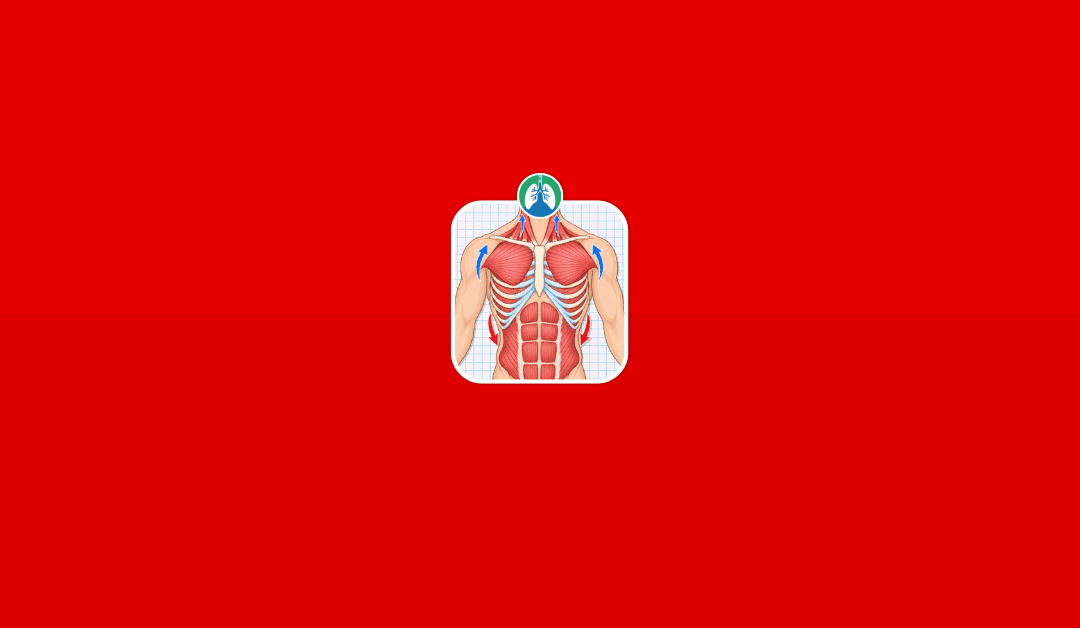
Accessory Muscles of Respiration: Clinical Assessment
Learn about the accessory muscles of respiration, how they support breathing, and why their use may indicate respiratory distress.
Sternocleidomastoid Muscle in Respiratory Assessment
Learn how the sternocleidomastoid assists breathing and why its use can indicate increased work of breathing or respiratory distress.
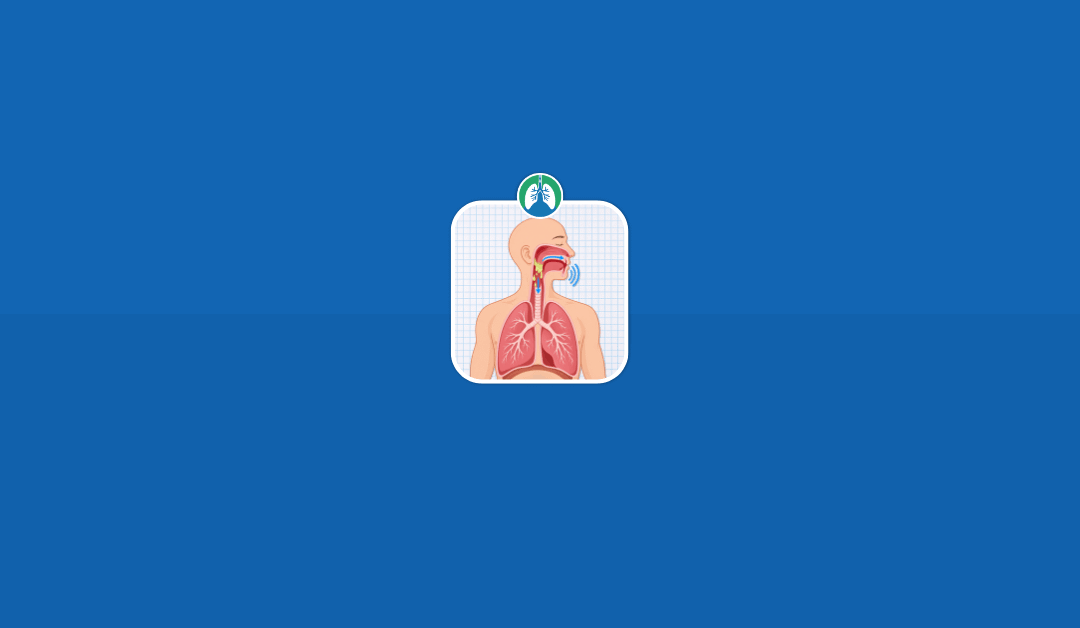
Death Rattle: Causes, Symptoms, and End-of-Life Care
Learn what the death rattle is, why it happens near the end of life, what it sounds like, and what families should expect.