

Humidifiers are widely used to relieve dry indoor air, especially during winter months or in arid climates. By increasing moisture levels in the air, they can help ease dry skin, irritated sinuses, sore throats, and respiratory discomfort. For people with allergies, asthma, or chronic lung conditions, properly humidified air can improve comfort and breathing efficiency.
Because humidifiers work by dispersing water vapor into the air, many people wonder whether adding substances to the water can enhance their benefits.
Essential oils, herbal extracts, household liquids, and commercial additives are frequently suggested online. However, not everything that smells good or sounds beneficial is safe or appropriate for humidifier use.

Download our free guide that has over 100+ of the best tips for healthy lungs.
What Can You Add to Humidifier Water?
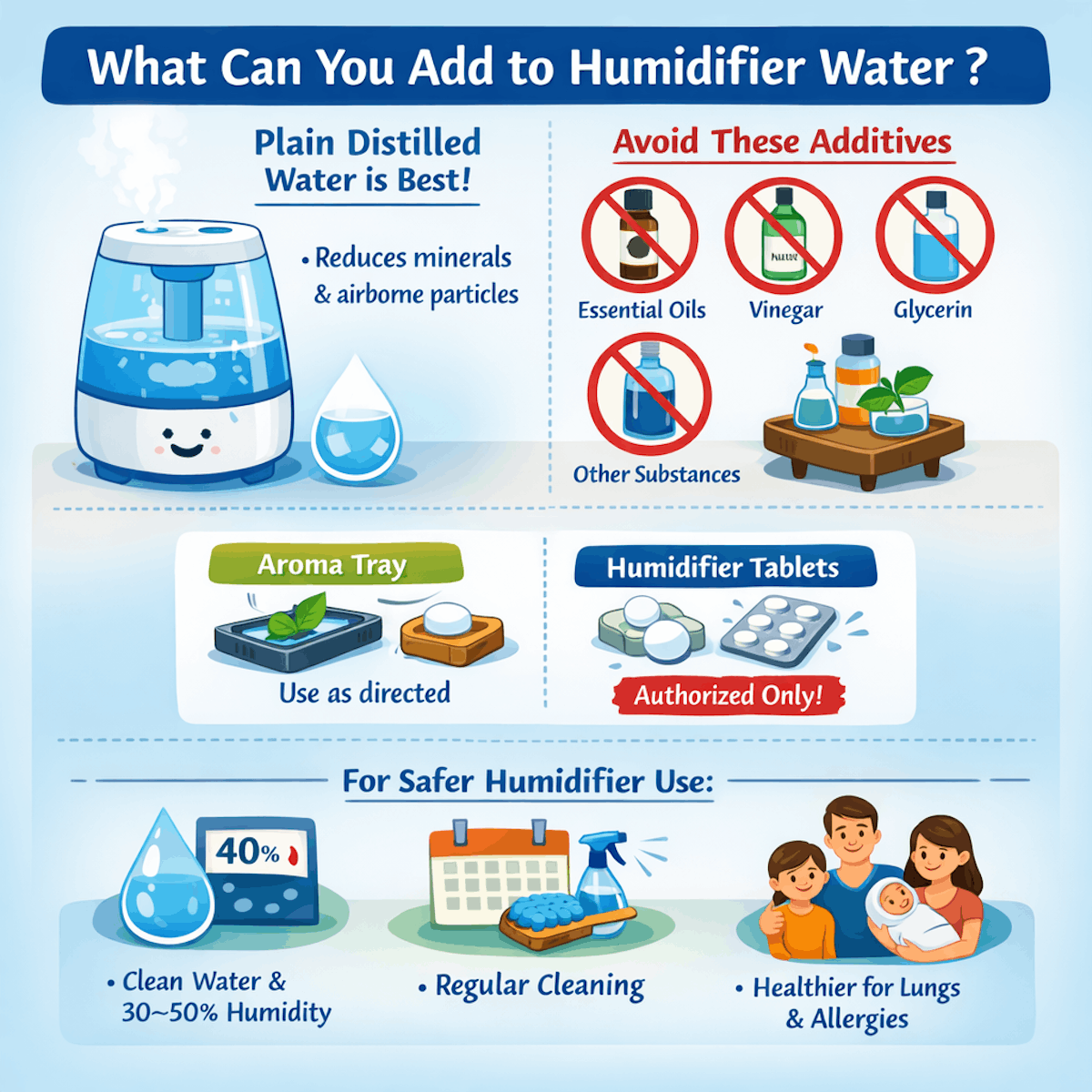
In most cases, the safest thing you can add to humidifier water is nothing at all. Plain, distilled water is recommended because it reduces mineral buildup, limits the spread of airborne particles, and protects both respiratory health and the humidifier itself. Many people consider adding essential oils, vinegar, glycerin, or other substances, but these additives can irritate the airways, trigger asthma or coughing, and damage internal components unless the manufacturer specifically allows them.
Some humidifiers include a separate aroma tray or accept approved humidifier tablets, which may be used cautiously and exactly as directed. However, additives should never be placed directly into the water reservoir unless explicitly approved by the manufacturer.
For most users, especially those with asthma, COPD, allergies, or young children in the home, clean water, proper humidity levels between 30 and 50 percent, and regular cleaning provide all the benefits a humidifier is meant to deliver.
How Humidifiers Work (And Why Additives Matter)
Humidifiers function by converting liquid water into airborne moisture. Depending on the design, this happens in different ways:
- Ultrasonic humidifiers use high-frequency vibrations to break water into microscopic droplets
- Cool mist (evaporative) humidifiers blow air across a wet wick or filter
- Warm mist humidifiers heat water to create steam
When additives are placed in the water reservoir, they are often dispersed into the air along with the moisture. This means whatever you add may be inhaled, settle on surfaces, or enter the respiratory tract.
That’s where problems can arise. Many manufacturers explicitly warn against adding oils, chemicals, or non-water substances because they can:
- Damage internal components
- Clog ultrasonic plates
- Create bacterial or fungal growth
- Release airborne particles that irritate the lungs
Note: For respiratory health, especially in children, older adults, and people with lung disease, caution is essential.
A Critical Safety Rule Before Adding Anything
Always check the manufacturer’s instructions first.
Many humidifiers are designed for water only, and adding anything else may void the warranty or create health risks. Some models include a separate aroma tray or essential oil compartment, which is different from placing substances directly into the water tank.
If your humidifier does not specifically allow additives, they should not be placed in the water reservoir, even if they are labeled “natural” or “safe.”
Distilled Water Still Comes First
Regardless of additives, the safest base for any humidifier is distilled or demineralized water.
Tap water contains minerals that can:
- Create white dust
- Promote bacterial growth
- Irritate the respiratory tract when aerosolized
Note: Even before considering additives, water quality plays a major role in indoor air safety.
Most Common Types of Humidifier Additives
1. Essential Oils
Essential oils are concentrated plant extracts used for fragrance or aromatherapy. Common examples include lavender, peppermint, eucalyptus, lemon, and tea tree oil.
While they are popular, essential oils should not be added directly to humidifier water unless the manufacturer explicitly allows it.
Potential concerns include:
- Airway irritation
- Triggering asthma symptoms
- Damage to plastic components
- Oil residue buildup inside the device
Note: If used at all, essential oils should be placed only in approved aroma trays, not the water tank itself.
2. Lavender Oil
Lavender is commonly associated with relaxation and sleep support. Its scent may promote calmness and reduce stress when gently diffused. That said, lavender oil is still a volatile compound. When aerosolized improperly, it can irritate sensitive airways, especially in infants and young children.
Best Practice: Use lavender oil only in humidifiers designed with a dedicated oil compartment or use a separate diffuser instead.
3. Peppermint Oil
Peppermint oil produces a strong, cooling aroma that many people associate with nasal clarity and alertness. While it may feel “opening” to the sinuses, inhaling aerosolized peppermint oil can be harsh on the lungs. For individuals with asthma or reactive airway disease, peppermint oil may worsen coughing or bronchospasm.
Best Practice: Avoid adding peppermint oil to humidifier water. If used, limit exposure and keep it out of sleeping areas.
4. Eucalyptus Oil
Eucalyptus oil is commonly used during colds and congestion due to its menthol-like effects. While it can feel soothing, it is not appropriate for continuous humidifier dispersal, especially overnight. In young children, eucalyptus exposure has been linked to respiratory distress.
Best Practice: Eucalyptus should be used cautiously and never added directly to the water tank unless explicitly approved.
5. Lemon Juice or Lemon Oil
Lemon is often promoted as a natural deodorizer or antibacterial agent. While lemon oil smells fresh, it is acidic and can degrade plastic components over time. Lemon juice contains sugars and organic compounds that may encourage microbial growth inside the humidifier.
Best Practice: Avoid lemon juice in humidifier water. Lemon oil should only be used in approved aroma trays, not reservoirs.
A Note on “Antimicrobial” Claims
Many substances are labeled as antibacterial or antiviral. While this may be true in laboratory settings, a humidifier is not a sterilization device.
Adding substances to humidifier water does not disinfect the air and may actually increase exposure to irritants or contaminants.
The most effective way to keep humidified air safe is:
- Regular cleaning
- Using distilled water
- Emptying the tank daily
- Allowing the unit to dry completely
What This Means for Respiratory Health
From a respiratory care perspective, humidifiers should support breathing, not complicate it. Any additive that increases airway irritation, triggers coughing, or worsens symptoms defeats the purpose of humidification.
For patients with:
- Asthma
- COPD
- Allergies
- Chronic cough
- Sleep apnea
Note: Plain, clean moisture is almost always safer than scented or medicated vapor.
Glycerin, Vinegar, and Commercial Additives
After discussing essential oils and fragrance-based additives, it’s important to examine substances that are often promoted for functional purposes rather than scent. These include thickening agents, cleaning solutions, and commercial products marketed specifically for humidifier use.
Some of these additives may seem harmless or even beneficial, but when aerosolized, they can pose unexpected risks to both respiratory health and humidifier performance.
Glycerin and Humectants
What Is Glycerin?
Glycerin (also called glycerol) is a clear, odorless liquid commonly used in pharmaceuticals, cosmetics, and food products. It functions as a humectant, meaning it attracts and retains moisture.
Because of this property, glycerin is sometimes suggested as an additive to humidifier water to “boost” humidity or make the mist feel more moisturizing.
Why People Add Glycerin to Humidifiers
People often believe glycerin can:
- Increase the density of humidifier mist
- Improve skin hydration
- Enhance moisture retention in dry environments
- Reduce throat and nasal dryness
Note: While these claims sound appealing, they overlook how humidifiers actually work.
Respiratory and Mechanical Concerns
Humidifiers are engineered to aerosolize water, not thickened liquids. Adding glycerin alters the physical properties of the fluid, which can lead to several problems:
- Poor mist dispersion
- Residue buildup inside the device
- Clogged ultrasonic plates or wicks
- Increased microbial growth
From a respiratory perspective, aerosolized glycerin particles can be inhaled into the lower airways. While glycerin is generally safe when ingested or applied topically, chronic inhalation has not been well studied, especially in children or people with lung disease.
Best Practice: Glycerin should not be added to humidifier water unless the manufacturer explicitly approves it, which is rare.
Vinegar: Cleaning Agent vs. Additive
Why Vinegar Is Commonly Mentioned
White vinegar is widely known for its disinfectant and descaling properties. Many humidifier manufacturers recommend it as a cleaning solution, which leads some users to assume it can be added directly to the water tank during operation. This is an important distinction.
Vinegar Is for Cleaning, Not Humidifying
Vinegar is effective at dissolving mineral deposits and inhibiting mold and bacterial growth when used during cleaning cycles, not during active humidification.
When vinegar is aerosolized:
- The acidic vapor can irritate the eyes and airways
- It may worsen asthma or chronic cough
- It can corrode internal components over time
Even diluted vinegar mist can be unpleasant and harmful when inhaled regularly.
Best Practice: Use vinegar only for cleaning the humidifier when it is turned off, then rinse thoroughly with clean water before reuse.
Hydrogen Peroxide and Disinfectants
Some users attempt to disinfect humidifiers by adding hydrogen peroxide, bleach, or other household disinfectants directly to the water. This is unsafe.
Aerosolized disinfectants can:
- Cause chemical pneumonitis
- Irritate the bronchi
- Trigger coughing and chest tightness
- Damage lung tissue with repeated exposure
No reputable manufacturer recommends adding disinfectants to active humidifier water.
Best Practice: Disinfectants should only be used during cleaning, never during operation.
Commercial Humidifier Additives and Tablets
What Are Humidifier Tablets?
Humidifier tablets are commercially produced products designed to be added to humidifier water. They are typically marketed as:
- Antibacterial or antimicrobial
- Mineral-reducing
- Odor-controlling
- Scale-preventing
Some also include fragrance.
Are Humidifier Tablets Safe?
Unlike household substances, humidifier tablets are specifically formulated for humidifier use. When used exactly as directed, they are generally safer than DIY additives.
However, there are still considerations:
- Some contain biocides that can be irritating when inhaled
- Fragranced versions may trigger respiratory symptoms
- Overuse can lead to excessive chemical dispersion
Best Practice: Only use tablets approved by the humidifier manufacturer and avoid fragranced versions if respiratory sensitivity is a concern.
“Medicinal” Additives (Menthol, Camphor, Vapor Solutions)
Products containing menthol, camphor, or eucalyptus are often marketed for cold and congestion relief. These are commonly sold as liquid additives intended for steam inhalation or vapor therapy.
Why These Are Risky in Humidifiers
While menthol can create a sensation of nasal openness, it does not actually improve airflow. When dispersed continuously through a humidifier:
- Airways may become irritated
- Cough reflex may increase
- Infants and children are at higher risk
- Lung sensitivity can worsen overnight
Additionally, these substances can coat internal components, shortening the life of the humidifier.
Best Practice: Avoid medicated additives in standard humidifiers. If vapor therapy is needed, use products designed for short-term, controlled steam inhalation.
Substances That Should Never Be Added to Humidifier Water
To protect respiratory health, the following should never be added to humidifier water:
- Essential oils (unless in approved trays)
- Vinegar during operation
- Bleach or disinfectants
- Hydrogen peroxide
- Alcohol
- Salt or saline solutions
- Herbal teas or plant extracts
- Sugary liquids (juice, honey, glycerin blends)
Note: These substances can aerosolize into the lungs or damage equipment.
How Additives Can Worsen Indoor Air Quality
Ironically, many additives are used with the goal of improving air quality. In reality, misuse can:
- Increase airborne particles
- Promote biofilm formation
- Release irritants into the breathing zone
- Worsen respiratory symptoms
Note: A dirty or improperly used humidifier can become a source of indoor air pollution rather than a solution.
Respiratory Care Perspective
From a respiratory care standpoint, humidification should be clean, controlled, and predictable. For patients with asthma, COPD, or chronic lung disease, even mild airway irritation can trigger symptoms. Introducing unnecessary substances into humidified air increases risk without providing meaningful benefit.
Note: Plain water, proper humidity levels (30–50%), and diligent cleaning remain the safest approach.
Safe Use and Proper Maintenance for Respiratory Health
After exploring essential oils, household additives, and commercial products, the final step is understanding when anything beyond water may be appropriate, how to use humidifiers safely, and how to recognize when a humidifier is doing more harm than good.
Note: For most people, the biggest benefits of humidification come not from additives, but from proper humidity control and device hygiene.
When Additives May Be Appropriate
In general, plain water is best. However, there are limited situations where additives may be acceptable when used correctly.
Manufacturer-Approved Aroma Features
Some humidifiers include a separate aroma tray or essential oil compartment that is physically isolated from the water reservoir. These features are designed to release fragrance without aerosolizing oils into the mist.
If your humidifier includes this feature:
- Use only 1–2 drops of oil
- Avoid overnight use
- Keep oils out of children’s rooms
- Discontinue if coughing, wheezing, or irritation occurs
Even then, fragrance is optional, not necessary.
Commercial Tablets
Humidifier tablets that are explicitly approved by the manufacturer may be used to reduce mineral buildup or microbial growth.
To minimize risk:
- Follow dosing instructions exactly
- Avoid fragranced tablets
- Do not combine with other additives
- Monitor for respiratory irritation
Note: If symptoms occur, stop use immediately.
What Proper Humidifier Use Actually Looks Like
A humidifier should improve comfort without being noticeable. You should not smell it, taste it, or feel irritation from it.
Ideal Indoor Humidity Range
- 30–50% relative humidity is optimal
- Below 30% increases dryness and irritation
- Above 50% promotes mold, dust mites, and bacteria
Note: Use a hygrometer to monitor indoor humidity accurately.
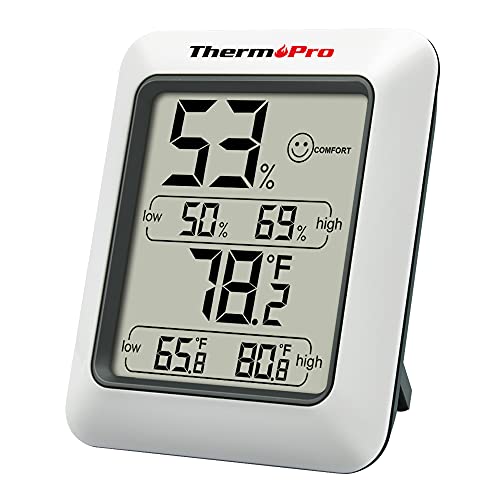
An accurate and user-friendly device designed to measure indoor temperature and humidity levels, helping you maintain optimal living conditions in your home.
Humidifier Cleaning and Maintenance
Most humidifier-related health issues come from poor cleaning, not a lack of additives.
Daily Maintenance
- Empty the water tank every day
- Allow all parts to air-dry completely
- Refill only with fresh distilled water
Weekly Cleaning
- Disassemble the humidifier
- Clean with manufacturer-approved methods
- Use vinegar only for descaling (unit turned off)
- Rinse thoroughly to remove residue
- Allow complete drying before reassembly
Filter and Wick Replacement
For evaporative humidifiers:
- Replace filters as recommended
- Do not attempt to “extend” filter life
- Moldy or mineral-clogged wicks should be discarded immediately
Warning Signs Your Humidifier Is Harming Air Quality
Stop using your humidifier if you notice:
- Persistent coughing or throat irritation
- Chest tightness or wheezing
- Musty or sour odors
- White dust settling on surfaces
- Visible mold inside the tank
- Increased allergy or asthma symptoms
- Film or residue on nearby furniture
Note: These signs indicate contamination, over-humidification, or improper use.
Special Considerations for Respiratory Conditions
Asthma and Reactive Airways
People with asthma are particularly sensitive to airborne particles and chemical vapors. Even mild irritants can trigger bronchospasm.
Best Practice: Use plain distilled water only. Avoid fragrances and additives entirely.
COPD and Chronic Lung Disease
For individuals with chronic lung disease, humidification should reduce airway dryness without increasing airway resistance or inflammation.
Best Practice: Maintain moderate humidity and prioritize cleanliness over enhancement.
Infants and Young Children
Infants have narrower airways and immature immune systems.
Best Practice: Never use additives. Avoid essential oils entirely. Clean the humidifier daily.
Humidifier Myths to Ignore
“Essential oils disinfect the air”
They do not. They may irritate the lungs instead.
“Thicker mist works better”
Mist density does not equal effectiveness.
“If it smells clean, it is clean”
Odor often signals contamination.
“Natural means safe”
Natural substances can still be harmful when inhaled.
Key Takeaways
If there is one takeaway from this entire discussion, it is this:
A humidifier’s job is to add moisture, not medication, fragrance, or chemicals.
The safest and most effective humidifier setup includes:
- Distilled water only
- Proper humidity levels (30–50%)
- Daily emptying and drying
- Weekly deep cleaning
- No additives unless explicitly approved
Note: Additives may seem appealing, but they rarely improve outcomes and often introduce unnecessary risk, especially for the respiratory system. For respiratory health, simplicity is strength.
Final Thoughts
Humidifiers can be valuable tools for improving comfort and supporting respiratory health when they are used correctly. While many additives are marketed as ways to enhance their benefits, most are unnecessary and may introduce avoidable risks to the lungs and indoor air quality.
Clean, distilled water, proper humidity control, and regular maintenance provide the greatest benefit with the least harm. Understanding how humidifiers work and respecting their limitations helps prevent irritation, infection, and equipment damage.
When in doubt, simplicity is the safest approach. A well-maintained humidifier should quietly support breathing without drawing attention to itself or creating new health concerns.

Written by:
John Landry is a registered respiratory therapist from Memphis, TN, and has a bachelor's degree in kinesiology. He enjoys using evidence-based research to help others breathe easier and live a healthier life.
References
- Byber K, Radtke T, Norbäck D, Hitzke C, Imo D, Schwenkglenks M, Puhan MA, Dressel H, Mutsch M. Humidification of indoor air for preventing or reducing dryness symptoms or upper respiratory infections in educational settings and at the workplace. Cochrane Database Syst Rev. 2021.