

Portable humidifiers are meant to add moisture to the air, not leave puddles on your nightstand or damp spots on the floor. If you notice water collecting around the base or dripping from the unit, it can quickly become frustrating and concerning.
A leaking portable humidifier is more than just an inconvenience. It can damage furniture, encourage mold growth, and reduce the overall performance of the device. The good news is that most leaks are caused by common and easily fixable issues, such as improper assembly, overfilling the tank, mineral buildup, cracked components, or placing the unit on an uneven surface.
In this article, we will explore the most common reasons why your portable humidifier is leaking and provide practical solutions to help you fix the problem and prevent it from happening again.

Download our free guide that has over 100+ of the best tips for healthy lungs.
Why is My Portable Humidifier Leaking?
A portable humidifier may leak for several common reasons, most of which are easy to fix. One of the most frequent causes is overfilling the water tank, which can lead to overflow when the unit is assembled.
Improper assembly, such as a loose tank cap or misaligned gasket, can also allow water to escape. Cracks in the tank or base may develop over time, especially if the unit has been dropped. Mineral buildup from hard water can interfere with proper sealing and internal components.
Placing the humidifier on an uneven surface may cause water to pool and spill. Regular cleaning, proper setup, and careful inspection of parts can usually resolve the issue and prevent future leaks.
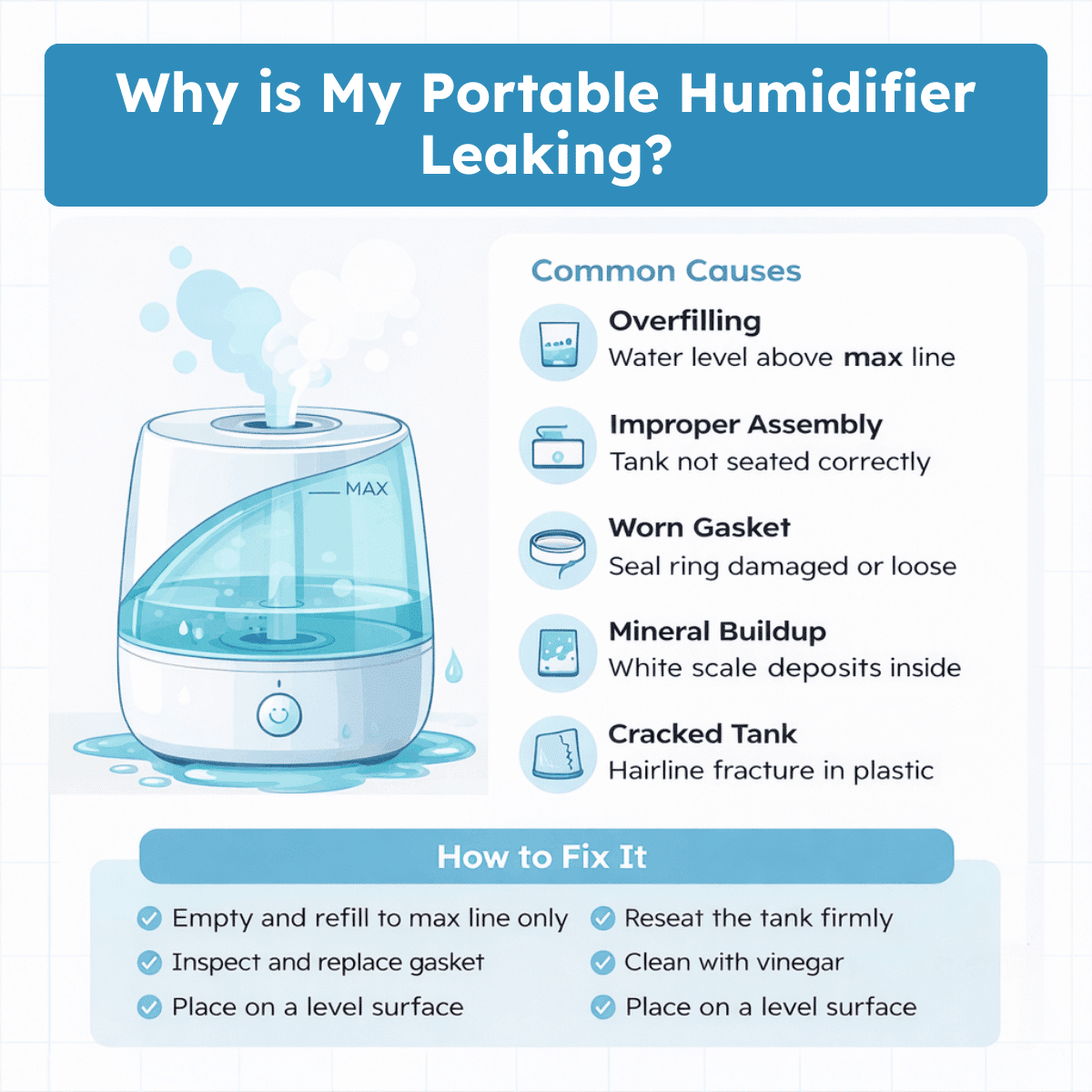
Common Causes of Portable Humidifier Leaks
Most portable humidifier leaks trace back to physical damage, poor assembly, or worn sealing components. When you check the tank, its placement, and the condition of internal seals, you can usually identify the source quickly.
Cracked or Damaged Water Tank
A cracked water tank often causes steady dripping or pooling under the unit. Even a small hairline crack can let water escape once the tank is full and pressurized. Inspect the tank under bright light and look for thin lines along the base, corners, and seams. Pay close attention to the area around the fill cap and valve, where stress builds during refilling and tightening.
Plastic tanks can crack after drops, overtightening the cap, or repeated exposure to hot water. If you notice warping, soft spots, or visible splits, replace the tank instead of trying to seal it with glue. Temporary patches rarely hold under constant water pressure. A damaged tank will continue to leak until you replace it.
Improper Tank Installation
If you do not seat the tank correctly on the base, water can leak from the connection point. Most portable humidifiers rely on precise alignment between the tank valve and the base inlet. Remove the tank and reinstall it slowly. Make sure it sits flat and locks into place without tilting.
You may hear a soft click when the valve engages properly. If the tank feels unstable or rocks slightly, it is not aligned. Also check that you tightened the fill cap securely. A loose cap allows air to enter the tank unevenly, which can cause water to escape through the bottom valve.
Worn or Faulty Seals and Gaskets
Rubber seals and silicone gaskets prevent water from escaping at connection points. Over time, these parts dry out, crack, or lose flexibility. Inspect the gasket around the tank valve and inside the fill cap. Look for brittleness, flattening, or small tears.
If a seal feels hard instead of flexible, it may no longer create a tight barrier. Mineral buildup from hard water can also prevent a proper seal. Clean the seal gently with water and a soft cloth. If leaks continue after cleaning, replace the worn gasket to restore a tight fit.
Troubleshooting Steps for a Leaking Humidifier
You can usually trace leaks to visible damage, overfilling, or improper assembly. A careful inspection and a few adjustments often stop the problem quickly.
Inspecting for Visible Damage
Start by unplugging your humidifier and emptying the tank. Dry the exterior so you can clearly see cracks, warping, or worn seals. Check the water tank first. Even a small hairline crack can cause steady dripping, especially when the tank is full. Hold the tank up to a light and look along the seams and corners where stress often forms.
Inspect the tank cap and gasket. A loose cap or flattened rubber seal allows water to escape as pressure changes during operation. If the gasket looks brittle, stretched, or misaligned, replace it. Examine the base and internal components. Look for cracks in the reservoir tray or mineral buildup that prevents parts from sealing properly. Hard water deposits can create uneven surfaces that let water seep out.
Note: If you find structural damage, replacing the affected part is more reliable than attempting temporary repairs.
Checking for Overfilling
Overfilling is a common cause of leaks. Most portable humidifiers have a clearly marked maximum fill line, and exceeding it disrupts normal pressure balance. Fill the tank on a flat surface and stop at the indicated line. If you fill above that level, water may escape through the air vents or overflow when you reattach the tank to the base.
After filling, secure the cap tightly. Then invert the tank over a sink for a few seconds. A brief drip when flipping is normal, but continuous dripping signals a loose cap or damaged valve. Also check whether you carry the tank at an angle. Tilting a full tank can force water into areas not designed to hold it, which leads to leaks once the unit runs.
Ensuring Correct Assembly
Incorrect assembly often causes leaks after cleaning. Always reassemble your humidifier according to the manufacturer’s layout. Seat the water tank firmly into the base. If it sits unevenly, the valve may not align with the intake port, allowing water to flow continuously instead of regulating properly.
Confirm that internal parts, such as filters or mist nozzles, sit in the correct position. A misaligned filter can block airflow and cause water to pool where it should not.
Note: Press each component into place until it feels secure but avoid forcing it. When all parts align correctly, water flows only as designed, and external leaking stops.
Water Quality and Its Impact on Leaks
The type of water you use directly affects how well your portable humidifier seals and flows. Hard water and mineral content can interfere with valves, gaskets, and internal pathways, which increases the chance of leaks.
Effects of Hard Water Buildup
Hard water contains high levels of calcium and magnesium. When you run your humidifier, these minerals stay behind as water evaporates and begin to coat internal parts. This buildup often collects around the tank valve, float mechanism, and mist outlet. Even a thin layer can prevent the valve from sealing fully when the tank connects to the base. Water then seeps out slowly instead of staying contained.
You may also notice white residue around the tank cap or seams. That residue can keep rubber gaskets from sitting flush, which creates small gaps where water escapes. Hard water scale can stiffen silicone seals over time. Once seals lose flexibility, they cannot form a tight barrier, and minor drips become consistent leaks.
Note: Using distilled or demineralized water reduces this risk and keeps sealing surfaces clean.
Problems from Mineral Deposits
Mineral deposits do more than leave residue. They can clog narrow channels that direct water from the tank into the humidifier base. When deposits block these pathways, water flow becomes uneven. Pressure may build in certain areas, forcing water past seals or through seams that normally hold tight.
Deposits can also affect internal floats that regulate water levels. If a float sticks due to scale, the unit may overfill the base chamber. Excess water then spills out through vents or along the housing edges. You might hear unusual gurgling sounds before a leak appears. That sound often signals restricted flow caused by mineral accumulation.
Note: Regular cleaning with a manufacturer-approved descaling solution removes buildup and keeps valves and seals working as designed.
Maintenance Practices to Prevent Leaks
Regular cleaning, timely part replacement, and correct storage reduce most humidifier leaks. When you maintain seals, tanks, and internal components, you prevent pressure imbalances and water escape.
Routine Cleaning Procedures
Clean your portable humidifier at least once a week, and more often if you use it daily. Mineral buildup and residue can block valves and prevent seals from sitting flush. Empty the tank completely before cleaning. Rinse it with warm water, then use a mixture of white vinegar and water (1:1 ratio) to dissolve scale inside the tank and around the mist outlet.
Use a soft brush or cloth to clean the tank cap, gasket area, and ultrasonic plate. Avoid abrasive tools that can scratch plastic or damage sealing surfaces.
After cleaning, rinse thoroughly to remove any cleaning solution. Let all components dry fully before reassembly, since trapped moisture around seals can cause improper seating and slow leaks. Inspect the tank cap threads and rubber gasket during each cleaning. If you notice cracks, warping, or mineral crust that will not come off, address it before the next use.
Replacing Worn Components
Check the condition of rubber gaskets, O-rings, and tank caps every few weeks. These parts create the seal that keeps water contained under normal operating pressure. If a gasket looks flattened, brittle, or stretched, replace it. A worn seal often causes slow leaks at the base or near the water tank connection.
Inspect the float valve if your unit uses one. A stuck or damaged float can cause overfilling in the base, which leads to water escaping through seams or vents. Always use manufacturer-approved replacement parts. Poorly fitting components can create gaps even if they appear similar in size.
Note: Tighten the tank cap firmly but avoid over-tightening. Excess force can deform threads or compress the gasket unevenly, increasing the risk of leaks over time.
Proper Storage Techniques
Empty the water tank completely before storing your humidifier. Standing water can degrade seals and promote residue buildup that affects future performance. Dry all parts with a clean cloth and allow them to air dry for several hours. Moisture left in hidden channels can weaken internal components.
Store the unit upright in a cool, dry location. Avoid placing heavy objects on top of it, since pressure can warp the tank or base and compromise sealing surfaces.
Note: If you will not use the humidifier for an extended period, loosen the tank cap slightly during storage. This reduces constant compression on the gasket and helps maintain its shape.
Design Flaws and Manufacturer Issues
Some leaks trace back to how the unit was built, not how you use it. Manufacturing defects, weak seals, and poorly fitted tanks can allow water to escape even when you follow all instructions.
Identifying Product Recalls
Start by checking whether your humidifier has an active recall. Visit the manufacturer’s official website or the U.S. Consumer Product Safety Commission (CPSC) database and search by brand and model number.
Pay attention to recalls that mention water leakage, cracked tanks, faulty seals, or electrical hazards linked to moisture. These issues often stem from production defects rather than user error. If your model appears, follow the listed steps for repair, replacement, or refund.
Inspect your unit for signs tied to recall notices. Look for hairline cracks near the tank seam, loose locking tabs, or warped plastic around the base. Even minor defects can cause steady dripping during operation.
Note: Avoid attempting permanent fixes on recalled units. Manufacturer-supported repairs reduce safety risks and prevent further internal damage.
Understanding Model-Specific Problems
Some models develop consistent leak patterns due to design limitations. For example, certain top-fill humidifiers rely on thin silicone gaskets that compress unevenly over time. Search your exact model number along with terms like “leaking” or “seal failure.” Focus on repeated complaints about the same part, such as the tank valve spring, mist outlet collar, or float mechanism.
Check whether users report leaks during refilling, while running, or after moving the unit. A leak that occurs only during operation often points to internal pressure or airflow design flaws.
If you confirm a model-specific weakness, replace the affected component with an updated part if available. If the issue persists across many users and revisions, replacing the humidifier may be more practical than repeated repairs.
Environmental Factors Influencing Leak Risk
Your surroundings directly affect how well your portable humidifier contains water. Surface stability and ambient humidity both change internal pressure, condensation patterns, and water distribution.
Placement on Uneven Surfaces
You need to place your humidifier on a flat, level surface to prevent water from shifting inside the tank. Even a slight tilt can cause water to press unevenly against seals and gaskets. Over time, this pressure can force water through small gaps.
When the base does not sit evenly, internal float valves may not function correctly. Many portable units rely on gravity-fed systems, and tilting disrupts normal water flow. This disruption can cause overflow in the base reservoir.
Soft surfaces also increase leak risk. Carpet, bedding, or cushioned furniture can compress under the unit’s weight and create instability. As the surface shifts, the tank may move slightly and break the seal between the tank and base.
Note: Place the unit on a hard, stable, and dry surface such as a desk or nightstand. Check that all four corners rest evenly. Small adjustments in placement often stop persistent leaking.
Operating in High-Humidity Areas
High ambient humidity reduces the rate at which moisture evaporates into the air. When the air already holds significant moisture, condensation forms more easily inside and around the unit. That excess condensation can collect near seams and drip outward.
You may also notice water pooling around air vents. In very humid rooms, mist can settle quickly instead of dispersing. This buildup can resemble a leak even when the tank remains intact.
Bathrooms, laundry rooms, and kitchens often create these conditions. Running the humidifier near showers or boiling water increases localized humidity further. The device may operate normally, yet surface moisture accumulates externally.
Monitor room humidity with a hygrometer. Keep levels between 30% and 50% to reduce condensation-related leaking. If humidity already exceeds this range, reduce output or relocate the unit to a drier room.
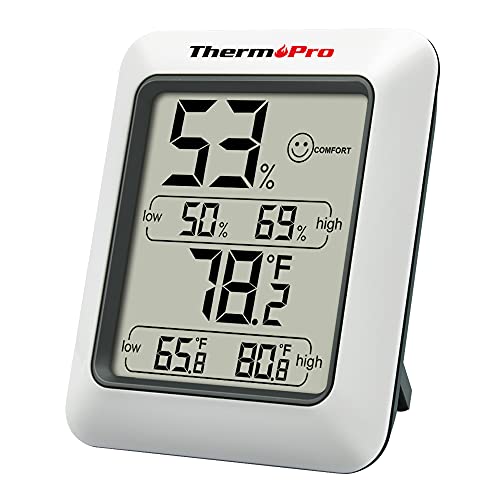
An accurate and user-friendly device designed to measure indoor temperature and humidity levels, helping you maintain optimal living conditions in your home.
FAQs About a Leaking Portable Humidifier
Why Is My Portable Humidifier Leaking From the Bottom?
If your portable humidifier is leaking from the bottom, the issue is often related to improper tank seating, a damaged gasket, or a cracked water reservoir. When the tank does not sit securely on the base, water may escape through the valve system.
A worn or misaligned gasket can also prevent a proper seal. In some cases, mineral buildup interferes with internal components. Carefully inspect the tank, cap, and seals, and ensure everything is clean and properly aligned before reassembling the unit.
Why Does My Humidifier Leave a Puddle?
A humidifier may leave a puddle due to overfilling, condensation, or internal leaks. If the tank is filled beyond the recommended level, excess water can spill during operation. Condensation may also collect on nearby surfaces if the mist output is too high for the room size.
Additionally, cracks or loose components can allow water to drip slowly over time. Make sure the unit is placed on a flat, waterproof surface and adjusted according to the room’s humidity needs.
What To Do If a Humidifier Is Leaking?
If your humidifier is leaking, start by unplugging it and emptying the water tank. Inspect the tank for cracks, check the cap for tightness, and examine the gasket for signs of wear. Clean all components to remove mineral buildup that may interfere with proper sealing.
Ensure the unit is positioned on a level surface. After reassembling, test it with a small amount of water first. If leaking continues, replacement parts or a new unit may be necessary.
How Do I Know If the Gasket of My Humidifier Needs To Be Replaced?
A humidifier gasket may need replacement if you notice persistent leaks despite proper assembly. Signs of wear include cracks, brittleness, flattening, or visible deformation. The gasket should feel flexible and create a tight seal when compressed.
If it appears loose or no longer fits snugly in its groove, it may not prevent water from escaping. Regular inspection during cleaning can help you identify early damage. Replacing a worn gasket is often an inexpensive and effective solution.
Can I Repair a Cracked Water Tank in My Humidifier?
Small cracks in a humidifier’s water tank can sometimes be temporarily sealed with waterproof epoxy or food-safe silicone, but this is usually not a permanent fix. Water pressure and repeated refilling can cause the crack to expand.
In many cases, replacing the tank is the safest and most reliable option. Check with the manufacturer for replacement parts. Attempting makeshift repairs may lead to continued leaking or potential damage to surrounding surfaces.
How Often Should I Clean the Tank and Nozzle of My Humidifier?
It is generally recommended to clean the water tank and nozzle at least once per week, or more often if you use the humidifier daily. Regular cleaning helps prevent mineral buildup, mold growth, and clogging that can interfere with proper operation.
If you use hard water, you may need to clean it more frequently. Empty and dry the tank daily to reduce bacterial growth. Following a consistent cleaning schedule improves performance and reduces the risk of leaks.
What Is the Ideal Water Level for a Humidifier To Avoid Leaks?
The ideal water level is at or slightly below the maximum fill line indicated by the manufacturer. Overfilling can cause water to spill when the tank is turned over or seated on the base. Filling below the recommended level ensures proper valve function and reduces internal pressure.
Always check the fill markings inside or outside the tank. Leaving a small amount of air space at the top allows the unit to operate properly without overflow.
How Do I Ensure Proper Seating of the Water Tank on the Humidifier Base?
To ensure proper seating, align the tank carefully with the base and lower it straight down without tilting. You should feel or hear a slight click or firm contact when it is correctly positioned. Make sure the cap is tightened securely and the gasket is properly seated before placing the tank.
Inspect the base for debris or mineral deposits that could prevent a flush fit. A stable, level surface also helps maintain proper alignment.
What Should I Do If My Humidifier Continues To Leak After Leveling It?
If leveling the humidifier does not stop the leak, inspect the unit for damaged seals, cracks, or faulty valves. Check the tank cap and gasket to ensure they are intact and properly installed. Clean the unit thoroughly to remove mineral buildup that may interfere with sealing.
If all visible components appear intact and the problem persists, the internal mechanism may be defective. In that case, consider contacting the manufacturer or replacing the unit.
How Can I Unclog the Drainage Hole of My Humidifier?
To unclog a drainage hole, first unplug the humidifier and empty the tank. Use a small brush, toothpick, or pipe cleaner to gently remove visible debris. Soaking the affected area in a vinegar and water solution can help dissolve mineral buildup.
Rinse thoroughly afterward to prevent residue. Avoid using sharp metal objects that could damage internal components. Regular cleaning and using distilled water can reduce the likelihood of future clogs.
How Can I Prevent Erosion of My Humidifier’s Components Due to Hard Water?
Hard water contains minerals that can accumulate and gradually wear down internal components. To prevent erosion, use distilled or demineralized water whenever possible. Clean the tank and internal parts regularly to remove mineral deposits before they harden.
You may also consider using a demineralization cartridge if your humidifier supports one. Routine maintenance not only protects internal components but also improves efficiency and reduces the risk of leaks or mechanical failure.
Final Thoughts
A leaking portable humidifier can be frustrating, but in most cases, the problem is simple to identify and fix. Issues such as overfilling, loose or misaligned parts, mineral buildup, cracks in the tank, or improper placement are common and often easy to correct.
By carefully inspecting the unit, cleaning it regularly, and following the manufacturer’s instructions, you can usually stop the leak and restore proper function. Taking these preventive steps not only protects your furniture and floors but also helps your humidifier run more efficiently and last longer.

Written by:
John Landry is a registered respiratory therapist from Memphis, TN, and has a bachelor's degree in kinesiology. He enjoys using evidence-based research to help others breathe easier and live a healthier life.
References
- Byber K, Radtke T, Norbäck D, Hitzke C, Imo D, Schwenkglenks M, Puhan MA, Dressel H, Mutsch M. Humidification of indoor air for preventing or reducing dryness symptoms or upper respiratory infections in educational settings and at the workplace. Cochrane Database Syst Rev. 2021.