
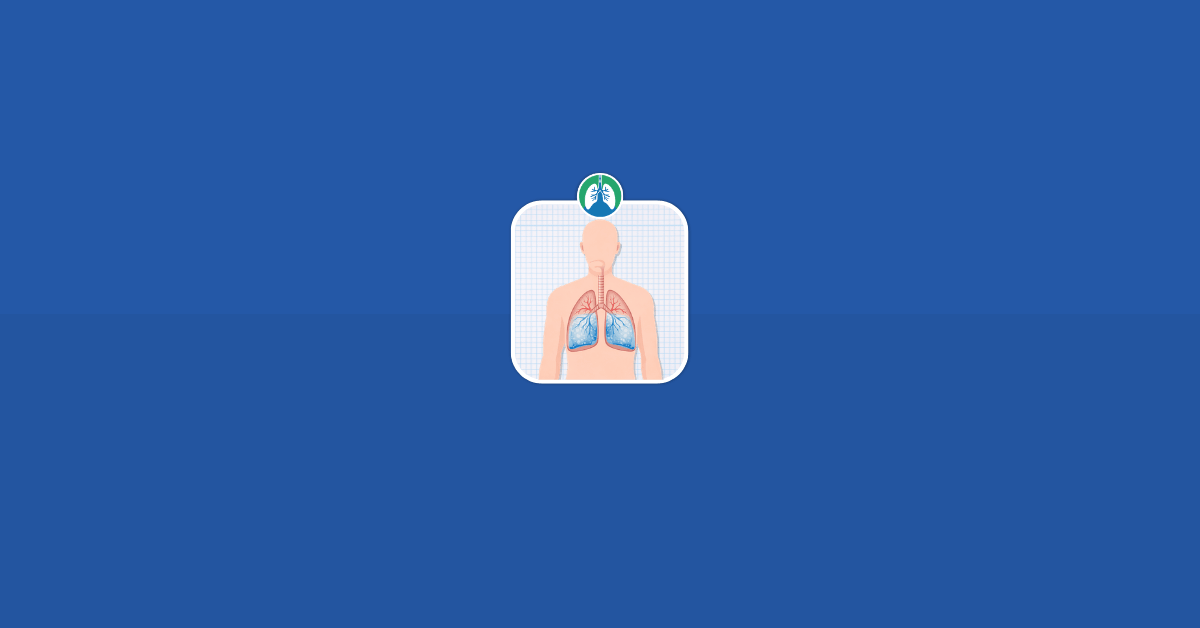
Fluid in the lungs is a condition that can range from mild discomfort to severe respiratory distress, depending on the cause and extent of fluid buildup. It is commonly associated with conditions such as pulmonary edema and pleural effusion, both of which interfere with normal breathing and gas exchange.
While some people may notice only subtle symptoms at first, others experience more obvious and alarming sensations. Understanding what fluid in the lungs feels like can help individuals recognize early warning signs and seek appropriate medical care before the condition worsens.

Download our free guide that has over 100+ of the best tips for healthy lungs.
What Does Fluid in the Lungs Feel Like?
Fluid in the lungs often feels like shortness of breath, as if you cannot get enough air, no matter how deeply you breathe. Many people describe a heavy or tight sensation in the chest, along with a persistent cough that may produce fluid or frothy sputum. Breathing can become more difficult when lying down, leading to the need to sit upright for relief.
You may also notice rapid or labored breathing, fatigue, and reduced ability to perform normal activities. In more severe cases, it can feel like drowning or suffocating, sometimes accompanied by anxiety or panic. These symptoms can range from mild to severe, depending on the cause and amount of fluid present.

Understanding Fluid in the Lungs
To understand how fluid in the lungs feels, it helps to first know what is happening inside the body. The lungs are designed to remain mostly filled with air, allowing oxygen to pass into the bloodstream and carbon dioxide to be removed. When fluid accumulates, it disrupts this process.
Fluid can collect in different areas:
- Inside the alveoli, as seen in pulmonary edema
- In the pleural space, as seen in pleural effusion
Note: Regardless of the location, the result is impaired gas exchange, increased work of breathing, and a range of uncomfortable sensations.
Shortness of Breath
One of the most common and noticeable sensations is shortness of breath. This can feel like:
- Not getting enough air
- Breathing becoming shallow or rapid
- A constant need to take deeper breaths
At first, this may only occur during physical activity. Over time, it can progress to the point where even resting or lying down becomes difficult.
Many people describe it as a feeling of air hunger, where no matter how much they breathe, it still does not feel sufficient. This sensation can be distressing and may worsen at night, especially when lying flat.
A Feeling of Chest Tightness or Pressure
Fluid in the lungs often creates a sensation of tightness or pressure in the chest. This can feel like:
- A heavy weight sitting on the chest
- Compression or squeezing inside the ribcage
- Difficulty expanding the lungs fully
Note: This sensation may be constant or may worsen with deep breaths. In some cases, it can mimic the feeling of other serious conditions, such as heart-related chest pain.
Persistent Cough
Another common symptom is a cough that does not go away. The characteristics of the cough may vary:
- Dry and irritating in early stages
- Productive with fluid or mucus in more advanced cases
In pulmonary edema, the cough may produce frothy sputum, sometimes tinged with pink due to the presence of small amounts of blood. This can be alarming and is often a sign that medical attention is needed.
Note: The act of coughing itself can also worsen discomfort, leading to fatigue and soreness in the chest and throat.
Difficulty Breathing When Lying Down
Many individuals with fluid in the lungs notice that breathing becomes more difficult when lying flat. This is known as orthopnea.
It can feel like:
- Sudden breathlessness shortly after lying down
- Needing multiple pillows to sleep comfortably
- Waking up gasping for air
Note: This occurs because fluid shifts within the body when a person is in a horizontal position, increasing pressure in the lungs and making breathing more challenging.
Rapid or Labored Breathing
As the body struggles to maintain adequate oxygen levels, breathing may become faster and more effortful.
This can feel like:
- Breathing that requires conscious effort
- A sense of working harder just to inhale and exhale
- Noticeable movement of the chest and neck muscles during breathing
Note: In more severe cases, people may feel exhausted simply from the effort of breathing.
Crackling or Bubbling Sensations
Some individuals report unusual sensations or sounds when breathing, including:
- A crackling feeling in the chest
- A bubbling sensation with each breath
These sensations are often due to air moving through fluid-filled spaces in the lungs. Healthcare providers may hear these as crackles or rales when listening with a stethoscope.
While patients may not always consciously feel these sounds, they can sometimes become noticeable, especially during deep breaths.
Fatigue and Weakness
Because fluid in the lungs interferes with oxygen delivery, the entire body can be affected. This often leads to:
- Persistent fatigue
- Reduced physical endurance
- Generalized weakness
Note: Even simple activities, such as walking or climbing stairs, may feel unusually difficult. This is not just due to breathing problems but also because tissues are not receiving enough oxygen.
Anxiety and a Sense of Panic
Difficulty breathing can trigger a strong emotional response. Many people experience:
- Anxiety or restlessness
- A feeling of panic or impending doom
- Difficulty relaxing
Note: This is partly due to the body’s natural response to low oxygen levels. When breathing feels compromised, the brain signals distress, which can intensify the sensation of breathlessness.
Bluish Discoloration (in Severe Cases)
In more advanced cases, fluid in the lungs can lead to reduced oxygen levels in the blood. This may cause:
- A bluish tint to the lips or fingertips
- Cool or clammy skin
Note: While this is more of a visible sign than a sensation, it often accompanies severe symptoms and indicates a need for urgent medical care.
Differences Based on the Underlying Cause
Pulmonary Edema
This type is often linked to heart problems. Symptoms tend to develop quickly and may include:
- Severe shortness of breath
- A feeling of drowning or suffocating
- Frothy sputum
Pleural Effusion
This involves fluid around the lungs rather than inside them. It may feel like:
- Sharp chest pain with breathing
- Reduced ability to take a deep breath
- A dull, heavy sensation on one side of the chest
Note: In some cases, pleural effusion may cause fewer symptoms, especially if the fluid builds up slowly.
How Symptoms Progress Over Time
Fluid in the lungs can develop gradually or suddenly, and the way it feels often changes as the condition progresses.
In early stages:
- Mild shortness of breath
- Occasional coughing
- Slight fatigue
As it worsens:
- Increased breathlessness, even at rest
- More frequent coughing
- Chest tightness and discomfort
In severe cases:
- Extreme difficulty breathing
- Inability to lie flat
- Confusion or agitation due to low oxygen levels
Note: Recognizing this progression is important, as early intervention can prevent serious complications.
When Symptoms May Be Subtle
Not everyone experiences dramatic symptoms right away. In some cases, fluid in the lungs may feel mild or even go unnoticed at first.
Subtle signs can include:
- Slight decrease in exercise tolerance
- Mild breathlessness during routine activities
- Occasional dry cough
Note: Because these symptoms can be mistaken for normal aging or minor illness, the condition may go unrecognized until it becomes more advanced.
The Impact on Daily Life
Fluid in the lungs can significantly affect daily activities and quality of life.
Common challenges include:
- Difficulty performing physical tasks
- Interrupted sleep due to breathing problems
- Reduced ability to concentrate due to fatigue
Note: Over time, these limitations can lead to decreased independence and increased reliance on others for support.
Physical Sensations vs. Emotional Experience
It is important to distinguish between the physical and emotional aspects of the condition.
Physically, people may feel:
- Breathlessness
- Chest discomfort
- Fatigue
Emotionally, they may experience:
- Fear related to breathing difficulty
- Frustration from limited activity
- Anxiety about their health
Note: Both aspects are closely linked, as the sensation of not being able to breathe properly can be one of the most distressing experiences for the human body.
Common Causes of Fluid in the Lungs
Fluid in the lungs does not occur on its own. It is usually the result of an underlying medical condition that disrupts the balance of fluid movement in or around the lungs.
One of the most common causes is heart failure, particularly left-sided heart failure. When the heart cannot effectively pump blood forward, pressure builds up in the pulmonary circulation. This increased pressure pushes fluid out of the blood vessels and into the alveoli, leading to pulmonary edema. In this situation, symptoms often develop gradually but can worsen quickly if the condition is not managed.
Another major cause is infection, such as pneumonia. Infections trigger inflammation in the lung tissue, which increases permeability of the capillaries. This allows fluid, immune cells, and debris to accumulate in the alveoli. The result is not only fluid buildup but also impaired oxygen exchange and increased respiratory effort.
Kidney disease can also contribute to fluid accumulation. When the kidneys are unable to remove excess fluid from the body, it can build up in various tissues, including the lungs. This is often accompanied by swelling in other areas, such as the legs and abdomen.
Liver disease, particularly cirrhosis, can lead to fluid imbalances that contribute to pleural effusion. Changes in pressure and protein levels in the blood can cause fluid to leak into the pleural space.
Other causes include:
- Pulmonary embolism
- Acute respiratory distress syndrome (ARDS)
- Trauma to the chest
- Certain cancers that spread to the lungs or pleura
- High-altitude exposure
- Severe allergic reactions
Note: Each of these conditions can produce slightly different sensations, but they all share the common feature of impaired breathing.
How Fluid in the Lungs Is Diagnosed
When a person presents with symptoms suggestive of fluid in the lungs, healthcare providers use a combination of clinical assessment and diagnostic testing to confirm the condition.
The evaluation typically begins with a physical examination. A provider may listen to the lungs using a stethoscope and detect abnormal sounds such as crackles, which indicate fluid in the alveoli. Diminished breath sounds may suggest fluid in the pleural space.
Imaging plays a central role in diagnosis. A chest X-ray is often the first test performed and can reveal fluid accumulation, lung congestion, or changes in lung structure. In more complex cases, a CT scan provides a more detailed view.
Additional tests may include:
- Ultrasound, particularly useful for detecting pleural effusion
- Arterial blood gas (ABG) analysis to assess oxygen and carbon dioxide levels
- Blood tests to evaluate underlying conditions such as heart or kidney disease
- Echocardiography to assess heart function
Note: In cases of pleural effusion, a procedure called thoracentesis may be performed to remove and analyze fluid. This helps determine the cause and guides treatment.
What It Feels Like During Acute Episodes
When fluid in the lungs develops rapidly, the sensations can become intense and overwhelming.
People often describe a sudden onset of severe shortness of breath that worsens within minutes or hours. It may feel as though breathing is no longer automatic and requires full attention and effort. The chest may feel tight, and each breath may seem insufficient.
In acute pulmonary edema, individuals may experience:
- A feeling of suffocation or drowning
- Rapid breathing that does not relieve the sensation of air hunger
- Persistent coughing, sometimes with pink, frothy sputum
- Sweating and restlessness
Note: These symptoms can escalate quickly and are considered a medical emergency. Immediate treatment is required to restore adequate oxygenation and relieve pressure in the lungs.
What It Feels Like During Chronic Conditions
In contrast, when fluid accumulates slowly over time, the symptoms may be less dramatic but still significantly affect daily life.
Chronic conditions often present with:
- Gradual increase in shortness of breath
- Reduced tolerance for physical activity
- Mild but persistent cough
- Ongoing fatigue
People may adjust to these symptoms without realizing how much their breathing has changed. They may avoid certain activities or unconsciously limit exertion to prevent discomfort.
Over time, however, the condition can worsen, leading to more noticeable breathing difficulties and decreased quality of life.
The Role of Position and Gravity
One of the unique aspects of fluid in the lungs is how body position can influence symptoms.
When a person lies flat, fluid redistributes within the chest, often worsening shortness of breath. This is why many individuals prefer to sleep with their head elevated. Sitting upright or standing may provide temporary relief because gravity helps pull fluid away from the upper portions of the lungs.
Some people experience paroxysmal nocturnal dyspnea, which involves waking up suddenly at night with severe breathlessness. This can be frightening and is often associated with heart-related causes.
How It Affects Oxygen Levels
The primary function of the lungs is to exchange oxygen and carbon dioxide. When fluid interferes with this process, oxygen levels in the blood can drop.
Low oxygen levels may lead to:
- Lightheadedness or dizziness
- Difficulty concentrating
- Confusion in more severe cases
Note: The body may attempt to compensate by increasing breathing rate and heart rate, but these mechanisms are often not enough to fully correct the imbalance.
Treatment and Symptom Relief
The treatment of fluid in the lungs depends on the underlying cause, but the primary goal is to remove excess fluid and improve breathing.
Common treatment approaches include:
- Diuretics, which help remove excess fluid from the body
- Oxygen therapy, to improve oxygen levels in the blood
- Medications to support heart function if heart failure is present
- Antibiotics, if an infection is the cause
In cases of pleural effusion, fluid may be drained using a needle or catheter. For severe pulmonary edema, more advanced interventions such as noninvasive ventilation or mechanical ventilation may be required.
As treatment takes effect, symptoms typically improve. Breathing becomes easier, the sensation of chest tightness decreases, and energy levels begin to return.
When to Seek Medical Attention
It is important to recognize when symptoms require prompt medical evaluation.
Seek immediate care if there is:
- Sudden or severe shortness of breath
- Chest pain or pressure
- Coughing up pink, frothy sputum
- Bluish discoloration of the lips or skin
These signs may indicate a serious or life-threatening condition that requires urgent treatment.
For more gradual symptoms, such as increasing breathlessness or persistent cough, it is still important to consult a healthcare provider to determine the cause and begin appropriate management.
Preventing Complications
While not all cases can be prevented, managing underlying conditions can reduce the risk of fluid buildup in the lungs.
Preventive strategies may include:
- Controlling blood pressure and heart disease
- Managing chronic conditions such as kidney or liver disease
- Following prescribed treatments and medications
- Monitoring for early symptoms and seeking care promptly
Note: Lifestyle factors, such as maintaining a healthy weight and avoiding smoking, also play a role in supporting overall lung and heart health.
Final Thoughts
Fluid in the lungs can create a range of sensations, from mild breathlessness to severe respiratory distress, depending on the cause and severity. Many people describe it as a feeling of not getting enough air, combined with chest tightness, coughing, and fatigue.
In more serious cases, it can feel overwhelming and frightening, especially when breathing becomes difficult even at rest.
Recognizing these symptoms early and understanding their significance can help guide timely medical care. With proper diagnosis and treatment, many cases can be managed effectively, improving both breathing and overall quality of life.

Written by:
John Landry is a registered respiratory therapist from Memphis, TN, and has a bachelor's degree in kinesiology. He enjoys using evidence-based research to help others breathe easier and live a healthier life.
References
- Malek R, Soufi S. Pulmonary Edema. [Updated 2023 Apr 7]. In: StatPearls [Internet]. Treasure Island (FL): StatPearls Publishing; 2026.