
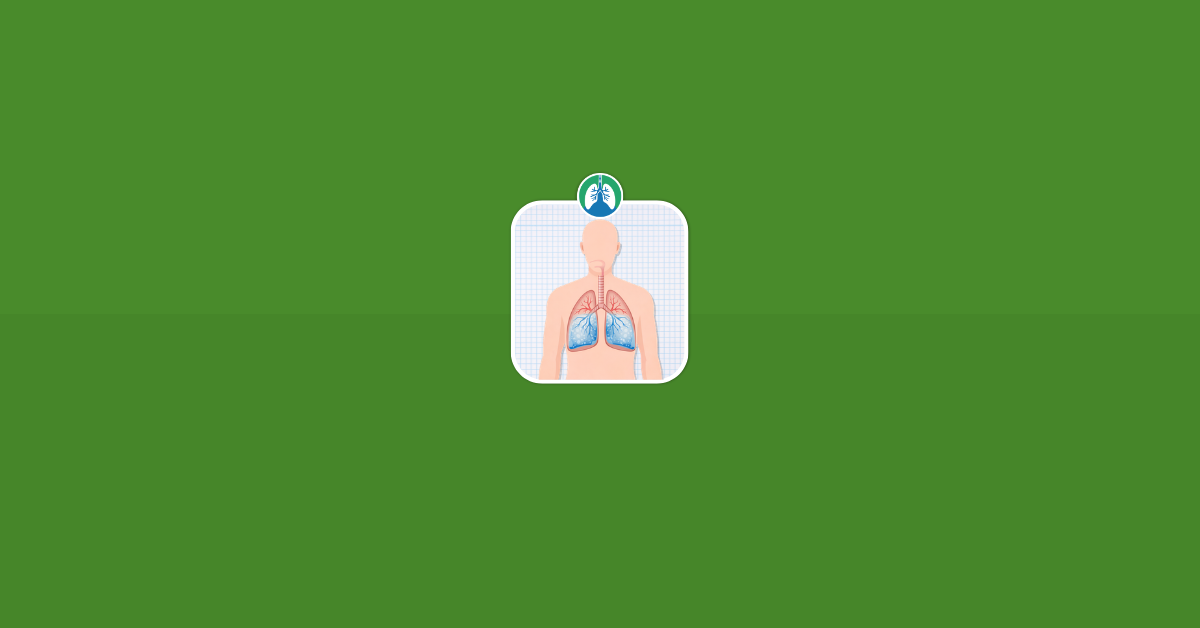
Pneumonia is a common respiratory condition that can range from mild to severe, depending on the cause and the patient’s overall health. One of the most important complications associated with pneumonia is the accumulation of fluid in or around the lungs.
This can significantly affect breathing and gas exchange, leading to symptoms that require prompt medical attention.
Understanding how pneumonia causes fluid buildup, the different types of fluid involved, and the impact on lung function is essential for recognizing the condition and seeking appropriate care.

Download our free guide that has over 100+ of the best tips for healthy lungs.
Can Pneumonia Cause Fluid in the Lungs?
Yes, pneumonia can cause fluid to accumulate in the lungs, and this is a key feature of the condition. When the lungs become infected, the body responds with inflammation, sending immune cells and proteins into the alveoli. This leads to a buildup of fluid, pus, and cellular debris inside the air sacs, which interferes with normal gas exchange.
As a result, oxygen has a harder time entering the bloodstream, causing symptoms such as shortness of breath, coughing, and low oxygen levels. In some cases, pneumonia can also cause fluid to collect in the pleural space around the lungs, known as a pleural effusion. This further restricts lung expansion and can worsen breathing difficulties if not treated promptly.

What Is Pneumonia?
Pneumonia is an infection of the lung tissue, specifically affecting the alveoli, which are the tiny air sacs responsible for gas exchange. It can be caused by bacteria, viruses, fungi, or, in some cases, aspiration of foreign material such as food or gastric contents.
When the lungs become infected, the body responds with inflammation. This inflammatory response is intended to fight off the invading pathogens, but it also leads to changes within the lung tissue that can impair normal function.
In healthy lungs, the alveoli are filled with air and allow oxygen to pass into the bloodstream while carbon dioxide is removed. In pneumonia, this process is disrupted due to inflammation and fluid accumulation within the alveoli.
Can Pneumonia Cause Fluid in the Lungs?
Yes, pneumonia can directly cause fluid to accumulate in the lungs. In fact, this is one of the defining features of the condition. When an infection develops in the alveoli, the immune system sends white blood cells, proteins, and other inflammatory substances to the affected area. As a result, the alveoli begin to fill with fluid, pus, and cellular debris.
This fluid buildup interferes with normal gas exchange. Instead of being filled with air, the alveoli become partially or completely filled with inflammatory fluid, making it harder for oxygen to reach the bloodstream. This is why patients with pneumonia often experience shortness of breath, low oxygen levels, and difficulty breathing.
How Pneumonia Leads to Fluid Accumulation
Inflammatory Response
When pathogens enter the lungs, the immune system activates a cascade of inflammatory signals. Blood vessels in the lungs become more permeable, allowing immune cells and proteins to leak into the alveolar space. While this helps fight infection, it also leads to fluid buildup.
Increased Capillary Permeability
The small blood vessels surrounding the alveoli become “leaky” during inflammation. This allows plasma and proteins to move from the bloodstream into the alveoli. This leakage contributes to the formation of exudative fluid, which is rich in proteins and inflammatory cells.
Accumulation of Pus and Debris
As white blood cells attack the infection, dead cells and bacterial debris accumulate in the alveoli. This mixture forms pus, which further fills the air spaces.
Impaired Fluid Clearance
Normally, the lungs have mechanisms to remove excess fluid. These include the lymphatic system and active transport processes within the alveolar cells. During pneumonia, these mechanisms can become overwhelmed or impaired, leading to further accumulation of fluid.
Types of Fluid Associated With Pneumonia
Fluid related to pneumonia can be found in different areas of the lungs, and each type has distinct characteristics.
Alveolar Fluid (Pulmonary Infiltrates)
This is the most common type of fluid seen in pneumonia. It accumulates directly within the alveoli. This type of fluid is often visible on chest imaging as infiltrates or consolidation. It represents a mixture of inflammatory fluid, bacteria, and immune cells.
Pleural Effusion
In some cases, pneumonia can lead to fluid accumulation in the pleural space, which is the area between the lungs and the chest wall. This condition is known as a pleural effusion. It occurs when inflammation extends to the pleura, causing fluid to build up outside the lungs rather than inside the alveoli.
Note: Pleural effusions can vary in size and may or may not cause symptoms.
Parapneumonic Effusion
A parapneumonic effusion is a specific type of pleural effusion that occurs as a result of pneumonia.
It can be classified into three stages:
- Uncomplicated parapneumonic effusion
- Complicated parapneumonic effusion
- Empyema
Note: An uncomplicated effusion is typically sterile and may resolve with antibiotic treatment. A complicated effusion contains bacteria and may require drainage. Empyema is the most severe form and involves thick pus in the pleural space.
Symptoms of Fluid in the Lungs From Pneumonia
When fluid accumulates in the lungs due to pneumonia, it can cause a range of symptoms that reflect impaired gas exchange and inflammation.
Shortness of Breath
One of the most common symptoms is difficulty breathing. As fluid fills the alveoli, less oxygen is able to enter the bloodstream. Patients may feel like they cannot take a deep breath or may become short of breath with minimal activity.
Cough
A productive cough is common in pneumonia. The cough may bring up sputum that is yellow, green, or even blood-tinged. This sputum reflects the presence of infection and inflammation within the lungs.
Chest Pain
Some patients experience chest pain, especially when taking a deep breath or coughing. This is often due to inflammation of the pleura. This type of pain is referred to as pleuritic chest pain.
Fever and Chills
Because pneumonia is an infection, it is often accompanied by fever, chills, and general malaise. These systemic symptoms indicate that the body is actively fighting an infection.
Fatigue and Weakness
Low oxygen levels and the body’s response to infection can lead to significant fatigue. Patients may feel unusually tired and have difficulty performing normal daily activities.
How Fluid Affects Lung Function
Impaired Gas Exchange
The primary function of the alveoli is to facilitate the exchange of oxygen and carbon dioxide. When fluid fills these air sacs, it creates a barrier that prevents oxygen from reaching the bloodstream. This can lead to hypoxemia, which is a low level of oxygen in the blood.
Decreased Lung Compliance
Fluid accumulation makes the lungs stiffer and less able to expand during inhalation. This decreased compliance increases the work of breathing and contributes to the sensation of shortness of breath.
Ventilation-Perfusion Mismatch
In pneumonia, some areas of the lung are filled with fluid and are not ventilated properly, while blood flow to these areas may remain intact. This mismatch between ventilation and perfusion further reduces the efficiency of gas exchange.
Risk Factors for Developing Fluid in the Lungs From Pneumonia
Not all patients with pneumonia develop significant fluid accumulation. Certain factors increase the risk of more severe disease.
- Advanced Age: Older adults are more susceptible to severe pneumonia and complications such as fluid buildup.
- Chronic Lung Disease: Conditions such as chronic obstructive pulmonary disease can impair the lungs’ ability to clear infections and fluid.
- Weakened Immune System: Patients with compromised immune systems, including those with cancer, HIV, or those taking immunosuppressive medications, are at higher risk.
- Smoking: Smoking damages the lungs and impairs the natural defense mechanisms, making it easier for infections to take hold.
- Recent Illness or Hospitalization: Recent viral infections or prolonged hospital stays can increase the risk of developing pneumonia and associated complications.
Diagnosis of Pneumonia and Fluid in the Lungs
- Physical Examination: Healthcare providers listen to the lungs using a stethoscope. Abnormal sounds such as crackles or decreased breath sounds may indicate fluid.
- Chest Imaging: A chest X-ray or CT scan is commonly used to visualize fluid in the lungs. These imaging studies can show areas of consolidation, infiltrates, or pleural effusion.
- Laboratory Tests: Blood tests can help identify infection and inflammation. Sputum samples may be analyzed to determine the causative organism.
- Pulse Oximetry and Arterial Blood Gases: These tests measure oxygen levels in the blood and help assess the severity of respiratory impairment.
Treatment of Fluid in the Lungs From Pneumonia
Treating fluid in the lungs caused by pneumonia involves addressing both the underlying infection and the resulting complications. The approach depends on the severity of the illness, the type of organism involved, and the patient’s overall health.
Antibiotic Therapy
For bacterial pneumonia, antibiotics are the primary treatment. The choice of antibiotic depends on the suspected or confirmed pathogen, as well as whether the infection was acquired in the community or in a healthcare setting.
Note: Prompt antibiotic treatment helps eliminate the infection, which in turn reduces inflammation and allows the fluid in the alveoli to gradually clear.
Antiviral and Antifungal Medications
If pneumonia is caused by a virus or fungus, specific antiviral or antifungal medications may be required. Not all viral pneumonias require targeted treatment, but severe cases may benefit from antiviral therapy.
Oxygen Therapy
Patients with fluid in the lungs often have reduced oxygen levels. Supplemental oxygen is commonly used to maintain adequate oxygenation. This can be delivered through nasal cannula, face mask, or more advanced devices depending on the severity of the condition.
Fluid Management
While pneumonia leads to fluid in the lungs, maintaining proper hydration is still important. However, excessive intravenous fluids may worsen pulmonary congestion in some patients.
Note: Careful fluid balance is essential, especially in patients with underlying heart or kidney conditions.
Bronchodilators and Supportive Medications
Bronchodilators may be used in some cases to help open the airways and improve airflow. Other supportive treatments may include fever reducers and medications to relieve discomfort.
Treatment of Pleural Effusion and Empyema
When pneumonia leads to fluid accumulation in the pleural space, additional interventions may be necessary.
Thoracentesis
Thoracentesis is a procedure used to remove fluid from the pleural space using a needle. It can be both diagnostic and therapeutic.
Note: Removing fluid can relieve pressure on the lungs and improve breathing.
Chest Tube Drainage
In cases of complicated parapneumonic effusion or empyema, a chest tube may be inserted to continuously drain fluid or pus from the pleural space. This helps prevent further infection and allows the lung to re-expand.
Surgical Intervention
Severe cases of empyema may require surgical treatment, such as video-assisted thoracoscopic surgery or open decortication. These procedures remove infected material and help restore normal lung function.
Complications of Fluid in the Lungs From Pneumonia
If not treated promptly, fluid accumulation due to pneumonia can lead to serious complications.
Respiratory Failure
As fluid fills the alveoli, oxygen levels can drop significantly. In severe cases, the lungs are unable to provide enough oxygen to meet the body’s needs. This may require mechanical ventilation to support breathing.
Sepsis
Pneumonia can lead to sepsis, a life-threatening condition in which the infection spreads throughout the body. Sepsis can cause widespread inflammation, organ dysfunction, and shock.
Lung Abscess
A lung abscess is a localized collection of pus within the lung tissue. It can develop when infection leads to tissue destruction. This condition may require prolonged antibiotic therapy or drainage.
Fibrosis and Scarring
In some cases, severe inflammation can lead to permanent scarring of lung tissue. This scarring can reduce lung function and lead to chronic respiratory problems.
Recovery and Resolution of Fluid
The timeline for recovery from pneumonia and associated fluid buildup varies widely.
Gradual Clearance of Fluid
As the infection resolves, the body begins to clear the fluid from the alveoli. This process can take days to weeks, depending on the severity. Patients may continue to experience mild symptoms during recovery.
Follow-Up Care
Follow-up appointments and imaging studies may be needed to ensure that the infection and fluid have resolved. This is especially important in older adults and patients with risk factors for complications.
Pulmonary Rehabilitation
Some patients benefit from pulmonary rehabilitation, which includes exercises and breathing techniques to improve lung function. This can be particularly helpful for those who experienced severe pneumonia.
Prevention of Pneumonia and Fluid Accumulation
Preventing pneumonia is one of the most effective ways to avoid fluid buildup in the lungs.
- Vaccination: Vaccines are available to protect against common causes of pneumonia, including pneumococcal bacteria and influenza. Staying up to date with recommended vaccinations can significantly reduce the risk.
- Hand Hygiene and Infection Control: Frequent handwashing and avoiding close contact with sick individuals can help prevent respiratory infections.
- Smoking Cessation: Quitting smoking improves lung health and enhances the body’s ability to fight infections.
- Managing Chronic Conditions: Proper management of chronic diseases such as diabetes and heart disease can reduce the risk of severe infections.
When to Seek Medical Attention
It is important to recognize when symptoms may indicate a serious problem.
Seek medical care if you experience:
- Difficulty breathing or shortness of breath
- Persistent high fever
- Chest pain that worsens with breathing
- Confusion or altered mental status
- Symptoms that worsen or do not improve with treatment
Note: Early intervention can prevent complications and improve outcomes.
Final Thoughts
Pneumonia can cause fluid to accumulate in the lungs as part of the body’s response to infection. This fluid, whether within the alveoli or in the pleural space, interferes with normal breathing and gas exchange.
While many cases improve with appropriate treatment, some can progress to serious complications if not addressed in a timely manner.
Understanding how and why this fluid develops, along with recognizing the symptoms, can help guide early intervention. With proper medical care and preventive measures, most patients can recover and regain normal lung function.

Written by:
John Landry is a registered respiratory therapist from Memphis, TN, and has a bachelor's degree in kinesiology. He enjoys using evidence-based research to help others breathe easier and live a healthier life.
References
- Jain V, Vashisht R, Yilmaz G, et al. Pneumonia Pathology. [Updated 2023 Jul 31]. In: StatPearls [Internet]. Treasure Island (FL): StatPearls Publishing; 2026.