
Learn about Maximum Inspiratory Pressure (MIP), how it’s measured, normal values, and its role in assessing respiratory muscle strength.
John Landry, BS, RRT
John Landry is a registered respiratory therapist from Memphis, TN, and has a bachelor’s degree in kinesiology. He enjoys using evidence-based research to help others breathe easier, live healthier, and improve their overall quality of life.

Pulse Oximetry: A Guide to Monitoring Oxygen Saturation
Learn how pulse oximetry works, its clinical uses, normal ranges, limitations, and how to interpret SpO₂ accurately in patient care.
Nasotracheal Suctioning: Indications, Procedure, and Risks
Learn nasotracheal suctioning, including indications, steps, risks, and prevention strategies for safe and effective airway clearance.
Nasopharyngeal Airway: Clinical Overview and Indications
Learn the indications, sizing, insertion, and complications of the nasopharyngeal airway for effective airway management in clinical care.
Oropharyngeal Airway: Uses, Indications, and Risks (2026)
Learn how to use an oropharyngeal airway, including indications, sizing, insertion techniques, and risks in airway management.
Fluid Overload: Clinical Signs, Causes, and Treatment (2026)
Learn fluid overload causes, symptoms, diagnosis, and treatment, including pulmonary edema, hemodynamics, and respiratory care management.
Chest Tube: Clinical Guide to Placement and Management
Learn chest tube indications, placement, drainage systems, complications, and management for safe and effective patient care.
Spontaneous Breathing Trial (SBT): Guide to Weaning Success
Learn how a spontaneous breathing trial (SBT) assesses readiness for ventilator weaning and safe extubation in clinical practice.
Ventilator Circuit Management and Infection Control (2026)
Learn how to manage ventilator circuits, prevent contamination, and reduce infection risk in mechanically ventilated patients.
Transillumination in Neonates for Pneumothorax Detection
Learn how transillumination helps detect pneumothorax in neonates using a simple bedside light-based assessment technique.
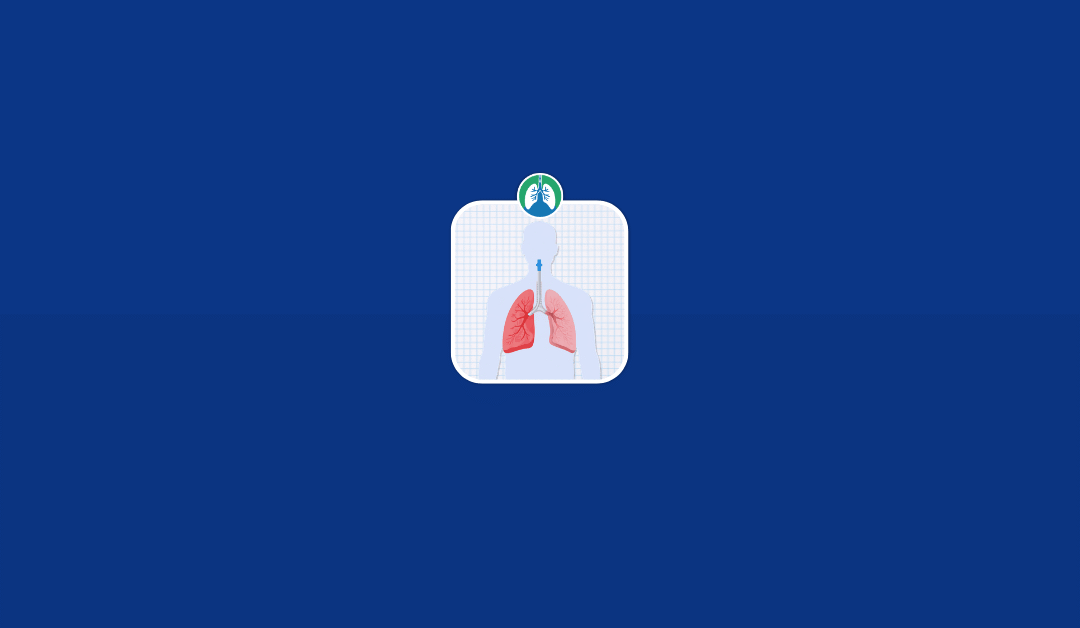
Right Mainstem Intubation: Recognition and Management (2026)
Right mainstem intubation: causes, signs, diagnosis, and management to prevent hypoxemia and lung injury in ventilated patients.
Reversible vs. Fixed Airway Obstruction in Spirometry (2026)
Learn spirometry interpretation and bronchodilator response to identify reversible vs fixed airway obstruction and guide diagnosis.
Endotracheal Tube Cuff Pressure in Mechanical Ventilation
Learn safe endotracheal tube cuff pressure management, risks, monitoring methods, and best practices for mechanically ventilated patients.

Can Albuterol Cause a Rash? Symptoms and Risks (2026)
Learn if albuterol can cause a rash, why it happens, and when a skin reaction may signal an allergic response requiring medical attention.

Does Vaping Age You? Effects on Skin and Health (2026)
Learn how vaping may accelerate aging, damage skin, and impact your health, including effects on wrinkles, elasticity, and overall vitality.
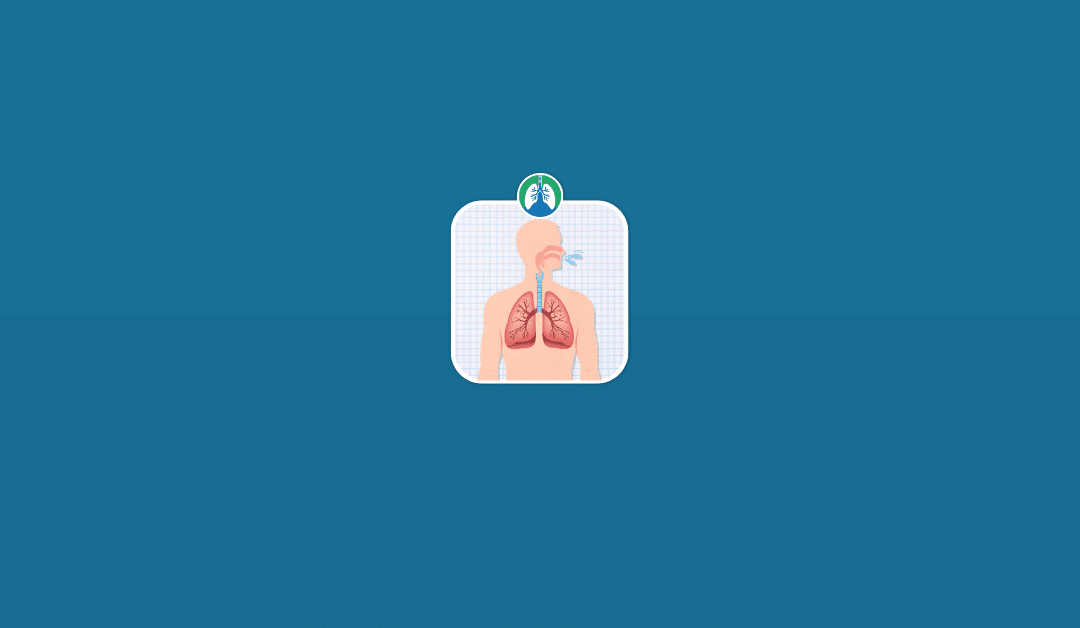
Chronic Cough: Causes, Symptoms, and Treatment (2026)
Learn what causes chronic cough, common symptoms, and effective treatment options to find relief and improve your quality of life.
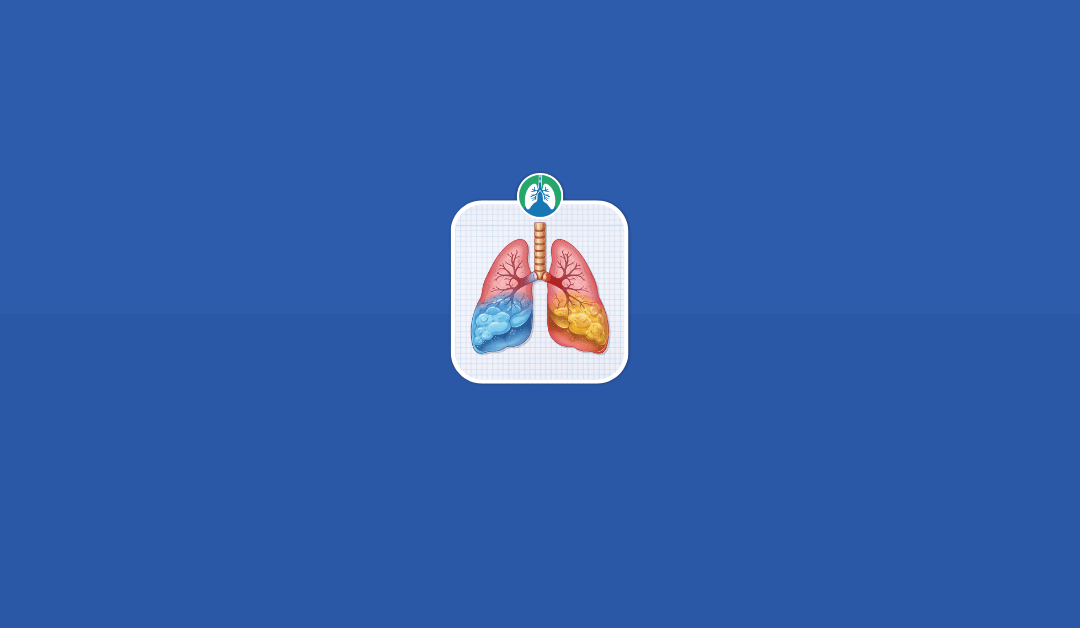
Pulmonary Edema vs. Pneumonia: What’s the Difference? (2026)
Learn the key differences between pulmonary edema and pneumonia, including causes, symptoms, diagnosis, and treatment options.
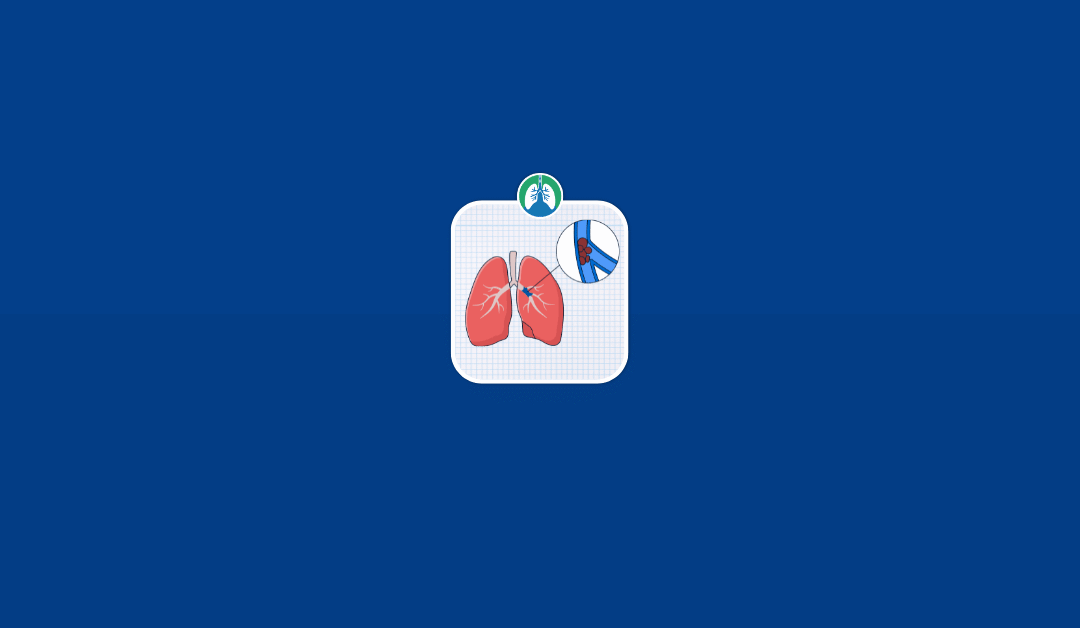
What Is the Recovery Time for Blood Clots in the Lungs?
Learn how long it takes to recover from a blood clot in the lungs, including timeline, symptoms, and key factors that affect healing.
Top Mistakes to Avoid on the Clinical Simulation Exam (CSE)
Learn the most common mistakes to avoid on the Clinical Simulation Exam (CSE) to improve your score and pass on your first or next attempt.
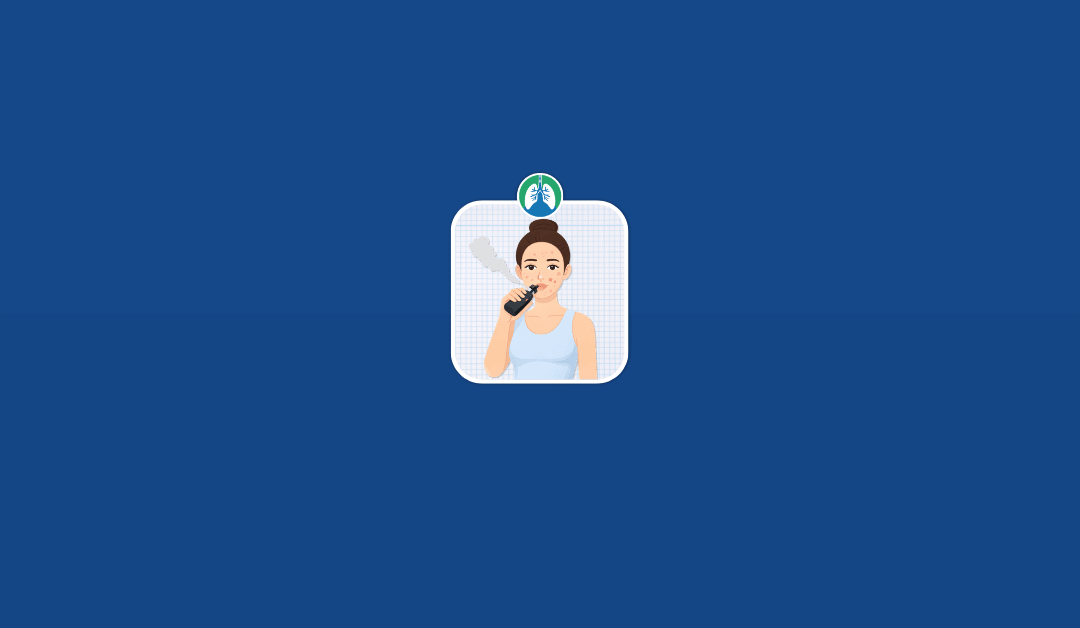
Does Vaping Cause Acne? (2026)
Learn whether vaping causes acne, how it affects your skin, and why it may worsen breakouts and slow the healing process.