Learn about noninvasive ventilation (NIV), its types, benefits, applications, and how it supports patients with respiratory conditions.


John Landry is a registered respiratory therapist from Memphis, TN, and has a bachelor’s degree in kinesiology. He enjoys using evidence-based research to help others breathe easier, live healthier, and improve their overall quality of life.

Learn about noninvasive ventilation (NIV), its types, benefits, applications, and how it supports patients with respiratory conditions.
Learn about the National Board for Respiratory Care (NBRC), its credentials, exams, and standards for respiratory care.
Learn what nasal flaring means, what causes it, and how it helps identify increased work of breathing and respiratory distress.
Learn how mixed venous oxygen saturation (SvO₂) reflects oxygen delivery, tissue demand, cardiac output, and overall perfusion.
Learn how the Modified Borg Dyspnea Scale (MBS) measures breathlessness, including scoring, clinical uses, and interpretation.
Learn when to worry about lung nodules, which warning signs matter, and what tests or follow-up your doctor may recommend.
Learn what a spiculated lung nodule means, possible causes, cancer risk, symptoms, testing, and when to seek medical care.
Learn what a ground glass lung nodule means, possible causes, cancer risk, symptoms, testing, and follow-up options.
Use this lung nodule size chart to learn what different measurements may mean, including follow-up, testing, and cancer risk.
Learn when lung nodule removal may be needed, how surgery is performed, what recovery is like, and what biopsy results can reveal.
Learn why a lung nodule is not always cancer, what benign causes are common, and when follow-up testing may be needed.
Learn whether lung nodules can go away on their own, why some disappear, and when follow-up testing may still be needed.
Learn why a PET scan may be used for a lung nodule, what results can mean, and when follow-up testing may be needed.
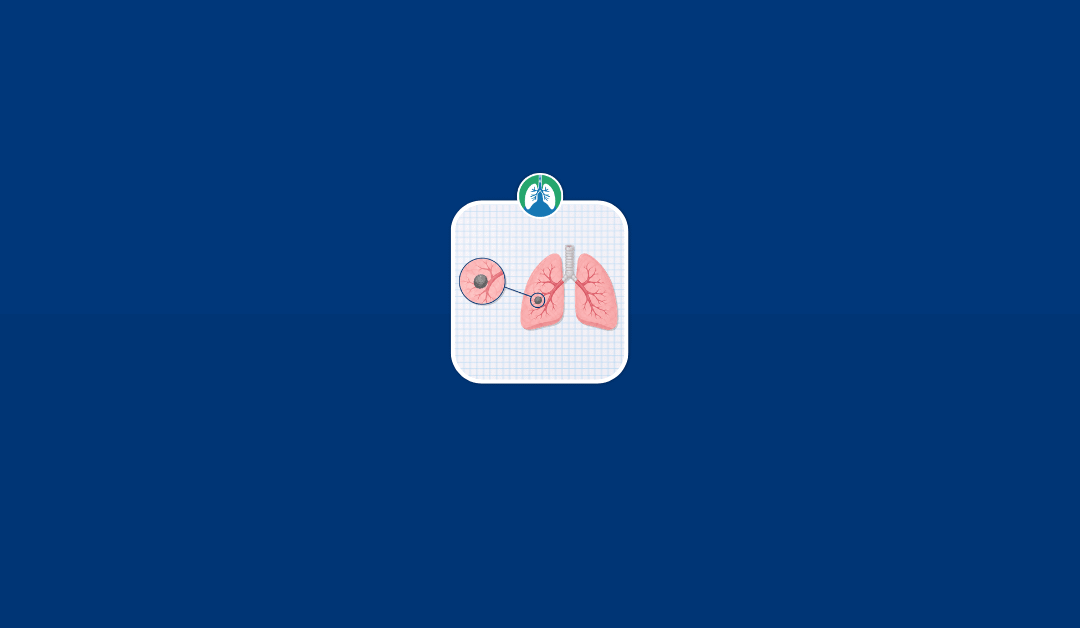
Learn about lung nodules, including common causes, types, symptoms, cancer risk, diagnosis, follow-up, and treatment options.

Learn what common lung sounds, such as wheezing, crackles, and rhonchi, may mean, including possible causes and warning signs.
Learn how muscular dystrophy affects breathing, cough strength, airway clearance, and the need for respiratory support.
Learn what a mucus plug in the lungs is, including causes, symptoms, airway obstruction risks, ventilator signs, and treatment options.
Learn what minute ventilation is, how to calculate it, and why it matters for CO₂ removal, ventilator settings, and patient care.

Learn about methylxanthines in respiratory care, including theophylline, caffeine, clinical uses, side effects, and toxicity risks.
Learn what mandatory minute ventilation (MMV) is, how this mode works, and why it helps support weaning while preventing hypoventilation.