
The lungs are remarkable organs that work tirelessly to deliver oxygen to the body and remove carbon dioxide with every breath you take. Because they are constantly exposed to pollutants, infections, smoke, and environmental toxins, many people wonder whether the lungs have the ability to heal after damage occurs.
The good news is that the lungs do have some natural capacity to repair and regenerate, but the extent of recovery often depends on the type and severity of injury, as well as lifestyle factors such as smoking, air quality, and overall health.
Understanding how the lungs repair themselves can help you make informed decisions to protect and support your respiratory system.

Download our free guide that has over 100+ of the best tips for healthy lungs.
Can the Lungs Repair Themselves?
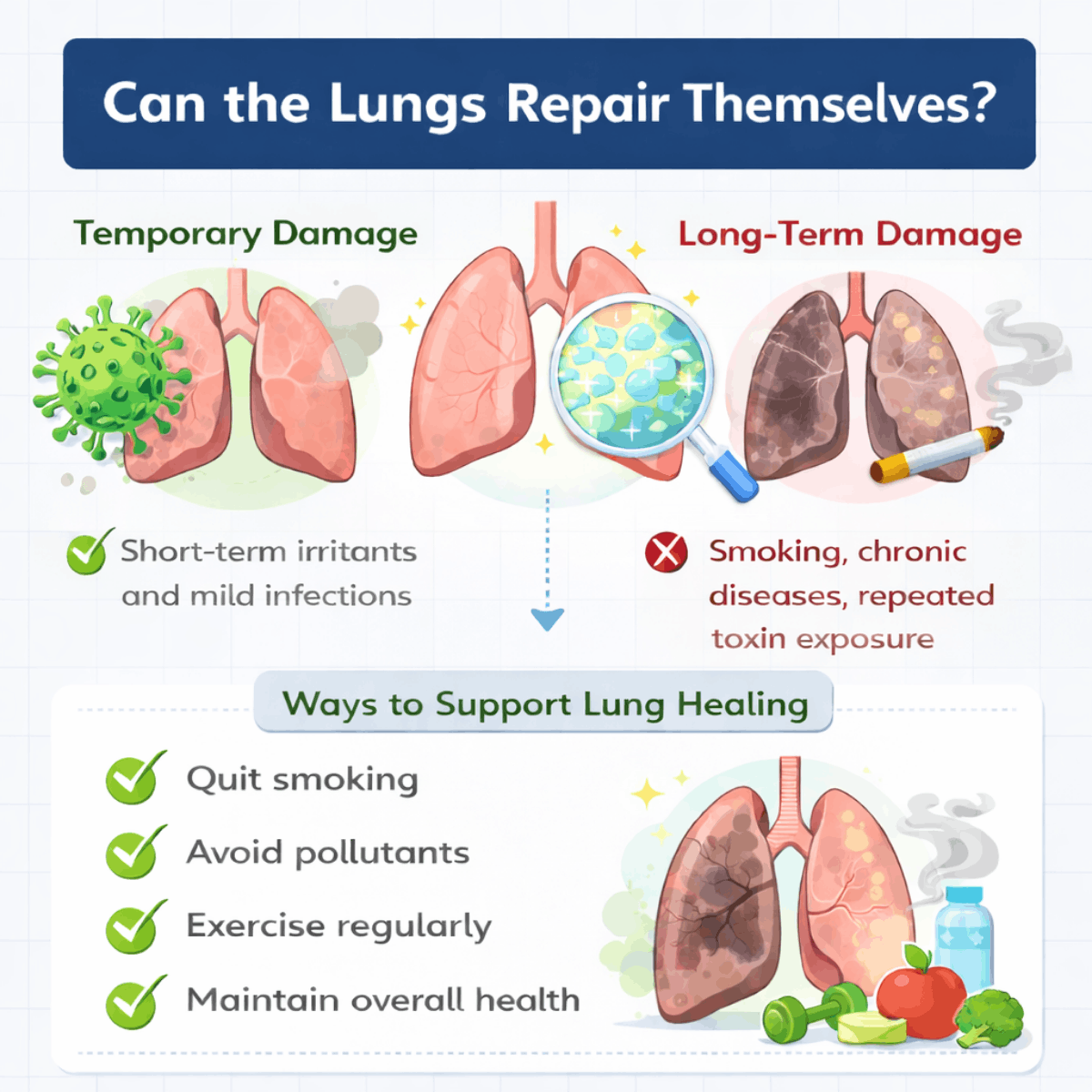
Yes, the lungs have a natural ability to repair themselves, but the extent of healing depends on the type, severity, and duration of damage. The respiratory system contains specialized cells that help regenerate lung tissue and maintain airway function after mild injury, infection, or short-term exposure to irritants.
For example, inflammation from respiratory infections or temporary exposure to pollutants often improves once the underlying cause is removed. However, long-term damage caused by smoking, chronic diseases, or repeated toxin exposure can lead to permanent structural changes, such as scarring or loss of elastic lung tissue.
While complete regeneration is not always possible, quitting smoking, avoiding pollutants, exercising regularly, and maintaining overall health can support lung function and improve the body’s natural healing processes.
How Lungs Repair Themselves
Your lungs rely on built-in repair systems that respond to injury, infection, and daily wear. These systems work at tissue, cellular, and stem cell levels to restore structure and function when damage stays within certain limits.
Natural Healing Processes
Your lungs start repair by reducing inflammation and clearing debris from airways and air sacs. Immune cells remove pathogens, dead cells, and inhaled particles so healing can begin without obstruction.
Blood vessels in lung tissue increase local blood flow, which delivers oxygen and nutrients to damaged areas. This response supports tissue repair and limits further injury. You also produce mucus and activate cilia to move trapped particles out of the airways. This mechanical cleanup reduces ongoing irritation.
Key natural processes include:
- Inflammation control to prevent excessive tissue damage
- Edema reduction to restore airflow
- Reinforcement of the epithelial barrier lining the airways
Note: These steps restore basic lung stability before deeper repair begins.
Cellular Regeneration
Your lung cells replace damaged or dead cells through controlled division. Epithelial cells lining the airways and alveoli regenerate to maintain gas exchange and barrier function. Type II alveolar cells play a central role. They divide to replace themselves and transform into type I alveolar cells, which form the thin surface needed for oxygen transfer.
This regeneration stays precise. Your body limits cell growth to avoid scarring or abnormal tissue formation.
Cellular repair focuses on:
- Restoring alveolar surface area
- Rebuilding tight junctions between cells
- Reestablishing normal lung elasticity
Note: When damage remains mild to moderate, this process can return lung function close to baseline.
Role of Stem Cells
Your lungs contain resident stem and progenitor cells that activate after injury. These cells live in specific regions, such as airway basal layers and alveolar niches. When triggered, stem cells divide and specialize into needed lung cell types. This ability supports repair when mature cells cannot regenerate fast enough.
Stem cell activity depends on signals from surrounding tissue, oxygen levels, and growth factors. Proper signaling ensures organized repair rather than scar formation.
Stem cells contribute by:
- Replacing lost epithelial cells
- Supporting long-term tissue maintenance
- Coordinating repair across different lung regions
Note: Their role becomes especially important after repeated injury or infection.
Factors Influencing Lung Regeneration
Your lungs can repair some damage, but the pace and extent of recovery depend on personal and environmental factors. Age, exposures you encounter, and your genetic makeup shape how effectively lung tissue heals.
Impact of Age
Age strongly affects how well your lungs repair themselves. In younger adults, airway lining cells and supporting structures replace damaged tissue more efficiently. You tend to clear inflammation faster, which limits scarring and preserves airflow.
As you age, cell turnover slows and stem cell activity declines. This reduces your lungs’ ability to rebuild delicate alveoli after injury. Blood flow to lung tissue may also decrease, which limits oxygen and nutrient delivery during repair.
Age-related conditions can interfere as well. Chronic diseases, reduced physical activity, and weaker immune responses increase the risk of incomplete healing. You may still see improvement, but recovery often takes longer and leaves more lasting changes.
Environmental Exposures
What you breathe has a direct effect on lung regeneration. Clean air supports repair, while repeated irritation disrupts healing and promotes chronic inflammation. Smoking remains the most damaging exposure because it injures airway cells and impairs immune defenses.
Common harmful exposures include:
- Tobacco smoke, including secondhand smoke
- Air pollution, especially fine particulate matter
- Occupational hazards, such as silica or asbestos
Note: If you reduce or eliminate these exposures, your lungs regain some capacity to repair themselves. Inflammation decreases, mucus clearance improves, and surviving cells function more normally. Continued exposure, even at low levels, can block repair and shift damage toward permanent scarring.
Genetic Predispositions
Your genes influence how your lungs respond to injury and repair. Some genetic variants support stronger antioxidant defenses, which protect lung cells during inflammation. Others affect how quickly cells divide and differentiate after damage.
Inherited conditions can limit repair from the start. For example, alpha-1 antitrypsin deficiency reduces protection against enzyme-related tissue breakdown. This makes it harder for your lungs to recover, even with minimal exposure to irritants.
Genetics also shape immune responses. If your immune system overreacts, it may cause excessive inflammation and scarring. If it underreacts, damaged tissue may persist. You cannot change these traits, but early detection and targeted treatment can reduce their impact.
Effects of Smoking and Vaping on Lung Recovery
Smoking and vaping affect how well your lungs heal after injury. Some changes improve after exposure stops, while others persist and shape long-term lung function.
Reversibility of Lung Damage
When you stop smoking, your lungs can reverse inflammation, excess mucus, and impaired cilia movement. Cilia begin to beat more effectively, which improves airway clearance and reduces infection risk.
Structural damage shows limits. Emphysema, which destroys alveolar walls, does not regenerate. Airway remodeling from chronic bronchitis may partially improve, but scarring often remains.
Vaping delivers fewer combustion toxins, yet it still exposes your lungs to aerosolized chemicals that irritate airways. Evidence shows reversible inflammation after cessation, but data on long-term structural recovery remains limited.
Note: Your age, total exposure, and existing disease strongly influence how much healing occurs.
Timeline for Improvement
You may notice early changes within days to weeks after stopping smoking or vaping. Airway irritation decreases, and coughing often lessens as mucus production drops.
Within 1–3 months, cilia function improves, helping clear debris and microbes. Lung inflammation continues to decline, which can reduce shortness of breath during daily activity.
By 6–12 months, many people see measurable gains in lung function tests, especially if damage remained mild. Exercise tolerance often improves.
Note: Severe or long-term exposure slows progress. Vaping-related recovery timelines remain less defined, but symptom improvement often follows a similar early pattern after cessation.
Long-Term Consequences
Continued smoking prevents recovery and accelerates chronic obstructive pulmonary disease (COPD) progression. Even after quitting, existing COPD can persist, though the rate of decline slows. You retain a higher risk of lung cancer for years after smoking cessation, but the risk decreases steadily over time. Quitting earlier produces greater risk reduction.
Long-term vaping consequences remain under study. Current evidence links ongoing use to chronic airway irritation and potential immune changes, which may impair healing. Sustained abstinence, vaccinations, and pulmonary rehabilitation support better long-term lung function and help preserve the recovery you achieve.
Lung Repair After Illness and Injury
Your lungs can restore structure and function after damage, but recovery depends on the cause, severity, and your health during healing. Infections, viral inflammation, and physical injury each trigger different repair processes with distinct timelines and limits.
Recovery from Pneumonia
After pneumonia, your lungs focus on clearing fluid, debris, and inflammatory cells from the air sacs. You usually regain normal oxygen exchange as swelling resolves and the alveoli reopen. Mild cases often heal within weeks, while severe pneumonia can take months. During recovery, you may notice lingering cough or shortness of breath with exertion.
Key factors that support repair include:
- Complete antibiotic or antiviral treatment
- Adequate rest and hydration
- Gradual return to physical activity
Note: Smoking, poor nutrition, or chronic lung disease can slow healing. In some cases, scarring called fibrosis develops, which can permanently reduce lung capacity.
Healing Post COVID-19
COVID-19 can injure lung tissue through intense inflammation and immune responses. Your lungs attempt repair by regenerating epithelial cells and restoring the air–blood barrier. Many people recover lung function within 3 to 6 months. You may still experience fatigue or breathlessness during this period, especially after moderate exertion.
Recovery varies based on illness severity:
- Mild infection: Minimal lasting damage
- Severe pneumonia or ARDS: Higher risk of scarring
Note: Pulmonary rehabilitation, breathing exercises, and controlled activity help improve endurance. Follow-up imaging or lung function tests may track healing if symptoms persist.
Repair After Physical Trauma
Blunt or penetrating chest injuries can damage lung tissue, blood vessels, or the pleura. Your lungs repair small tears by sealing air leaks and reabsorbing blood or fluid. Simple injuries, such as minor contusions, often heal within weeks. More complex trauma may require chest tubes or surgery to allow proper repair.
Healing depends on:
- Extent of tissue damage
- Presence of infection
- Effective pain control for deep breathing
Note: Pain can limit lung expansion, which increases the risk of pneumonia. Early mobilization and breathing exercises support full recovery and prevent long-term complications.
Supporting Lung Healing
You can support lung repair by reducing ongoing damage, supplying key nutrients, and improving airflow efficiency. Daily choices influence inflammation, tissue recovery, and how well your lungs adapt after injury or illness.
Lifestyle Modifications
You protect lung tissue most by eliminating exposure to irritants. If you smoke, quitting remains the single most effective step, as smoke directly slows cilia function and impairs immune defense. Avoid secondhand smoke and limit time in polluted or dusty environments when possible.
You also benefit from controlling indoor air quality. Use proper ventilation when cooking, reduce mold and dampness, and avoid burning candles or incense regularly. These steps lower chronic airway irritation.
Sleep supports repair through hormone regulation and immune balance. Aim for consistent sleep schedules and treat sleep apnea if present. You also reduce lung strain by managing conditions like asthma, reflux, and chronic sinus disease that can worsen airway inflammation.
Nutrition and Supplements
You support lung healing by eating foods that reduce inflammation and provide building blocks for tissue repair. Focus on fruits and vegetables rich in vitamin C, carotenoids, and polyphenols, such as citrus, berries, leafy greens, and peppers. These nutrients help counter oxidative stress in lung tissue.
Protein intake matters. Adequate protein supports immune cell production and tissue maintenance, especially during recovery from infection or surgery. Include lean meats, fish, eggs, legumes, or dairy based on your diet.
Some supplements help specific deficiencies but do not replace diet. Vitamin D supports immune regulation, especially if levels run low. Omega‑3 fatty acids may modestly reduce airway inflammation. Use supplements carefully and avoid high doses without medical guidance.
Role of Exercise
You improve lung function by staying physically active. Aerobic exercise increases breathing depth and efficiency, which helps keep airways open and improves oxygen exchange. Walking, cycling, and swimming all support these effects when done regularly.
Exercise also strengthens respiratory muscles. Stronger diaphragm and chest muscles reduce breathlessness during daily tasks. Start slowly if you have lung disease and increase intensity based on tolerance.
Breathing-focused activities add benefit. Controlled breathing, pursed-lip breathing, and yoga-based techniques improve ventilation and reduce air trapping. You gain the most benefit by exercising consistently, even at moderate intensity, rather than pushing to exhaustion.
Medical Interventions for Lung Repair
Medical care can limit damage, support healing, and restore function when your lungs cannot recover on their own. Treatments range from medications that reduce inflammation to advanced procedures that replace or support failing tissue.
Pharmacological Treatments
Medications play a central role in helping your lungs stabilize and recover. Corticosteroids reduce airway and tissue inflammation, which can prevent further injury in conditions such as asthma, hypersensitivity pneumonitis, or acute flare-ups of interstitial lung disease.
Bronchodilators relax airway muscles, improve airflow, and reduce breathlessness, especially if you have chronic obstructive pulmonary disease. When scarring threatens lung function, antifibrotic drugs like pirfenidone or nintedanib can slow the progression of fibrosis, even though they do not reverse existing scars.
Doctors also use antibiotics, antivirals, or antifungals to clear infections that block recovery. In selected cases, mucolytics thin thick secretions so your lungs can clear debris more effectively.
Advanced Therapies
Some treatments focus on improving how your lungs function rather than directly repairing tissue. Pulmonary rehabilitation combines supervised exercise, breathing techniques, and education to increase oxygen efficiency and reduce symptoms.
Long-term oxygen therapy supports damaged lungs by keeping blood oxygen levels stable, which helps protect other organs. If breathing muscles weaken, noninvasive ventilation can reduce strain and allow injured lung tissue time to heal.
Emerging approaches target specific immune pathways. Biologic therapies, used mainly for severe asthma, block molecules like IgE or interleukins that drive chronic inflammation. Research into cell-based and regenerative therapies continues, but these options remain experimental and are not standard care.
Lung Transplantation
When lung damage becomes irreversible and life-limiting, transplantation may offer a path forward. You may qualify if severe disease persists despite maximal medical treatment and significantly restricts daily activities.
A transplant replaces one or both lungs with donor organs, restoring oxygen exchange and exercise capacity. The procedure carries serious risks, including infection, rejection, and long-term side effects from immune-suppressing drugs.
After surgery, you must commit to lifelong monitoring, strict medication adherence, and regular testing. While transplantation does not cure the underlying disease process, it can provide years of improved breathing and functional independence.
FAQs About the Lungs’ Ability to Repair Themselves
How Long Does It Take for Damaged Lungs to Heal?
The time it takes for damaged lungs to heal depends on the type and severity of the injury, as well as a person’s overall health and lifestyle. Mild irritation or inflammation may improve within days or weeks once the irritant is removed.
However, more serious damage, such as that caused by chronic lung disease, infections, or long-term exposure to harmful substances, can take months or may not fully heal.
Note: The lungs have some regenerative ability, but recovery often requires medical treatment, smoking cessation, and healthy lifestyle changes.
Can Lungs Heal After Years of Smoking Damage?
Yes, lungs can begin to heal after years of smoking damage, especially once smoking stops. The lungs gradually clear mucus and trapped toxins, and lung function may improve over time. Within months, inflammation often decreases, and breathing may become easier.
However, permanent damage, such as emphysema or chronic obstructive pulmonary disease (COPD), cannot be fully reversed. Even so, quitting smoking significantly slows disease progression and reduces the risk of lung cancer, heart disease, and other serious health complications.
Can Lung Damage From Smoking Be Reversed?
Some lung damage from smoking can partially improve, but complete reversal is usually not possible if structural damage has occurred. The lungs can repair irritated tissues and improve function once exposure to smoke ends.
Cilia, which help clear mucus and debris, often recover within months. However, damage to the alveoli and airways seen in conditions like emphysema is typically permanent. Despite this, quitting smoking remains one of the most effective ways to protect remaining lung function and improve overall respiratory health.
Can Lungs Heal After Vaping?
Lungs can recover after vaping, particularly if the habit is stopped early. Vaping exposes the lungs to chemicals that may cause inflammation, irritation, and, in some cases, serious lung injury. When vaping stops, inflammation often decreases, and respiratory symptoms such as coughing and shortness of breath may improve.
However, long-term effects of vaping are still being studied, and repeated exposure may cause lasting damage. Avoiding vaping and other inhaled irritants gives the lungs the best chance to recover and maintain healthy function.
How Can You Keep Your Lungs Healthy?
Keeping your lungs healthy involves avoiding harmful substances and maintaining healthy habits. Not smoking or vaping is the most important step. Regular exercise strengthens respiratory muscles and improves lung capacity.
Eating a balanced diet rich in antioxidants supports tissue repair and immune function. Staying up to date on vaccinations helps prevent respiratory infections. Minimizing exposure to air pollution, using protective equipment when necessary, and practicing good hygiene can also protect lung health and reduce the risk of chronic respiratory diseases.
Final Thoughts
The lungs possess a remarkable ability to repair and maintain themselves, especially when damage is mild or temporary. While certain injuries and illnesses can heal over time, severe or long-term damage may lead to lasting changes that cannot be fully reversed.
Fortunately, adopting healthy habits such as avoiding smoking, minimizing exposure to air pollutants, staying physically active, and maintaining proper nutrition can significantly support lung health and improve overall respiratory function.
Written by:
John Landry is a registered respiratory therapist from Memphis, TN, and has a bachelor's degree in kinesiology. He enjoys using evidence-based research to help others breathe easier and live a healthier life.
References
- Kotton DN, Morrisey EE. Lung regeneration: mechanisms, applications and emerging stem cell populations. Nat Med. 2014.