
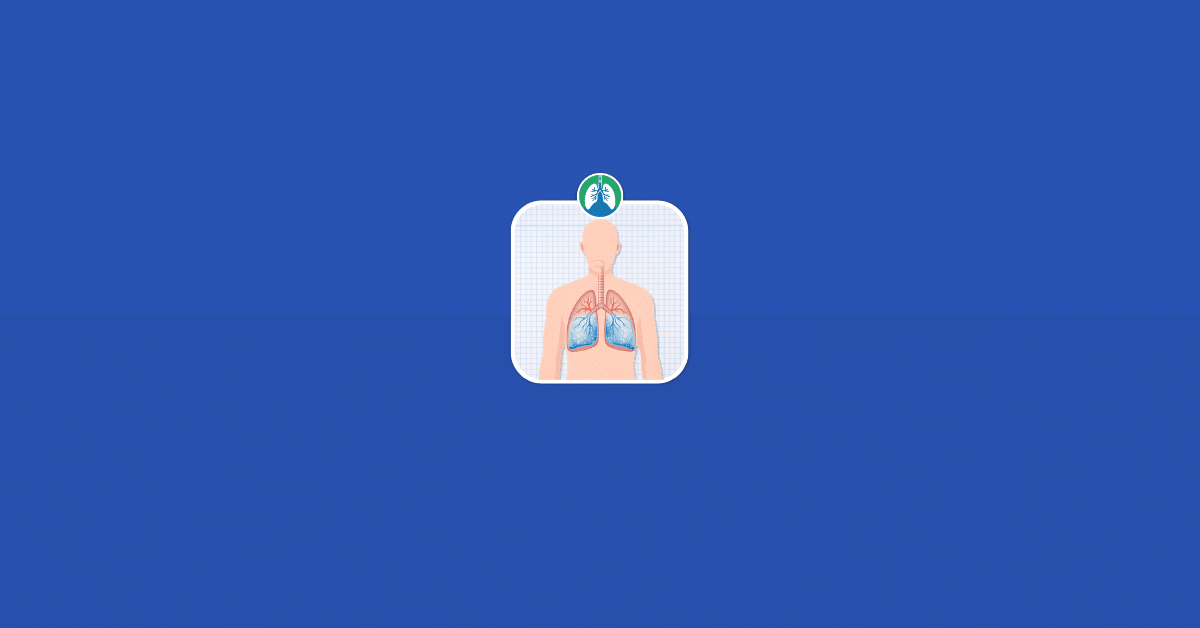
Fluid in the lungs is a serious medical issue that interferes with normal breathing and gas exchange. Under healthy conditions, the lungs remain relatively dry to allow oxygen to move efficiently into the bloodstream.
When fluid accumulates, this process becomes impaired, leading to symptoms such as shortness of breath, coughing, and reduced oxygen levels.
This condition can develop for several different reasons, ranging from heart problems to infections or injuries. Understanding the underlying causes is essential for identifying the condition early and guiding appropriate treatment.

Download our free guide that has over 100+ of the best tips for healthy lungs.
What Are the Primary Causes of Fluid in the Lungs?
The primary causes of fluid in the lungs are typically grouped into cardiogenic and non-cardiogenic factors. Cardiogenic causes are most common and result from left-sided heart failure, where increased pressure in the pulmonary circulation forces fluid into the alveoli. Other heart-related issues, such as valvular disease or a recent heart attack, can also contribute.
Non-cardiogenic causes involve increased permeability of the alveolar-capillary membrane, allowing fluid to leak into lung tissue. These include conditions such as acute respiratory distress syndrome, pneumonia, aspiration, and inhalation of toxic substances.
Additionally, kidney failure, fluid overload, and low protein levels in the blood can disrupt fluid balance and lead to accumulation in the lungs.

What Does “Fluid in the Lungs” Mean?
Fluid in the lungs is a general term that can refer to several related conditions, most commonly pulmonary edema and pleural effusion.
Pulmonary edema occurs when fluid accumulates inside the alveoli, which are the tiny air sacs responsible for gas exchange. This directly interferes with oxygen uptake and is often associated with heart-related problems.
Pleural effusion, on the other hand, involves fluid buildup in the pleural space, which is the area between the lungs and the chest wall. While this does not always affect gas exchange immediately, it can compress the lungs and make breathing more difficult.
Note: Both conditions can occur independently or at the same time, depending on the underlying cause.
Cardiogenic Causes (Heart-Related)
One of the most common reasons for fluid in the lungs is related to problems with the heart. This is known as cardiogenic pulmonary edema.
Left-Sided Heart Failure
Left-sided heart failure is the leading cause of pulmonary edema. When the left ventricle is unable to pump blood effectively, pressure builds up in the left atrium and pulmonary veins. This increased pressure pushes fluid out of the blood vessels and into the alveoli.
Over time, this leads to worsening fluid accumulation and impaired oxygen exchange.
Common contributing factors include:
- Coronary artery disease
- Long-standing hypertension
- Cardiomyopathy
- Previous heart attacks
Valvular Heart Disease
Diseases affecting the heart valves, especially the mitral and aortic valves, can disrupt normal blood flow and increase pressure in the pulmonary circulation.
For example, mitral valve stenosis can cause blood to back up into the lungs, leading to fluid accumulation.
Acute Myocardial Infarction
A heart attack can suddenly weaken the heart’s pumping ability. When this occurs, blood backs up into the pulmonary circulation, causing rapid-onset pulmonary edema. This type of fluid buildup can develop quickly and requires immediate medical attention.
Arrhythmias
Abnormal heart rhythms, such as atrial fibrillation or ventricular tachycardia, can reduce cardiac output. When the heart cannot pump efficiently, pressure may increase in the lungs, contributing to fluid leakage into lung tissues.
Non-Cardiogenic Causes
Not all cases of fluid in the lungs are related to heart problems. Non-cardiogenic pulmonary edema occurs when fluid accumulates due to increased permeability of the lung’s capillaries or other mechanisms.
Acute Respiratory Distress Syndrome (ARDS)
ARDS is a severe inflammatory condition that damages the alveolar-capillary membrane. This causes fluid to leak into the alveoli, even when heart function is normal.
Common triggers include:
- Sepsis
- Severe pneumonia
- Trauma
- Aspiration of gastric contents
Note: ARDS often develops rapidly and can lead to respiratory failure.
Pneumonia
Pneumonia is an infection of the lung tissue that leads to inflammation and fluid accumulation within the alveoli.
The fluid in this case may consist of pus, inflammatory cells, and protein-rich material, which significantly impairs gas exchange. Patients with pneumonia often experience fever, cough, chest pain, and difficulty breathing.
Aspiration
Aspiration occurs when substances such as food, liquids, or stomach contents enter the lungs. This can trigger inflammation and damage to the lung tissue, leading to fluid buildup.
Aspiration is more common in individuals with impaired consciousness, swallowing disorders, or neurological conditions.
Inhalation of Toxic Substances
Exposure to toxic gases, smoke, or chemical fumes can damage the lung tissue and increase capillary permeability.
This leads to fluid leakage into the alveoli and may result in acute lung injury or pulmonary edema.
Examples include:
- Smoke inhalation from fires
- Industrial chemical exposure
- Air pollution in high concentrations
Kidney-Related Causes
The kidneys play a major role in regulating fluid balance in the body. When kidney function is impaired, excess fluid can accumulate in various tissues, including the lungs.
Renal Failure
In acute or chronic kidney failure, the body is unable to effectively remove excess fluid and waste products. This can lead to fluid overload, which increases pressure in the blood vessels and causes fluid to leak into the lungs.
Patients with kidney failure may also experience swelling in the legs, high blood pressure, and decreased urine output.
Fluid Overload from Medical Treatment
In some cases, fluid buildup in the lungs can result from excessive intravenous fluid administration, especially in hospitalized patients.
If the body cannot handle the extra volume, fluid may accumulate in the lungs, particularly in individuals with underlying heart or kidney disease.
Liver-Related Causes
Liver disease can also contribute to fluid accumulation in the lungs, although the mechanism is often indirect.
Cirrhosis and Hepatic Hydrothorax
Cirrhosis can lead to the development of fluid in the abdominal cavity, known as ascites. In some cases, this fluid can move into the pleural space, resulting in a condition called hepatic hydrothorax.
This typically affects the right side of the chest and can cause breathing difficulties.
Low Albumin Levels
The liver produces albumin, a protein that helps maintain oncotic pressure in the blood vessels. When albumin levels are low, fluid is more likely to leak into surrounding tissues, including the lungs. This contributes to generalized fluid accumulation.
Infection and Inflammatory Causes
Certain infections and inflammatory conditions can directly or indirectly lead to fluid in the lungs.
Sepsis
Sepsis is a widespread inflammatory response to infection that can affect multiple organs, including the lungs. It increases capillary permeability, allowing fluid to leak into the alveoli. This is a major cause of ARDS.
Tuberculosis
Tuberculosis can cause pleural effusion by triggering inflammation in the pleural space. The fluid may contain inflammatory cells and bacteria, leading to chronic symptoms such as cough, fever, and weight loss.
Cancer-Related Causes
Cancer is another important cause of fluid in the lungs, particularly in the form of pleural effusion.
Lung Cancer
Tumors in the lungs can block lymphatic drainage or irritate the pleura, leading to fluid accumulation.
Metastatic Cancer
Cancers from other parts of the body, such as breast, ovarian, or gastrointestinal cancers, can spread to the pleura and cause fluid buildup.
Note: This type of pleural effusion is often recurrent and may require ongoing management.
Additional Causes of Fluid in the Lungs
While heart, infection, and organ dysfunction are among the most common causes, several other conditions can also lead to fluid accumulation in the lungs. These causes may be less common but are still clinically important.
Pulmonary Embolism
A pulmonary embolism occurs when a blood clot travels to the lungs and blocks a pulmonary artery. This disrupts normal blood flow and increases pressure within the pulmonary circulation.
In some cases, this increased pressure and inflammation can lead to fluid leakage into the lung tissue or pleural space. Additionally, pulmonary embolism can cause localized damage to lung tissue, further contributing to fluid accumulation.
Note: Patients often present with sudden shortness of breath, chest pain, and sometimes coughing up blood.
Trauma and Lung Injury
Physical injury to the chest can directly damage lung tissue and blood vessels, leading to fluid accumulation.
Examples include:
- Blunt chest trauma from accidents
- Rib fractures that puncture lung tissue
- Pulmonary contusions
Note: A pulmonary contusion is essentially bruising of the lung, which causes bleeding and fluid leakage into the alveoli. This impairs gas exchange and can worsen over time after the initial injury.
High Altitude Pulmonary Edema (HAPE)
High altitude pulmonary edema is a condition that occurs in individuals who ascend to high elevations too quickly. At high altitudes, lower oxygen levels cause constriction of the pulmonary blood vessels. This increases pressure within the pulmonary circulation and can lead to fluid leakage into the alveoli.
Symptoms include shortness of breath, fatigue, cough, and reduced exercise tolerance. HAPE can become life-threatening if not treated promptly by descending to a lower altitude and receiving oxygen therapy.
Neurological Conditions
Neurogenic Pulmonary Edema
Neurogenic pulmonary edema can occur after:
- Head trauma
- Stroke
- Seizures
These events can trigger a sudden surge in sympathetic nervous system activity, leading to increased pressure in the pulmonary circulation and fluid leakage into the lungs.
Note: This type of pulmonary edema can develop rapidly and requires immediate medical attention.
Medication-Related Causes
Some medications and medical treatments can contribute to fluid accumulation in the lungs.
Drug-Induced Pulmonary Edema
Certain medications can increase capillary permeability or affect fluid balance, leading to pulmonary edema.
Examples include:
- Chemotherapy agents
- Certain antibiotics
- Nonsteroidal anti-inflammatory drugs
Note: In some cases, the reaction may be dose-related or occur as an adverse effect.
Opioid Overdose
Opioid overdose can depress the respiratory system and lead to a condition known as negative pressure pulmonary edema. This occurs when a person attempts to breathe against a blocked airway, creating strong negative pressure in the chest that draws fluid into the alveoli.
Blood Transfusion Reactions
Transfusion-related acute lung injury (TRALI) is a rare but serious complication of blood transfusions.
It occurs when antibodies in the transfused blood trigger an inflammatory response in the lungs, leading to increased capillary permeability and fluid accumulation.
Fluid Shifts and Systemic Conditions
Some causes of fluid in the lungs are related to broader changes in the body’s fluid balance or vascular system.
Acute Fluid Overload
Rapid infusion of fluids, especially in critically ill patients, can overwhelm the body’s ability to regulate fluid distribution. This leads to increased hydrostatic pressure in the blood vessels, causing fluid to leak into the lungs.
Hypoproteinemia
Low levels of proteins in the blood, particularly albumin, reduce the oncotic pressure that helps keep fluid inside blood vessels.
This allows fluid to move into surrounding tissues, including the lungs.
Causes of hypoproteinemia include:
- Malnutrition
- Liver disease
- Nephrotic syndrome
Nephrotic Syndrome
Nephrotic syndrome is a kidney disorder characterized by excessive protein loss in the urine. This leads to low blood protein levels and widespread fluid accumulation, including in the lungs.
How These Causes Lead to Fluid Accumulation
Although the causes vary, most cases of fluid in the lungs develop through a few key mechanisms.
Increased Hydrostatic Pressure
This occurs when pressure within the blood vessels rises, pushing fluid out into the lung tissue.
Common causes include:
- Heart failure
- Fluid overload
Increased Capillary Permeability
Damage to the alveolar-capillary membrane allows fluid to leak into the lungs even when pressure is normal.
Common causes include:
- ARDS
- Infections
- Toxic inhalation
Reduced Oncotic Pressure
Low protein levels in the blood reduce the ability to retain fluid within the vascular system. This leads to fluid leakage into surrounding tissues.
Impaired Lymphatic Drainage
The lymphatic system helps remove excess fluid from the lungs. When this system is blocked or overwhelmed, fluid can accumulate. This is often seen in cancer-related pleural effusion.
Risk Factors for Developing Fluid in the Lungs
Certain individuals are more likely to develop fluid in the lungs due to underlying health conditions or environmental factors.
Common risk factors include:
- Chronic heart disease
- Kidney disease
- Liver disease
- Smoking
- Advanced age
- Severe infections
- Exposure to high altitudes
- Trauma or recent surgery
Note: Recognizing these risk factors can help identify individuals who may require closer monitoring.
When to Seek Medical Attention
Fluid in the lungs can range from mild to life-threatening. Prompt medical evaluation is essential when symptoms suggest impaired breathing.
Warning signs include:
- Sudden or worsening shortness of breath
- Difficulty breathing while lying down
- Persistent cough, especially with frothy or pink sputum
- Chest pain or tightness
- Rapid breathing or heart rate
- Bluish discoloration of the lips or fingertips
Note: These symptoms may indicate a serious condition that requires immediate treatment.
Diagnosis and Evaluation
Identifying the cause of fluid in the lungs involves a combination of clinical assessment and diagnostic testing.
Common diagnostic tools include:
- Chest X-ray to visualize fluid accumulation
- CT scan for detailed imaging
- Ultrasound to assess pleural effusion
- Arterial blood gas analysis to evaluate oxygenation
- Blood tests to assess organ function and infection
- Echocardiogram to evaluate heart function
Note: Accurate diagnosis is essential for determining the appropriate treatment approach.
Final Thoughts
Fluid in the lungs can develop from a wide range of causes, including heart disease, infections, organ dysfunction, trauma, and systemic conditions. While the underlying mechanisms may differ, the result is the same: impaired breathing and reduced oxygen exchange.
Some cases develop gradually, while others can occur suddenly and require urgent care.
Recognizing the potential causes and associated risk factors is essential for early detection and proper management. If symptoms arise, seeking medical attention promptly can help prevent complications and improve outcomes.

Written by:
John Landry is a registered respiratory therapist from Memphis, TN, and has a bachelor's degree in kinesiology. He enjoys using evidence-based research to help others breathe easier and live a healthier life.
References
- Sureka B, Bansal K, Arora A. Pulmonary edema – cardiogenic or noncardiogenic? J Family Med Prim Care. 2015.