

Coughing up blood can be a frightening experience that often signals irritation or damage within the respiratory system. While this symptom can be linked to serious health conditions that require immediate medical attention, there are also supportive home remedies that may help ease discomfort and protect the lungs while waiting for professional care.
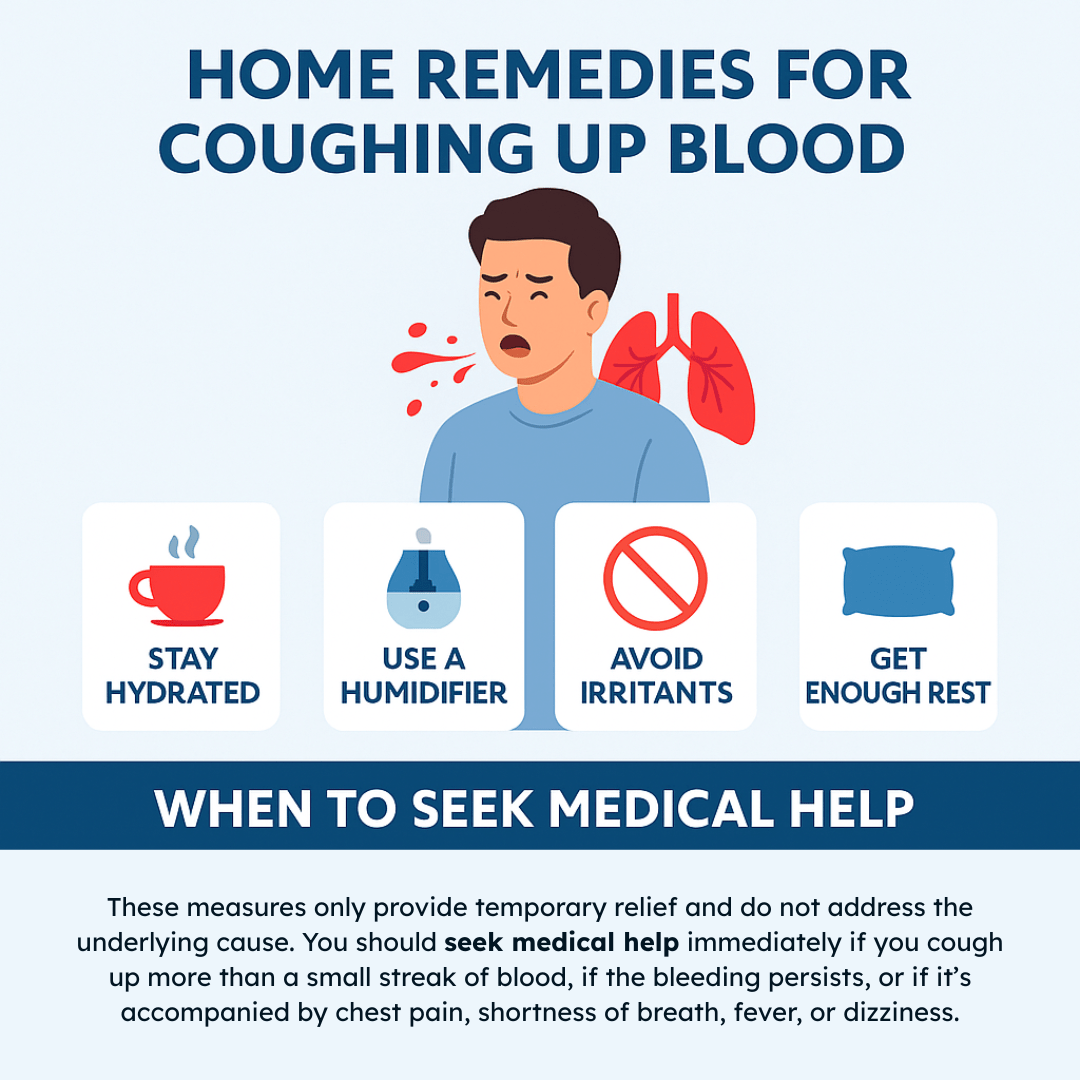
Simple steps, such as staying hydrated, using a humidifier, avoiding irritants, and getting enough rest, can make a meaningful difference in reducing strain on the airways.
This article explores practical home-based approaches that provide relief, while also emphasizing the importance of seeking medical evaluation.

Download our free guide that has over 100+ of the best tips for healthy lungs.
What Are the Best Home Remedies for Coughing Up Blood, and When Should You Seek Help?
Coughing up blood, or hemoptysis, is a symptom that should never be ignored. While it can result from minor irritation, it may also signal serious conditions like infection, pneumonia, or lung disease.
At home, supportive remedies can ease discomfort, such as staying hydrated with warm fluids, using a humidifier, resting, avoiding smoke and other irritants, and soothing the throat with honey or lozenges.
However, these measures only provide temporary relief and do not address the underlying cause. You should seek medical help immediately if you cough up more than a small streak of blood, if the bleeding persists, or if it’s accompanied by chest pain, shortness of breath, fever, or dizziness.
Understanding Coughing Up Blood
Coughing up blood, or hemoptysis, can arise from various causes and may indicate different levels of medical concern. Its severity depends on the quantity of blood and accompanying symptoms.
Common Causes
Blood in the cough can result from respiratory infections like bronchitis or pneumonia. Chronic conditions such as tuberculosis or bronchiectasis are also frequent sources. Other causes include trauma to the airways, lung cancer, or blood-clotting disorders. Even intense coughing fits may cause a small blood vessel rupture in the throat.
Note: Identifying the cause is essential for effective treatment, as some sources are benign while others require immediate medical attention.
When to Seek Emergency Care
Emergency care is necessary if the blood is bright red and large in volume, exceeding a cup in 24 hours. Difficulty breathing, chest pain, or fainting alongside coughing blood warrants urgent evaluation.
Rapid heartbeat or coughing up clots also signals a serious condition. Immediate hospital care is critical to prevent complications. Patients with a history of heart or lung disease should not delay in seeking emergency help when experiencing hemoptysis.
Recognizing Severity
Small amounts of blood, such as blood-streaked sputum, often indicate less severe issues like irritation or mild infections. However, repeated or increasing bleeding suggests a worsening underlying problem.
The color and consistency of the blood provide clues: bright red blood is fresh and potentially more dangerous, while dark blood suggests older bleeding.
Note: Monitoring changes in the volume and frequency of bleeding helps determine the need for medical intervention.
Immediate Steps To Take at Home
Acting quickly and carefully can help manage coughing up blood. Key actions involve controlling physical position, reducing exposure to irritants, and observing changes closely.
Keeping Calm and Upright
Remaining calm is essential to prevent increased heart rate and blood pressure, which can worsen bleeding. The person should sit upright or slightly reclined to avoid blood flowing into the lungs and airways.
If lying down, it may cause choking or aspiration. Breathing slowly and deeply helps maintain oxygen levels and reduces coughing intensity.
Avoiding Triggers
The person must stop any activities that trigger coughing, such as smoking or exposure to strong fumes. Avoiding vigorous physical effort is important as it can raise blood pressure in the respiratory tract and increase bleeding.
Cold air or dust can also worsen symptoms. Breathing clean, room-temperature air is recommended. Use a humidifier if the air is dry, as dryness can irritate airways.
Monitoring Symptoms
Tracking the amount and frequency of blood is critical. If bleeding increases, changes color to bright red, or is accompanied by chest pain, difficulty breathing, or dizziness, medical help is needed immediately.
Note: Other symptoms like fever or persistent cough. Keep a written record of these signs to provide useful information to healthcare providers.
Natural Remedies for Mild Cases
Mild cases of coughing up blood may benefit from simple, natural approaches that focus on keeping the respiratory system moist and soothing irritation. These methods aim to reduce coughing frequency and support healing without invasive treatments.
Staying Hydrated
Proper hydration helps thin mucus, making it easier to clear from the lungs and reducing throat irritation. Drinking at least 8 glasses of water daily aids in loosening congestion and minimizing coughing spasms that can cause bleeding.
Avoid caffeine and alcohol, as they can dehydrate the body. Warm liquids are preferable since they can soothe inflamed tissues better than cold drinks. Consistent fluid intake supports overall respiratory health during recovery.
Using a Humidifier
Dry air can worsen throat irritation and coughing. Using a humidifier adds moisture to room air, helping keep airway linings hydrated. This reduces the likelihood of bloody coughs triggered by dry, cracked tissues.
It is important to clean the humidifier regularly to prevent mold and bacteria growth. Ideal humidity levels should be maintained between 30% and 50% to balance comfort and health benefits.
Soothing Herbal Teas
Certain herbal teas contain anti-inflammatory and calming properties beneficial for irritated airways. Teas made from licorice root, marshmallow root, or chamomile can help soothe the throat and reduce coughing.
These teas also provide hydration and mild analgesic effects. Avoid overly hot tea, as excessive heat can worsen irritation. Drinking two to three cups daily may ease symptoms without adverse effects.
When Home Remedies Are Not Appropriate
Coughing up blood can signal serious health issues that require professional evaluation. Some symptoms and situations demand immediate medical care and should never be managed only with home remedies.
Situations Requiring Medical Attention
If the blood in the sputum is bright red, large in amount, or persistent, medical help is necessary. Coughing up blood accompanied by chest pain, shortness of breath, fever, or weight loss indicates possible infections or lung conditions that require urgent diagnosis.
People with underlying conditions like tuberculosis, bronchitis, pneumonia, lung cancer, or blood-clotting disorders should avoid delaying professional treatment. Sudden or excessive bleeding from the airway can be life-threatening and needs emergency care.
Potential Risks of Self-Treatment
Relying solely on home remedies can delay diagnosis of serious conditions such as pulmonary embolism or cancer. Incorrect self-treatment may worsen symptoms or lead to complications like dehydration or aspiration.
Home remedies do not address infections or structural problems causing bleeding. Using unproven methods without medical guidance can cause false reassurance, resulting in dangerous disease progression.
Lifestyle Adjustments for Prevention
Making targeted changes in daily habits and surroundings can help reduce the chances of coughing up blood. Focusing on minimizing exposure to harmful substances, quitting smoking, and controlling allergies plays a vital role in prevention.
Reducing Irritants in the Environment
Removing or limiting exposure to dust, fumes, chemical vapors, and strong odors can protect the respiratory tract. Using air purifiers with HEPA filters helps reduce airborne particles indoors.
Regular cleaning to prevent mold and dust buildup is essential. Avoiding areas with heavy pollution or construction dust also lowers irritation. Wearing masks in environments with strong irritants further protects lung tissue. Keeping ventilation systems clean maintains better indoor air quality.
Avoiding Smoking
Smoking damages the airways and blood vessels, increasing the risk of bleeding. Quitting smoking immediately reduces inflammation and promotes healing. Exposure to secondhand smoke should also be avoided, as it irritates the lungs and airways. Support from counseling, nicotine replacement, or medications improves success rates in quitting.
Continued smoking heightens the chances of serious conditions like lung infections or cancer, which can cause coughing up blood. Stopping smoking is a critical preventive measure.
Managing Allergies
Allergic reactions can inflame the respiratory lining, making it more prone to damage and bleeding. Identifying and avoiding specific allergens helps reduce symptoms. Regular use of prescribed antihistamines or nasal sprays controls inflammation. Keeping windows closed during high pollen seasons limits exposure.
Note: Maintaining humidity between 30% and 50% prevents dryness that worsens irritation. Allergy-proof bedding and frequent washing removes dust mites and pet dander.
Medical Treatments and Home Care Integration
Effective management of coughing up blood requires combining medical treatments with appropriate home care. This approach ensures the underlying causes are addressed while providing symptom relief and supporting recovery.
Working with Healthcare Providers
Patients should seek immediate medical evaluation to determine the cause of coughing up blood. Healthcare providers may perform diagnostic tests like chest X-rays, CT scans, or bronchoscopies to identify issues such as infections, lung conditions, or trauma.
Regular follow-up appointments are essential to monitor the condition and adjust treatments. Healthcare providers may recommend specific therapies like antibiotics, anticoagulants, or surgery depending on the diagnosis.
Patients must communicate all symptoms, medication reactions, and changes in health clearly to their doctors. This collaboration helps prevent complications and ensures the treatment plan suits the patient’s needs.
Following Prescription Guidance
Strict adherence to prescribed medications is critical when managing coughing up blood. Patients should follow dosage instructions exactly and complete the full course, especially with antibiotics, to avoid infection relapse.
If blood thinners or other medications are prescribed, patients need to understand potential side effects and bleeding risks. Reporting any unusual bleeding or worsening symptoms promptly can prevent serious complications.
In addition to medication, patients should follow other medical advice, such as rest, hydration, and avoiding irritants like smoke. Combining prescription treatments with these care measures enhances healing and symptom control.
FAQs About Coughing Up Blood
What Is the Best Home Remedy for Coughing Up Blood?
The best home remedy for coughing up blood focuses on soothing irritation and protecting the lungs while waiting for medical care. Staying hydrated with warm fluids, using a humidifier to moisten the air, and resting are simple yet effective steps.
Honey or herbal teas can calm the throat, while avoiding smoke and irritants reduces stress on the airways. These remedies can provide temporary comfort but cannot treat the underlying cause. It is always important to seek medical advice promptly.
What Can I Take to Stop Coughing Up Blood?
There is no over-the-counter medicine that can completely stop coughing up blood, since the cause may be serious and requires medical diagnosis. Supportive measures such as honey, lozenges, or soothing herbal teas may ease irritation and reduce coughing.
Staying hydrated and using a humidifier can also help. However, medications to address the root cause, such as antibiotics or anticoagulants, must be prescribed by a doctor. If you notice frequent or heavy bleeding, seek immediate medical attention instead of relying on self-treatment.
Can Coughing Up Blood Go Away on Its Own?
In some cases, coughing up blood may stop on its own, especially if it is caused by minor irritation, such as a small blood vessel breaking during intense coughing. However, hemoptysis can also indicate infections, lung disease, or other serious conditions. Even if the bleeding stops, it is important not to ignore the symptom.
Recurrent or unexplained episodes require medical evaluation to rule out underlying causes. Relying on the symptom to resolve without professional care can delay treatment and increase potential risks.
What Should I Drink If I Cough Up Blood?
If you are coughing up blood, warm and soothing drinks are the best choice. Herbal teas such as chamomile, licorice root, or marshmallow root can calm irritation and reduce coughing. Honey mixed into warm water or tea provides additional antibacterial and anti-inflammatory benefits.
Staying hydrated with plain water is also important, as it thins mucus and supports healing. Avoid alcohol, caffeinated drinks, or anything overly hot, as they can dehydrate the body or worsen irritation. Warm, gentle fluids are the safest option.
What Should I Do If I Cough Up Bloody Mucus?
If you cough up bloody mucus, the first step is to stay calm and monitor the situation carefully. Sit upright to make breathing easier and avoid lying flat. Try to stay hydrated with warm fluids and avoid smoke or irritants that can worsen coughing.
Keep track of the amount and frequency of blood, as well as any additional symptoms such as chest pain, shortness of breath, or fever. Even small amounts should not be ignored, and prompt medical evaluation is strongly recommended.
What Are the Potential Complications of Coughing Up Blood?
Coughing up blood can sometimes lead to complications depending on the cause and severity. Large or repeated bleeding may block the airways, making it difficult to breathe. Blood aspiration into the lungs can also cause pneumonia or worsen existing infections.
If the cause is linked to conditions like tuberculosis, cancer, or pulmonary embolism, untreated cases may progress to life-threatening complications. Delaying medical care increases risks, as home remedies cannot resolve the root problem. Early diagnosis and treatment are critical for preventing serious outcomes.
Should I Go to the Doctor If I Cough Up Blood?
Yes, you should always consult a doctor if you cough up blood. Even small streaks can signal underlying problems that need evaluation. If you cough up a large amount of blood, if bleeding recurs, or if you also experience chest pain, shortness of breath, fever, or dizziness, seek medical attention immediately.
Only a healthcare provider can identify the cause through proper testing. While home remedies may provide short-term relief, they are not a substitute for medical care in cases of hemoptysis.
Final Thoughts
Coughing up blood is a symptom that should always be taken seriously. While home remedies such as staying hydrated, using a humidifier, resting, and avoiding irritants can provide comfort, they cannot replace medical care.
It is important to seek professional evaluation if the bleeding is frequent, persistent, or accompanied by chest pain, fever, or difficulty breathing. Paying attention to these warning signs allows for timely treatment and better outcomes.
By combining supportive care at home with medical guidance, individuals can ease discomfort while ensuring that the underlying cause is properly addressed.

Written by:
John Landry is a registered respiratory therapist from Memphis, TN, and has a bachelor's degree in kinesiology. He enjoys using evidence-based research to help others breathe easier and live a healthier life.
References
- Corey R. Hemoptysis. In: Walker HK, Hall WD, Hurst JW, editors. Clinical Methods: The History, Physical, and Laboratory Examinations. 3rd edition. Boston: Butterworths; 1990.