
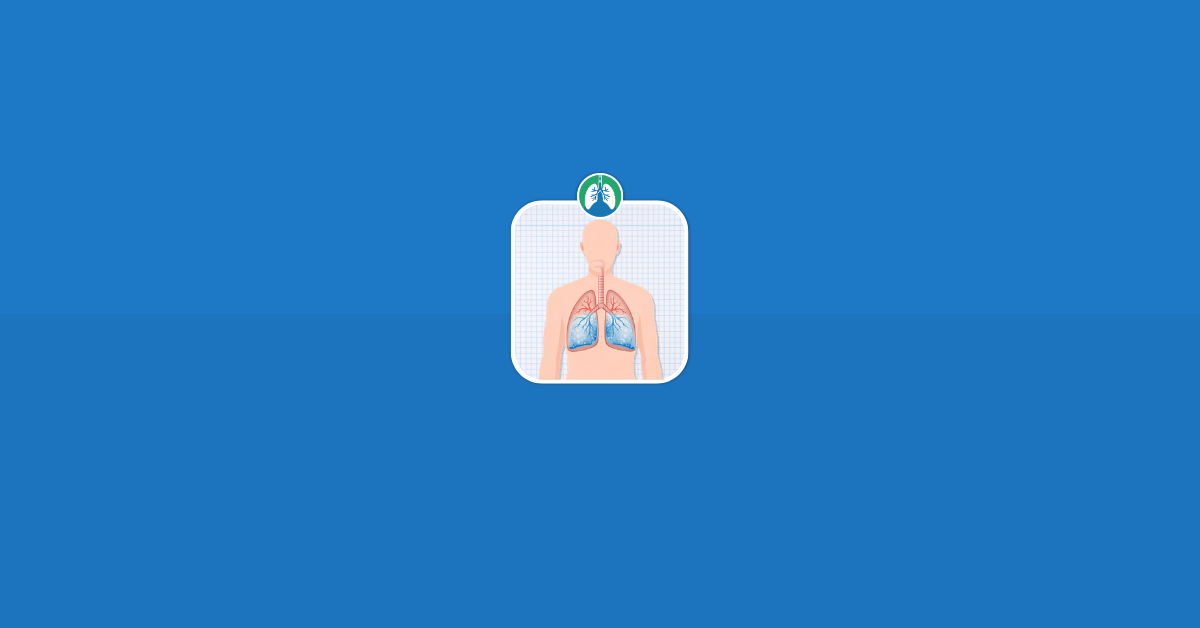
Fluid in the lungs, often referred to as pulmonary edema or pleural effusion depending on its location, is a serious condition that can interfere with normal breathing and gas exchange. Under healthy conditions, the lungs remain relatively dry, allowing oxygen to move efficiently into the bloodstream. However, certain medical problems can disrupt this balance and cause fluid to accumulate.
Understanding how fluid gets into the lungs requires a closer look at the underlying mechanisms, the body’s normal fluid regulation processes, and the various conditions that can lead to this potentially life-threatening issue.

Download our free guide that has over 100+ of the best tips for healthy lungs.
How Does Fluid Get in Your Lungs?
Fluid gets into the lungs when the normal balance of fluid movement between the blood vessels, lung tissue, and lymphatic system is disrupted. Under healthy conditions, pressure forces and proteins keep fluid inside the bloodstream while excess fluid is removed efficiently.
However, when pressure in the lung’s blood vessels rises, such as in heart failure, fluid is pushed into the air sacs. Low protein levels can also allow fluid to leak out more easily.
Inflammation or injury, like pneumonia or ARDS, can make the capillaries more permeable, allowing fluid to escape. When lymphatic drainage is impaired, fluid cannot be cleared effectively, leading to buildup in the lungs.

Understanding Normal Lung Fluid Balance
To understand how fluid ends up in the lungs, it helps to first understand how the lungs normally stay dry. The lungs contain millions of tiny air sacs called alveoli. These structures are responsible for gas exchange, where oxygen enters the blood and carbon dioxide is removed. For this process to work efficiently, the alveoli must remain free of excess fluid.
Under normal conditions, a small amount of fluid is present in the lung tissues and surrounding capillaries. This fluid is tightly regulated through a balance of forces:
- Hydrostatic pressure, which pushes fluid out of blood vessels
- Oncotic pressure, which pulls fluid back into the vessels
- Lymphatic drainage, which removes excess fluid from lung tissue
Note: As long as these forces remain in balance, fluid does not accumulate in the alveoli. However, when this balance is disrupted, fluid can begin to leak into the lung tissue and air spaces.
The Two Main Types of Fluid in the Lungs
Fluid can accumulate in different parts of the lungs, and the location helps determine the cause and severity of the problem.
Pulmonary Edema
Pulmonary edema occurs when fluid fills the alveoli. This directly interferes with gas exchange and can quickly lead to shortness of breath and low oxygen levels. This type of fluid buildup is most commonly associated with heart problems, particularly left-sided heart failure.
Pleural Effusion
Pleural effusion refers to fluid buildup in the pleural space, which is the thin area between the lungs and the chest wall. While this fluid does not directly fill the alveoli, it can compress the lungs and make breathing more difficult.
How Fluid Gets Into the Lungs
Fluid enters the lungs when the normal balance of fluid movement is disrupted. There are several key mechanisms involved, each linked to different medical conditions.
1. Increased Hydrostatic Pressure
One of the most common ways fluid enters the lungs is through increased pressure in the blood vessels. When pressure builds up in the pulmonary capillaries, it forces fluid out of the bloodstream and into the surrounding lung tissue and alveoli.
This is most often seen in conditions such as congestive heart failure. When the left side of the heart cannot pump effectively, blood backs up into the lungs, increasing pressure in the pulmonary circulation. As a result, fluid is pushed into the alveoli, leading to pulmonary edema.
2. Decreased Oncotic Pressure
Oncotic pressure is created by proteins, mainly albumin, in the blood. These proteins help keep fluid inside the blood vessels. When protein levels drop, fluid is more likely to leak out into surrounding tissues, including the lungs.
This can occur in conditions such as:
- Liver disease, where albumin production is reduced
- Kidney disease, where protein is lost in the urine
- Malnutrition, where protein intake is insufficient
Note: In these cases, fluid accumulation may be more gradual but still clinically significant.
3. Increased Capillary Permeability
Sometimes, the problem is not pressure but damage to the capillary walls themselves. When the capillaries become more permeable, fluid and proteins can leak into the lung tissue and alveoli.
This is often seen in inflammatory or infectious conditions, such as:
- Acute respiratory distress syndrome (ARDS)
- Severe infections like pneumonia
- Sepsis
Note: In these cases, the fluid that accumulates is often rich in proteins and inflammatory cells, making it more difficult to clear.
4. Impaired Lymphatic Drainage
The lymphatic system plays a key role in removing excess fluid from the lungs. If this system becomes blocked or overwhelmed, fluid can accumulate over time.
This may occur in:
- Cancer, especially when tumors obstruct lymphatic vessels
- Chronic inflammation
- Certain infections
Note: Although less common, impaired lymphatic drainage can contribute to persistent fluid buildup.
Common Medical Conditions That Cause Fluid in the Lungs
Fluid accumulation in the lungs is usually a symptom of an underlying condition rather than a disease on its own. Several medical problems are commonly responsible.
Congestive Heart Failure
Congestive heart failure is the most common cause of pulmonary edema. When the heart cannot pump effectively, blood backs up into the pulmonary circulation. This increases hydrostatic pressure and forces fluid into the alveoli.
Patients often experience:
- Shortness of breath
- Difficulty breathing when lying down
- Rapid weight gain due to fluid retention
Pneumonia
Pneumonia is an infection of the lungs that causes inflammation in the alveoli. This inflammation increases capillary permeability, allowing fluid, pus, and immune cells to fill the air spaces. As a result, oxygen exchange becomes impaired, and breathing becomes more difficult.
Acute Respiratory Distress Syndrome (ARDS)
ARDS is a severe inflammatory condition that leads to widespread capillary leakage in the lungs.
It can be triggered by:
- Severe infections
- Trauma
- Aspiration
- Sepsis
Note: In ARDS, fluid accumulates rapidly and extensively, often requiring mechanical ventilation for support.
Kidney Disease
The kidneys help regulate fluid balance in the body. When they fail to function properly, fluid can accumulate throughout the body, including the lungs.
Additionally, protein loss in kidney disease can lower oncotic pressure, further contributing to fluid leakage.
Other Contributing Factors
In addition to major medical conditions, several other factors can contribute to fluid buildup in the lungs.
High Altitude
At high altitudes, lower oxygen levels can cause blood vessels in the lungs to constrict. This increases pressure in the pulmonary circulation and can lead to high-altitude pulmonary edema.
Inhalation of Toxins
Exposure to certain chemicals or smoke can damage the lung tissue and increase capillary permeability. This allows fluid to leak into the alveoli, similar to what occurs in ARDS.
Trauma
Severe chest injury can disrupt normal lung function and lead to fluid accumulation. This may occur due to inflammation, bleeding, or damage to the capillaries.
Early Changes That Occur in the Lungs
When fluid first begins to accumulate, the changes may be subtle. Initially, fluid collects in the interstitial spaces surrounding the alveoli. At this stage, gas exchange may still be relatively preserved.
As the condition progresses, fluid begins to enter the alveoli themselves. This is when symptoms become more noticeable.
Patients may start to experience:
- Mild shortness of breath
- Reduced exercise tolerance
- A feeling of heaviness in the chest
Note: If left untreated, the condition can worsen rapidly, leading to severe respiratory distress.
Why Fluid in the Lungs Is Dangerous
The presence of fluid in the lungs interferes directly with oxygen exchange. Oxygen must pass through the alveolar membrane to reach the bloodstream. When fluid fills the alveoli, this process becomes much less efficient.
As a result, oxygen levels in the blood can drop, leading to hypoxemia. At the same time, carbon dioxide removal may also be impaired, especially in more severe cases.
Note: The body may attempt to compensate by increasing the breathing rate, but this is often not enough to overcome the underlying problem.
Symptoms of Fluid in the Lungs
The symptoms of fluid in the lungs can vary depending on the cause, the rate at which fluid accumulates, and the overall health of the patient. In some cases, symptoms develop gradually over time, while in others, they may appear suddenly and worsen quickly.
Shortness of breath is the most common symptom. Patients may notice difficulty breathing during activity at first, which can progress to breathlessness at rest. Many individuals report feeling as though they cannot get enough air.
Another hallmark symptom is orthopnea, which is difficulty breathing when lying flat. This occurs because fluid redistributes within the lungs when a person is in a supine position. Patients often need to prop themselves up with pillows to sleep comfortably.
Paroxysmal nocturnal dyspnea may also occur. This involves sudden episodes of severe shortness of breath that wake a person from sleep.
Cough is another frequent symptom and may produce frothy or pink-tinged sputum in cases of pulmonary edema. This indicates fluid mixed with air and sometimes small amounts of blood.
Additional symptoms can include:
- Chest tightness or discomfort
- Rapid breathing
- Wheezing or crackling sounds when breathing
- Fatigue and reduced exercise tolerance
- Cyanosis, which is a bluish discoloration of the lips or fingertips due to low oxygen levels
Note: In cases of pleural effusion, symptoms may be less dramatic but still significant. Patients often experience chest heaviness, reduced lung expansion, and discomfort when taking deep breaths.
How Fluid in the Lungs Is Diagnosed
Diagnosing fluid in the lungs involves a combination of clinical evaluation, imaging, and laboratory testing. Healthcare providers begin with a physical examination. They may listen to the lungs with a stethoscope and detect abnormal sounds such as crackles, which suggest fluid in the alveoli.
A chest X-ray is one of the most commonly used imaging tools. It can reveal areas of fluid accumulation, lung compression, or signs of heart enlargement. In some cases, a CT scan may be performed for a more detailed view. This helps identify the exact location and extent of fluid buildup.
Ultrasound is particularly useful for detecting pleural effusions and guiding procedures such as thoracentesis, where fluid is removed for analysis. Blood tests may be used to assess kidney function, liver function, and markers of heart failure or infection.
Arterial blood gas analysis can help determine how well oxygen and carbon dioxide are being exchanged in the lungs. In certain situations, fluid samples may be collected and analyzed to determine the underlying cause, especially when infection or cancer is suspected.
Treatment Options
Treatment for fluid in the lungs depends on the underlying cause, the severity of symptoms, and how quickly the condition has developed.
Oxygen Therapy
Many patients require supplemental oxygen to improve oxygen levels in the blood. This can be delivered through nasal cannula, mask, or more advanced methods depending on the severity.
Diuretics
Diuretics are commonly used to remove excess fluid from the body. These medications increase urine output, helping reduce fluid accumulation in the lungs. They are especially effective in cases related to heart failure.
Treating the Underlying Cause
Addressing the root cause is essential for long-term management.
- Heart failure may require medications that improve cardiac function
- Infections such as pneumonia are treated with antibiotics
- Kidney disease may require dialysis in severe cases
- Inflammatory conditions like ARDS may require supportive care and mechanical ventilation
Thoracentesis
For pleural effusion, a procedure called thoracentesis may be performed. This involves inserting a needle into the pleural space to remove excess fluid. It can provide immediate symptom relief and also allows for diagnostic testing.
Mechanical Ventilation
In severe cases where breathing is significantly impaired, mechanical ventilation may be necessary. This provides support for the lungs while the underlying condition is treated.
Prevention and Risk Reduction
While not all causes of fluid in the lungs can be prevented, certain strategies can help reduce the risk. Managing chronic conditions such as heart disease, kidney disease, and liver disease is critical. Regular medical care and adherence to prescribed treatments can help maintain fluid balance.
Maintaining a healthy lifestyle also plays a role. This includes:
- Eating a balanced diet
- Limiting salt intake to reduce fluid retention
- Staying physically active
- Avoiding smoking and exposure to harmful toxins
Note: For individuals at high altitude, gradual acclimatization can help prevent high-altitude pulmonary edema. Vaccinations, such as those for influenza and pneumonia, can reduce the risk of respiratory infections that may lead to fluid accumulation.
When to Seek Medical Attention
Fluid in the lungs can become life-threatening if not treated promptly. Immediate medical attention is necessary if a person experiences:
- Sudden or severe shortness of breath
- Chest pain
- Rapid worsening of symptoms
- Confusion or altered mental status
- Signs of low oxygen levels, such as bluish lips or fingertips
Note: Early recognition and treatment can significantly improve outcomes and reduce the risk of complications.
Long-Term Outlook
The prognosis for fluid in the lungs depends largely on the underlying cause and how quickly treatment is initiated. In cases related to heart failure or mild infections, symptoms may improve with appropriate treatment and lifestyle changes.
However, more severe conditions such as ARDS or advanced organ failure may carry a higher risk of complications and require intensive medical care. Some patients may experience recurrent episodes, especially if the underlying condition is chronic. Ongoing management and monitoring are essential in these cases.
Final Thoughts
Fluid in the lungs develops when the normal balance of fluid movement in and out of the lung tissues is disrupted. This can occur due to increased pressure in the blood vessels, reduced protein levels, damage to the capillaries, or impaired lymphatic drainage.
While the underlying causes vary, the result is the same. Fluid interferes with normal breathing and gas exchange, making it harder for the body to get the oxygen it needs.
Recognizing the symptoms early and seeking appropriate care can make a significant difference in outcomes and overall respiratory health.

Written by:
John Landry is a registered respiratory therapist from Memphis, TN, and has a bachelor's degree in kinesiology. He enjoys using evidence-based research to help others breathe easier and live a healthier life.
References
- Malek R, Soufi S. Pulmonary Edema. [Updated 2023 Apr 7]. In: StatPearls [Internet]. Treasure Island (FL): StatPearls Publishing; 2026.