
Vaping may seem less harmful than traditional smoking, but the truth is that it can still irritate and damage the lungs in significant ways. Many people who decide to quit understandably want to know how long it takes for their lungs to heal and what recovery actually looks like.
While the healing timeline varies from person to person, the lungs are remarkably resilient organs that can begin repairing themselves surprisingly quickly once vaping stops.
In this article, we’ll break down what happens to your lungs after you quit, how long different stages of recovery take, and what you can do to support the healing process.

Download our free guide that has over 100+ of the best tips for healthy lungs.
How Long Does it Take for Your Lungs to Heal From Vaping?
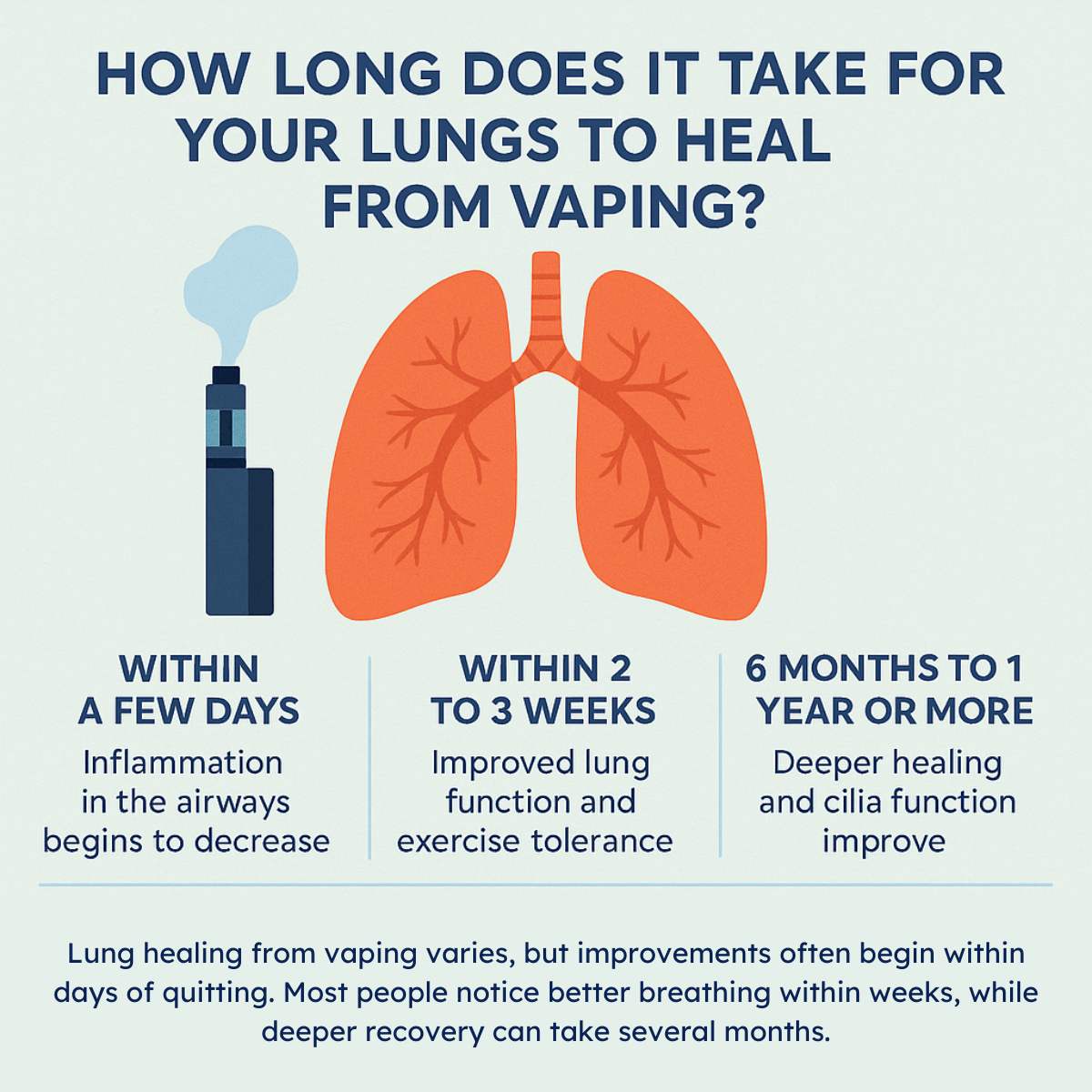
How long it takes for your lungs to heal from vaping depends on how long you vaped, how often, and whether you have any underlying lung conditions. That said, the lungs are capable of impressive recovery once exposure to vape aerosols stops. Within just a few days, inflammation in the airways begins to decrease, making breathing feel easier. Within two to three weeks, many people notice improved lung function and better exercise tolerance as cilia—the tiny hair-like structures that help clear mucus and debris—start repairing themselves. Over the next one to three months, coughing and mucus production typically decrease as the airways become less irritated.
For light to moderate vapers, most noticeable respiratory improvements occur within the first three months. However, deeper healing—especially for heavy or long-term vapers—can take six months to a year or more. Some changes, such as reduced inflammation and improved cilia function, continue progressing for many months after quitting.
The good news is that the earlier you stop vaping, the faster and more complete your lung recovery can be. While not all damage is guaranteed to fully reverse, most people experience significant improvements in breathing, endurance, and overall lung health with sustained cessation.
Timeline for Lung Recovery After Vaping
Lung healing after vaping depends on how long and how often a person used e-cigarettes, as well as their overall health and lifestyle. Recovery unfolds in measurable stages, reflecting changes to inflammation, cell repair, and lung function.
Short-Term Healing Milestones
Within days of quitting vaping, irritation in the airways begins to decrease as the body clears chemical residues. Coughing may temporarily increase since cilia—tiny hair-like structures that line the airways—start working again to remove mucus and debris.
By the end of the first week, oxygen levels in the blood often improve. Many people notice better breathing and reduced chest tightness. This stage marks the beginning of cellular repair in the lung lining.
Between two and six weeks, inflammation typically drops further, and lung capacity may show measurable gains on breathing tests. Immune response becomes stronger, making the respiratory system more resilient against infections. However, complete tissue restoration does not occur this early, and some irritation can persist if exposure was prolonged before quitting.
Long-Term Recovery Expectations
After several months, alveoli—the tiny air sacs responsible for gas exchange—begin recovering their elasticity. This process allows for smoother airflow and more efficient oxygen transfer. By six months, coughing and shortness of breath usually continue to decrease, and exercise tolerance often improves.
At around one year, former vapers may show noticeable normalization in airway function. Studies comparing ex-vapers to non-vapers often reveal reduced inflammation and improved mucus clearance. The lungs, however, may not fully return to their pre-vaping condition if scarring or chronic bronchial damage developed.
Over multiple years, continued abstinence supports sustained cell renewal and healthier immune defense in lung tissue. Regular physical activity and proper hydration further aid this repair, reinforcing gradual improvement in capacity and endurance.
Factors Influencing Lung Healing Speed
Lung recovery speed depends on duration of vaping, nicotine concentration, and individual health status. Those with existing respiratory conditions, such as asthma or COPD, may recover more slowly due to persistent inflammation.
Lifestyle influences such as diet, hydration, and physical fitness also affect tissue repair. Antioxidant-rich foods and consistent exercise help support oxygen delivery and circulation during recovery.
Environmental factors play a significant role as well. Exposure to pollutants, secondhand smoke, or occupational fumes may slow healing. Prompt medical checkups and adherence to pulmonary care plans enhance recovery outcomes and reduce the likelihood of lingering respiratory issues.
Physiological Changes in the Lungs When You Quit Vaping
When a person quits vaping, the lungs begin a series of biological adjustments aimed at restoring normal structure and function. The degree and speed of recovery depend on factors like vaping duration, chemical exposure, and general health.
Cellular Repair Processes
After vaping stops, epithelial cells that line the airways start replacing damaged tissue. New cells form to restore the lung’s protective barrier and reduce vulnerability to irritants and pathogens. This process helps reestablish normal tissue integrity over several weeks or months.
Oxidative stress decreases once vapor exposure ends. The body’s antioxidant systems, such as glutathione and catalase, become more effective in managing residual free radicals. This shift allows cells to recover from the microscopic injuries caused by vaporized compounds and metals found in e-liquids.
Lung macrophages also regain their ability to clear debris and trapped particles. Improved cellular communication supports the regeneration of alveolar structures, which are essential for oxygen exchange. Over time, the lungs become more efficient at self-maintenance and resistance to environmental stressors.
Reduction of Inflammation
Vaping introduces irritants that trigger chronic airway inflammation. When vaping stops, cytokine levels and other inflammatory markers in the lungs gradually decrease. This reduction helps airways open more fully and improves airflow.
The immune system stabilizes as overactive defense responses decline. Cells such as neutrophils and macrophages shift from constant activation to controlled maintenance, reducing tissue irritation. This change supports smoother breathing and less mucus production.
Lower inflammation also decreases coughing frequency. The reduction in swelling of airway linings contributes to fewer breathing difficulties during activity. Many individuals notice gradual improvement in respiratory comfort within weeks of cessation.
Restoration of Cilia Function
Cilia—tiny, hairlike projections on airway cells—play a key role in clearing mucus and contaminants. Vaping exposure dulls their motion and can cause partial loss of cilia. Once vaping stops, new cilia begin to form, and their rhythmical movement returns over time.
Improved ciliary activity enhances the lungs’ cleaning efficiency. Particulates and microorganisms are expelled more effectively, reducing infection risks. Restored cilia function also contributes to a clearer respiratory tract and easier breathing.
As ciliary repair continues, mucus buildup lessens. The combination of renewed structure and coordinated movement helps maintain clear airways and supports better overall lung performance.
Comparison of Vaping Recovery to Smoking Recovery
The healing process of the lungs depends on how much damage the airways and alveoli sustained from exposure. Both vaping and smoking affect the respiratory system, but they do so in different ways and recover at different rates.
Differences in Damage Reversal
Cigarette smoke contains thousands of chemicals, many of which are carcinogenic. These substances cause inflammation, destroy lung tissue, and reduce the lungs’ ability to repair themselves. In contrast, vaping exposes the lungs to fewer toxins but still introduces irritants such as nicotine, propylene glycol, and flavoring compounds that can slow healing.
When a person quits smoking, cilia regeneration—the tiny hairs that clear mucus—typically begins within weeks, while structural lung repair can take several years. Recovery after quitting vaping often starts sooner because less tar accumulates in the lungs. However, the exact duration varies based on usage frequency and preexisting conditions.
Research shows more measurable improvement in alveolar function in former vapers within months, while long-term smokers may take years to regain similar function. Despite this, vaping’s chemical exposure can still lead to chronic inflammation, delaying full normalization of lung capacity even after cessation.
Similarities in Lung Function Improvement
In both cases, the first improvements often involve reduced coughing and easier breathing within weeks of quitting. The lungs begin clearing mucus more effectively, and oxygen exchange efficiency increases. These physiological shifts mark the body’s effort to restore normal respiratory balance.
Former smokers and vapers both experience measurable gains in FEV₁ (forced expiratory volume) and improved oxygen uptake within six months, though the magnitude varies. Better blood circulation and less airway irritation follow as inflammation subsides.
Lifestyle choices play a significant role in long-term recovery. Proper hydration, regular exercise, and clean air exposure accelerate healing for both groups. While the pace differs, both benefit from the body’s natural capacity to repair airway linings and restore elasticity once irritant exposure ends.
Symptoms and Signs of Lung Healing
When vaping stops, the lungs begin repairing the delicate airways and restoring normal respiratory function. Changes appear gradually, reflecting reduced irritation, better airflow, and improved oxygen exchange within the tissues.
Improved Breathing Patterns
As the respiratory tract clears, airflow becomes smoother and more efficient. Many people notice they can take deeper breaths without discomfort or wheezing. The tightness in the chest that often follows vaping exposure starts to ease as inflammation subsides and cilia in the airways resume normal movement.
Breathing patterns become steadier throughout the day. Shortness of breath during mild activity, such as walking up stairs or talking for extended periods, begins to lessen. The respiratory muscles adjust to a cleaner airway, helping the lungs fill and empty more effectively.
Nighttime breathing also tends to stabilize. Episodes of rapid or shallow breathing may decline as the lungs recover elasticity. Regular, slower breaths become more consistent indicators that healing is in progress rather than temporary improvement.
Decreased Cough and Phlegm
The lungs often respond to vaping by producing excess mucus to trap irritants. When exposure stops, mucus production drops as inflammation diminishes. Over days and weeks, coughing episodes become less frequent and less forceful.
Many notice a gradual change in phlegm color and texture. Thick or discolored mucus may become clearer as the body removes residual particles and restores moisture balance in airway linings. Persistent morning coughing fits that were once common may fade, replaced by lighter, less frequent clearing of the throat.
Cough reflex sensitivity decreases as tissues heal. The airways experience fewer sudden spasms, and recovery time after a coughing bout shortens. This improvement signals that the bronchial lining is regaining normal function without excessive irritation.
Enhanced Exercise Capacity
As damaged tissues heal, the lungs regain part of their natural efficiency, allowing better oxygen delivery to muscles. Walking, cycling, and climbing stairs feel easier. Heart rate and breathing rate stabilize more quickly after exertion.
People often recognize they can sustain moderate activity with fewer rest breaks. Better lung capacity and reduced airway resistance support improved stamina. Breathing feels more controlled and less labored, especially during aerobic movements.
Improved oxygen exchange also benefits recovery after exercise. Lower fatigue levels and steadier energy throughout the day indicate that the respiratory and circulatory systems are working together more effectively as healing progresses.
Lifestyle Changes to Support Lung Healing
A structured approach to daily habits can strengthen lung function and reduce inflammation caused by vaping. Regular movement and balanced nutrition provide the body with tools to rebuild damaged cells and maintain respiratory efficiency.
Exercise and Physical Activity
Consistent aerobic exercise enhances lung capacity and promotes better oxygen exchange. Activities such as walking, cycling, and swimming force deeper breathing, which helps clear mucus and improve airflow over time. Starting slowly and increasing intensity allows the lungs to adapt safely.
Strength training also benefits recovery. Developing the chest, back, and abdominal muscles supports breathing by engaging the diaphragm more effectively. They should balance cardio with resistance training several times per week.
Breathing exercises, like pursed-lip breathing and diaphragmatic breathing, can retrain the respiratory system. These controlled techniques regulate breathing patterns and reduce breathlessness. Pairing them with moderate physical activity improves endurance and overall lung performance without placing stress on healing tissues.
Nutrition for Lung Health
A diet emphasizing antioxidant-rich foods helps combat oxidative stress from vaping-related damage. Fruits such as berries, oranges, and apples, along with vegetables like spinach and broccoli, provide vitamins C and E that protect airway tissues. Whole grains and nuts supply essential minerals that aid cellular repair.
Staying hydrated keeps mucus thin, making it easier for the lungs to clear irritants. Water should be the main source of hydration, but herbal teas with ginger or turmeric can also support inflammation control.
Reducing processed foods, trans fats, and excess sodium minimizes inflammation that can slow healing. Lean proteins—such as fish, poultry, and legumes—provide amino acids important for tissue regeneration. Small, consistent dietary adjustments strengthen respiratory recovery and support long-term lung resilience.
Medical Interventions and Monitoring
Professional treatment focuses on improving lung function, reducing inflammation, and preventing further respiratory damage. Long‑term healing depends on consistent medical oversight and structured rehabilitation plans that address both physical capacity and respiratory performance.
Pulmonary Rehabilitation
Pulmonary rehabilitation helps individuals regain lung efficiency and physical endurance after quitting vaping. It typically includes breathing exercises, aerobic conditioning, and education on symptom management. These programs, often supervised by respiratory therapists, teach patients how to manage shortness of breath, clear mucus, and maintain healthy oxygen levels.
A structured plan may last several weeks and include monitored exercise sessions. Patients gradually increase their activity under safe oxygen and heart‑rate targets. Instruction in proper inhalation and exhalation techniques supports better gas exchange and reduced fatigue during daily activities.
Many rehabilitation programs also include counseling on nutrition and stress reduction, which aid recovery by stabilizing systemic inflammation and supporting immune function. Consistency plays a key role—those who adhere to supervised sessions tend to recover lung strength more effectively and adapt to physical exertion with fewer setbacks.
Importance of Regular Check‑Ups
Routine medical evaluations allow clinicians to track how lungs respond to the absence of vapor exposure. Spirometry tests, imaging scans, and oxygen‑saturation assessments help measure progress and detect early signs of obstructive or inflammatory changes. These tests provide objective data to adjust medication or therapy plans before complications develop.
Follow‑up appointments often address lingering cough, chest tightness, or fatigue. Physicians may recommend bronchodilators or anti‑inflammatory treatments when needed. Tracking these symptoms over time ensures that lung tissue repair proceeds as expected.
Regular check‑ups encourage accountability and early intervention. They give patients measurable feedback on improvement and confirm whether healing is steady, delayed, or hindered by other health factors such as allergies, infections, or preexisting respiratory conditions.
Final Thoughts
While the recovery journey varies for everyone, the lungs have an incredible ability to heal once vaping stops. Inflammation gradually subsides, cilia begin functioning more effectively, and breathing becomes easier as the airways repair themselves over time.
Whether your healing takes a few months or over a year, every day without vaping allows your lungs to rebuild strength and resilience. The most important step is simply deciding to quit—and staying committed to that choice. With consistency, healthy habits, and patience, most people experience meaningful improvements in lung health and overall well-being, making the effort to quit vaping more than worth it.

Written by:
John Landry is a registered respiratory therapist from Memphis, TN, and has a bachelor's degree in kinesiology. He enjoys using evidence-based research to help others breathe easier and live a healthier life.
References
-
Rahim F, Toguzbaeva K, Sokolov D, Dzhusupov KO, Zhumagaliuly A, Tekmanova A, Kussaiynova E, Katayeva A, Orazbaeva S, Bayanova A, Olzhas M, Zhumataeva A, Moldabekova S. Vaping Possible Negative Effects on Lungs: State-of-the-Art From Lung Capacity Alteration to Cancer. Cureus. 2024.