
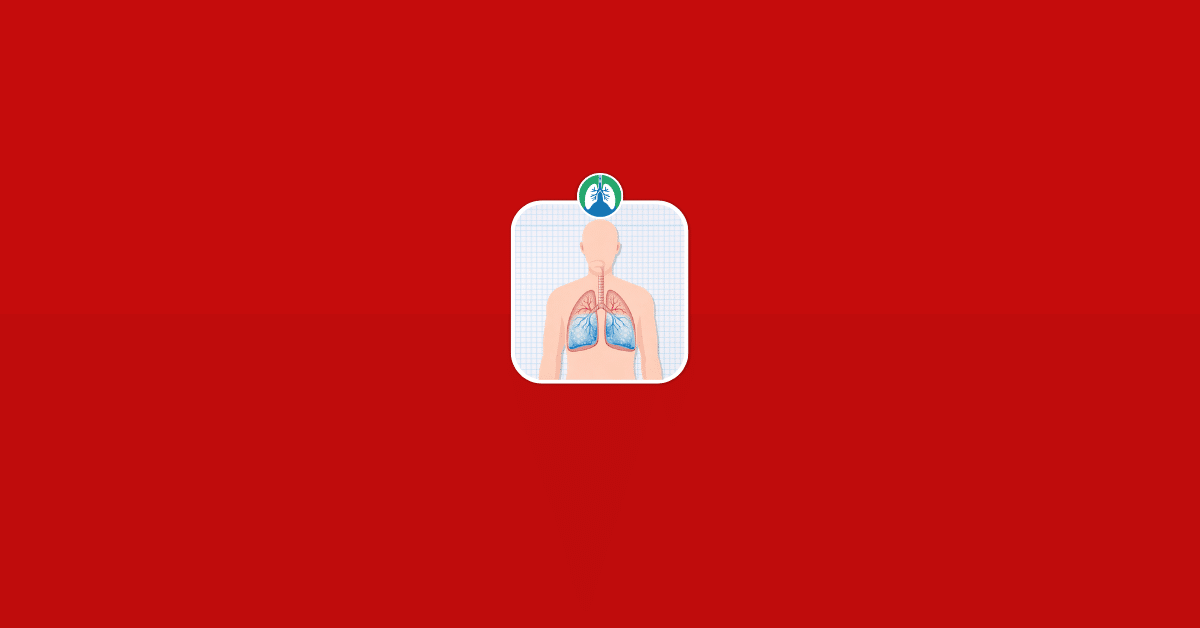
Fluid in the lungs is a serious medical issue that can interfere with one of the body’s most essential functions, breathing. Depending on the cause and severity, it can range from mild and manageable to life-threatening.
In clinical terms, this condition is often referred to as pulmonary edema or pleural effusion, depending on where the fluid accumulates.
Understanding how serious it is requires a closer look at what causes it, how it affects the lungs, and how quickly it develops. This article explores the risks, symptoms, and treatment considerations associated with fluid in the lungs.

Download our free guide that has over 100+ of the best tips for healthy lungs.
What Does “Fluid in the Lungs” Mean?
The phrase “fluid in the lungs” can refer to two primary conditions: pulmonary edema and pleural effusion. While both involve abnormal fluid accumulation, they affect different areas of the chest and have different implications for breathing.
Pulmonary edema occurs when fluid collects inside the alveoli, the tiny air sacs where gas exchange takes place. This directly impairs oxygen transfer into the bloodstream, making it a more immediately dangerous condition.
Pleural effusion, on the other hand, involves fluid buildup in the pleural space, which is the area between the lungs and the chest wall. While this does not directly affect the alveoli, it can compress the lungs and reduce their ability to expand fully.
Note: Both conditions can be serious, but pulmonary edema is typically more urgent because it directly disrupts oxygenation.
How Serious Is Fluid in the Lungs?
Fluid in the lungs can range from mild to life-threatening, depending on the cause, how quickly it develops, and how much fluid is present. In mild cases, such as small pleural effusions, symptoms may be minimal and manageable with treatment. However, when fluid accumulates in the alveoli, as seen in pulmonary edema, it can severely impair oxygen exchange and lead to low blood oxygen levels.
Rapid onset cases, especially those related to heart failure, acute respiratory distress syndrome, or severe infection, can become medical emergencies.
Without prompt treatment, complications such as respiratory failure, hypoxemia, and organ damage may occur. Early recognition and intervention are critical for improving outcomes and preventing serious complications.

How Fluid Affects Breathing and Oxygenation
The lungs are designed to facilitate efficient gas exchange. Oxygen enters the alveoli, diffuses across a thin membrane, and enters the bloodstream. Carbon dioxide moves in the opposite direction to be exhaled.
When fluid accumulates, this process is disrupted in several ways:
First, fluid creates a barrier between air and blood, making it more difficult for oxygen to diffuse into the bloodstream. This leads to hypoxemia, or low blood oxygen levels. Second, fluid reduces lung compliance, making the lungs stiffer and harder to expand. Patients must work harder to breathe, which increases the workload on respiratory muscles.
Third, ventilation and perfusion become mismatched. Some areas of the lung may receive blood flow but not enough air, further impairing oxygenation. These physiological changes explain why fluid in the lungs can quickly become dangerous, especially if left untreated.
Causes of Fluid in the Lungs
The seriousness of fluid in the lungs depends largely on its underlying cause. Some causes develop gradually and are manageable, while others can lead to rapid deterioration.
Heart-Related Causes
One of the most common causes of pulmonary edema is left-sided heart failure. When the left ventricle cannot effectively pump blood forward, pressure builds up in the pulmonary circulation. This increased hydrostatic pressure pushes fluid out of the capillaries and into the alveoli.
Conditions that can lead to this include:
- Congestive heart failure
- Myocardial infarction
- Valvular heart disease
Note: Cardiogenic pulmonary edema is often serious and can become life-threatening without prompt treatment.
Lung-Related Causes
Direct injury or disease affecting the lungs can also cause fluid accumulation. This is often referred to as non-cardiogenic pulmonary edema.
Common examples include:
- Acute respiratory distress syndrome (ARDS)
- Pneumonia
- Inhalation of toxic substances
Note: In these cases, inflammation increases capillary permeability, allowing fluid to leak into the alveoli.
Infection and Inflammation
Infections such as pneumonia can lead to both pulmonary edema and pleural effusion. The inflammatory response increases vascular permeability, allowing fluid and immune cells to enter lung tissue or the pleural space.
Severe infections can progress rapidly and require urgent medical care.
Trauma and Injury
Chest trauma, including blunt force injury or lung contusion, can cause bleeding and fluid accumulation in the lungs. This can impair oxygenation and lead to respiratory distress.
Kidney and Fluid Overload Issues
When the kidneys are unable to remove excess fluid from the body, fluid can accumulate in various tissues, including the lungs. This is often seen in patients with renal failure or those receiving excessive intravenous fluids.
Cancer-Related Causes
Certain cancers, particularly lung cancer or metastatic disease, can lead to pleural effusion. In some cases, the fluid may be malignant, meaning it contains cancer cells.
Note: This type of fluid buildup can be persistent and may require repeated drainage.
How Serious Is It? Key Factors That Determine Severity
Fluid in the lungs is not always equally dangerous. Its seriousness depends on several key factors that influence how it affects the body.
1. The Amount of Fluid
Small amounts of fluid may cause minimal symptoms and can sometimes be managed conservatively. However, large volumes of fluid can significantly impair lung function and lead to respiratory distress.
In pulmonary edema, even a relatively small increase in fluid within the alveoli can severely affect oxygenation.
2. The Speed of Onset
Rapid accumulation of fluid is far more dangerous than gradual buildup. Acute pulmonary edema can develop within minutes to hours, leading to severe shortness of breath and low oxygen levels. This is a medical emergency.
In contrast, chronic pleural effusions may develop slowly, allowing the body some time to adapt, although they still require evaluation and treatment.
3. The Underlying Cause
The root cause plays a major role in determining prognosis. For example, fluid caused by heart failure may improve with medications such as diuretics and vasodilators.
However, fluid caused by ARDS or severe infection may be more difficult to treat and associated with higher mortality.
4. The Patient’s Overall Health
Patients with preexisting lung or heart disease are more vulnerable to complications. Older adults and individuals with weakened immune systems are also at higher risk.
5. Response to Treatment
How well a patient responds to treatment is another critical factor. Rapid improvement with therapy is a positive sign, while persistent or worsening symptoms may indicate a more serious condition.
Signs and Symptoms That Indicate Severity
The symptoms of fluid in the lungs can vary widely depending on the cause and severity.
Mild to Moderate Symptoms
- Shortness of breath during activity
- Mild chest discomfort
- Fatigue
- Reduced exercise tolerance
Note: These symptoms may develop gradually and can sometimes be mistaken for other conditions.
Severe Symptoms
- Severe shortness of breath at rest
- Rapid breathing
- Use of accessory muscles
- Cyanosis, which is a bluish discoloration of the lips or fingertips
- Confusion or altered mental status
Note: These signs indicate significant impairment of oxygenation and require immediate medical attention.
Emergency Symptoms
- Sudden onset of severe breathlessness
- Pink, frothy sputum
- Profuse sweating
- Feeling of suffocation
Note: These are classic signs of acute pulmonary edema and represent a medical emergency.
Potential Complications
If fluid in the lungs is not treated appropriately, it can lead to serious complications.
Respiratory Failure
When the lungs cannot provide adequate oxygen or remove carbon dioxide, respiratory failure can occur. This may require mechanical ventilation and intensive care.
Hypoxemia
Persistent low oxygen levels can damage vital organs, including the brain and heart. Severe hypoxemia can be life-threatening.
Infection Risk
Fluid buildup can create an environment that promotes bacterial growth, increasing the risk of pneumonia or empyema.
Long-Term Lung Damage
Chronic or repeated episodes of fluid accumulation can lead to scarring and reduced lung function over time.
When Is Fluid in the Lungs Life-Threatening?
Fluid in the lungs becomes life-threatening when it severely impairs oxygenation or leads to respiratory failure. Acute pulmonary edema is one of the most dangerous scenarios. It can develop rapidly and requires immediate treatment to stabilize the patient.
Other life-threatening situations include:
- Severe ARDS
- Massive pleural effusion causing lung collapse
- Untreated heart failure with worsening pulmonary congestion
Note: In these cases, delayed treatment can result in significant morbidity or death.
Diagnosis and Medical Evaluation
Diagnosing fluid in the lungs involves a combination of clinical assessment and diagnostic testing.
Common methods include:
- Chest X-ray to identify fluid accumulation
- CT scan for more detailed imaging
- Ultrasound to assess pleural effusion
- Arterial blood gas analysis to evaluate oxygenation
- Blood tests to identify underlying causes
Note: Early diagnosis is essential for determining the severity and guiding appropriate treatment.
Treatment Options for Fluid in the Lungs
The treatment of fluid in the lungs depends on the underlying cause, the severity of symptoms, and how quickly the condition has developed. In many cases, treatment must begin immediately to stabilize the patient and restore adequate oxygenation.
One of the first priorities is improving oxygen levels. Patients may receive supplemental oxygen through a nasal cannula, simple mask, or noninvasive ventilation such as CPAP or BiPAP. In severe cases, mechanical ventilation may be required to support breathing while the underlying issue is addressed.
For patients with cardiogenic pulmonary edema, diuretics are commonly used to remove excess fluid from the body. Medications such as furosemide help reduce fluid overload and decrease pressure in the pulmonary circulation. Vasodilators may also be used to reduce cardiac workload and improve blood flow.
When fluid is caused by heart failure, additional medications such as ACE inhibitors, beta blockers, or inotropes may be necessary to improve cardiac function.
In cases of pleural effusion, especially when the fluid is large or causing symptoms, a procedure called thoracentesis may be performed. This involves inserting a needle into the pleural space to remove fluid, which can provide immediate relief of symptoms and help identify the cause.
If the fluid is due to infection, antibiotics are required. In more severe cases, such as empyema, drainage and possibly surgical intervention may be needed.
For non-cardiogenic causes such as ARDS, treatment focuses on supportive care, including careful fluid management, lung-protective ventilation strategies, and addressing the underlying cause, such as infection or trauma.
How Quickly Can It Improve?
The timeline for improvement varies widely depending on the cause and how early treatment begins. In cases of acute pulmonary edema caused by heart failure, patients may begin to feel better within hours of receiving appropriate treatment. Diuretics and oxygen therapy can rapidly reduce symptoms and improve oxygenation.
However, in more complex conditions such as ARDS, recovery can take days to weeks. These patients often require intensive care and close monitoring.
Pleural effusions may improve quickly after drainage, but if the underlying cause persists, fluid can reaccumulate. Chronic conditions may require ongoing management and repeated interventions.
Note: Early recognition and prompt treatment significantly improve outcomes, which highlights the importance of seeking medical attention when symptoms first appear.
Prognosis and Long-Term Outlook
The prognosis for fluid in the lungs depends on several factors, including the underlying cause, the patient’s overall health, and how quickly treatment is initiated. Patients with fluid caused by reversible conditions, such as acute heart failure or mild infections, often have a good prognosis with appropriate treatment. Symptoms may resolve completely, and normal lung function can be restored.
In contrast, conditions such as ARDS or advanced heart disease may carry a more guarded prognosis. These cases are associated with higher rates of complications and may lead to long-term respiratory issues.
Chronic pleural effusions, especially those related to cancer, may require ongoing treatment and can significantly affect quality of life.
Note: Recurrent episodes of pulmonary edema or pleural effusion may indicate an underlying condition that requires long-term management. In these cases, the focus shifts to preventing future episodes and maintaining stable lung function.
Preventing Fluid Buildup in the Lungs
Prevention strategies depend largely on managing the conditions that lead to fluid accumulation. For individuals with heart disease, controlling blood pressure, adhering to prescribed medications, and following a low-sodium diet can help reduce the risk of fluid buildup. Regular monitoring and follow-up care are essential.
Patients with kidney disease should work closely with their healthcare provider to manage fluid balance and avoid overload. This may include dietary restrictions and careful monitoring of fluid intake.
Preventing infections is also important. Vaccinations, proper hygiene, and early treatment of respiratory infections can reduce the risk of complications that lead to fluid accumulation. For those at risk of aspiration or lung injury, proper positioning, airway protection, and safe feeding practices can help prevent fluid from entering the lungs.
Note: Lifestyle factors such as avoiding smoking, maintaining a healthy weight, and staying physically active can support overall lung and heart health.
When to Seek Medical Attention
Recognizing when to seek medical care is critical in preventing serious complications. Medical attention should be sought immediately if a person experiences sudden or severe shortness of breath, especially if it occurs at rest. Other warning signs include chest pain, rapid breathing, confusion, or a bluish discoloration of the lips or skin.
Persistent symptoms, even if mild, should not be ignored. Gradual worsening of shortness of breath, fatigue, or reduced exercise tolerance may indicate an underlying problem that requires evaluation.
Individuals with known heart or lung conditions should be especially vigilant and seek care promptly if their symptoms change or worsen.
Note: Early intervention can make a significant difference in outcomes and may prevent progression to more severe disease.
Differences Between Acute and Chronic Cases
Fluid in the lungs can present as either an acute or chronic condition, and understanding the difference is important for assessing severity.
- Acute cases develop rapidly and often require urgent medical treatment. These are typically more dangerous because the body has little time to compensate for the sudden change in lung function.
- Chronic cases develop slowly over time and may be associated with long-term conditions such as heart failure or cancer. While they may initially cause fewer symptoms, they can still lead to serious complications if left untreated.
Note: Management strategies differ between the two, with acute cases focusing on stabilization and chronic cases emphasizing long-term control and prevention.
Impact on Daily Life
Fluid in the lungs can significantly affect a person’s ability to carry out daily activities. Even mild cases can cause fatigue and shortness of breath during routine tasks such as walking, climbing stairs, or performing household activities.
More severe cases may limit mobility and require assistance with basic activities. Patients may need to use supplemental oxygen or other medical devices to maintain adequate breathing. The psychological impact should also be considered. Difficulty breathing can cause anxiety and fear, which may further worsen symptoms.
Note: Rehabilitation programs, including pulmonary rehabilitation, can help improve physical function and quality of life for individuals recovering from fluid-related lung conditions.
Final Thoughts
Fluid in the lungs is a condition that should always be taken seriously. While some cases may be mild and manageable, others can progress rapidly and become life-threatening. The severity depends on factors such as the cause, the amount of fluid, and how quickly it develops.
Early recognition of symptoms and prompt medical treatment are essential for preventing complications and improving outcomes. Understanding the risks and taking steps to manage underlying conditions can help reduce the likelihood of recurrence and support long-term respiratory health.

Written by:
John Landry is a registered respiratory therapist from Memphis, TN, and has a bachelor's degree in kinesiology. He enjoys using evidence-based research to help others breathe easier and live a healthier life.
References
- Malek R, Soufi S. Pulmonary Edema. [Updated 2023 Apr 7]. In: StatPearls [Internet]. Treasure Island (FL): StatPearls Publishing; 2026.
- Krishna R, Antoine MH, Alahmadi MH, et al. Pleural Effusion. [Updated 2024 Aug 31]. In: StatPearls [Internet]. Treasure Island (FL): StatPearls Publishing; 2026.