
A collapsed lung, also known as a pneumothorax, is a serious and potentially life-threatening condition that occurs when air leaks into the space between the lung and chest wall, causing the lung to deflate. While the title may suggest quick fixes at home, it’s important to understand that a collapsed lung cannot and should not be treated outside of a medical setting.
However, recognizing the warning signs early, knowing what immediate steps to take before medical help arrives, and understanding what you should never attempt at home are critical for safety. This article will walk you through the essentials of what to do—and what not to do—if you or someone near you experiences a collapsed lung.

Download our free guide that has over 100+ of the best tips for healthy lungs.
How to Fix a Collapsed Lung at Home?
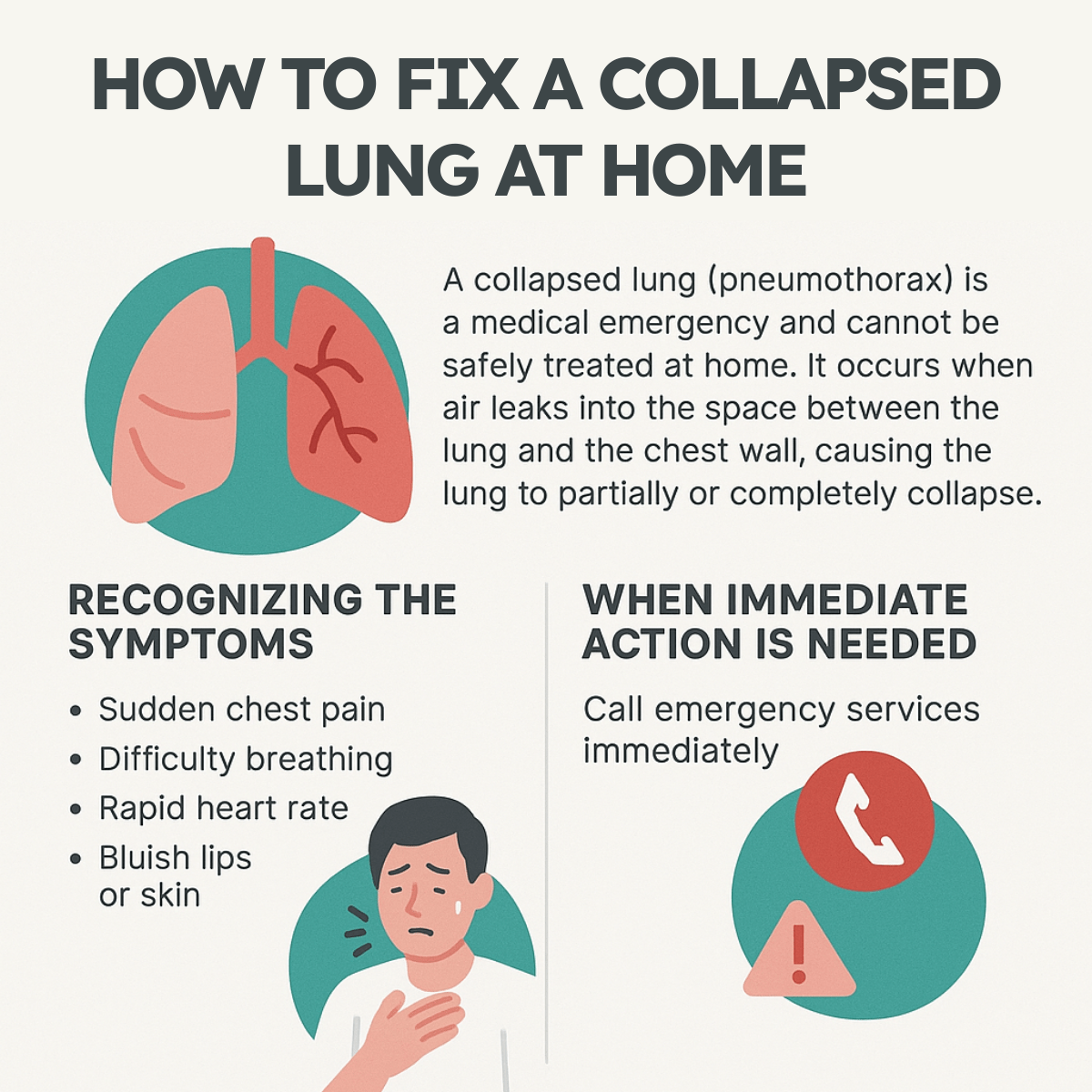
A collapsed lung (pneumothorax) is a medical emergency and cannot be safely treated at home. It occurs when air leaks into the space between the lung and the chest wall, causing the lung to partially or completely collapse. Symptoms may include sudden chest pain, difficulty breathing, rapid heart rate, and bluish lips or skin.
At home, the only appropriate step is to call emergency services immediately. While waiting for help, try to stay calm, sit upright to ease breathing, and avoid strenuous movement. Do not attempt to puncture the chest or apply pressure. Proper treatment requires hospital care, which may involve a chest tube, needle aspiration, or surgery, depending on severity.
Recognizing the Symptoms of a Collapsed Lung
A collapsed lung causes sudden changes in breathing and discomfort that differ from other chest issues. Symptoms often develop quickly and can range from mild to severe, requiring careful attention to specific signs.
Common Warning Signs
Shortness of breath occurs suddenly, often worsening with movement or deep breaths. Sharp, stabbing pain on one side of the chest is typical, and it may increase when coughing or taking a deep breath.
The skin may turn pale or bluish due to reduced oxygen levels. Rapid heart rate and anxiety are frequently present as the body reacts to decreased lung function. Coughing, sometimes accompanied by sputum, also signals trouble.
Differentiating From Other Chest Conditions
Unlike a heart attack, chest pain in a collapsed lung is usually sharp and localized rather than crushing or radiating. Pain increases with breathing, unlike muscular pain that changes with movement or pressure.
Shortness of breath is more sudden and severe than typical asthma or bronchitis symptoms. Unlike pneumonia, fever is generally absent, and breath sounds may be diminished or absent on the affected side during a collapsed lung.
When Immediate Action Is Needed
If shortness of breath suddenly worsens or chest pain becomes intense, emergency care is required. Difficulty speaking, severe dizziness, or loss of consciousness are signs of critical distress.
Blue lips or fingers and extreme anxiety signal low oxygen levels needing urgent help. Any trauma to the chest followed by these symptoms demands immediate medical attention.
Understanding the Risks of Home Treatment
Treating a collapsed lung at home carries serious dangers. Misjudging symptoms or delaying proper care can worsen the condition and cause life-threatening complications. Recognizing the limits of home care is essential to avoid critical outcomes.
Potential Complications
A collapsed lung, or pneumothorax, disrupts normal breathing and oxygen flow. Without professional care, air may continue to leak into the chest cavity. This can increase pressure on the lung, heart, and major vessels.
Possible complications include:
- Tension pneumothorax: A dangerous buildup of pressure that can collapse the lung further and reduce heart function.
- Infection: Open wounds or untreated damage may lead to infections in the chest cavity.
- Respiratory failure: Severe cases can cause inadequate oxygenation, requiring emergency intervention.
Note: Ignoring these risks at home can escalate the injury and complicate future treatment.
When Medical Help Is Critical
Medical attention is urgently needed if symptoms worsen or new warning signs appear at any stage. Critical indicators include:
- Sudden chest pain or increased tightness
- Severe shortness of breath or difficulty speaking
- Rapid heart rate or confusion
- Bluish skin or lips signaling low oxygen levels
Note: Time-sensitive treatment in a hospital involves oxygen therapy, chest tube insertion, or surgery. Delaying professional help increases the chance of permanent lung damage or death.
Why Professional Intervention Matters
Proper diagnosis and treatment require medical tools like chest X-rays and monitoring devices. Only a healthcare provider can accurately assess lung collapse size and progression.
Professional intervention offers:
- Controlled removal of air from the chest cavity
- Prevention of infection or additional tissue damage
- Guidance on safe recovery and activity restrictions
Note: Home remedies cannot replicate this level of care, making professional treatment vital to ensuring proper lung re-expansion and minimizing long-term harm.
Immediate Steps to Take if You Suspect a Collapsed Lung
If someone suspects a collapsed lung, it is vital to act promptly and carefully. Immediate actions involve securing a safe environment, addressing pain, and avoiding activities that could worsen the condition.
Ensuring Safety
First, the person should be moved to a comfortable position, preferably sitting up or reclining at a 45-degree angle. This helps ease breathing and reduces strain on the lungs. Call emergency services immediately. A collapsed lung can worsen quickly, and professional medical intervention is essential.
Keep the person calm and still. Excessive movement or agitation can increase lung damage or cause further air leakage into the chest cavity. Prevent exposure to cold air or extreme temperatures. This can help avoid additional respiratory distress.
Managing Pain and Discomfort
Pain from a collapsed lung is often sharp and sudden. Over-the-counter pain relievers such as acetaminophen or ibuprofen can be given if the person is conscious and has no allergies. Avoid strong analgesics unless prescribed, as they may depress breathing or mask worsening symptoms.
Encourage slow, deep breaths if the person can manage it. This helps maintain lung function and oxygen levels. If the person feels dizzy or lightheaded, support them by helping them to lie down safely.
Avoiding Harmful Actions
Do not attempt to seal puncture wounds yourself if a pneumothorax is suspected with an open chest injury. Applying a simple sterile dressing without sealing all sides is safer. Avoid giving the person anything to eat or drink in case surgery or more invasive procedures are needed.
Do not encourage heavy breathing exercises or vigorous physical activity. These can increase pressure in the chest and worsen lung collapse. Refrain from driving the person to the hospital unless no other options exist, as sudden movements can exacerbate the condition.
What Not to Do During a Collapsed Lung Emergency
A collapsed lung requires urgent medical care. Certain actions can worsen the condition or delay necessary treatment, increasing the risk of serious complications.
Risks of Attempting Home Invasive Procedures
Attempting invasive procedures, like using needles or puncturing the chest to relieve pressure, can introduce infection and cause more damage. Without proper medical training or sterile equipment, these actions may worsen the lung collapse or damage blood vessels and organs.
Homemade attempts to re-inflate the lung or drain air buildup are dangerous. Only healthcare professionals with the right tools can safely perform procedures such as chest tube insertion or needle decompression to treat a collapsed lung.
Dangers of Physical Activity
Physical exertion increases oxygen demand and heart rate, stressing an already compromised respiratory system. Activities like walking, climbing stairs, or carrying heavy objects can worsen lung collapse and lead to severe breathing difficulty or respiratory failure.
Rest and minimal movement are critical. Even mild activity can cause chest pain to intensify or lead to collapse enlargement. Patients should avoid all physical strain until examined by a doctor.
Misconceptions About Self-Treatment
Some believe deep breathing or coughing vigorously can re-expand a collapsed lung, but these actions may increase pain and lung injury. Over-the-counter painkillers do not address the underlying air leakage or risk of lung collapse becoming tension pneumothorax.
Home remedies, such as applying heat or using herbal treatments, have no proven benefit. Delaying professional care due to these misconceptions can be life-threatening and lead to complications like infection or lung collapse worsening.
Monitoring and Supporting Breathing at Home
Proper care focuses on positioning to ease breathing and careful observation to catch signs of decline early. Both actions help maintain comfort and alert the person to seek urgent help if needed.
Proper Positioning for Easier Breathing
Sitting upright or leaning slightly forward helps expand the chest and reduces pressure on the lungs. This position encourages deeper, more effective breaths. Using pillows to support the back and neck can prevent strain and maintain this posture longer. Avoid lying flat, as it can restrict lung expansion.
If comfortable, sitting in a recliner or gently rocking in a chair can assist with airflow and reduce anxiety related to breathing difficulties. Breathing exercises like slow, controlled breaths through the nose and out through pursed lips can improve oxygen intake and prevent hyperventilation.
Recognizing Signs of Worsening Condition
Increased shortness of breath, rapid breathing, or difficulty speaking may indicate that the lung is worsening. These symptoms require immediate medical attention. Look for pale or bluish lips and fingertips, which signal low oxygen levels. Persistent chest pain or swelling is also a serious warning.
Changes in mental status like confusion, dizziness, or extreme fatigue suggest the brain is not receiving enough oxygen. If any of these signs appear, contact emergency services immediately to prevent further complications.
Preventing Future Collapsed Lungs
Maintaining lung health requires specific actions aimed at reducing risks and addressing medical issues. Key factors include adopting safer habits and controlling diseases that affect the lungs.
Lifestyle Changes
Avoiding smoking is critical since it increases lung fragility and the risk of collapse. If he smokes, quitting immediately reduces this risk over time. Exposure to secondhand smoke should also be minimized.
Regular exercise improves lung capacity and strengthens respiratory muscles. Activities such as walking, swimming, or cycling support better lung function. However, if experiencing chest pain or breathlessness, one should consult a healthcare provider before starting exercise.
Wearing protective gear during activities that risk chest injury, like contact sports or heavy labor, helps reduce trauma that could cause a lung collapse. Avoiding high-altitude exposure without proper acclimatization is also advisable, as sudden pressure changes can affect lung stability.
Managing Underlying Health Conditions
Conditions like chronic obstructive pulmonary disease (COPD), asthma, and lung infections increase the chance of lung collapse. Proper medication use, such as prescribed inhalers or antibiotics, helps control these illnesses.
Regular check-ups with a healthcare professional allow early detection and management of any lung abnormalities. Monitoring symptoms like persistent cough, shortness of breath, or chest pain is essential.
He should follow treatment plans fully to reduce inflammation and repair lung tissue. Vaccinations for influenza and pneumonia are recommended to prevent infections that might lead to complications affecting the lungs.
FAQs About a Collapsed Lung
What Is a Collapsed Lung?
A collapsed lung, medically known as pneumothorax, occurs when air escapes into the space between the lung and chest wall. This air buildup creates pressure, preventing the lung from fully expanding. The result is partial or complete collapse, which impairs breathing and reduces oxygen delivery.
Symptoms typically include sudden chest pain, shortness of breath, and rapid heart rate. Pneumothorax can result from trauma, underlying lung disease, or occur spontaneously. It is a medical emergency requiring immediate evaluation and treatment.
How Is Pneumothorax Diagnosed?
Pneumothorax is typically diagnosed through a combination of physical examination and imaging tests. Clinicians listen for diminished or absent breath sounds on one side of the chest and check for signs of distress such as rapid breathing or bluish skin.
A chest X-ray is the most common diagnostic tool, as it clearly shows air in the pleural space. In more complex cases, a CT scan may be ordered to confirm the diagnosis and assess the severity of lung collapse.
What Is the Procedure to Fix a Collapsed Lung?
The treatment for a collapsed lung depends on its size and severity. Small pneumothoraces may resolve on their own with oxygen therapy and observation. Larger or symptomatic cases often require medical procedures such as needle aspiration or chest tube insertion to remove trapped air and allow the lung to re-expand.
In recurrent or severe cases, surgery may be needed to repair leaks and prevent recurrence. Prompt hospital care is essential, as treatment restores lung function and prevents life-threatening complications.
Can You Fix a Collapsed Lung at Home?
A collapsed lung cannot and should not be fixed at home. Pneumothorax is a medical emergency that requires professional intervention. Attempting to treat it without proper medical tools or training can worsen the condition and be life-threatening.
At home, the only safe action is to call emergency services immediately. While waiting, remain calm, avoid exertion, and sit upright to ease breathing. Definitive care involves medical procedures such as chest tube placement or surgery, which must be done in a hospital setting.
Can a Collapsed Lung Repair Itself on Its Own?
In some cases, a small pneumothorax can heal on its own as the body gradually reabsorbs the air trapped in the pleural space. This process may take several days to weeks, and the patient is closely monitored by healthcare providers during recovery.
Supplemental oxygen is often given to speed up reabsorption. However, larger or more severe cases usually require medical intervention. Even if it seems mild, medical evaluation is always necessary, as untreated pneumothorax can quickly become life-threatening.
How Long Does a Collapsed Lung Last?
The duration of a collapsed lung varies depending on severity, cause, and treatment. Small pneumothoraces that heal on their own may resolve within one to two weeks under close medical supervision. Larger cases treated with chest tubes or surgery often require several days to weeks of recovery, both in the hospital and at home.
Follow-up imaging is usually done to confirm complete lung re-expansion. In cases of repeated pneumothorax, long-term management strategies may be required to prevent recurrence.
How Do You Check Yourself for a Collapsed Lung?
It is not possible to reliably diagnose a collapsed lung on your own without medical tools. However, you can recognize warning symptoms that suggest pneumothorax. These include sudden sharp chest pain, shortness of breath, difficulty speaking, rapid heartbeat, dizziness, and bluish lips or fingers.
If you notice these symptoms, especially after chest trauma or with a history of lung disease, seek emergency care immediately. Only a medical professional using imaging tests, such as a chest X-ray, can confirm the diagnosis.
Will I Need to Stay in the Hospital With a Collapsed Lung?
Hospitalization depends on the severity of the pneumothorax. Small, stable cases may only require monitoring and oxygen therapy with follow-up visits. However, most moderate to large pneumothoraces require hospital admission for procedures such as chest tube placement to re-expand the lung.
Patients may stay for several days until their lungs have fully re-inflated and the air leak has resolved. Severe or recurrent cases may involve surgery, extending the hospital stay. In all cases, medical supervision is essential for safety.
Final Thoughts
A collapsed lung is a medical emergency that requires prompt professional treatment—there is no safe way to fix it at home. What you can do, however, is recognize the warning signs, remain calm, limit physical activity, and seek emergency care right away.
By understanding the risks and taking the proper steps while waiting for help, you can play a vital role in protecting your health or that of a loved one. Remember, quick medical intervention is the only reliable path to recovery, and trying to manage a collapsed lung at home can be dangerous and even life-threatening.

Written by:
John Landry is a registered respiratory therapist from Memphis, TN, and has a bachelor's degree in kinesiology. He enjoys using evidence-based research to help others breathe easier and live a healthier life.
References
- McKnight CL, Burns B. Pneumothorax. [Updated 2023 Feb 15]. In: StatPearls [Internet]. Treasure Island (FL): StatPearls Publishing; 2025.