

Humidifiers are a popular tool for maintaining indoor air quality, especially in dry climates or during colder months when heating systems reduce humidity levels. While their primary function is to add moisture to the air, a common question arises: Can you run a humidifier without water?
Whether due to curiosity or an accidental oversight, it’s essential to understand how a humidifier operates and the potential consequences of using one without water.
This article explores the functionality of humidifiers and provides insights into what happens when they are used improperly.

Download our free guide that has over 100+ of the best tips for healthy lungs.
Can You Run a Humidifier Without Water?
Running a humidifier without water is not recommended. Most humidifiers are designed to function only with water in the reservoir, as it is essential for producing mist or vapor to increase humidity.
Operating without water can overheat the unit and damage its internal components, potentially causing it to fail. Additionally, running a humidifier without water defeats its purpose, as it cannot humidify the air.
Some models have safety features that automatically shut off the device when water is depleted, but not all do. Always check the user manual and ensure the water tank is filled before turning on the humidifier.
How Does a Humidifier Work?
Humidifiers work by breaking down water into tiny droplets, then releasing these droplets into the air.
This process increases the moisture content in the environment, helping to alleviate symptoms of dry skin, allergies, asthma, and other respiratory conditions, while also preserving the condition of wooden furniture and fixtures.
Depending on the specific type of humidifier — which could range from ultrasonic and evaporative to steam vaporizers — the method of breaking down and releasing the water can vary.
What Happens if You Leave a Humidifier on Without Water?
Running a humidifier without water essentially means operating the device without its primary function — the addition of moisture to the air.
In essence, running a humidifier without water would not increase the humidity in your home or room, as the device wouldn’t produce any mist. You would essentially be operating a machine that uses energy but does not serve its purpose.
Potential Effects
- Device Damage: Using a humidifier without water can potentially damage the device. Most humidifiers are designed to shut off automatically when the water tank is empty to prevent overheating and damage. However, older models or low-quality humidifiers might not have this feature, and running them without water can cause the motor to overheat, potentially resulting in permanent damage or even fire hazards.
- Energy Waste: Even if the device doesn’t get damaged, running a humidifier without water is inefficient from an energy standpoint. You’d be using electricity without reaping any of the intended benefits, leading to unnecessary energy consumption and higher utility bills.
- Noise Pollution: Humidifiers, especially ultrasonic models, tend to produce noise when operating. Running a device without water, thus, may only contribute to noise pollution in your space without offering the benefits of increased humidity.
Do Humidifiers Turn Off Automatically?
Many modern humidifiers are designed with an automatic shut-off feature that turns off the device when the water level gets too low, or the desired humidity level is reached.
This feature helps prevent overheating and potential damage to the device.
Note: Not all models possess this feature, especially older or lower-quality units. Therefore, it’s crucial to check your specific device’s capabilities and safety features when using it.
Tips to Ensure Your Humidifier Never Runs Out of Water
Ensuring that your humidifier never runs out of water not only guarantees its smooth operation, but it also helps maintain the comfort and health of your indoor environment.
Here are some tips to help achieve this:
- Regular Refilling: Keep a regular schedule for refilling your humidifier, based on the rate at which it uses water. This could be daily, every few days, or even weekly, depending on the size of the water tank and the settings you use.
- Water Level Checks: Regularly check the water level in your humidifier, especially before bedtime or when you leave home for an extended period. This will ensure that it has enough water to run without interruption.
- Larger Capacity Models: If frequent refilling is inconvenient for you, consider investing in a humidifier with a larger water tank capacity. Such models can run for longer periods without requiring a refill.
- Automatic Shut-off Feature: While this feature doesn’t prevent your humidifier from running out of water, it stops the device when the water level gets too low. This helps protect the device from potential damage caused by running without water.
- Use a Hygrometer: A hygrometer measures the humidity level in your space. By keeping an eye on this, you can adjust your humidifier settings accordingly, possibly prolonging the time before a water refill is needed.
- Scheduled Water Delivery: Some smart or high-end humidifiers have options for scheduled water delivery. This technology automatically refills the water tank at set intervals, ensuring the device never runs out of water.
- App Notifications: Some advanced humidifiers can be connected to your smartphone via an app. These apps can send notifications when the water level is low, prompting you to refill the tank.
Note: The goal is not just to keep the humidifier running but to ensure it operates at optimal efficiency, improving the air quality in your home while keeping the device in good working condition. Always ensure the water used is clean to avoid any potential buildup of minerals or bacteria in your device.
How Long Can You Leave a Humidifier Running?
The duration a humidifier can run largely depends on its water tank size, settings, and model, usually between 12 to 36 hours. However, continuous operation isn’t advisable due to the risk of excessive humidity, which can promote mold and bacteria growth.
It’s also crucial to let your humidifier dry out to prevent bacterial buildup. Modern humidifiers often have built-in hygrometers to auto-regulate based on room humidity.
If yours lacks this feature, consider a standalone hygrometer to manage usage effectively and maintain a healthy environment.
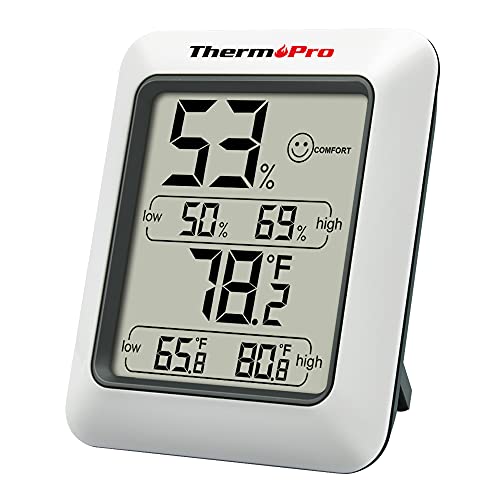
An accurate and user-friendly device designed to measure indoor temperature and humidity levels, helping you maintain optimal living conditions in your home.
FAQs About Running Humidifiers Without Water
Does a Humidifier Need Water?
Yes, a humidifier does need water to operate. Its primary function is to add moisture to the air by breaking down water into small droplets and releasing them. Without water, it cannot serve its purpose of increasing humidity.
How Long Does it Take for a Humidifier to Run Out of Water?
The time it takes for a humidifier to run out of water depends on various factors, such as the size of the water tank, the humidity setting, and the specific model.
On average, a humidifier with a full tank can operate for about 12 to 24 hours before requiring a refill. Larger models can run for up to 36 hours or more.
Can a Humidifier Catch on Fire if it Runs Out of Water?
While extremely rare, there is a potential risk of a humidifier overheating and catching fire if it runs out of water, particularly if it does not have an automatic shut-off feature and continues to operate dry.
However, most modern humidifiers are designed to turn off automatically when the water tank is empty to prevent this risk.
Can You Use CPAP Without Water?
Yes, you can use a continuous positive airway pressure (CPAP) machine without water.
However, the water in a CPAP machine is used for humidification to prevent dryness in the throat and nasal passages, enhancing comfort during therapy.
Note: If you choose to use it without water, you may experience some discomfort.
Why Does My Humidifier Turn Off by Itself?
Most modern humidifiers have an automatic shut-off feature that turns off the device when the water level gets too low or when the desired humidity level is reached.
This feature helps prevent damage to the humidifier from overheating.
What Happens When Vicks Humidifier Runs Out of Water?
When a Vicks humidifier runs out of water, it will automatically shut off to prevent damage to the device, thanks to the auto shut-off feature present in most models.
Therefore, it won’t be able to increase the humidity in your space until it’s refilled with water.
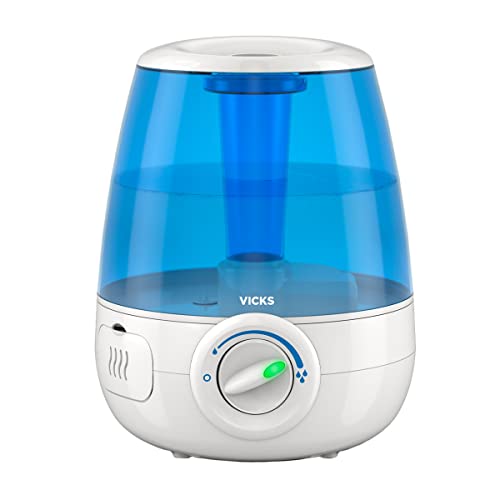
A low-maintenance, filter-free humidifier that maintains optimal humidity levels and works with VapoPads to release comforting vapors for easier breathing and a better night’s sleep.
Final Thoughts
Running a humidifier without water is neither beneficial nor advisable. These devices are specifically designed to add moisture to the environment, which can’t be achieved without a water source.
Operating a humidifier dry could potentially lead to device damage due to overheating, particularly in models lacking an automatic shut-off feature. Moreover, it’s an ineffective use of energy, leading to unnecessary electricity consumption without reaping the benefits of improved air quality.
To ensure the optimum functionality of your humidifier and a healthy, comfortable indoor climate, always ensure your device has an adequate water supply before use.

Written by:
John Landry is a registered respiratory therapist from Memphis, TN, and has a bachelor's degree in kinesiology. He enjoys using evidence-based research to help others breathe easier and live a healthier life.
References
- Byber K, Radtke T, Norbäck D, Hitzke C, Imo D, Schwenkglenks M, Puhan MA, Dressel H, Mutsch M. Humidification of indoor air for preventing or reducing dryness symptoms or upper respiratory infections in educational settings and at the workplace. Cochrane Database Syst Rev. 2021.