

Lung cancer is one of the leading causes of cancer-related deaths worldwide, and its impact becomes even more serious when a patient requires supplemental oxygen. The need for oxygen therapy typically indicates advanced disease or significant lung damage, where breathing is compromised and daily activities become more difficult.
For patients and families, understanding life expectancy at this stage is a deeply personal and often overwhelming concern. While survival depends on many factors, oxygen use often signals a progression that requires honest conversations about prognosis, treatment options, and quality of life. This article explores what to expect and the key factors that influence survival.

Download our free guide that has over 100+ of the best tips for healthy lungs.
What is the Life Expectancy of a Lung Cancer Patient on Oxygen?
Life expectancy for a lung cancer patient on oxygen depends on several factors, including cancer stage, overall health, and how well treatment is working. Generally, the need for supplemental oxygen indicates advanced disease or significant damage to lung tissue, which can shorten survival.
On average, patients with late-stage lung cancer who require oxygen may live from a few months to a couple of years, depending on whether they are receiving treatments such as chemotherapy, targeted therapy, immunotherapy, or palliative care.
It’s important to note that these numbers vary widely, and some patients live longer with supportive care. Quality of life, symptom control, and close medical follow-up are central to extending survival and maintaining comfort.
Average Survival Rates
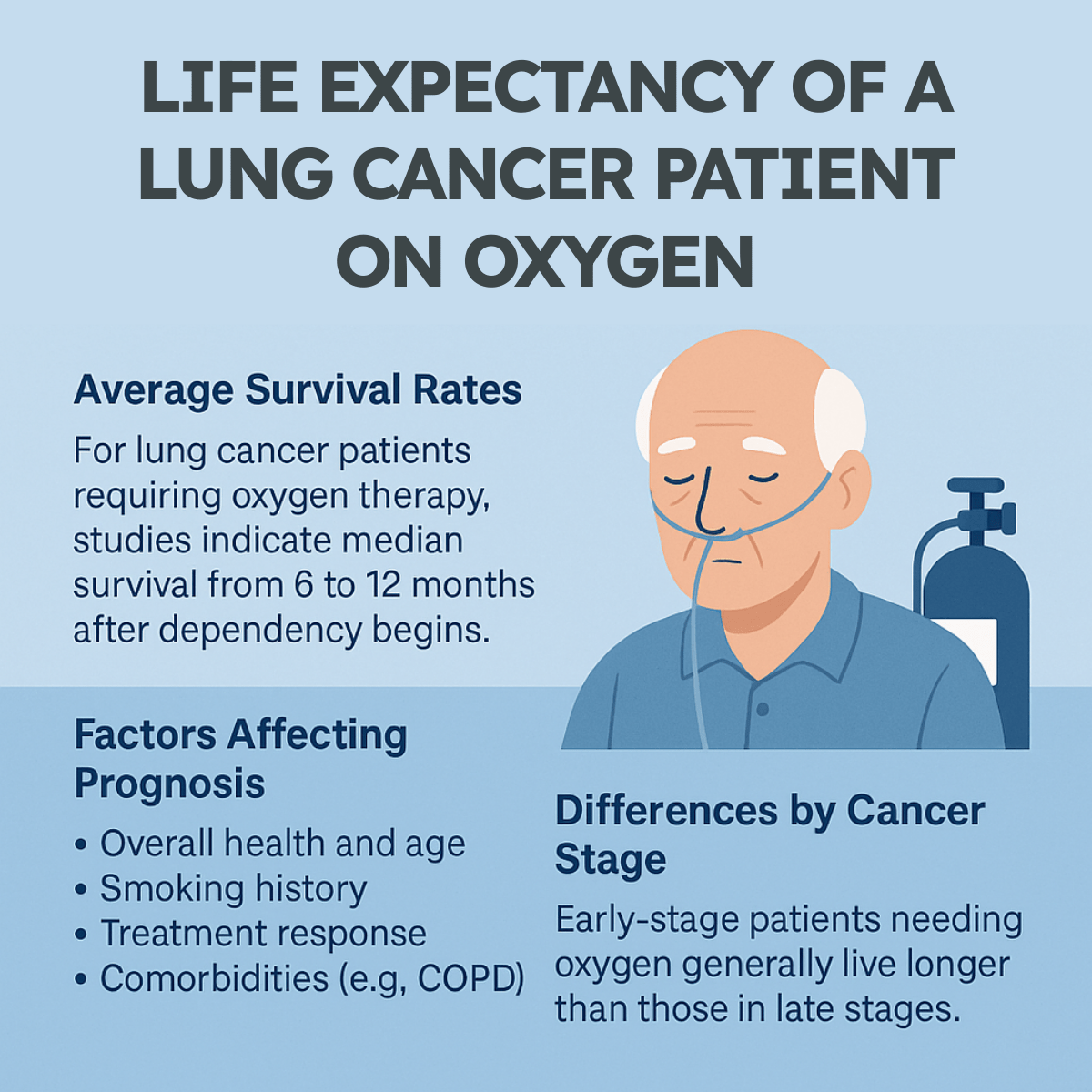
For lung cancer patients requiring oxygen therapy, average survival rates generally decline compared to those not needing oxygen. Studies indicate that the median survival time often ranges from 6 to 12 months after oxygen dependency begins. This is partly because oxygen use usually signals severe lung impairment or advanced cancer.
Survival rates differ by lung cancer type and treatment response, but consistently show reduced expectancy once oxygen becomes necessary. Palliative care, alongside oxygen treatment, aims to improve comfort during this period rather than significantly extend life.
Factors Affecting Prognosis
Key factors impacting prognosis include the patient’s overall health, age, and smoking history. Comorbidities, like chronic obstructive pulmonary disease (COPD), also worsen outcomes. Response to cancer treatment and the presence of metastases are critical as well.
Oxygen dependence itself indicates respiratory compromise, which limits physical activity and reduces the ability to tolerate aggressive cancer therapies. Psychological health and social support networks can indirectly affect survival by influencing treatment adherence.
Differences by Cancer Stage
The stage of lung cancer plays a primary role in life expectancy for patients on oxygen. Early-stage lung cancer patients who need oxygen generally have longer survival times than those in late stages.
In late-stage or metastatic cancer, oxygen use often coincides with life expectancy measured in months or weeks. Early-stage patients might live longer if oxygen use results from non-cancer-related lung damage or post-treatment complications rather than widespread disease.
Role of Oxygen Therapy in Lung Cancer Management
Oxygen therapy is a common support method in managing lung cancer, especially when the disease reduces lung function. It helps address symptoms related to low blood oxygen levels and often varies based on disease stage and patient needs.
How Oxygen Therapy Works
Oxygen therapy delivers supplemental oxygen to increase oxygen saturation in the blood. This is critical when lung cancer damages lung tissue, impairing gas exchange.
The devices used include portable concentrators and stationary oxygen tanks. These supply oxygen through nasal cannulas or masks, ensuring that tissues receive adequate oxygen to maintain cellular function and reduce breathlessness.
Oxygen therapy does not treat cancer itself but improves symptoms like shortness of breath and fatigue. Patients with low blood oxygen levels (hypoxemia) may see improved energy and cognitive function when using oxygen support.
Early Versus Advanced Stage Oxygen Requirements
In early-stage lung cancer, oxygen therapy is often not necessary. Patients typically maintain sufficient lung function to meet daily oxygen needs without supplementation. As the cancer advances, lung damage worsens, and hypoxemia becomes more frequent. Oxygen requirements increase, often necessitating continuous or nighttime oxygen use.
Advanced-stage patients may require flow rates ranging from 2 to 6 liters per minute, adjusted based on oxygen saturation targets (usually above 88-90%). Medical teams regularly monitor and adjust oxygen delivery to optimize comfort and prevent complications.
Impact on Daily Life
Oxygen therapy impacts a patient’s lifestyle by requiring equipment use throughout the day or night. Portable oxygen allows mobility but may limit some activities due to device handling and battery life.
Patients often report relief from breathlessness, which can improve quality of life and physical activity tolerance. However, dependency on oxygen can also lead to psychological challenges like anxiety or self-consciousness.
Caregivers and healthcare providers emphasize education on safe oxygen use, device maintenance, and recognizing signs of oxygen needs change. This education helps maintain independence while ensuring safety.
Medical Factors Influencing Survival
Survival in lung cancer patients on oxygen depends heavily on specific health conditions, cancer characteristics, and how well the disease responds to treatment. These elements directly impact life expectancy and quality of life.
Comorbidities and Overall Health
The presence of other chronic illnesses significantly affects survival. Conditions such as chronic obstructive pulmonary disease (COPD), heart disease, or diabetes can worsen respiratory function and complicate treatment.
Patients with multiple comorbidities generally have a shorter life expectancy compared to those with fewer health issues. Comorbidities may limit treatment options and reduce tolerance to therapies, increasing risks of complications.
Overall physical strength and nutritional status also play roles. Weaker patients often experience faster decline, while better general health supports longer survival and improved response to oxygen therapy.
Type of Lung Cancer
The survival rate varies between non-small cell lung cancer (NSCLC) and small cell lung cancer (SCLC). NSCLC tends to progress more slowly, often allowing for longer survival, while SCLC is more aggressive and usually results in a shorter lifespan.
Specific genetic mutations or molecular markers found in the tumor can influence prognosis and treatment strategies. For example, patients with EGFR mutations may respond better to targeted therapies.
Note: Tumor stage at diagnosis is crucial. Advanced-stage cancers typically correlate with reduced survival, especially when oxygen therapy becomes necessary.
Response to Treatment
How well a patient responds to chemotherapy, radiation, targeted drugs, or immunotherapy directly affects prognosis. Effective treatment can stabilize the disease, reduce symptoms, and improve lung function.
Oxygen dependence itself reflects advanced disease, yet some patients maintain stability for months or years when treatments control cancer growth effectively. Treatment side effects and complications also influence survival. Patients who tolerate therapies without severe adverse effects tend to have better outcomes and longer life expectancy.
Quality of Life Considerations
Life with lung cancer on oxygen involves managing physical discomfort, emotional stress, and complex medical decisions. Attention to symptoms, mental health, and supportive care can help maintain dignity and comfort during treatment.
Physical Symptoms
Patients often experience shortness of breath, fatigue, and chest pain, which oxygen therapy partially alleviates but does not fully resolve. Coughing and frequent respiratory infections are common, contributing to reduced mobility and daily activity levels.
Managing these symptoms requires regular assessment and medication adjustments. Nutritional support and physical therapy may improve strength and endurance, helping patients maintain independence for longer periods.
Emotional and Psychological Effects
Breathlessness combined with illness uncertainty can cause anxiety and depression. The visible need for oxygen often affects self-image and social interactions, sometimes leading to isolation.
Mental health support through counseling or support groups is critical. Family involvement and open communication about prognosis and care preferences also help reduce emotional distress. Medication may be necessary for severe anxiety or depression.
Palliative Care Options
Palliative care focuses on symptom relief and improving life quality without aiming to cure. It includes pain management, oxygen optimization, and psychological support, tailored to individual patient needs.
Hospice care can be introduced when curative treatment is no longer effective, ensuring comfort and dignity in the final stages. Coordination among specialists ensures that both physical and emotional needs are addressed consistently.
Support Strategies for Patients and Families
Effective support involves both practical care arrangements and clear communication with the medical team. These elements help manage symptoms and ensure that the patient’s needs and wishes are met with dignity.
Hospice and Home Care
Hospice care focuses on comfort and symptom management, typically when curative treatments are no longer effective. It provides physical, emotional, and spiritual support tailored to lung cancer patients dependent on oxygen.
Home care services include skilled nursing, respiratory therapy, and assistance with daily activities. These support systems reduce hospital visits and help maintain a familiar environment. Equipment like oxygen concentrators and mobility aids are often provided by home care teams to improve quality of life.
Families benefit from counseling and respite care options, which help manage caregiver stress. Hospice programs often include multidisciplinary teams to address pain, breathlessness, and other complex needs.
Communication With Healthcare Team
Clear communication with doctors, nurses, and therapists is vital for effective symptom control and treatment planning. Patients and caregivers should regularly update the team on oxygen use, breathing difficulties, and side effects.
Questions about prognosis, medication adjustments, and emergency care protocols are important to discuss early. Written care plans and advance directives help guide decisions if the patient’s condition changes rapidly.
Note: Open dialogue also supports emotional well-being by addressing fears and expectations honestly. Families can request meetings to clarify medical information and coordinate support services.
Recent Advances in Lung Cancer Treatment
Lung cancer treatment has progressed significantly in recent years, particularly for patients requiring supplemental oxygen. Targeted therapies have become a critical component, focusing on specific genetic mutations such as EGFR, ALK, and ROS1. These drugs can improve survival and quality of life by directly inhibiting cancer growth mechanisms.
Immunotherapy is another major advance. It harnesses the body’s immune system to attack cancer cells. Drugs like checkpoint inhibitors have shown promise, extending life expectancy for some patients with advanced lung cancer.
Minimally invasive techniques such as stereotactic body radiation therapy (SBRT) offer precise tumor targeting while sparing healthy lung tissue. This is especially important for patients with compromised lung function on oxygen therapy.
Chemotherapy remains a standard treatment, but is often combined with new agents to enhance effectiveness. Combination therapies may help control disease progression and symptoms. Supportive care techniques have also improved, with better management of oxygen delivery and symptoms. This helps maintain quality of life during treatment.
Note: These treatment advances allow physicians to tailor therapy to the patient’s lung function and cancer type, aiming for optimal outcomes even in severe cases.
FAQs About Oxygen Therapy and Lung Cancer
Do Lung Cancer Patients Need Oxygen?
Not all lung cancer patients require oxygen, but those with advanced disease or reduced lung function often benefit from supplemental oxygen therapy. As tumors grow, they can block airways or damage lung tissue, making it difficult to get enough oxygen into the bloodstream.
Oxygen helps alleviate symptoms such as shortness of breath, fatigue, and confusion resulting from low oxygen levels. Doctors usually prescribe it when oxygen saturation drops below safe levels, ensuring patients can breathe more comfortably and maintain a better quality of life.
What Does It Mean When a Cancer Patient Needs Oxygen?
When a cancer patient needs oxygen, it usually means their lungs are not able to deliver enough oxygen to the body on their own. This can result from tumor growth, fluid buildup around the lungs, or scarring from treatments like radiation.
Requiring oxygen often signals advanced disease, especially in lung cancer, and highlights the need for supportive care. While it may not cure the cancer, oxygen therapy plays a critical role in easing breathing, reducing strain on the heart, and improving day-to-day comfort.
What Is the Life Expectancy of a Stage 4 Lung Cancer Patient?
Stage 4 lung cancer is the most advanced stage, and life expectancy is generally limited. On average, patients typically live between six months and two years, depending on the treatment and their overall health.
Newer options such as targeted therapies and immunotherapy have improved survival for some patients, allowing them to live longer than traditional statistics suggest. However, prognosis varies greatly from person to person.
Note: Some patients may respond well to treatment, while others experience rapid progression, making individualized care and close medical guidance essential.
What Is Palliative Care for Stage 4 Lung Cancer?
Palliative care for stage 4 lung cancer focuses on improving quality of life rather than curing the disease. It addresses symptoms such as pain, breathlessness, fatigue, and emotional distress while providing support for both patients and families. This type of care may include medications, oxygen therapy, counseling, and assistance with daily activities.
Palliative care can be provided alongside treatments like chemotherapy or immunotherapy, ensuring patients remain as comfortable as possible. The goal is to alleviate suffering, promote dignity, and support patients throughout every stage of their illness.
How Long Can an Elderly Person Live With Lung Cancer?
Life expectancy for an elderly person with lung cancer depends on the cancer’s stage, overall health, and treatment options available. Older adults often face additional challenges, including other medical conditions, which can impact their survival.
Some may live months to a few years, particularly if diagnosed in later stages, while others with early detection and treatment may live longer. Age itself is not the only factor; fitness level, lung function, and willingness to pursue treatment all play major roles in determining survival outcomes.
How Long Does a Lung Cancer Patient Live Without Treatment?
Without treatment, lung cancer typically progresses quickly, leading to a shorter life expectancy. For advanced stages, survival may be limited to a few months, though this can vary depending on the cancer’s growth rate and the patient’s overall health.
Early-stage lung cancer without treatment may allow survival for a year or more, but the disease generally advances unchecked. While some patients may decline treatment due to side effects or personal preference, supportive and palliative care remain essential for reducing discomfort and improving quality of life.
Final Thoughts
The life expectancy of a lung cancer patient on oxygen varies widely, but it generally reflects advanced disease and the need for specialized care. While statistics can provide a general outlook, each patient’s journey is unique and shaped by factors such as cancer type, treatment options, and overall health.
Oxygen therapy not only supports breathing but also helps improve comfort and quality of life in individuals with limited lung function. Ultimately, focusing on personalized treatment, palliative care, and open communication with healthcare providers can make a meaningful difference.
By understanding the significance of oxygen use in the context of lung cancer, patients and their families can better prepare, plan, and find ways to maximize their time and well-being.

Written by:
John Landry is a registered respiratory therapist from Memphis, TN, and has a bachelor's degree in kinesiology. He enjoys using evidence-based research to help others breathe easier and live a healthier life.
References
- Lim RB. End-of-life care in patients with advanced lung cancer. Ther Adv Respir Dis. 2016.