Learn how The Joint Commission (TJC) sets healthcare standards that guide respiratory therapists in delivering safe, quality care.


Learn how The Joint Commission (TJC) sets healthcare standards that guide respiratory therapists in delivering safe, quality care.

Learn what jugular venous distention (JVD) is, its causes, and why it’s important for respiratory therapists in patient care.

Learn how CPAP improves breathing, supports oxygenation, and helps respiratory therapists provide effective patient care.

Learn how severe coughing can sometimes cause a collapsed lung, who’s at risk, and when to seek medical attention.

Discover whether coughing up blood always means tuberculosis, its possible causes, and why prompt medical evaluation is crucial.

Learn about the lung transplant age limit, factors that affect eligibility, and how age impacts candidacy and outcomes.

Discover the most common sites of lung cancer metastasis, including the brain, bones, liver, and adrenal glands.

Learn the causes, signs, and treatment options for lung adenocarcinoma to improve awareness, early detection, and better outcomes.

Learn the common symptoms of a minor chest injury, including pain, bruising, swelling, and soreness, and when to seek care.

Learn about the xiphoid process, its anatomy, functions, and why it is important for respiratory therapists and patient care.

Learn how the Yankauer suction catheter supports airway management by clearing secretions and improving patient safety in respiratory care.

Explore the essential ventilator modes used in critical care, understanding their functions and applications during mechanical ventilation.

Learn what a blood gas analyzer is, how it works, and why it’s vital for respiratory care, oxygenation, and acid-base balance.

Learn how the Bohr effect links CO₂ and pH to hemoglobin’s oxygen binding, ensuring efficient delivery and gas exchange.
Learn what bicarbonate (HCO₃⁻) is and why it’s essential in respiratory care, ABG interpretation, and acid-base balance.

Explore meconium aspiration syndrome (MAS), including the causes, symptoms, treatments, and prevention of newborn respiratory distress.

Learn what a barrel chest is, how it’s linked to COPD, and explore its causes, diagnosis, and treatment options.

Learn how auscultation helps respiratory therapists assess breath sounds, detect abnormalities, and guide effective patient care.

Learn what artificial airways are, their types, and why they are vital in respiratory care for life support and patient safety.
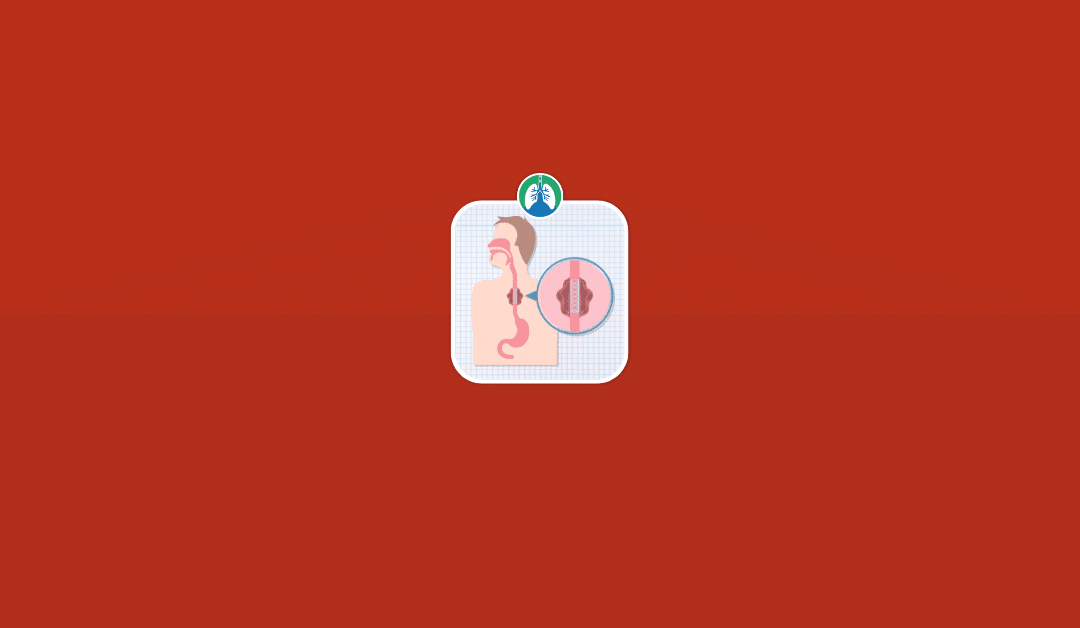
Learn where esophageal cancer spreads first, common sites of metastasis, and why early detection is critical for better outcomes.