
Your lungs play a vital role in keeping your body alive by delivering oxygen to your bloodstream and removing carbon dioxide. When lung function begins to decline, the body often sends warning signs that should never be ignored.
Lung failure can develop gradually due to chronic conditions or occur suddenly because of severe illness or injury. Recognizing the early symptoms is essential because prompt medical care can improve outcomes and potentially save lives.
This article explores the signs your lungs may be failing, helping you understand what to watch for and when to seek medical attention before symptoms become life-threatening.

Download our free guide that has over 100+ of the best tips for healthy lungs.
What Signs Indicate That Your Lungs Are Failing?
Signs that your lungs may be failing often relate to the body not getting enough oxygen or struggling to remove carbon dioxide. Common warning signs include persistent shortness of breath that worsens with activity or occurs at rest, rapid or shallow breathing, and chronic coughing or wheezing.
Bluish lips, skin, or fingernails can indicate dangerously low oxygen levels, while chest tightness or pain may occur during breathing. Many people also experience extreme fatigue, weakness, or difficulty concentrating due to reduced oxygen delivery to the brain and muscles.
In more advanced cases, visible strain when breathing, swelling in the legs or ankles, or changes in the shape of the fingertips can signal serious and progressive lung dysfunction.
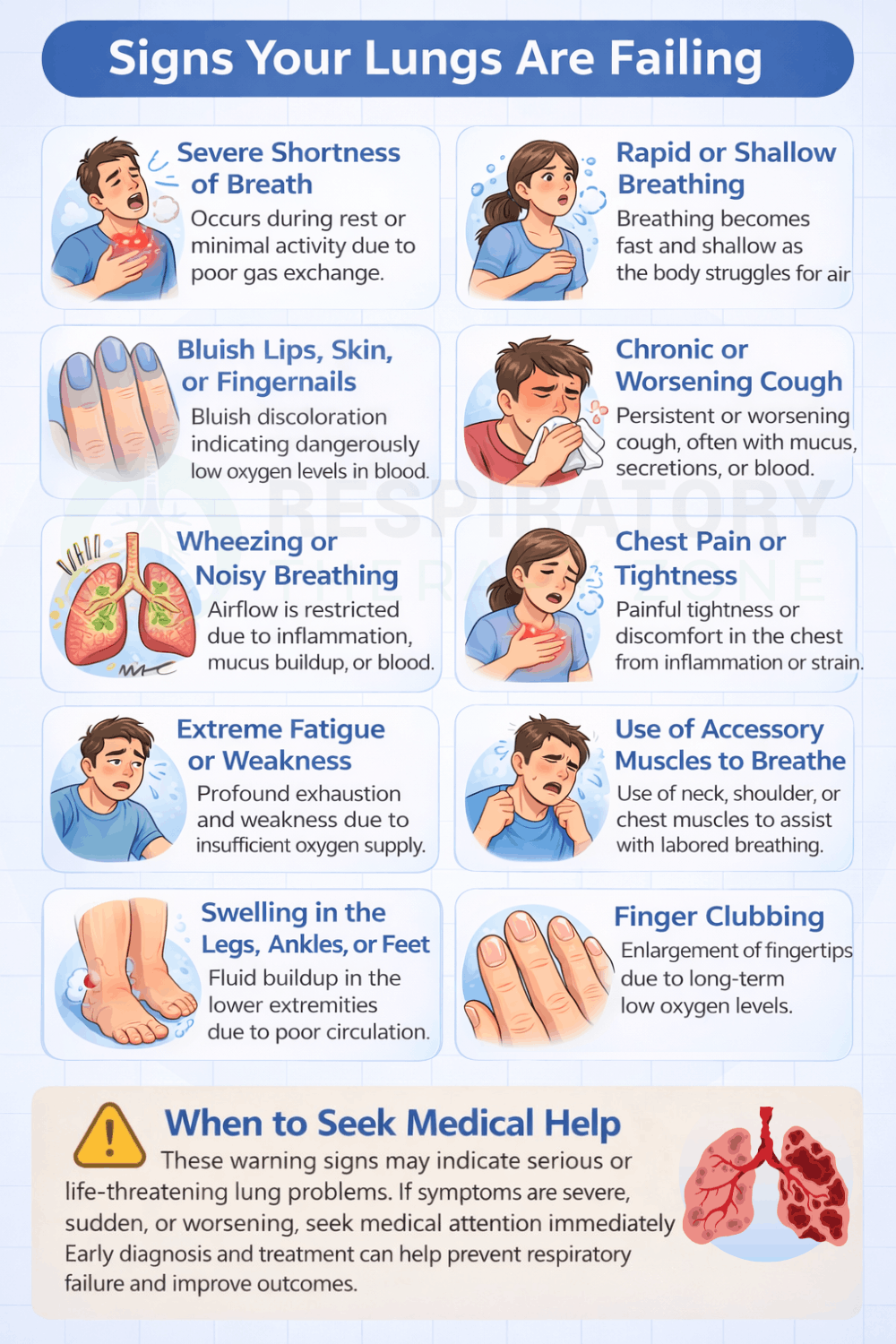
Warning Signs Your Lungs Are Failing
Your lungs often show warning signs when they begin to struggle, and recognizing these symptoms early can help you seek treatment before serious complications develop.
Watch this video and keep reading to learn more about the most common signs that may indicate declining lung function. Understanding these warning signals can help you protect your respiratory health and know when to seek medical attention.
1. Severe Shortness of Breath
Severe shortness of breath is often one of the earliest and most alarming signs that the lungs are failing. It occurs when the lungs cannot transfer enough oxygen into the bloodstream or remove carbon dioxide effectively.
At first, a person may notice difficulty breathing during physical activity, but as lung function worsens, breathlessness can occur even at rest. Simple tasks such as walking across a room, talking, or lying flat may feel exhausting. Many people describe the sensation as air hunger or feeling like they cannot get a full breath.
This symptom may also cause anxiety or panic, which can further worsen breathing difficulty. Severe or sudden shortness of breath should always be treated as a medical emergency because it can signal life-threatening respiratory failure.
2. Rapid or Shallow Breathing
Rapid or shallow breathing develops when the body attempts to compensate for impaired lung function. When oxygen levels drop or carbon dioxide levels rise, the brain signals the respiratory system to increase breathing rate. This often results in quick, shallow breaths that are less effective at delivering oxygen to the bloodstream.
While this may temporarily help maintain gas exchange, it can quickly lead to respiratory muscle fatigue and worsening oxygen deprivation. Rapid breathing may also be accompanied by feelings of air hunger, chest tightness, or visible distress. In some cases, breathing may become irregular or labored.
Note: This symptom often indicates that the lungs are under significant stress and struggling to meet the body’s demands, especially during advanced lung disease or acute respiratory conditions.
3. Bluish Lips, Skin, or Fingernails
Bluish discoloration of the lips, skin, or fingernails, known as cyanosis, is a serious sign of low oxygen levels in the blood. This occurs when oxygen saturation drops to a level that causes hemoglobin in the blood to change color, giving the skin a blue or gray appearance.
Cyanosis is most noticeable around the lips, fingertips, and nail beds, but it may also appear on the face or extremities. This symptom usually indicates advanced lung dysfunction or severe respiratory distress. It often develops alongside other symptoms such as shortness of breath, confusion, or fatigue.
Note: Cyanosis should never be ignored because it suggests that vital organs, including the brain and heart, may not be receiving enough oxygen to function properly.
4. Chronic or Worsening Cough
A chronic or worsening cough can be a warning sign that the lungs are failing, especially when it persists for weeks or produces mucus, blood, or thick secretions. The cough reflex helps clear irritants, infections, and excess mucus from the airways, but when lung disease progresses, coughing may become constant or ineffective.
Conditions such as chronic obstructive pulmonary disease (COPD), pulmonary fibrosis, lung infections, and lung cancer can all cause persistent coughing. Over time, repeated coughing can lead to chest soreness, fatigue, and difficulty sleeping.
Changes in the character of the cough, such as increased mucus production, darker sputum, or coughing up blood, may indicate worsening lung damage or infection. A chronic cough that does not improve with treatment should always be evaluated by a healthcare professional.
5. Wheezing or Noisy Breathing
Wheezing or noisy breathing occurs when airflow becomes restricted within the airways. This produces a high-pitched whistling sound or rattling noise during inhalation or exhalation. Wheezing is commonly associated with airway inflammation, mucus buildup, or airway narrowing caused by conditions such as asthma, COPD, or severe lung infections.
As lung function declines, wheezing may become louder or more persistent, indicating worsening airway obstruction. Some individuals may also experience chest tightness or difficulty fully emptying their lungs during exhalation.
In severe cases, noisy breathing may be accompanied by visible breathing effort or respiratory distress. Wheezing is a sign that airflow is compromised and should be evaluated, especially if it develops suddenly or worsens over time.
6. Chest Pain or Tightness
Chest pain or tightness can occur when lung disease interferes with normal breathing or causes inflammation within the lungs and surrounding tissues. This discomfort may feel sharp, dull, or pressure-like and can worsen during deep breathing, coughing, or physical activity.
In some cases, chest pain may result from infections such as pneumonia, inflammation of the lung lining (pleurisy), or reduced oxygen delivery to the heart. When the lungs fail to provide adequate oxygen, the heart must work harder, which can also contribute to chest discomfort.
Although chest pain can have many causes, including heart conditions, it should never be ignored. Persistent or severe chest pain accompanied by breathing difficulty requires immediate medical evaluation to rule out serious or life-threatening conditions.
7. Extreme Fatigue or Weakness
Extreme fatigue or weakness is a common symptom when the lungs are failing because the body is not receiving enough oxygen to produce energy efficiently. Oxygen is essential for cellular metabolism, and when levels drop, muscles and organs cannot function properly.
Individuals may notice they tire easily during routine tasks, such as climbing stairs, walking short distances, or performing daily activities. Fatigue may also be accompanied by muscle weakness, reduced endurance, and overall exhaustion.
Over time, this can significantly impact quality of life and limit independence. Chronic fatigue related to lung disease often worsens gradually as respiratory function declines. When fatigue is persistent, unexplained, or worsening alongside breathing problems, it may signal advanced lung dysfunction and should be evaluated by a healthcare provider.
8. Use of Accessory Muscles to Breathe
The use of accessory muscles to breathe occurs when the primary breathing muscles, especially the diaphragm, can no longer meet the body’s respiratory demands. This forces the body to recruit additional muscles in the neck, shoulders, and upper chest to help draw air into the lungs.
Signs include visible tightening of neck muscles, shoulder lifting with each breath, or retractions between the ribs. Some individuals may lean forward while sitting, known as the tripod position, to improve airflow and reduce breathing effort.
This symptom usually indicates significant respiratory distress and increased work of breathing. When accessory muscle use is noticeable, it often means the lungs are severely compromised and struggling to maintain adequate oxygen and carbon dioxide exchange.
9. Swelling in the Legs, Ankles, or Feet
Swelling in the legs, ankles, or feet, known as peripheral edema, can develop when chronic lung disease places excessive strain on the heart. When lung function declines, the heart must work harder to pump blood through the lungs, which can lead to right-sided heart failure, also called cor pulmonale.
As the heart weakens, fluid may accumulate in the lower extremities due to poor circulation and increased pressure in the blood vessels. Swelling may worsen throughout the day, especially after prolonged standing or sitting.
This symptom often develops gradually and may be accompanied by weight gain, fatigue, or shortness of breath. Peripheral edema is a sign of advanced cardiopulmonary stress and requires medical evaluation to determine the underlying cause.
10. Finger Clubbing
Finger clubbing is a physical change in the shape of the fingers and fingernails that can occur with long-term lung disease. It causes the fingertips to become enlarged and rounded, while the nails may curve downward, creating a bulb-like appearance.
Clubbing develops gradually and is often associated with chronic low oxygen levels in the blood. It is commonly seen in conditions such as lung cancer, pulmonary fibrosis, cystic fibrosis, and chronic infections. Although clubbing itself is usually painless, it signals ongoing and significant lung dysfunction.
Healthcare providers often check for this sign during physical examinations because it can indicate chronic respiratory disease or other serious medical conditions that require further evaluation and treatment.
FAQs About the Signs Your Lungs Are Failing
What Are the Early Signs of Lung Failure?
Early signs of lung failure often include persistent shortness of breath, especially during physical activity, along with rapid or shallow breathing. Some individuals may notice frequent coughing, wheezing, or chest tightness that does not improve over time.
Fatigue and reduced exercise tolerance are also common because the body is not receiving enough oxygen. In some cases, mild confusion or difficulty concentrating may develop.
Note: Recognizing these early symptoms is important because prompt medical evaluation and treatment can slow disease progression and improve overall respiratory function.
How Can You Tell If Your Lungs Are Struggling?
You may notice that your lungs are struggling if breathing feels more difficult than usual or if everyday activities leave you feeling winded. Other warning signs include noisy breathing, chronic coughing, chest discomfort, and feeling unable to take a deep breath.
You may also experience increased fatigue or dizziness due to low oxygen levels. In more severe cases, you may use extra muscles in your neck or shoulders to breathe. If breathing problems persist or worsen, it is important to seek medical evaluation to identify the underlying cause.
How Do You Know If Your Lungs Are Close to Collapsing?
Signs that the lungs may be close to collapsing can include sudden, severe chest pain, sharp pain when breathing, and sudden shortness of breath. A collapsed lung, also known as pneumothorax, may cause one side of the chest to feel tight or painful. Breathing may become rapid and shallow, and oxygen levels may drop quickly.
Some individuals may also experience dizziness, a rapid heart rate, or extreme anxiety. A suspected lung collapse is a medical emergency and requires immediate evaluation and treatment to prevent life-threatening complications.
What Does It Feel Like When Your Lungs Fail?
When the lungs begin to fail, many people describe a feeling of air hunger or the sensation that they cannot get enough oxygen. Breathing may feel labored, exhausting, or uncomfortable even while resting. Individuals may also experience chest tightness, wheezing, or persistent coughing.
Fatigue, confusion, and dizziness can develop as oxygen levels fall and carbon dioxide levels rise. Some people may feel anxious or panicked because of the difficulty breathing. These symptoms can worsen quickly and should be evaluated by a healthcare professional.
How Is Respiratory Failure Treated?
Respiratory failure is treated by improving oxygen levels, removing carbon dioxide, and addressing the underlying cause. Treatment often includes supplemental oxygen therapy and medications to reduce airway inflammation or open the airways.
In more severe cases, noninvasive ventilation such as BiPAP or CPAP may be used to support breathing. If breathing becomes critically impaired, mechanical ventilation may be required. Additional treatments may involve antibiotics, steroids, or diuretics, depending on the condition causing respiratory failure.
Note: Early treatment improves outcomes and reduces the risk of complications.
Can Respiratory Failure Be Prevented?
Respiratory failure cannot always be prevented, but many risk factors can be reduced. Avoiding smoking and exposure to harmful air pollutants helps protect lung health. Managing chronic lung conditions such as asthma, COPD, or pulmonary fibrosis with proper medications and regular medical care is essential.
Staying physically active, maintaining a healthy diet, and keeping vaccinations up to date can also reduce respiratory complications. Early treatment of lung infections and routine health screenings can help detect lung problems before they progress to respiratory failure.
Can You Survive Respiratory Failure?
Yes, many people survive respiratory failure, especially when it is diagnosed and treated early. Survival often depends on the severity of the condition, the underlying cause, and how quickly treatment begins.
Some individuals recover completely, while others may require long-term oxygen therapy or ongoing medical management.
Advances in respiratory care, including ventilatory support and specialized treatments, have significantly improved survival rates. Rehabilitation and lifestyle changes can also help individuals regain strength and improve lung function after recovery from respiratory failure.
How Is Respiratory Failure Diagnosed?
Respiratory failure is diagnosed through a combination of physical examination, medical history, and diagnostic testing. Healthcare providers often perform arterial blood gas testing to measure oxygen and carbon dioxide levels in the blood.
Pulse oximetry may be used to monitor oxygen saturation. Imaging tests such as chest X-rays or CT scans help identify lung abnormalities, infections, or structural problems. Pulmonary function tests and laboratory studies may also be used to determine the underlying cause.
Note: Early and accurate diagnosis is critical for guiding appropriate treatment and improving patient outcomes.
Final Thoughts
Recognizing the signs of lung failure is crucial for protecting your health and seeking treatment before complications become severe. Symptoms such as worsening shortness of breath, persistent coughing, fatigue, and changes in skin color often indicate that the lungs are struggling to perform their essential functions.
While some symptoms may develop gradually, others can appear suddenly and require immediate medical attention. Early diagnosis and proper management can slow disease progression, improve quality of life, and potentially prevent life-threatening respiratory failure.
If you or someone you know experiences these warning signs, it is important to consult a healthcare professional promptly to ensure proper evaluation and treatment.

Written by:
John Landry is a registered respiratory therapist from Memphis, TN, and has a bachelor's degree in kinesiology. He enjoys using evidence-based research to help others breathe easier and live a healthier life.
References
- Mirabile VS, Shebl E, Sankari A, et al. Respiratory Failure in Adults. [Updated 2023 Jun 11]. In: StatPearls [Internet]. Treasure Island (FL): StatPearls Publishing; 2025.