
Fluid in the lungs is a serious condition that can interfere with normal breathing and oxygen exchange. It may develop gradually or appear suddenly, depending on the underlying cause. Many people associate this problem with severe illness, but the early symptoms can be subtle and easy to overlook.
Recognizing these signs is important for timely treatment and preventing complications. This article explains the symptoms of fluid in the lungs, how they present, and what they may indicate about the severity of the condition.

Download our free guide that has over 100+ of the best tips for healthy lungs.
What Does “Fluid in the Lungs” Mean?
The term “fluid in the lungs” is commonly used to describe conditions such as pulmonary edema or pleural effusion. Although these are different medical issues, they both involve abnormal fluid accumulation that affects breathing.
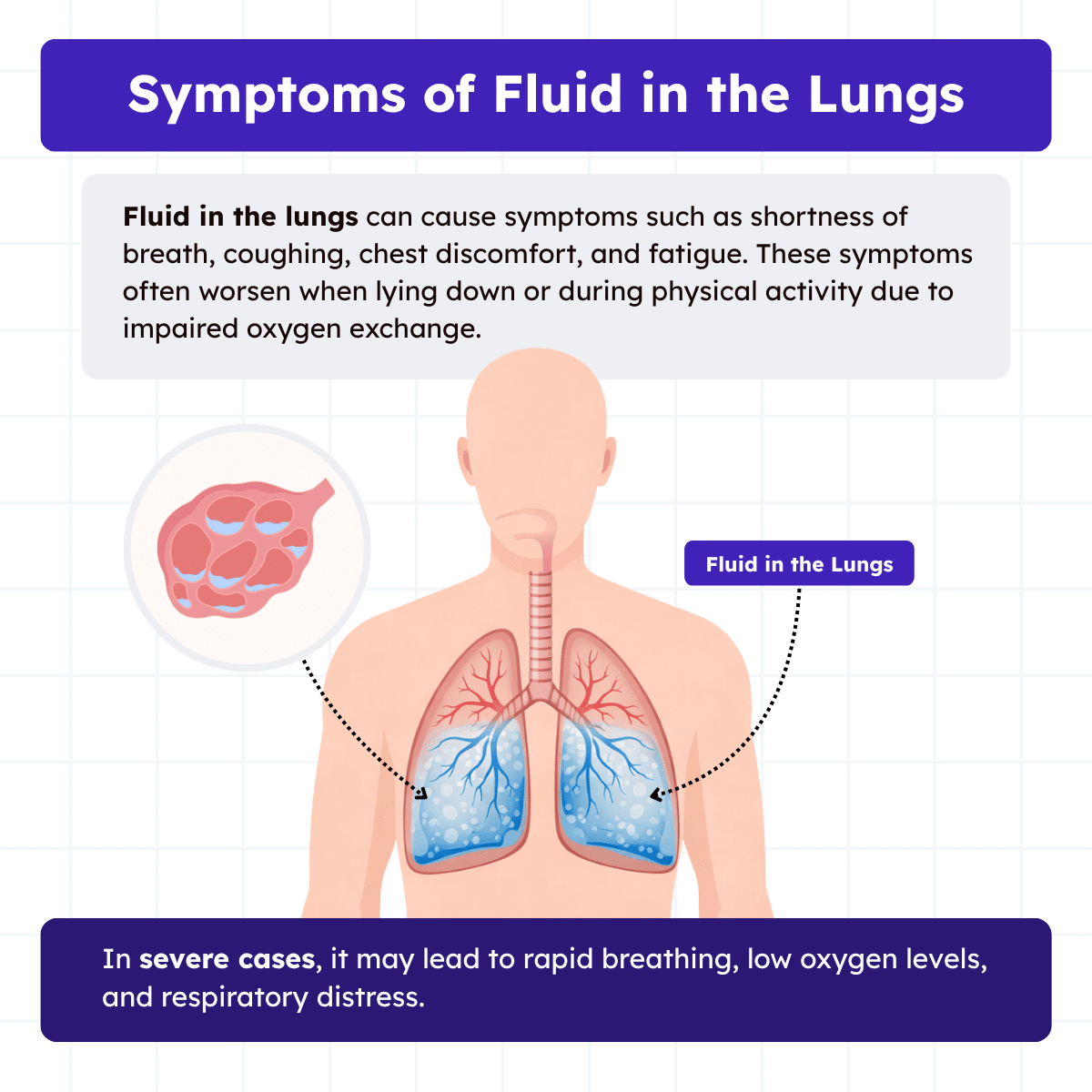
Pulmonary edema occurs when fluid builds up inside the alveoli, which are the tiny air sacs responsible for gas exchange. This directly interferes with oxygen entering the bloodstream. Pleural effusion, on the other hand, involves fluid collecting in the pleural space surrounding the lungs, which restricts lung expansion.
Regardless of the exact cause, the presence of fluid leads to similar respiratory symptoms that can worsen over time if not addressed.
Early Symptoms of Fluid in the Lungs
In the early stages, symptoms may be mild and nonspecific. This can make the condition difficult to recognize, especially in individuals with underlying respiratory or cardiac disease.
One of the first signs is mild shortness of breath. A person may notice that activities that were previously easy, such as walking or climbing stairs, become more difficult. This occurs because fluid interferes with oxygen transfer, forcing the body to work harder to maintain adequate oxygen levels.
Another early symptom is a subtle feeling of chest discomfort or tightness. This is not always painful but may feel like pressure or heaviness in the chest. Some individuals also report fatigue, which results from reduced oxygen delivery to tissues.
Note: A persistent cough may develop as well. At this stage, the cough is often dry and may be mistaken for a minor respiratory irritation or allergy.
Progressive Shortness of Breath
As fluid accumulation increases, shortness of breath becomes more pronounced. This is one of the most common and concerning symptoms. Patients may begin to feel breathless even at rest. Activities such as talking, eating, or lying down can trigger or worsen the sensation. This happens because fluid in the alveoli reduces the surface area available for gas exchange, leading to decreased oxygen levels in the blood.
A classic sign is orthopnea, which refers to difficulty breathing when lying flat. Many individuals find relief by sitting upright or propping themselves up with pillows. This occurs because fluid redistributes within the lungs when the body is in a horizontal position.
Another related symptom is paroxysmal nocturnal dyspnea. This involves sudden episodes of severe shortness of breath that wake a person from sleep. These episodes can be frightening and are often associated with underlying heart conditions.
Cough and Sputum Production
Coughing is a common symptom of fluid in the lungs and can vary depending on the cause and severity. In pulmonary edema, the cough may produce frothy sputum that can appear white or pink. The pink coloration is due to small amounts of blood mixing with fluid in the alveoli. This is a concerning sign and typically indicates more advanced disease.
In cases of pleural effusion, the cough is often dry and nonproductive. It may worsen with deep breathing or changes in position. The cough may become more persistent over time and can interfere with sleep and daily activities. In some cases, it is accompanied by a sensation of fluid movement or bubbling in the chest.
Chest Pain or Discomfort
Chest discomfort is another symptom that may occur, although its characteristics can vary. In pleural effusion, patients often experience sharp, localized chest pain that worsens with deep breathing, coughing, or movement. This type of pain is known as pleuritic chest pain and is caused by irritation of the pleural lining.
In pulmonary edema, the discomfort is more commonly described as pressure or tightness rather than sharp pain. This may be accompanied by a feeling of heaviness in the chest.
Note: It is important to differentiate these symptoms from those of cardiac conditions such as a heart attack, as the presentation can sometimes overlap.
Rapid and Shallow Breathing
As the body attempts to compensate for impaired oxygen exchange, breathing patterns change. One common response is tachypnea, which refers to rapid breathing. This is the body’s way of trying to increase oxygen intake despite reduced efficiency in the lungs.
Breathing may also become shallow, as deeper breaths can be uncomfortable or difficult due to fluid accumulation. This pattern can further reduce effective ventilation and contribute to a cycle of worsening symptoms.
In more severe cases, patients may use accessory muscles of breathing, such as the neck and shoulder muscles, to help draw air into the lungs. This is a sign of increased respiratory effort and should not be ignored.
Crackles and Abnormal Lung Sounds
Although not something a patient can usually detect on their own, abnormal lung sounds are a key clinical sign. Healthcare providers often hear crackles, also known as rales, when listening to the lungs with a stethoscope. These sounds resemble popping or bubbling and are caused by air moving through fluid-filled airways.
Crackles are typically more pronounced in the lower parts of the lungs and may worsen as fluid accumulation increases.
Note: In some cases, diminished breath sounds may be noted, especially in a pleural effusion, where fluid prevents normal airflow in certain areas of the lung.
Cyanosis and Low Oxygen Levels
As oxygen exchange becomes impaired, the body may begin to show signs of hypoxemia. One visible sign is cyanosis, which is a bluish discoloration of the lips, fingertips, or skin. This occurs when there is insufficient oxygen in the blood.
Patients may also experience confusion, restlessness, or difficulty concentrating. These neurological symptoms result from reduced oxygen delivery to the brain.
In clinical settings, pulse oximetry may reveal decreased oxygen saturation levels. This is an important indicator of the severity of the condition and helps guide treatment decisions.
Fatigue and Weakness
Fatigue is a common but often overlooked symptom of fluid in the lungs. When oxygen levels are low, the body’s tissues do not receive the energy they need to function properly. This leads to a persistent feeling of tiredness and weakness.
Patients may find it difficult to perform daily activities, even those that require minimal effort. This can significantly impact quality of life and may be one of the earliest signs that something is wrong.
Note: Over time, fatigue can worsen as the condition progresses and oxygen deprivation becomes more pronounced.
Anxiety and a Sense of Air Hunger
Many individuals with fluid in the lungs experience a strong sense of anxiety or distress related to breathing. This is often described as “air hunger,” which is the feeling of not getting enough air despite breathing efforts. It can be intense and may lead to panic.
The combination of physical discomfort and psychological stress can create a cycle where anxiety worsens breathing difficulty, and vice versa.
Note: In acute cases, this symptom can be overwhelming and may require immediate medical attention.
Swelling in the Lower Extremities
Although not a direct lung symptom, swelling in the legs, ankles, or feet can be associated with fluid in the lungs, especially when caused by heart failure. This occurs due to fluid retention and poor circulation. The presence of peripheral edema alongside respiratory symptoms can provide important clues about the underlying cause.
Note: Patients may notice that their shoes feel tighter or that their legs appear swollen by the end of the day.
When Symptoms Become Severe
As fluid continues to accumulate, symptoms can escalate quickly and become life-threatening. Severe shortness of breath, inability to speak in full sentences, and extreme fatigue are warning signs that require urgent care. In advanced cases, patients may appear pale, sweaty, or confused.
A rapid heart rate may develop as the body attempts to compensate for low oxygen levels. Blood pressure may also be affected, depending on the underlying cause. At this stage, immediate medical intervention is critical to stabilize the patient and address the source of the problem.
Differences in Symptoms Based on the Underlying Cause
The symptoms of fluid in the lungs can vary depending on the underlying condition responsible for the buildup. Understanding these differences can help identify the cause and guide appropriate treatment.
In cases related to heart failure, symptoms often develop gradually. Patients may notice worsening shortness of breath over days or weeks, along with swelling in the legs and weight gain from fluid retention. Orthopnea and paroxysmal nocturnal dyspnea are especially common in this group.
When fluid in the lungs is caused by infection, such as pneumonia, symptoms may appear more suddenly. These patients often experience fever, chills, and a productive cough in addition to breathing difficulties. Chest pain may also be more prominent due to inflammation.
In acute conditions such as acute respiratory distress syndrome, symptoms can progress rapidly within hours. Severe shortness of breath, low oxygen levels, and respiratory failure may occur, often requiring immediate medical support.
Note: For pleural effusion, the symptoms may depend on how quickly the fluid accumulates. Small effusions may cause little to no symptoms, while larger ones can lead to noticeable breathing difficulty and chest discomfort.
Symptoms During Physical Activity
Physical exertion often makes symptoms more noticeable. This is because the body’s demand for oxygen increases during activity, placing additional strain on the lungs. Patients with fluid in the lungs may find that even light activity causes shortness of breath. Tasks such as walking across a room or climbing a few steps can become challenging.
Some individuals may also experience dizziness or lightheadedness during exertion. This occurs when oxygen delivery to the brain is insufficient to meet increased metabolic demands.
Note: Exercise intolerance is a common complaint and can be one of the first functional limitations that patients notice. Over time, activity levels may decrease as individuals try to avoid discomfort.
Symptoms at Rest
As the condition progresses, symptoms are no longer limited to physical activity. Shortness of breath at rest is a sign that the lungs are significantly impaired. Patients may feel uncomfortable even while sitting or lying down.
Breathing may become labored, and individuals may need to focus consciously on each breath. This can be exhausting and may interfere with normal activities such as eating or speaking.
Note: Some patients report a constant sensation of chest fullness or pressure. This feeling can persist throughout the day and may worsen at night.
Nighttime Symptoms and Sleep Disturbances
Fluid in the lungs often leads to symptoms that are more pronounced at night. When lying flat, fluid redistributes within the chest, which can worsen breathing. This leads to orthopnea, requiring patients to sleep in an upright position.
Paroxysmal nocturnal dyspnea is another important symptom. It involves waking up suddenly with severe shortness of breath, often accompanied by coughing or a feeling of suffocation. Sleep quality may decline significantly. Frequent awakenings, difficulty falling asleep, and the need to change positions can all contribute to fatigue and daytime sleepiness.
Note: In some cases, patients may develop anxiety around sleep due to fear of breathing difficulties.
Signs of Worsening Condition
Certain symptoms indicate that fluid in the lungs is getting worse and may require urgent evaluation. Increasing shortness of breath, especially at rest, is a key warning sign. A worsening cough, particularly with pink or frothy sputum, suggests more severe fluid accumulation.
Rapid breathing, increased heart rate, and declining oxygen levels are also concerning. Patients may appear more fatigued, confused, or less responsive.
In some cases, a bluish discoloration of the lips or fingertips may become more pronounced. This reflects worsening hypoxemia. Sudden weight gain over a short period can indicate fluid retention, particularly in patients with heart-related causes.
Symptoms in Older Adults
Older adults may present with symptoms that are less typical or more subtle. Instead of obvious shortness of breath, they may report generalized weakness, fatigue, or decreased activity levels. Confusion or changes in mental status may also be present.
Cough and chest discomfort may be mild or absent, which can delay recognition of the condition.
Because many older adults have underlying medical conditions, it can be challenging to distinguish new symptoms from existing issues. This highlights the importance of careful assessment and monitoring.
Symptoms in Children
In children, fluid in the lungs can present differently than in adults. Rapid breathing is often one of the first signs. Infants and young children may show visible chest retractions, where the skin pulls inward between the ribs during breathing.
Feeding difficulties, irritability, and poor weight gain can also occur. These symptoms reflect the increased effort required for breathing. In severe cases, children may become lethargic or develop cyanosis. Prompt evaluation is essential to prevent complications.
When to Seek Medical Attention
Recognizing when to seek medical care is critical. Mild symptoms such as slight shortness of breath or a persistent cough should not be ignored, especially if they worsen over time.
Urgent medical attention is needed if there is severe difficulty breathing, chest pain, confusion, or signs of low oxygen levels such as cyanosis. Sudden onset of symptoms, particularly in individuals with known heart or lung disease, should be treated as a medical emergency.
Note: Early intervention can improve outcomes and prevent progression to more serious complications.
How Symptoms Are Evaluated
Healthcare providers use a combination of clinical assessment and diagnostic testing to evaluate symptoms. A detailed history helps identify the onset, duration, and progression of symptoms. Physical examination may reveal abnormal lung sounds, swelling, or signs of respiratory distress.
Imaging studies such as chest X-rays or CT scans are often used to confirm the presence of fluid. These tests can also help determine the extent and location of the accumulation.
Blood tests and oxygen measurements provide additional information about the severity of the condition and its underlying cause.
Complications Associated With Symptoms
If left untreated, fluid in the lungs can lead to serious complications. Respiratory failure is one of the most severe outcomes. This occurs when the lungs can no longer provide adequate oxygen or remove carbon dioxide.
Chronic hypoxemia can affect multiple organ systems, leading to complications such as cognitive impairment or heart strain. Infections may develop or worsen, particularly if fluid creates an environment that supports bacterial growth.
Note: The severity of complications depends on the cause, duration, and effectiveness of treatment.
Final Thoughts
Fluid in the lungs can produce a wide range of symptoms, from mild shortness of breath to severe respiratory distress. Early signs are often subtle, but they can progress quickly if the underlying cause is not addressed.
Paying attention to changes in breathing, coughing, and overall energy levels can help identify the problem before it becomes more serious.
Prompt evaluation and appropriate treatment are essential for improving outcomes and preventing complications. Any persistent or worsening symptoms should be taken seriously and evaluated by a healthcare professional.

Written by:
John Landry is a registered respiratory therapist from Memphis, TN, and has a bachelor's degree in kinesiology. He enjoys using evidence-based research to help others breathe easier and live a healthier life.
References
- Malek R, Soufi S. Pulmonary Edema. [Updated 2023 Apr 7]. In: StatPearls [Internet]. Treasure Island (FL): StatPearls Publishing; 2026.
- Krishna R, Antoine MH, Alahmadi MH, et al. Pleural Effusion. [Updated 2024 Aug 31]. In: StatPearls [Internet]. Treasure Island (FL): StatPearls Publishing; 2026.