
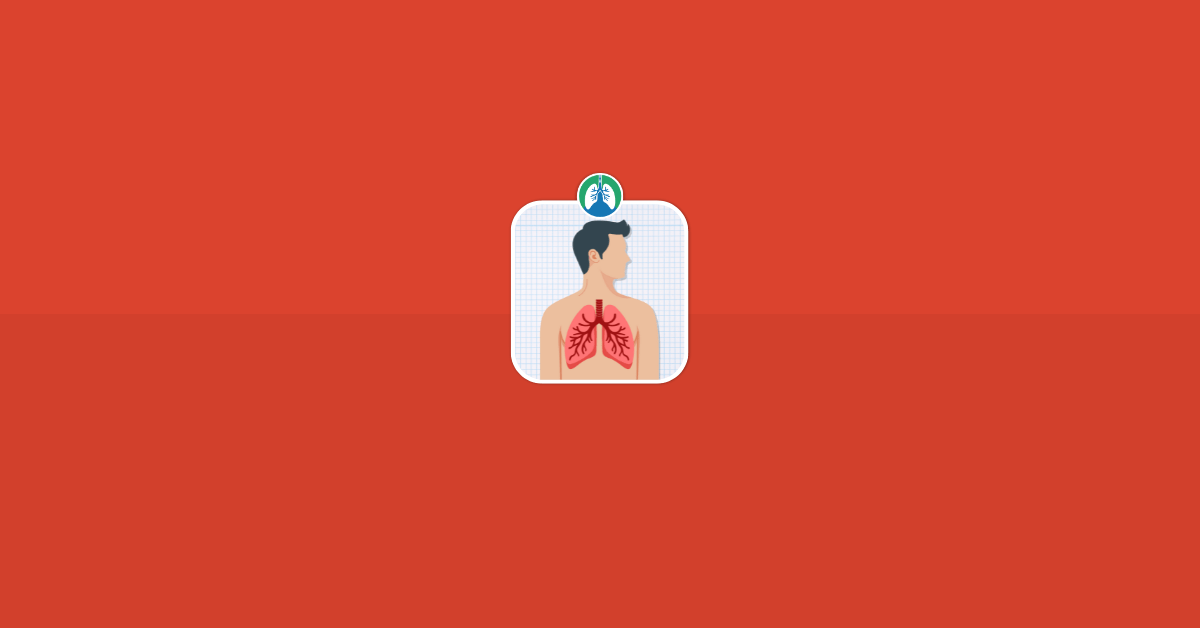
Nestled on either side of the heart and protected by the ribcage, the lungs occupy a large portion of the thoracic cavity. Their strategic placement allows them to receive air efficiently, move oxygen into the bloodstream, and remove carbon dioxide with every breath.
In this article, we’ll explore where the lungs are located, what surrounds them, and why their position is key to healthy, effective respiration.

Download our free guide that has over 100+ of the best tips for healthy lungs.
Where Are the Lungs Located?
The lungs are located inside the chest, also known as the thoracic cavity. They sit on either side of the heart and extend from just above the collarbones down to the diaphragm, a large muscle that helps you breathe. The ribcage surrounds and protects the lungs, and each lung is covered by a thin lining called the pleura, which reduces friction during breathing. The right lung has three lobes while the left lung has two to make room for the heart.
Air enters the body through the nose or mouth and travels down the trachea, which divides into the bronchi that lead into each lung. From there, smaller airways carry air deep into the lungs where gas exchange takes place. This location allows the lungs to receive oxygen easily while removing carbon dioxide from the body with every breath.

Anatomical Position of the Lungs
The lungs occupy a specific space within the chest, shaped by various structures around them. Their position is closely linked to the cavity that houses them, as well as key organs and bones nearby.
Location Within the Thoracic Cavity
The lungs sit inside the thoracic cavity, which is enclosed by the rib cage. This cavity is separated from the abdominal cavity by the diaphragm, a dome-shaped muscle that assists with breathing.
Each lung fills most of the space on either side of the mediastinum, a central area that contains the heart, trachea, and major blood vessels. The right lung is larger, consisting of three lobes, while the left lung has two lobes to accommodate the heart. The pleura, a double-layered membrane, surrounds each lung, reducing friction during breathing movements and providing protection.
Relationship to the Heart and Diaphragm
The lungs flank the heart on both sides, with the left lung slightly smaller to provide room for the heart’s position. The heart lies within the mediastinum, between the lungs, and rests on the diaphragm.
The diaphragm forms the lower boundary of the thoracic cavity and facilitates lung expansion during inhalation. When the diaphragm contracts, it moves downward, increasing chest volume and allowing the lungs to fill with air. The proximity of the heart and diaphragm plays a key role in efficient respiratory and circulatory functions.
Position Relative to the Ribs and Spine
The lungs are protected anteriorly and laterally by the rib cage. The ribs curve around the lungs, providing a sturdy shield while allowing enough flexibility for breathing movements.
Posteriorly, the lungs lie adjacent to the thoracic spine. The upper parts align approximately with the first ribs, while the lung bases extend down to around the tenth rib at rest. This location aids in anchoring the lungs and maintaining their shape. The interplay between the ribs, spine, and lungs supports respiratory mechanics and protects vital tissues.
Lung Structure and Boundaries
The lungs have distinct shapes, sizes, and protective layers that define their structure. Their internal divisions help organize the respiratory process, while the membranes surrounding them maintain a sealed environment to facilitate breathing.
Right and Left Lung Distinctions
The right lung is larger and heavier than the left lung due to the heart’s position on the left side of the chest. It typically has three lobes—superior, middle, and inferior—separated by two fissures: the horizontal and oblique fissures. These lobes allow specialized regions for air passage and gas exchange.
The left lung is smaller and contains only two lobes—superior and inferior—separated by a single oblique fissure. It has a cardiac notch, an indentation that accommodates the heart. These differences in size and shape directly correspond to the neighboring organs and the body’s need for space.
Pleural Membranes
Each lung is enclosed by a double-layered pleural membrane made of visceral and parietal pleura. The visceral pleura closely covers the lung surface, while the parietal pleura lines the thoracic cavity. Between these layers is the pleural cavity, which contains a small amount of lubricating fluid.
The fluid reduces friction as the lungs expand and contract during breathing. The pleura also help maintain lung pressure, keeping the lungs inflated. Damage to this membrane or fluid imbalance can lead to conditions like pneumothorax or pleuritis.
Lobes and Fissures
Lobes are large sections within each lung, divided by fissures which are deep grooves. In the right lung, the horizontal fissure separates the superior and middle lobes, and the oblique fissure divides the middle and inferior lobes. The left lung’s single oblique fissure separates its two lobes.
These fissures allow flexibility and movement between lobes. They also act as boundaries for surgeons and clinicians when assessing lung damage or disease. Each lobe contains smaller units called segments, which support efficient lung function and airflow distribution.
Surrounding Organs and Structures
The lungs sit in a complex anatomical environment closely interacting with vital organs and structures. Their location influences lung function and the overall respiratory process.
Proximity to the Heart
The lungs flank the heart on either side within the thoracic cavity. The left lung is smaller to accommodate the heart, which lies slightly to the left of the midline.
The heart is enclosed in the pericardium and rests on the diaphragm beneath the lungs. This proximity allows efficient oxygen exchange and blood flow between these organs, crucial for cardiopulmonary function.
Neighboring Major Blood Vessels
Several major blood vessels surround the lungs. The pulmonary arteries transport deoxygenated blood from the heart to the lungs, originating from the right ventricle.
Pulmonary veins carry oxygenated blood back to the left atrium of the heart. The aorta and superior vena cava also pass near the lungs, facilitating systemic circulation.
Association With the Mediastinum
The mediastinum is the central compartment of the thoracic cavity between the lungs. It contains the heart, trachea, esophagus, thymus, and lymph nodes.
The lungs border this space laterally. The mediastinum’s contents are critical in supporting lung function and maintaining the structure and protection of these organs.
Imaging and Visualization Techniques
Medical imaging provides detailed views of the lungs’ location and structure inside the chest cavity. Different modalities reveal distinct aspects, such as bone alignment, tissue density, and internal detail.
X-ray Imaging of Lung Position
X-ray imaging is the most common method to assess lung placement. It provides a clear outline of the lungs bordered by the rib cage and diaphragm.
The lungs appear as dark areas on the X-ray because they are filled with air, which absorbs less radiation. Surrounding bones, like ribs and spine, appear white. This contrast helps locate the lungs precisely within the thoracic cavity.
X-rays also reveal abnormalities in lung placement caused by injuries or diseases. For example, a collapsed lung or fluid accumulation changes the expected lung boundary visible in the image.
CT and MRI Views
Computed tomography (CT) scans give cross-sectional images, allowing detailed views of lung tissue, blood vessels, and airways in multiple planes. This helps locate lung lobes and identify subtle deviations from normal anatomy.
MRI (Magnetic Resonance Imaging) is less common for lungs due to air interference but excels in visualizing soft tissues like blood vessels and the heart adjacent to lungs. It can detect tumors or inflammation near lung regions.
Note: Both CT and MRI allow 3D reconstruction of the lungs, aiding precise surgical planning and diagnosis beyond traditional 2D X-rays.
FAQs About Where the Lungs Are Located
Where Are The Lungs Located Anatomically?
The lungs are located in the thoracic cavity inside the chest and sit on either side of the heart. They extend from just above the collarbones down to the diaphragm, which is the main muscle involved in breathing.
Each lung is protected by the ribcage and covered with a thin, slippery membrane called the pleura. The lungs connect to the airway through the trachea and bronchi, allowing air to enter and exit the body for gas exchange.
Are Lungs Located In The Front Or Back?
The lungs occupy most of the chest, which includes both the front and back of the upper body. While more lung tissue is positioned toward the back, your lungs wrap around the sides of the ribcage and extend toward the front.
This is why healthcare providers listen to lung sounds from multiple locations on the chest and back. Lung issues can affect either side, so both areas are important during assessment.
What Cavity Are The Lungs Located In?
The lungs are located in the thoracic cavity, which is the space inside the chest that also contains the heart, trachea, esophagus, and major blood vessels. The thoracic cavity is divided into two pleural cavities, with each lung occupying one side.
The diaphragm forms the bottom boundary of this cavity and controls breathing movements. The ribcage surrounds the thoracic cavity, providing protection and structure to keep the lungs safe during inhalation and exhalation.
Does Lung Location Differ In Men And Women?
The location of the lungs is essentially the same in men and women. Both sexes have lungs that sit within the ribcage on either side of the heart and extend from the collarbones to the diaphragm.
The main difference lies in body size because men typically have larger lungs due to greater overall chest volume. However, the placement, structure, and function of the lungs remain consistent regardless of gender, making lung anatomy similar in both men and women.
Where Is Lung Pain Usually Felt?
Lung pain is often felt in the chest, particularly behind the sternum or along the sides of the ribcage. It can also radiate to the back or shoulders. The lungs themselves do not contain pain receptors, so discomfort usually comes from surrounding structures such as the pleura, muscles, or airways.
Common causes include infections, inflammation, pleurisy, or breathing irritation. If pain becomes sharp when you inhale or cough, it may indicate an issue that requires medical attention.
How Do I Know If Something Is Wrong With My Lungs?
Signs of lung problems often include shortness of breath, chronic coughing, wheezing, chest tightness, or coughing up mucus or blood. Other warning signs may include fatigue, rapid breathing, or pain that worsens when inhaling deeply.
Persistent symptoms should not be ignored because lung issues can worsen over time. If you notice breathing changes that last more than a few days or suddenly worsen, consult a healthcare provider for evaluation and possible testing.
Final Thoughts
Understanding where the lungs are located gives a clearer picture of how the respiratory system works and why these organs are so important for everyday life. Safely housed within the ribcage and positioned on either side of the heart, the lungs are perfectly placed to draw in air, exchange gases, and support every cell in the body.
Their location also helps explain how breathing, circulation, and even posture are closely connected. With this foundation, you can better appreciate how to protect lung health and recognize signs when something may be wrong.

Written by:
John Landry is a registered respiratory therapist from Memphis, TN, and has a bachelor's degree in kinesiology. He enjoys using evidence-based research to help others breathe easier and live a healthier life.
References
- Kudzinskas A, Callahan AL. Anatomy, Thorax. [Updated 2023 Jul 30]. In: StatPearls [Internet]. Treasure Island (FL): StatPearls Publishing; 2025.