

Laughter is often called the best medicine, but for some people, it can come with an unexpected side effect—coughing. If you’ve ever found yourself breaking into a cough during or after a hearty laugh, you’re not alone. This reaction may seem unusual, but it’s actually quite common and can be linked to several factors that affect the airways and lungs.
From increased chest pressure to underlying respiratory conditions, coughing when you laugh often signals that your body is responding to irritation or sensitivity in the respiratory system.
Understanding why this happens can help you distinguish between harmless triggers and symptoms that may require medical attention.

Download our free guide that has over 100+ of the best tips for healthy lungs.
Why Do I Cough When I Laugh?
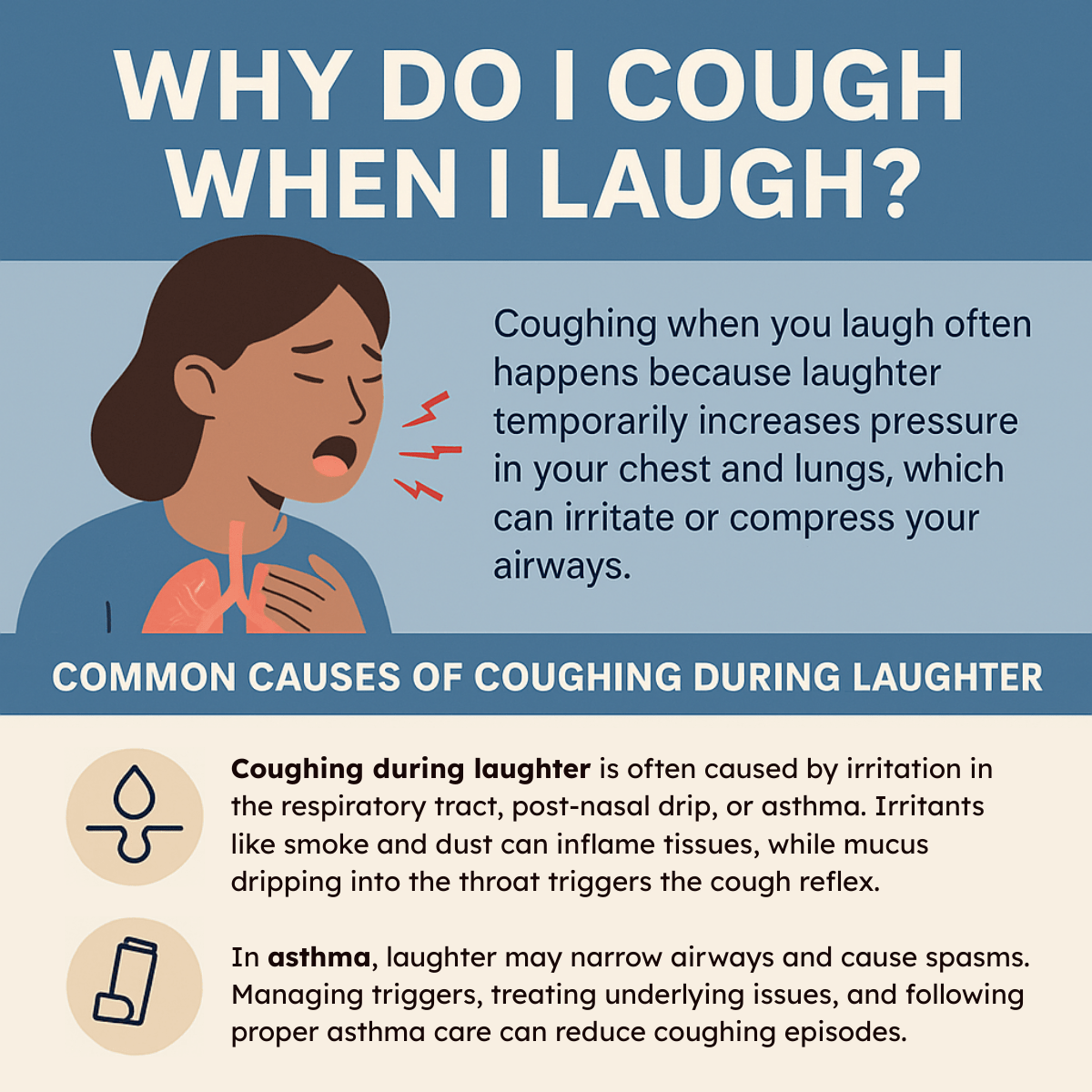
Coughing when you laugh often happens because laughter temporarily increases pressure in your chest and lungs, which can irritate or compress your airways. This sudden change may trigger a cough reflex, especially if your airways are already sensitive from conditions like asthma, bronchitis, or postnasal drip.
Laughter can also cause small amounts of mucus or irritants to shift, prompting your body to clear them with a cough. In some people, acid reflux or chronic respiratory issues make the airways more reactive, so laughter acts as a trigger.
While an occasional cough during laughter is usually harmless, frequent or severe episodes may signal an underlying respiratory condition that should be evaluated by a healthcare professional.
Common Causes of Coughing During Laughter
Coughing during laughter happens when the body reacts to specific triggers affecting the respiratory system. These triggers include irritation, mucus buildup, and airway sensitivity, which disrupt normal breathing during laughter.
Irritation of the Respiratory Tract
The respiratory tract can become irritated by environmental factors such as smoke, dust, or strong odors. When laughter causes rapid breathing, this irritation can stimulate the cough reflex. The cough serves as a protective mechanism to clear the airway. This irritation may be more pronounced in people with existing respiratory issues like bronchitis or chronic cough.
Laughter forces air quickly through irritated tissues, which can cause mild inflammation and trigger coughing. Avoiding irritants can reduce the frequency of coughing episodes during laughter.
Post-Nasal Drip
Post-nasal drip occurs when mucus from the nasal passages drips down the back of the throat. This mucus triggers the cough reflex during laughter as it irritates the throat lining. It often results from allergies, colds, or sinus infections. When laughing, the sudden air pressure can move mucus around, causing discomfort and coughing.
Treating the underlying cause of post-nasal drip, such as allergies or infections, helps reduce coughing during laughter. Staying hydrated also thins mucus and lessens irritation.
Asthma Triggers
Asthma causes inflammation and narrowing of the airways, making coughing a common symptom. Laughter can act as a trigger by increasing airflow and causing airway spasms. People with asthma might cough to protect their lungs from the sudden change in breathing patterns during laughter. This is especially true if their condition is poorly controlled.
Using prescribed asthma medication and avoiding known triggers can help minimize coughing episodes. Managing asthma effectively reduces airway sensitivity during laughter.
How Laughter Affects the Airways
Laughter triggers specific physical responses that influence the airways. These include changes in breathing patterns, modifications in airway pressure, and reactions in sensitive throat tissues. Understanding these effects helps explain why laughter can sometimes lead to coughing.
Physiological Changes From Laughter
When laughter occurs, the respiratory system shifts from normal breathing to rapid, irregular breaths. This causes the diaphragm to contract forcefully and repeatedly, increasing airflow speed. During laughter, air is inhaled rapidly and exhaled with varying intensity. This disrupts the usual smooth airflow, which can irritate the respiratory tract.
Additionally, laughter causes temporary changes in vocal cord positions. The cords may close briefly during certain laughter bursts, momentarily restricting airflow and increasing the chance of irritation or coughing.
Airway Constriction and Pressure
Laughter increases pressure within the chest and airways. This pressure rise results from rapid exhalations combined with the muscular contractions involved in laughing. The sudden pressure can cause the airways to narrow or constrict temporarily. This is especially true for the smaller bronchial tubes, which are more sensitive to changes in pressure and airflow.
Such constriction can trigger cough receptors located in the mucosal lining of the airways. The cough is then a reflex to clear any perceived obstruction or irritation caused by these rapid changes.
Impact on Sensitive Throats
Individuals with sensitive throats or pre-existing respiratory conditions react more strongly to laughter-induced changes. Inflammation or irritation in the throat lining makes it easier for laughter to provoke coughing.
Conditions like asthma, allergic reactions, or throat infections amplify the airway’s response to laughter. The increased airflow and pressure can worsen sensitivity, causing the throat to react with spasms or coughing fits.
Even minor throat dryness or postnasal drip can heighten irritation during laughter. These factors reduce the throat’s ability to handle the physical stress caused by rapid breathing and airway pressure changes.
Underlying Medical Conditions
Coughing when laughing can sometimes signal an underlying health issue. Certain chronic conditions involve airway irritation or reflexes that trigger coughing during sudden respiratory changes.
Chronic Bronchitis
Chronic bronchitis causes inflammation and swelling of the bronchial tubes. This leads to increased mucus production, which narrows the airways and makes coughing more likely. When a person laughs, the rapid airflow and pressure changes can irritate those sensitive airways. This irritation often triggers a cough reflex as the body tries to clear mucus or blockages.
People with chronic bronchitis may also experience a persistent cough outside of laughing episodes. The cough from laughter can be sharper or more sudden due to abrupt chest movements and breath changes.
Gastroesophageal Reflux Disease (GERD)
GERD occurs when stomach acid flows back into the esophagus, irritating its lining. This acid reflux can trigger a cough reflex, especially when laughing. The act of laughing increases abdominal pressure, which can push acid upward. This acid irritates the throat and airways, causing a cough.
People with GERD-related cough often report a sour taste in the mouth or heartburn. The cough usually happens alongside other reflux symptoms and may worsen with certain foods or posture changes.
Environmental and Lifestyle Factors
Certain environmental and lifestyle conditions can trigger coughing when laughing by irritating the respiratory system. These triggers often affect the sensitivity of the airways or cause inflammation, making coughing more likely.
Exposure to Allergens
Allergens such as pollen, dust mites, pet dander, and mold can inflame the lining of the respiratory tract. When someone laughs, the sudden change in breathing pattern may cause the irritated airways to react with a cough.
People with allergic rhinitis or asthma are more prone to coughing due to allergens. Their immune systems respond to these substances by releasing histamines, which cause swelling and increased mucus production. This makes it harder to breathe smoothly while laughing, leading to coughing fits.
Note: Avoiding known allergens and using air purifiers can reduce exposure and lessen coughing triggered by laughter.
Dry or Polluted Air
Dry air can dry out the throat and airway lining, making it more sensitive. When laughing, the rapid airflow over these dry surfaces can cause irritation and provoke a cough reflex.
Polluted air contains particles and chemicals that inflame the respiratory tract. Exposure to smoke, smog, or industrial pollutants increases airway sensitivity, so laughing in such environments often leads to coughing.
Note: Using humidifiers in dry climates and avoiding polluted areas can help minimize coughing caused by these environmental factors.
When to Seek Medical Advice
If coughing when laughing becomes frequent or severe, it may warrant medical evaluation. Persistent coughing could indicate underlying conditions such as asthma, chronic bronchitis, or gastroesophageal reflux disease (GERD). Seek medical advice if coughing interrupts normal breathing, causes chest pain, or is accompanied by wheezing or shortness of breath. These symptoms could signal respiratory or cardiac issues requiring professional attention.
Also, if coughing leads to vomiting, coughing up blood, or weight loss, immediate consultation with a healthcare provider is necessary. Such signs suggest possible serious health problems needing diagnosis and treatment.
Anyone with a history of respiratory illness or weakened immune function should be especially cautious. Regular coughing during laughter in these individuals might indicate complications that need timely care.
Note: Coughing during laughter is usually harmless but becomes concerning if it is persistent, painful, or accompanied by other symptoms. Professional evaluation ensures proper diagnosis and management.
Prevention and Symptom Management
Coughing when laughing can often be reduced by controlling how laughter occurs and by maintaining respiratory health. These approaches focus on minimizing triggers and strengthening the body’s ability to handle sudden air intake.
Adjusting Laughter Intensity
Controlling the intensity of laughter can help reduce coughing. Laughing more gently or slowly prevents the rapid inhalation of air that can irritate the throat. Breathing through the nose while laughing limits direct airway exposure to sudden airflow. It also helps maintain moisture, reducing dryness that may cause coughing.
If coughing begins, pausing to take small sips of water can soothe the throat and calm the reflex. Over time, becoming aware of laughter triggers and moderating reactions proves beneficial.
Managing Respiratory Health
Maintaining clear and healthy airways reduces the risk of coughing during laughter. Avoiding irritants such as smoke, dust, or strong fragrances lessens sensitivity. Using a humidifier in dry environments can keep the throat moist, lowering irritation risks. Staying hydrated throughout the day supports mucus membrane health.
People with respiratory conditions like asthma or allergies should follow prescribed treatments consistently. Regular medical check-ups help control underlying issues that trigger coughing during laughter.
FAQs About Coughing While Laughing
Why Do I Wheeze and Cough When I Laugh?
Wheezing and coughing during laughter often happen because laughing forces rapid airflow through the airways, which can cause them to narrow or vibrate if they are sensitive or inflamed. This reaction is common in people with asthma, chronic bronchitis, or allergies.
The sudden increase in chest pressure may also shift mucus, triggering a cough reflex. While occasional wheezing with laughter can be harmless, frequent episodes may signal an underlying respiratory condition that should be evaluated by a healthcare provider.
Why Do I Get Dizzy When I Cough or Laugh?
Dizziness during coughing or laughter is usually related to changes in blood flow and pressure in the chest and brain. Both actions temporarily increase intrathoracic pressure, which can reduce blood return to the heart and momentarily decrease oxygen delivery to the brain.
This can create a lightheaded or dizzy sensation. While mild episodes are often harmless, frequent dizziness when coughing or laughing could indicate cardiovascular or neurological issues, and it’s best to discuss these symptoms with a doctor.
Why Do I Cough Only When I Laugh Too Hard?
Coughing only when laughing very hard is often linked to the forceful changes in breathing that occur during strong laughter. Hard laughter increases pressure in the chest, irritates sensitive airways, and can move mucus or other particles, triggering the cough reflex.
For most people, this is a normal reaction and not a sign of illness. However, if hard laughter frequently leads to prolonged coughing or shortness of breath, it may indicate airway hyperreactivity, such as with asthma or bronchitis.
Why Do I Cough and Choke When I Laugh?
Coughing and choking when laughing occur because laughter changes the way you breathe, sometimes causing small amounts of saliva or mucus to enter the airway. This triggers both a cough and a choking sensation as the body works to clear the blockage.
It can also happen if you have acid reflux or a sensitive throat, where irritation makes your airway more reactive. Occasional episodes are usually harmless, but recurring choking with laughter may require evaluation for conditions like asthma or reflux.
Why Do My Ribs Hurt When I Cough and Laugh?
Rib pain when coughing and laughing is typically due to muscle strain from the repetitive force of these actions. The intercostal muscles between the ribs contract strongly during both coughing and laughing, and overuse can lead to soreness or discomfort.
Sometimes, rib pain may also be caused by inflammation of the cartilage in the ribcage (costochondritis) or even minor rib injury. If the pain is persistent, severe, or worsens with breathing, it’s important to see a healthcare provider for proper evaluation.
Is Wheezing When Laughing Normal?
Wheezing during laughter is not usually considered normal, though it can happen occasionally if your airways are irritated or congested. It often indicates narrowed airways, which are commonly seen in conditions such as asthma, bronchitis, or allergies.
The rapid breathing changes caused by laughter make the narrowed airways vibrate, producing a wheezing sound. If wheezing occurs often or is accompanied by coughing, shortness of breath, or chest tightness, it should be evaluated by a healthcare professional to rule out chronic lung disease.
Why Do I Get a Chesty Cough When I Laugh?
A chesty cough with laughter often results from mucus being loosened or moved within the airways. When you laugh, the increased airflow and pressure shifts secretions, which then trigger a cough to clear the lungs. This can be common in people with respiratory infections, chronic bronchitis, or postnasal drip.
If the chesty cough happens only occasionally, it’s usually harmless. However, frequent episodes or a persistent productive cough may point to an underlying condition and should be checked by a doctor.
Can Laughing Trigger Asthma Symptoms?
Yes, laughing can trigger asthma symptoms in some individuals. Asthma makes the airways overly sensitive, and the rapid changes in breathing that occur during laughter can cause them to narrow. This may result in coughing, wheezing, chest tightness, or shortness of breath.
Known as “laughter-induced asthma,” it is considered a type of exercise-induced bronchospasm. Using prescribed asthma medication and practicing good symptom management can help prevent episodes.
Note: If you consistently experience asthma symptoms while laughing, speak with your healthcare provider for guidance.
Final Thoughts
Coughing when you laugh is often caused by changes in chest pressure or irritation in the airways, and in many cases, it is harmless. Still, frequent or severe episodes, especially when accompanied by symptoms such as shortness of breath, wheezing, or chest pain, may indicate an underlying condition that requires medical evaluation.
Understanding the distinction between a simple reflex and a potential health concern can help you take the necessary steps to safeguard your respiratory health. With proper awareness and care, you can keep laughter an enjoyable part of life without worrying about persistent coughing.

Written by:
John Landry is a registered respiratory therapist from Memphis, TN, and has a bachelor's degree in kinesiology. He enjoys using evidence-based research to help others breathe easier and live a healthier life.
References
- Reeder JD, Wolf J, Andelman S, Andrew BJ. The cough/laugh syndrome: MR evaluation. AJNR Am J Neuroradiol. 1990.