

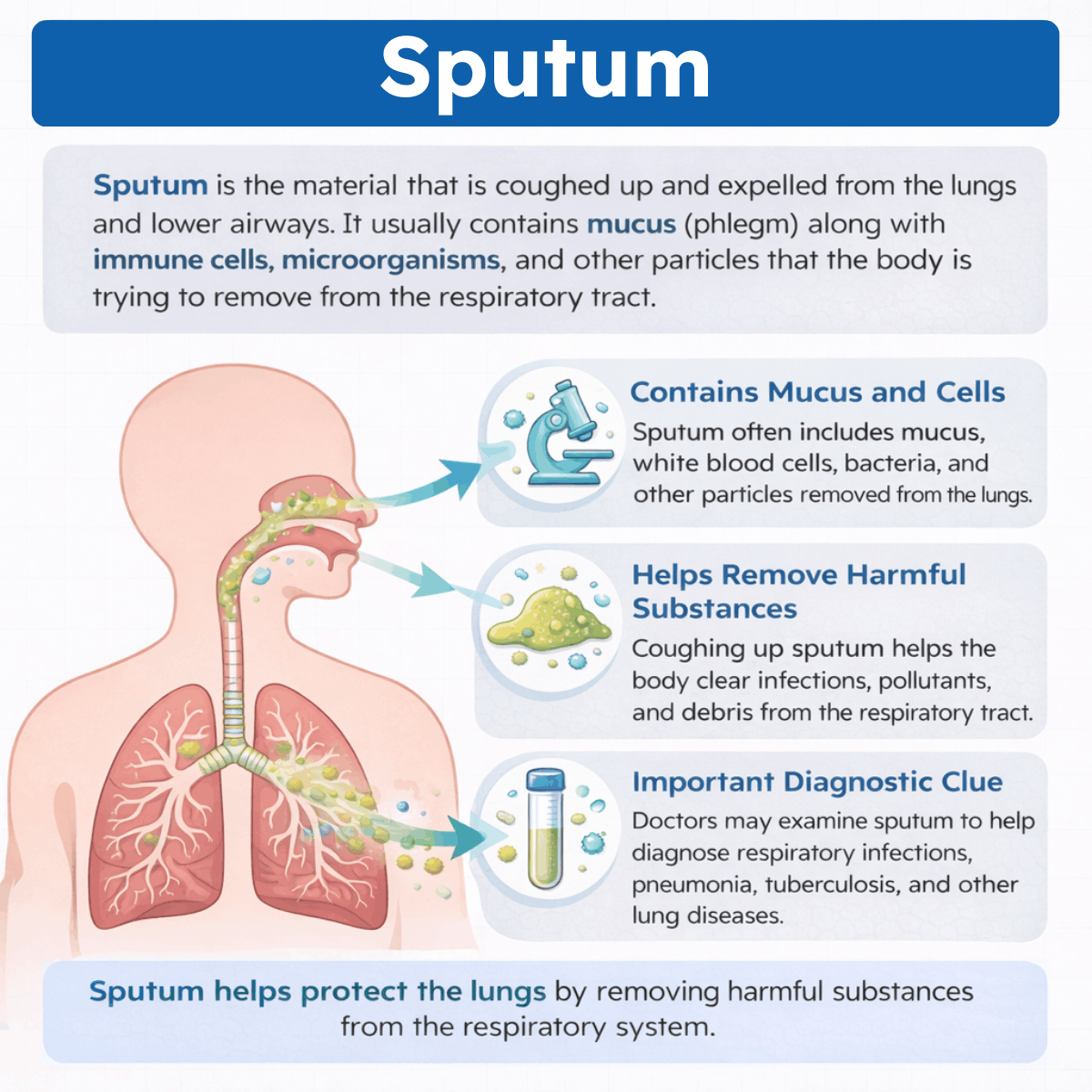
Sputum is a substance many people notice when they cough during a respiratory illness. It is the material that is coughed up from the lungs and lower airways, often containing mucus, immune cells, microorganisms, and other particles that the body is trying to remove.
While it can sometimes be unpleasant to see or think about, sputum actually plays an important role in helping the body clear the airways and fight infections. By examining sputum, healthcare providers can also gain valuable clues about what might be happening inside the lungs.
Understanding what sputum is, why it forms, and what changes in sputum may indicate can help people better recognize when symptoms are normal and when medical care may be needed.

Download our free guide that has over 100+ of the best tips for healthy lungs.
What Is Sputum?
Sputum is the material that is expelled from the lower respiratory tract when a person coughs. It originates in the lungs and bronchial tubes and typically contains mucus, immune cells, and other substances that have been trapped in the airways.
The term sputum is often confused with mucus or phlegm, but there are important differences.
- Mucus is the slippery substance produced by mucous membranes throughout the body.
- Phlegm refers specifically to thick mucus produced in the lungs and lower airways.
- Sputum is the mixture of phlegm and other materials that is actually coughed up and expelled from the respiratory tract.
In other words, sputum is what leaves the body when someone coughs up secretions from the lungs.
Sputum may contain:
- Mucus
- Dead cells
- White blood cells
- Bacteria or viruses
- Dust and pollutants
- Fluid from the lungs
Note: Because sputum can contain these substances, examining it can sometimes provide important information about respiratory infections and other lung conditions.
Where Does Sputum Come From?
Sputum forms in the lower respiratory tract, primarily in the lungs and bronchial tubes. Under normal conditions, the lungs produce small amounts of mucus that help trap inhaled particles and microorganisms. This mucus is constantly moved upward by tiny hair-like structures called cilia and is usually swallowed without being noticed.
However, when the respiratory system becomes irritated or infected, the body may produce larger amounts of thicker mucus. When this mucus collects in the airways and is eventually coughed out, it is referred to as sputum. Several parts of the respiratory system play important roles in sputum formation.
Bronchial Tubes
The bronchial tubes are the airways that carry air from the trachea into the lungs. Their lining contains cells that produce mucus to protect the airway surfaces.
When these airways become inflamed, irritated, or infected, mucus production increases. This can lead to the formation of sputum that must be cleared by coughing.
Goblet Cells
Goblet cells are specialized mucus-producing cells located in the lining of the respiratory tract. They release mucus onto the airway surfaces to trap harmful particles.
When inflammation occurs, goblet cells may produce excessive mucus, contributing to sputum formation.
Mucous Glands
Mucous glands located deeper within the airway walls also produce mucus. These glands may become more active during respiratory infections or chronic lung diseases.
Increased activity of these glands can lead to thicker secretions that are eventually expelled as sputum.
Cilia
Cilia are microscopic hair-like structures that line the airways. Their job is to move mucus upward toward the throat in a coordinated motion.
This process is sometimes called the mucociliary clearance system. It helps keep the lungs clean by transporting trapped particles and secretions away from the delicate lung tissue. When sputum accumulates in the airways, coughing often occurs as an additional mechanism to clear it.
What Is Sputum Made Of?
Sputum contains a mixture of substances that reflect what is happening inside the respiratory system. The main component of sputum is mucus, which is primarily made of water. However, sputum also contains other materials that are part of the body’s immune response and defense mechanisms.
Common components of sputum include:
- Water
- Mucins (gel-forming proteins)
- White blood cells
- Dead cells from the airway lining
- Microorganisms such as bacteria or viruses
- Dust and environmental particles
- Inflammatory substances
- Small amounts of fluid from the lungs
Note: The presence and concentration of these components can affect the color, thickness, and appearance of sputum. For example, large numbers of white blood cells may give sputum a yellow or green color, while blood may cause red or rust-colored sputum.
Why the Body Produces Sputum
The production of sputum is part of the body’s natural defense strategy for protecting the lungs. When harmful particles or microorganisms enter the airways, mucus traps them before they can reach deeper lung tissue.
If large amounts of these particles accumulate, the body may produce more mucus and trigger coughing to remove them. This process helps protect the lungs from infection and damage.
Clearing the Airways
One of the main purposes of sputum production is to clear the airways of unwanted material. Dust, smoke particles, bacteria, viruses, and allergens can all become trapped in mucus. By coughing up sputum, the body removes these substances from the respiratory system.
Fighting Infection
Sputum often increases during infections because the immune system sends white blood cells to the lungs to fight pathogens. These immune cells release enzymes and inflammatory substances that help destroy invading microorganisms.
As the immune system battles infection, the resulting mixture of mucus, immune cells, and debris can form sputum that is coughed out of the body.
Protecting Lung Tissue
The lungs contain delicate structures responsible for exchanging oxygen and carbon dioxide. Excessive particles or microorganisms reaching these areas could cause serious damage. By trapping harmful substances and removing them through sputum, the body protects these vital structures.
When Sputum Is Normal
In many cases, sputum production is temporary and occurs during a respiratory illness such as a cold or bronchitis. During these times, coughing up sputum may help the body clear the infection and recover.
Small amounts of sputum may also appear in situations such as:
- Exposure to air pollution
- Temporary airway irritation
- Mild respiratory infections
- Postnasal drainage from a cold
Note: When the illness resolves, sputum production usually decreases and returns to normal.
Why Some People Produce More Sputum
While sputum production can occur occasionally in healthy people, some individuals experience more frequent or persistent sputum. This may happen for several reasons:
Respiratory Infections
Infections such as the common cold, influenza, bronchitis, and pneumonia often lead to increased mucus production in the lungs. As the body fights the infection, excess mucus may be coughed up as sputum.
Smoking
Smoking irritates the airways and damages the cilia responsible for moving mucus out of the lungs. When this cleaning system becomes impaired, mucus can accumulate and lead to chronic sputum production. Many long-term smokers develop a daily cough that produces sputum, especially in the morning.
Air Pollution and Environmental Irritants
Pollutants, dust, chemical fumes, and smoke can irritate the respiratory tract and stimulate mucus production. People who work in environments with high levels of airborne particles may experience frequent sputum production as a protective response.
Chronic Lung Diseases
Certain long-term respiratory conditions are associated with ongoing sputum production.
Examples include:
- Chronic bronchitis
- Chronic obstructive pulmonary disease (COPD)
- Bronchiectasis
- Asthma
- Cystic fibrosis
Note: In these conditions, inflammation and airway damage often lead to excessive mucus production and difficulty clearing sputum.
How Coughing Helps Remove Sputum
Coughing is one of the body’s most important defense mechanisms for clearing the airways. When mucus and debris accumulate in the lungs, specialized receptors in the airway lining detect the irritation and trigger the cough reflex.
During a cough:
- A deep breath is taken.
- The vocal cords close briefly.
- The chest and abdominal muscles contract.
- The vocal cords open suddenly, forcing air out of the lungs.
Note: This rapid burst of air helps dislodge and expel sputum from the airways. Although coughing can sometimes feel uncomfortable, it often plays a helpful role in clearing the lungs and improving breathing.
Sputum Colors and What They May Mean
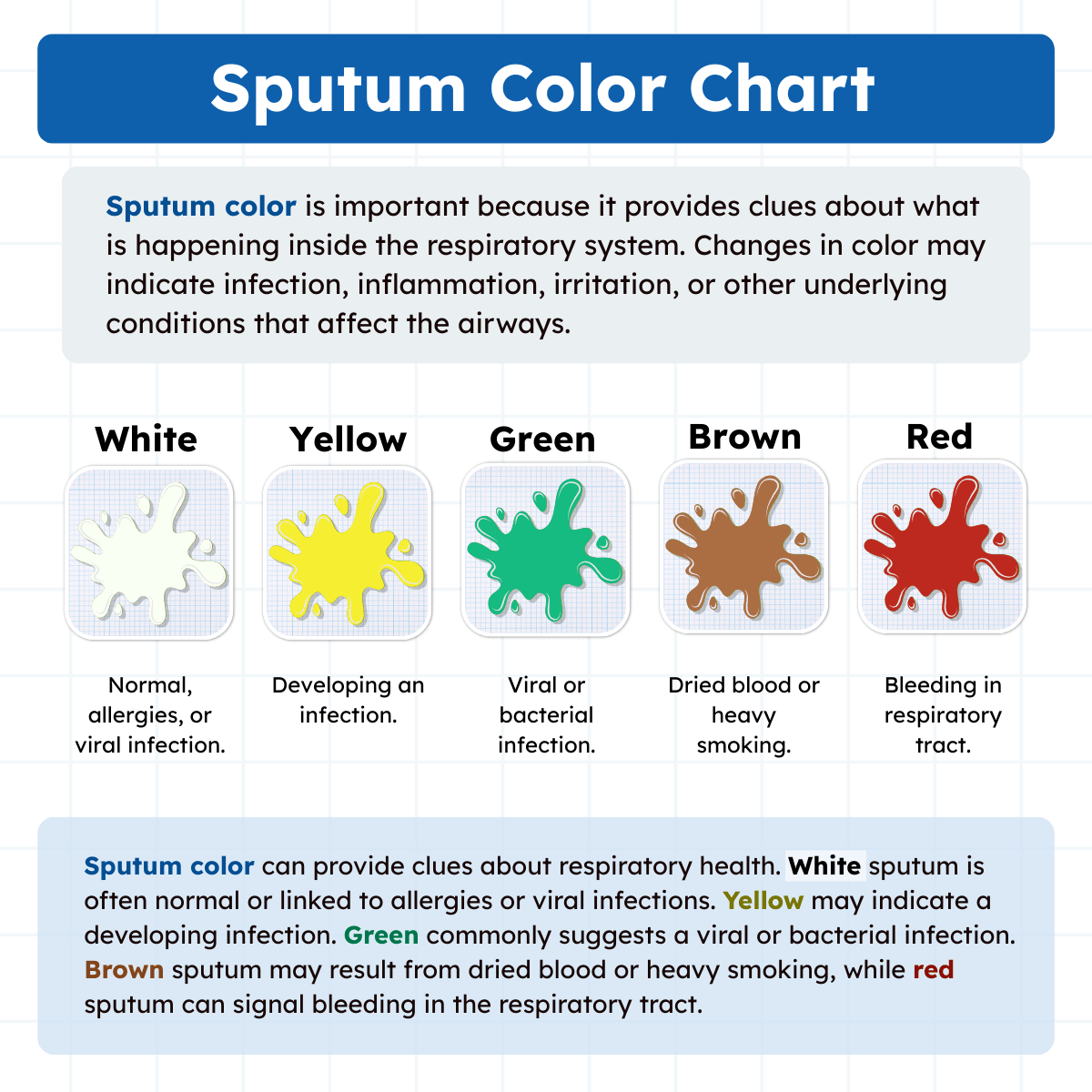
The color and appearance of sputum can provide useful clues about what may be happening inside the lungs. While sputum color alone cannot diagnose a specific illness, it can help indicate whether the body is responding to infection, inflammation, irritation, or bleeding.
Changes in sputum color often occur because of immune system activity, trapped particles, or damage to airway tissues. Looking at sputum in combination with other symptoms—such as fever, coughing, chest pain, or shortness of breath—can provide a clearer picture of what might be going on.
Clear Sputum
Clear sputum is often considered normal or relatively mild. It typically contains mucus and small amounts of fluid from the respiratory tract.
Common causes of clear sputum include:
- Mild respiratory irritation
- Early stages of a viral infection
- Allergies
- Asthma
- Exposure to dust or pollution
Note: Even though clear sputum is usually not a major concern, large amounts may still suggest airway irritation or inflammation.
White or Gray Sputum
White sputum can occur when mucus thickens and becomes cloudy. This often happens when airflow slows through the airways due to congestion or inflammation.
White or gray sputum may appear with conditions such as:
- The common cold
- Mild bronchitis
- Sinus drainage that irritates the throat
- Dehydration
- Exposure to smoke or pollution
Note: Gray sputum is sometimes seen in people exposed to air pollution, cigarette smoke, or industrial dust.
Yellow Sputum
Yellow sputum is often associated with the body’s immune response to infection. The color usually comes from white blood cells that have moved into the mucus to fight invading microorganisms.
Yellow sputum may occur with:
- Viral respiratory infections
- Bronchitis
- Sinus infections
- The middle stage of a cold
Note: Although many people assume yellow sputum indicates a bacterial infection, this is not always the case. Viral illnesses can also produce yellow sputum.
Green Sputum
Green sputum often appears when an infection becomes more intense or prolonged. The green color typically results from enzymes released by immune cells as they break down bacteria and other pathogens.
Conditions that may cause green sputum include:
- Bronchitis
- Pneumonia
- Lung infections
- Severe sinus infections
Note: Green sputum can look alarming, but it does not automatically mean antibiotics are necessary. Many viral infections can also cause green sputum.
Brown Sputum
Brown sputum may occur when old blood, smoke particles, or environmental debris are present in the mucus.
Possible causes include:
- Smoking
- Exposure to dust or dirt
- Inhaling smoke or pollution
- Irritated airways
- Previous bleeding in the respiratory tract
Note: Brown sputum may also appear after prolonged coughing that irritates the airway lining.
Pink or Red Sputum
Pink or red sputum indicates the presence of blood. Sometimes this occurs when tiny blood vessels break during severe coughing.
However, blood in sputum may also be associated with more serious conditions.
Possible causes include:
- Severe coughing
- Lung infections
- Pneumonia
- Tuberculosis
- Lung cancer
- Pulmonary embolism
Note: Small streaks of blood may not always indicate a serious problem, but repeated or significant bleeding should be evaluated by a healthcare professional.
Frothy Sputum
Frothy sputum may sometimes be associated with fluid in the lungs. When it appears pink and bubbly, it may indicate pulmonary edema, a condition where fluid accumulates in lung tissue.
Possible causes include:
- Heart failure
- Severe lung inflammation
- Acute respiratory conditions
Note: Frothy pink sputum can be a medical emergency and should be evaluated immediately.
Thick vs. Thin Sputum
The consistency of sputum can also reveal useful information about respiratory health.
Thin Sputum
Thin sputum is usually easier to cough up and may occur with mild infections, allergies, or temporary irritation. Because it moves more easily through the airways, thin sputum typically causes fewer breathing difficulties.
Thick Sputum
Thick sputum can feel sticky, heavy, and difficult to clear from the chest. It may accumulate in the airways and cause coughing, chest congestion, or the sensation of mucus stuck in the lungs.
Thick sputum may occur with:
- Dehydration
- Respiratory infections
- Chronic bronchitis
- Bronchiectasis
- Cystic fibrosis
- Dry indoor air
Note: When sputum becomes very thick, coughing may become more frequent as the body tries to remove the secretions.
Common Conditions That Cause Sputum Production
Many respiratory conditions can lead to sputum production. In most cases, sputum is temporary and improves as the underlying illness resolves. However, some chronic conditions can cause ongoing sputum production.
The Common Cold
A cold often begins with a runny nose and mild throat irritation. As the illness progresses, mucus may drain into the throat or chest, leading to coughing and sputum production.
Common symptoms include:
- Runny nose
- Congestion
- Mild cough
- Postnasal drip
- Temporary sputum production
Note: Cold symptoms usually improve within a week or two.
Bronchitis
Bronchitis occurs when the bronchial tubes become inflamed. This inflammation often leads to persistent coughing and sputum production.
Acute bronchitis may cause:
- Persistent cough
- Yellow or green sputum
- Chest discomfort
- Mild shortness of breath
Note: Chronic bronchitis is a long-term condition that causes daily cough and sputum production for months or years, often due to smoking or long-term airway irritation.
Pneumonia
Pneumonia is an infection of the lungs that can cause significant sputum production.
Sputum from pneumonia may be:
- Yellow
- Green
- Rust-colored
- Blood-tinged
Note: Other symptoms of pneumonia may include fever, chills, chest pain, fatigue, and difficulty breathing.
Asthma
Asthma is a condition that causes inflammation and narrowing of the airways. Some people with asthma produce sputum, especially during flare-ups.
Triggers for asthma-related sputum may include:
- Allergens
- Cold air
- Respiratory infections
- Exercise
- Smoke or pollution
Note: In asthma, excess mucus can contribute to airway obstruction and breathing difficulty.
Chronic Obstructive Pulmonary Disease (COPD)
COPD is a long-term lung disease that includes chronic bronchitis and emphysema. Many people with COPD produce sputum daily, particularly in the morning.
Common symptoms include:
- Chronic cough
- Ongoing sputum production
- Shortness of breath
- Reduced physical endurance
Note: COPD often develops after long-term exposure to smoking or environmental pollutants.
Bronchiectasis
Bronchiectasis occurs when the airways become permanently widened and damaged. This makes it difficult to clear mucus from the lungs, leading to frequent sputum production.
People with bronchiectasis often experience:
- Chronic productive cough
- Large amounts of sputum
- Frequent lung infections
- Fatigue
- Shortness of breath
Note: Managing this condition often requires long-term treatment to help clear mucus and prevent infections.
Cystic Fibrosis
Cystic fibrosis is a genetic condition that causes mucus in the lungs and other organs to become thick and sticky. This makes it difficult to clear sputum and increases the risk of repeated infections.
Although cystic fibrosis is usually diagnosed in childhood, its effects on sputum production illustrate how important proper mucus clearance is for lung health.
Postnasal Drip
Sometimes sputum-like material in the throat actually comes from mucus draining down from the nose and sinuses.
Postnasal drip commonly occurs with:
- Allergies
- Sinus infections
- Colds
Note: This drainage can cause coughing, throat clearing, and the sensation of mucus stuck in the throat.
When Sputum Persists for a Long Time
Temporary sputum production during a respiratory illness is common. However, sputum that lasts for several weeks or repeatedly returns may suggest a more persistent problem.
Long-term sputum production may be associated with:
- Smoking
- Chronic bronchitis
- Asthma
- COPD
- Bronchiectasis
- Recurrent lung infections
- Ongoing airway irritation
Note: Persistent sputum should be evaluated more carefully if it is accompanied by symptoms such as fatigue, weight loss, shortness of breath, chest pain, or frequent infections.
Why Doctors Sometimes Examine Sputum
Because sputum comes directly from the lungs, examining it can help healthcare providers identify infections and other lung conditions.
A sputum sample may be tested to detect:
- Bacteria
- Viruses
- Fungal infections
- Tuberculosis
- Signs of inflammation
- Cancer cells in rare cases
Note: These tests can help doctors determine the cause of respiratory symptoms and choose the most appropriate treatment.
How to Reduce Excess Sputum
While sputum is a normal part of the body’s defense system, excessive sputum can be uncomfortable and may interfere with breathing or daily activities. Fortunately, several strategies can help reduce sputum buildup and make it easier to clear the airways.
These approaches range from simple lifestyle adjustments and home remedies to medical treatments when necessary.
Stay Hydrated
Drinking enough fluids is one of the most effective ways to help manage sputum. Water helps thin mucus and sputum, making it easier to cough up and remove from the lungs.
When the body becomes dehydrated, mucus can become thick and sticky, making it harder for the respiratory system to clear it.
Helpful fluids include:
- Water
- Warm herbal teas
- Clear broths
- Warm lemon water
Note: Limiting beverages that may contribute to dehydration, such as excessive caffeine or alcohol, may also help.
Use a Humidifier
Dry air can irritate the airways and thicken mucus, making sputum harder to clear. Using a humidifier adds moisture to the air, which can help loosen secretions and soothe irritated respiratory tissues.
This can be especially helpful during winter months when indoor heating reduces humidity levels. Humidifiers should be cleaned regularly to prevent the growth of bacteria or mold.
Take Warm Showers or Inhale Steam
Warm steam can help loosen mucus and sputum in the airways. Taking a warm shower or inhaling steam from a bowl of hot water may temporarily help relieve chest congestion.
The warm moisture can help thin secretions and make them easier to cough up. Steam inhalation should be done carefully to avoid burns from hot water.
Practice Controlled Coughing
Coughing helps remove sputum from the lungs, but repeated uncontrolled coughing can sometimes irritate the airways. Controlled coughing techniques can help clear sputum more effectively.
One simple method involves:
- Sitting upright or leaning slightly forward
- Taking a slow, deep breath
- Holding the breath for a few seconds
- Coughing firmly from the chest
Note: This technique can help move sputum out of the lower airways.
Avoid Airway Irritants
Reducing exposure to substances that irritate the lungs can help decrease sputum production.
Common irritants include:
- Cigarette smoke
- Air pollution
- Dust
- Chemical fumes
- Strong cleaning products
Note: Avoiding smoking and minimizing exposure to secondhand smoke are particularly important for maintaining healthy airways.
Eat a Balanced Diet
A nutritious diet supports the immune system and helps the body recover from respiratory infections. Foods rich in vitamins, antioxidants, and anti-inflammatory nutrients may help support lung health.
Examples include:
- Fruits and vegetables
- Whole grains
- Lean protein sources
- Healthy fats such as olive oil and nuts
Note: Certain warm foods and beverages, such as soup or herbal tea, may also help soothe irritated airways.
Medical Treatments for Excess Sputum
When sputum production is caused by a medical condition, healthcare providers may recommend treatments to address the underlying problem.
Expectorants
Expectorants are medications that help thin mucus, making it easier to cough up sputum. These medications are commonly used for chest congestion associated with colds, bronchitis, or respiratory infections.
Bronchodilators
Bronchodilators are medications that relax the muscles around the airways. This helps widen the air passages and makes it easier to breathe and clear mucus.
They are often prescribed for conditions such as:
- Asthma
- COPD
- Chronic bronchitis
Antibiotics
If a bacterial infection is responsible for excessive sputum, antibiotics may be prescribed. However, antibiotics are not effective against viral infections, which are responsible for many respiratory illnesses.
Mucolytic Medications
Mucolytics are medications designed to break down thick mucus and sputum. By reducing mucus thickness, these medications make it easier for the body to clear secretions from the lungs.
Airway Clearance Techniques
Some individuals with chronic lung diseases benefit from specialized airway clearance methods. These techniques help loosen and remove sputum from the lungs and may include:
- Chest physiotherapy
- Postural drainage
- Percussion therapy
- Oscillating positive expiratory pressure devices
Note: These methods are commonly used for conditions such as bronchiectasis and cystic fibrosis.
When to See a Doctor
Occasional sputum production during a respiratory illness is common and usually resolves on its own. However, certain symptoms may indicate the need for medical evaluation.
A healthcare provider should be consulted if sputum:
- Lasts longer than several weeks
- Contains significant amounts of blood
- Is accompanied by high fever
- Causes severe shortness of breath
- Is associated with chest pain
- Occurs with unexplained weight loss
- Produces a strong foul odor
Note: Persistent or worsening symptoms should always be evaluated to rule out more serious conditions.
Common Myths About Sputum
Many misconceptions exist about sputum and what it means for respiratory health.
Myth 1: All Colored Sputum Means a Bacterial Infection
Many people assume that yellow or green sputum automatically indicates a bacterial infection. In reality, viral infections can also produce colored sputum due to immune system activity.
Myth 2: Suppressing a Productive Cough Is Always Helpful
Cough suppressants can sometimes reduce coughing, but suppressing a productive cough may prevent the body from clearing sputum effectively. When sputum is present, controlled coughing may actually help remove secretions from the lungs.
Myth 3: Sputum Is Always a Sign of Illness
Small amounts of sputum can occur occasionally in healthy individuals, especially when exposed to dust, pollution, or mild airway irritation. Not all sputum production indicates a serious health problem.
Myth 4: Drinking Milk Causes Excess Sputum
Some people believe dairy products increase mucus production. However, scientific evidence does not strongly support this idea. Milk may make mucus feel thicker in the mouth temporarily, but it does not significantly increase sputum production in most people.
FAQs About Sputum
Is Sputum the Same as Phlegm?
Sputum and phlegm are closely related but not exactly the same. Phlegm refers to the thick mucus produced in the lungs and lower airways, usually in response to irritation or infection. Sputum is the material that is actually coughed up and expelled from the respiratory tract.
It typically contains phlegm along with other substances such as immune cells, bacteria, viruses, and debris from the airways. In simple terms, phlegm is the mucus in the lungs, while sputum is what comes out when you cough it up.
What Is Sputum Caused By?
Sputum is usually produced when the respiratory system responds to irritation, inflammation, or infection. The lungs and bronchial tubes create mucus to trap dust, bacteria, viruses, and other harmful particles that enter during breathing. When larger amounts of this mucus build up in the airways, the body triggers coughing to remove it.
Common causes of sputum include respiratory infections, allergies, smoking, air pollution, asthma, and chronic lung conditions such as chronic bronchitis or COPD. In most cases, sputum production is the body’s way of protecting and clearing the lungs.
What Color Should Sputum Be?
Normal sputum is typically clear or slightly white. Clear sputum usually indicates that the respiratory system is functioning normally or responding to mild irritation such as allergies or minor inflammation. Small amounts of clear sputum can occur occasionally in healthy individuals and are not usually a cause for concern.
However, changes in color, thickness, or quantity may signal that the body is responding to infection or irritation in the airways. Monitoring sputum color can sometimes provide useful clues about respiratory health.
What Color Is Sputum When Infected?
When an infection is present, sputum may change color due to the immune system’s response. Yellow or green sputum is commonly associated with infections because white blood cells enter the mucus to fight bacteria or viruses. These immune cells release enzymes that can give sputum its yellow or green appearance.
However, colored sputum does not always mean a bacterial infection, as viral illnesses can cause similar changes. Other colors, such as rust-colored or blood-tinged sputum, may occur with certain lung infections and should be evaluated by a healthcare professional.
What Does It Mean When Your Sputum Is Thick?
Thick sputum usually means that mucus in the lungs has become concentrated or sticky. This can happen when the body is dehydrated, when the airways are inflamed, or when the lungs are fighting an infection. Thick sputum may feel difficult to cough up and can contribute to chest congestion or frequent coughing.
It is commonly seen with respiratory infections, chronic bronchitis, asthma, bronchiectasis, or cystic fibrosis. Drinking fluids, using humidified air, and clearing the airways through coughing can often help loosen thick sputum.
What Is the Treatment for Excess Sputum?
Treatment for excess sputum depends on the underlying cause. In many cases, simple measures such as drinking plenty of fluids, using a humidifier, and avoiding irritants like smoke can help thin mucus and make it easier to cough up.
Over-the-counter expectorants may also help loosen sputum. If sputum production is caused by a medical condition such as asthma, COPD, or infection, a doctor may prescribe medications such as bronchodilators, mucolytics, or antibiotics.
Note: Proper treatment focuses on reducing mucus buildup and addressing the underlying lung problem.
When Should I Be Worried About Sputum Color?
Changes in sputum color can sometimes signal a more serious respiratory issue. While yellow or green sputum can occur with common infections, certain colors may require medical attention. For example, red or pink sputum may indicate bleeding in the lungs, and frothy pink sputum may suggest fluid buildup in the lungs.
Brown or foul-smelling sputum may also signal infection or airway irritation. You should seek medical evaluation if unusual sputum colors persist, contain blood, or occur along with symptoms such as fever, chest pain, or difficulty breathing.
Final Thoughts
Sputum is the material that is coughed up from the lungs and lower airways, often containing mucus, immune cells, microorganisms, and other particles trapped within the respiratory system. Although it can be unpleasant to see, sputum plays an important role in protecting the lungs by helping the body remove harmful substances and fight infections.
Changes in sputum color, thickness, or amount can sometimes provide clues about respiratory health. Temporary sputum production commonly occurs during colds, bronchitis, and other respiratory illnesses, while persistent sputum may be associated with chronic lung conditions such as COPD or bronchiectasis.
Understanding what sputum is and why the body produces it can help people recognize when symptoms are part of the normal healing process and when medical attention may be needed. With proper care and treatment, most causes of sputum can be effectively managed, allowing the respiratory system to continue protecting and supporting overall health.

Written by:
John Landry is a registered respiratory therapist from Memphis, TN, and has a bachelor's degree in kinesiology. He enjoys using evidence-based research to help others breathe easier and live a healthier life.
References
- Shen F, Zubair M, Sergi C. Sputum Analysis. [Updated 2025 May 4]. In: StatPearls [Internet]. Treasure Island (FL): StatPearls Publishing; 2026.