

Diabetes is a chronic condition that occurs when blood glucose, also called blood sugar, becomes too high. Glucose is an important source of energy for the body, but it must move from the bloodstream into the cells to be used properly. Insulin, a hormone made by the pancreas, helps make this process possible.
When the body does not make enough insulin or cannot use insulin effectively, glucose builds up in the blood. Over time, high blood sugar can damage blood vessels, nerves, the eyes, kidneys, heart, and other organs. This is why recognizing the early warning signs of diabetes is so important.
Some symptoms of diabetes can be subtle at first. Others may appear suddenly, especially with type 1 diabetes. Warning signs such as increased thirst, frequent urination, unexplained fatigue, blurred vision, slow wound healing, and numbness in the hands or feet should not be ignored. Early diagnosis and proper management can help reduce the risk of serious complications and improve long-term health.

Download our free guide that has over 100+ of the best tips for healthy lungs.
What is Diabetes?
Diabetes is a chronic condition characterized by elevated levels of sugar, or glucose, in the blood. This happens when the body either does not produce enough insulin or cannot effectively use the insulin it produces.
Insulin acts like a key that helps glucose move from the bloodstream into the cells. Once inside the cells, glucose can be used for energy. Without enough insulin, or when cells become resistant to insulin, glucose remains in the blood instead of being used properly.
There are several types of diabetes, but the most common are type 1 diabetes, type 2 diabetes, and gestational diabetes. Type 1 diabetes occurs when the immune system attacks insulin-producing cells in the pancreas. Type 2 diabetes occurs when the body becomes resistant to insulin or does not produce enough insulin to keep blood sugar in a healthy range. Gestational diabetes develops during pregnancy and increases the risk of type 2 diabetes later in life.
Diabetes can often be managed with lifestyle changes, blood sugar monitoring, medications, and in some cases insulin. However, untreated or poorly controlled diabetes can lead to serious complications, including heart disease, kidney disease, nerve damage, vision loss, infections, and problems with wound healing.
Why Early Detection Matters
Early detection of diabetes matters because high blood sugar can damage the body even before symptoms become severe. Some people with type 2 diabetes may have mild symptoms for months or years before diagnosis. Others may not notice symptoms at all until blood sugar has been elevated for a long time.
When diabetes is found early, a healthcare provider can recommend steps to control blood glucose and reduce the risk of complications. These steps may include nutrition changes, physical activity, weight management, blood pressure control, cholesterol management, medication, and regular monitoring.
Early diagnosis can also help prevent emergency complications. In type 1 diabetes, symptoms may develop quickly and can progress to diabetic ketoacidosis, a potentially life-threatening condition. In type 2 diabetes, very high blood sugar can lead to dehydration, confusion, weakness, and serious illness.
Because diabetes symptoms can overlap with other conditions, testing is the only way to know for sure. If you have symptoms or risk factors, it is important to speak with a healthcare provider.
Early Warning Signs of Diabetes
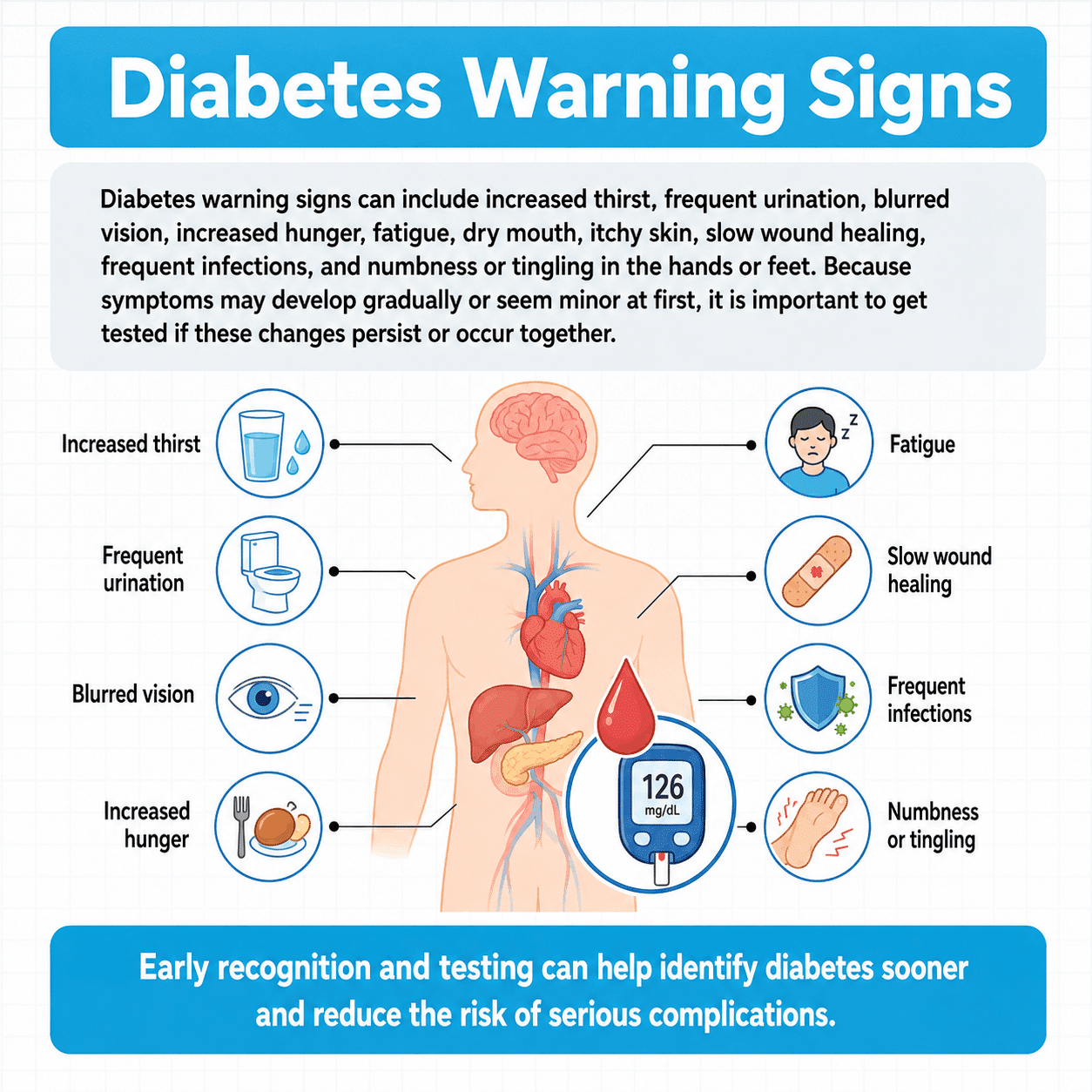
Diabetes symptoms can develop slowly and may be easy to overlook at first, especially when changes like thirst, fatigue, or blurry vision seem minor.
Recognizing these warning signs early can help you know when to get tested and take steps to protect your long-term health.
Increased Thirst
Increased thirst, medically known as polydipsia, is one of the most common early warning signs of diabetes. This symptom often develops when blood sugar levels are too high.
When excess glucose builds up in the bloodstream, the kidneys try to remove it by filtering it into the urine. Glucose pulls water with it, which causes the body to lose more fluid than usual. As fluid is lost through frequent urination, dehydration can develop, leading to persistent thirst.
A person may notice that they are drinking more water than normal but still feel thirsty. They may keep water nearby, wake up thirsty during the night, or feel dry shortly after drinking. Increased thirst may also occur with dry mouth, fatigue, dizziness, or frequent urination.
Occasional thirst is normal, especially after exercise, salty foods, or hot weather. However, persistent thirst that seems unusual or occurs with other diabetes symptoms should prompt medical evaluation.
Frequent Urination
Frequent urination, also called polyuria, is closely linked to increased thirst. When blood sugar is high, the kidneys work harder to remove excess glucose from the blood. This extra glucose enters the urine and pulls fluid with it, increasing the amount of urine produced.
People with diabetes may urinate more often during the day or wake up several times at night to use the bathroom. This nighttime urination is called nocturia. Some people may also notice a larger volume of urine than usual.
This symptom can create a cycle of fluid loss and thirst. The more fluid the body loses through urination, the more thirsty a person becomes. Drinking more fluids then leads to even more urination.
Frequent urination can have many causes, including urinary tract infections, pregnancy, certain medications, caffeine, and prostate problems. However, when it occurs with increased thirst, fatigue, blurred vision, or unexplained weight changes, diabetes should be considered.
Blurred Vision
Blurred vision can occur when high blood sugar causes fluid shifts in the eye. These shifts can affect the lens of the eye and make it harder to focus clearly.
Blurred vision related to diabetes may come and go, especially when blood sugar levels fluctuate. A person may notice cloudy vision, trouble reading, difficulty focusing, or changes in vision throughout the day.
Over time, uncontrolled diabetes can damage the small blood vessels in the retina, leading to diabetic retinopathy. This condition can increase the risk of permanent vision problems if not detected and treated. High blood sugar can also contribute to cataracts and glaucoma.
Temporary blurred vision may improve as blood sugar comes under better control, but any new or persistent vision changes should be evaluated. People with diabetes also need regular eye exams to check for early signs of eye disease.
Increased Hunger
Increased hunger, also known as polyphagia, is another possible early sign of diabetes. It occurs when the body’s cells are not receiving enough glucose for energy, even though glucose levels in the blood may be high.
Normally, insulin helps move glucose from the blood into the cells. In diabetes, insulin may be absent, insufficient, or not working effectively. As a result, cells cannot access the energy they need, and the body may respond by increasing hunger signals.
A person may feel hungry soon after eating or may feel the need to eat more often than usual. This hunger can occur along with fatigue, weight changes, thirst, and frequent urination.
Increased hunger alone does not always mean diabetes is present. However, persistent hunger with other symptoms of high blood sugar should be discussed with a healthcare provider.
Extreme Fatigue
Extreme fatigue or unusual tiredness is a common symptom of diabetes. It can occur because glucose is not entering the cells efficiently, leaving the body without enough usable energy.
Even when blood sugar is high, the cells may be starved for fuel if insulin is not working properly. This can cause a person to feel tired, weak, sluggish, or unable to complete normal activities.
Fatigue may also be worsened by dehydration from frequent urination, poor sleep from waking up at night to urinate, inflammation, or changes in appetite. Some people may feel exhausted despite sleeping enough.
Fatigue has many possible causes, including stress, anemia, thyroid disease, poor sleep, depression, infection, and other chronic conditions. However, when fatigue is new, persistent, or occurs with increased thirst, frequent urination, blurred vision, or weight changes, blood sugar testing may be needed.
Dry Mouth
Dry mouth, medically known as xerostomia, can occur when high blood sugar leads to dehydration and reduced saliva production. It often occurs along with increased thirst.
Saliva helps keep the mouth moist, supports chewing and swallowing, and protects the teeth and gums. When saliva production decreases, the mouth may feel dry, sticky, or uncomfortable. A person may also notice bad breath, a dry throat, cracked lips, or changes in taste.
Dry mouth can increase the risk of dental problems, including cavities, gum disease, and oral infections. People with diabetes may already be at higher risk for infections, making good oral care especially important.
Persistent dry mouth should be evaluated, particularly when it occurs with frequent urination, increased thirst, fatigue, or recurrent infections.
Itchy Skin
Itchy skin may occur in people with diabetes for several reasons. High blood sugar can contribute to dehydration, which can dry out the skin and make it itchy. Poor circulation can also reduce skin moisture and healing ability.
Diabetes can increase the risk of fungal infections, yeast infections, and bacterial skin infections, all of which may cause itching, redness, irritation, or rash. Itching may affect the legs, feet, groin, underarms, or skin folds.
Some people with diabetes develop nerve damage that affects sweat glands and skin moisture. This can contribute to dry, cracked skin, which may increase the risk of infection.
Occasional itching is common and may be related to dry weather, allergies, soap, or skin conditions. However, itching that is persistent, widespread, associated with a rash, or accompanied by other diabetes symptoms should be checked.
Slow Wound Healing
Slow wound healing is an important warning sign of diabetes. High blood sugar can damage blood vessels, reduce circulation, and interfere with the immune system’s ability to fight infection.
When blood flow is poor, wounds may not receive enough oxygen and nutrients to heal properly. High blood sugar can also impair the function of white blood cells, making infections more likely and harder to clear.
A person may notice that cuts, scrapes, blisters, or sores take longer than expected to heal. This is especially concerning on the feet, where reduced sensation and poor circulation can allow small injuries to worsen without being noticed.
Slow-healing wounds should be evaluated, especially if there is redness, swelling, warmth, drainage, pain, odor, fever, or spreading infection. Foot wounds in people with diabetes require prompt medical attention.
Numbness or Tingling in the Hands or Feet
Numbness or tingling in the hands or feet can occur when high blood sugar damages nerves over time. This condition is called diabetic neuropathy.
Neuropathy often begins in the feet and toes and may later affect the hands. Symptoms may include numbness, tingling, burning, pins-and-needles sensations, pain, or reduced ability to feel temperature and pressure.
Loss of sensation can be dangerous because injuries may go unnoticed. A person may develop a blister, cut, or sore on the foot and not feel it. If circulation is also poor, healing can be slow and infection risk increases.
Numbness or tingling can also be caused by other conditions, including vitamin deficiencies, nerve compression, thyroid disease, alcohol use, and certain medications. However, when it occurs with other signs of diabetes, blood sugar testing is important.
Patches of Darker Skin
Patches of darker skin, known medically as acanthosis nigricans, can appear in areas where the skin folds or creases. Common locations include the neck, armpits, groin, elbows, knees, knuckles, and under the breasts.
These patches may look darker than the surrounding skin and may feel thicker or velvety. Acanthosis nigricans is often associated with insulin resistance, which is a major feature of type 2 diabetes and prediabetes.
The patches themselves are not usually harmful, but they may be a visible clue that the body is having difficulty using insulin properly. This can be an early sign that blood sugar problems are developing.
Anyone who notices new dark, velvety skin changes, especially with weight gain, increased thirst, frequent urination, or a family history of diabetes, should speak with a healthcare provider.
Unexplained Weight Loss
Unexplained weight loss can be a warning sign of diabetes, especially type 1 diabetes. When the body cannot use glucose properly for energy, it may begin breaking down fat and muscle for fuel.
This can cause weight loss even when a person is eating normally or feeling hungrier than usual. Weight loss may occur with increased thirst, frequent urination, fatigue, nausea, or weakness.
In type 1 diabetes, unexplained weight loss can develop quickly and may indicate that the body is not producing enough insulin. Without treatment, this can progress to diabetic ketoacidosis, which is a medical emergency.
Unintentional weight loss should always be evaluated, especially when it occurs with increased urination, thirst, fatigue, or other symptoms of high blood sugar.
Frequent Infections
Frequent infections can be an early sign of diabetes because high blood sugar can weaken immune defenses and create an environment where bacteria and yeast grow more easily.
People with diabetes may experience recurrent urinary tract infections, yeast infections, skin infections, gum infections, or slow-healing infected wounds. Infections may also be more severe or take longer to resolve.
High blood sugar can impair white blood cell function, reduce circulation, and make it harder for the body to fight germs effectively. Dry skin, nerve damage, and poor wound healing can further increase the risk of infection.
Recurring infections should be discussed with a healthcare provider, especially if they occur with increased thirst, frequent urination, fatigue, or blurred vision.
Mood Changes or Irritability
Mood changes, irritability, or difficulty concentrating may occur when blood sugar levels are too high or fluctuating. Glucose is the brain’s main source of energy, so changes in blood sugar can affect mood, focus, and mental clarity.
A person may feel unusually irritable, anxious, foggy, or emotionally drained. These symptoms may occur along with fatigue, thirst, hunger, or poor sleep due to frequent urination at night.
Mood changes are nonspecific and can be caused by stress, sleep problems, mental health conditions, hormonal changes, or other illnesses. However, when they appear with other signs of diabetes, they should be considered part of the overall symptom pattern.
Type 1 vs. Type 2 Diabetes Symptoms
Type 1 and type 2 diabetes can cause similar symptoms, but the pattern and speed of symptom development may differ.
- Type 1 diabetes often develops quickly, sometimes over a few weeks. Symptoms may be more noticeable and may include increased thirst, frequent urination, weight loss, extreme hunger, fatigue, blurred vision, nausea, vomiting, abdominal pain, fruity-smelling breath, or rapid breathing. It is more common in children, teens, and young adults, but it can occur at any age.
- Type 2 diabetes often develops gradually. Symptoms may be mild or absent at first. A person may have high blood sugar for years before diagnosis. Warning signs may include thirst, frequent urination, fatigue, blurred vision, slow wound healing, recurrent infections, numbness or tingling, and dark skin patches related to insulin resistance.
Note: Because symptoms can overlap, testing is needed to diagnose diabetes and determine the type. A healthcare provider can use blood tests, medical history, and sometimes additional testing to guide diagnosis and treatment.
When Should You See a Doctor?
You should speak with a healthcare provider if you develop symptoms that may be related to diabetes, especially if they are persistent, worsening, or occur together.
Common reasons to seek medical evaluation include:
- Increased thirst that does not improve
- Frequent urination, especially at night
- Unexplained fatigue or weakness
- Blurred vision
- Unexplained weight loss
- Slow-healing cuts or sores
- Numbness, tingling, or burning in the feet or hands
- Frequent urinary tract, yeast, skin, or gum infections
- New dark, velvety skin patches
- Dry mouth, itchy skin, or increased hunger with other symptoms
Note: Seek urgent medical attention if symptoms are severe or suggest diabetic ketoacidosis or dangerously high blood sugar. Warning signs may include vomiting, abdominal pain, rapid breathing, confusion, severe weakness, dehydration, fruity-smelling breath, or inability to keep fluids down.
How is Diabetes Diagnosed?
Diabetes is diagnosed with blood tests that measure blood glucose levels or average blood glucose over time. A healthcare provider may order testing if symptoms are present or if a person has risk factors.
Common tests include:
- A1C test: This blood test estimates average blood sugar levels over the past 2 to 3 months.
- Fasting plasma glucose test: This measures blood sugar after fasting for at least 8 hours.
- Random plasma glucose test: This measures blood sugar at any time of day and may be used when symptoms are present.
- Oral glucose tolerance test: This measures how the body handles glucose after drinking a glucose-containing liquid.
Note: In some cases, repeat testing is needed to confirm the diagnosis. Additional tests may help determine whether diabetes is type 1, type 2, gestational, or another form.
How is Diabetes Treated?
Treatment for diabetes depends on the type of diabetes, blood sugar levels, overall health, age, medications, lifestyle, and the presence of other conditions. The goal is to keep blood sugar in a safe range and reduce the risk of complications.
Treatment may include:
- Healthy eating: A balanced diet can help manage blood sugar, weight, cholesterol, and blood pressure.
- Physical activity: Regular exercise helps the body use insulin more effectively and supports heart health.
- Weight management: For some people with type 2 diabetes, losing excess weight can improve insulin resistance and glucose control.
- Blood sugar monitoring: Monitoring helps track patterns and guide treatment decisions.
- Oral medications: Some people with type 2 diabetes take medications to improve insulin sensitivity, reduce glucose production, or help the body manage blood sugar.
- Injectable medications: Some medications help regulate blood sugar and may support weight management or heart health.
- Insulin therapy: People with type 1 diabetes need insulin. Some people with type 2 diabetes or gestational diabetes may also need insulin.
- Management of blood pressure and cholesterol: These are important for reducing the risk of heart disease, stroke, and kidney disease.
Note: A diabetes care plan should be individualized. It may involve a primary care provider, endocrinologist, diabetes educator, registered dietitian, pharmacist, eye doctor, dentist, and podiatrist.
Possible Complications of Untreated Diabetes
Untreated or poorly controlled diabetes can damage many parts of the body. Complications are more likely when blood sugar remains high over time, especially when blood pressure, cholesterol, smoking, or other risk factors are also present.
Possible complications include:
- Heart disease and stroke: Diabetes increases the risk of cardiovascular disease.
- Kidney disease: High blood sugar can damage the kidneys and may lead to chronic kidney disease or kidney failure.
- Eye disease: Diabetes can damage retinal blood vessels and increase the risk of vision loss.
- Nerve damage: Neuropathy can cause pain, numbness, tingling, digestive problems, or sexual dysfunction.
- Foot problems: Poor circulation and nerve damage can lead to ulcers, infections, and in severe cases, amputation.
- Skin and gum infections: High blood sugar can increase infection risk and slow healing.
- Pregnancy complications: Uncontrolled diabetes during pregnancy can affect both the parent and baby.
Note: The good news is that many complications can be delayed or prevented with early diagnosis, consistent blood sugar management, regular checkups, and healthy lifestyle habits.
Can Diabetes Be Prevented?
Type 1 diabetes cannot currently be prevented. However, type 2 diabetes can often be delayed or prevented, especially in people with prediabetes or insulin resistance.
Prevention strategies may include:
- Maintain a healthy weight: Even modest weight loss can improve insulin sensitivity in people who are overweight.
- Stay physically active: Regular activity helps muscles use glucose and can lower insulin resistance.
- Choose a balanced diet: Focus on vegetables, fruits, whole grains, lean proteins, healthy fats, and high-fiber foods.
- Limit sugary drinks and highly processed foods: These can contribute to weight gain and blood sugar spikes.
- Get regular screening: Testing is important for people with risk factors, including family history, overweight, high blood pressure, history of gestational diabetes, or prediabetes.
- Manage blood pressure and cholesterol: Cardiovascular risk reduction is an important part of diabetes prevention and care.
Note: If you have been told you have prediabetes, lifestyle changes and follow-up testing can help reduce the chance of developing type 2 diabetes.
FAQs About Diabetes Warning Signs
What are the first signs of diabetes?
Early signs of diabetes may include increased thirst, frequent urination, increased hunger, fatigue, blurred vision, dry mouth, itchy skin, unexplained weight loss, slow wound healing, frequent infections, and numbness or tingling in the hands or feet. Symptoms may develop quickly in type 1 diabetes or gradually in type 2 diabetes.
Can diabetes develop without symptoms?
Yes. Type 2 diabetes can develop slowly and may not cause obvious symptoms at first. Some people are diagnosed only after routine blood testing or after complications begin to appear. This is why screening is important for people with risk factors such as overweight, family history, high blood pressure, or history of gestational diabetes.
Why does diabetes cause thirst and frequent urination?
When blood sugar is high, the kidneys try to remove excess glucose through the urine. Glucose pulls water with it, causing increased urination. As the body loses fluid, dehydration can develop, which leads to increased thirst. These two symptoms often occur together.
Is blurred vision from diabetes permanent?
Blurred vision from changing blood sugar levels may improve when glucose levels are controlled. However, long-term uncontrolled diabetes can damage the blood vessels in the retina and cause diabetic retinopathy, which may lead to permanent vision problems. New or persistent vision changes should be evaluated by a healthcare provider.
When are diabetes symptoms an emergency?
Diabetes symptoms may be an emergency if they include vomiting, abdominal pain, rapid breathing, confusion, severe weakness, dehydration, fruity-smelling breath, or inability to keep fluids down. These may be signs of diabetic ketoacidosis or dangerously high blood sugar and require urgent medical care.
How do doctors test for diabetes?
Doctors commonly test for diabetes using an A1C test, fasting plasma glucose test, random plasma glucose test, or oral glucose tolerance test. The A1C test estimates average blood sugar over the past 2 to 3 months, while other tests measure blood glucose at a specific time.
Final Thoughts
Identifying and responding to the early warning signs of diabetes can make a major difference in long-term health. Symptoms such as increased thirst, frequent urination, blurred vision, increased hunger, fatigue, dry mouth, itchy skin, slow wound healing, numbness or tingling, dark skin patches, unexplained weight loss, and frequent infections should not be ignored.
These symptoms do not always mean diabetes is present, but they are important reasons to seek medical evaluation. A simple blood test can help determine whether blood sugar is too high and whether treatment is needed.
Early diagnosis gives people the opportunity to manage blood sugar, protect the eyes, kidneys, nerves, heart, and blood vessels, and reduce the risk of serious complications. If you have symptoms or risk factors for diabetes, speak with a healthcare provider about testing and next steps.

Written by:
John Landry is a registered respiratory therapist from Memphis, TN, and has a bachelor's degree in kinesiology. He enjoys using evidence-based research to help others breathe easier and live a healthier life.
References
- Sapra A, Bhandari P. Diabetes. [Updated 2023 Jun 21]. In: StatPearls [Internet]. Treasure Island (FL): StatPearls Publishing; 2024.