
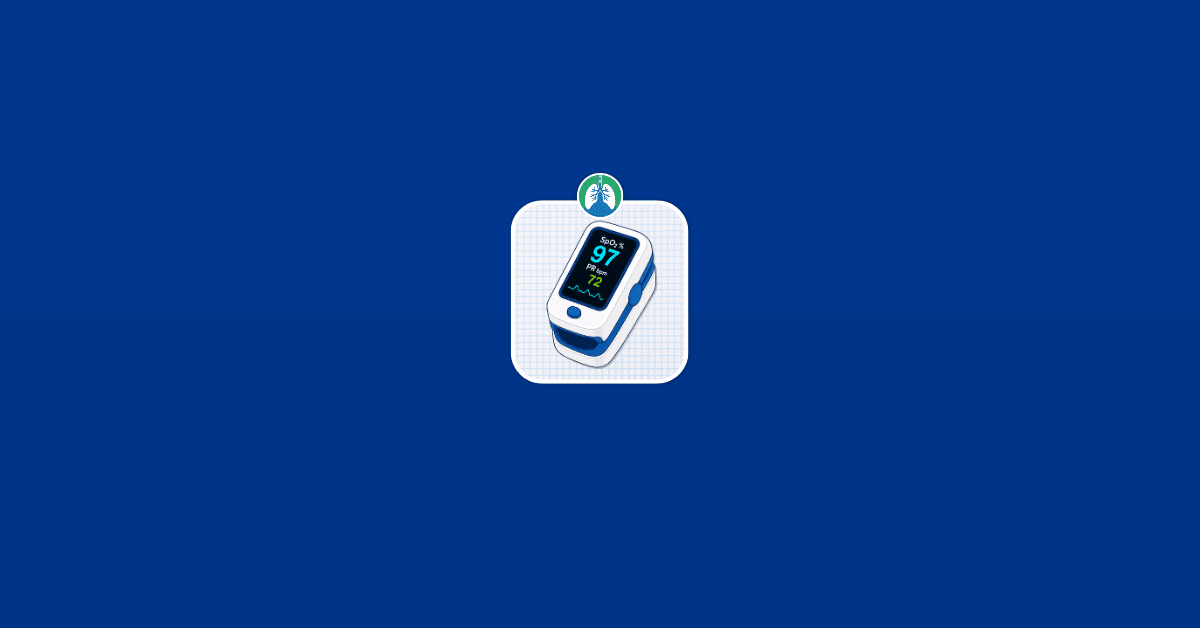
Oxygen saturation, commonly written as SpO₂, is one of the most frequently monitored values in respiratory care. It provides a quick, noninvasive estimate of how much hemoglobin in arterial blood is carrying oxygen.
Because it can be measured continuously with a pulse oximeter, SpO₂ is useful during oxygen therapy, mechanical ventilation, procedures, exercise testing, neonatal care, and routine bedside assessment.
However, SpO₂ has important limitations. It reflects oxygenation, not ventilation, and it must always be interpreted along with the patient’s clinical condition.

What Is Oxygen Saturation?
Oxygen saturation refers to the percentage of hemoglobin binding sites that are occupied by oxygen. Hemoglobin is the protein inside red blood cells that carries most of the oxygen in the blood. When oxygen attaches to hemoglobin in the lungs, it can be transported through the bloodstream and delivered to tissues throughout the body.
SpO₂ is the oxygen saturation value estimated by a pulse oximeter. The “p” in SpO₂ stands for pulse, which means the device is using pulsatile arterial blood flow to estimate oxygen saturation. This is different from SaO₂, which refers to arterial oxygen saturation measured directly from an arterial blood sample.
In simple terms:
- SpO₂ is estimated noninvasively with a pulse oximeter
- SaO₂ is measured directly from arterial blood
- PaO₂ is the partial pressure of oxygen dissolved in arterial blood
These values are related, but they are not the same. This distinction is important because SpO₂ does not directly measure the amount of oxygen dissolved in plasma, nor does it provide information about carbon dioxide levels, pH, or total oxygen delivery.

Why SpO₂ Is Important
SpO₂ is important because it gives clinicians a fast and continuous way to monitor oxygenation. Before pulse oximetry became widely available, arterial blood gas analysis was the main method used to identify hypoxemia. ABG analysis is still extremely valuable, but it requires an arterial blood sample, which can be painful and may cause complications. It also provides only a single snapshot in time.
Pulse oximetry provides continuous data. This allows the respiratory therapist to watch trends and recognize changes in oxygenation as they occur. For example, a patient may have a stable SpO₂ of 95% for several hours, then gradually fall to 90%. Even if the value is not yet critically low, the downward trend may indicate worsening oxygenation, increased work of breathing, a change in lung function, or a problem with oxygen delivery.
SpO₂ is commonly monitored in patients receiving oxygen therapy, mechanical ventilation, sedation, anesthesia, bronchoscopy, sleep studies, and exercise testing. It is also useful in emergency situations, during transport, and when assessing patients with respiratory distress.
However, SpO₂ should not be treated as a complete picture of the patient’s respiratory status. It is one piece of information that must be interpreted with the patient’s breathing pattern, level of consciousness, skin color, work of breathing, hemodynamics, hemoglobin level, and other test results.
How Pulse Oximetry Works
A pulse oximeter estimates SpO₂ by using light absorption and pulsatile blood flow. The device typically contains light-emitting diodes and a photodetector. It sends red and infrared light through tissue, such as a fingertip, toe, earlobe, or infant’s hand or foot. Oxygenated hemoglobin and reduced hemoglobin absorb these wavelengths of light differently.
The pulse oximeter also detects the pulsatile signal created by arterial blood flow. This is important because the device is designed to estimate arterial oxygen saturation, not venous or capillary saturation. By separating the changing pulsatile arterial signal from the more constant absorption caused by tissue, bone, skin, and venous blood, the monitor can calculate an estimated oxygen saturation value.
Most pulse oximeters also display the patient’s pulse rate and a waveform or plethysmographic tracing. The waveform helps the clinician decide whether the signal is reliable. A strong, consistent waveform usually suggests that the device is detecting arterial pulsations well. A weak or irregular waveform may indicate poor perfusion, motion artifact, incorrect sensor placement, or another technical problem.
Some sensors use transmission technology, meaning the light source and detector are placed opposite each other. These are commonly used on fingers, toes, hands, feet, and earlobes. Other sensors use reflectance technology, where the light source and detector are on the same side. Reflectance sensors may be placed on areas such as the forehead.
SpO₂ vs. SaO₂ vs. PaO₂
SpO₂, SaO₂, and PaO₂ are closely related, but each tells the clinician something different.
- SpO₂ is the pulse oximeter estimate of arterial oxygen saturation. It is convenient, continuous, and noninvasive.
- SaO₂ is the actual arterial oxygen saturation measured from arterial blood. It is more direct than SpO₂ and may be measured through blood gas analysis with co-oximetry or hemoximetry.
- PaO₂ is the partial pressure of oxygen dissolved in arterial plasma. It is measured in mmHg or torr and is obtained from an arterial blood gas.
A common mistake is assuming that SpO₂ and PaO₂ are interchangeable. They are not. For example, an SpO₂ of 80% does not mean the same thing as a PaO₂ of 80 mmHg. A PaO₂ of 80 mmHg is generally considered acceptable in many adult patients. An SpO₂ of 80%, however, suggests significant hypoxemia and may correspond roughly to a PaO₂ around 45 mmHg.
This relationship is explained by the oxyhemoglobin dissociation curve. On the flatter upper portion of the curve, the SpO₂ may remain relatively high even as PaO₂ falls. For example, PaO₂ can decrease from around 100 mmHg to 60 mmHg while oxygen saturation remains near 90%. However, once PaO₂ falls below about 60 mmHg, the curve becomes steep. At that point, small decreases in PaO₂ can cause large drops in SpO₂.
40-50-60/70-80-90 Rule
A helpful rule of thumb is the 40-50-60/70-80-90 rule:
- A PaO₂ of 40 mmHg corresponds to an oxygen saturation of about 70%
- A PaO₂ of 50 mmHg corresponds to an oxygen saturation of about 80%
- A PaO₂ of 60 mmHg corresponds to an oxygen saturation of about 90%
Note: This rule is only a general guideline. It is most useful when pH, PaCO₂, temperature, and hemoglobin function are relatively normal.
SpO₂ Measures Oxygenation, Not Ventilation
One of the most important points about SpO₂ is that it measures oxygenation, not ventilation. Oxygenation refers to the process of oxygen entering the lungs, diffusing into the blood, binding to hemoglobin, and being transported to the tissues. Ventilation refers to the movement of air in and out of the lungs, especially the removal of carbon dioxide.
A patient can have a normal or acceptable SpO₂ while still having inadequate ventilation. This is especially true if the patient is receiving supplemental oxygen. For example, a patient with hypoventilation may retain carbon dioxide, causing PaCO₂ to rise and pH to fall. If the patient is receiving enough oxygen, the SpO₂ may still look acceptable for a time. In that situation, relying only on SpO₂ could delay recognition of ventilatory failure.
Pulse oximetry does not measure PaCO₂, pH, bicarbonate, or alveolar ventilation. When acute ventilatory failure is suspected, an arterial blood gas is needed to evaluate carbon dioxide retention and acid-base status. Capnography may also be useful because it provides information about exhaled carbon dioxide.
This distinction is especially important during airway management. Pulse oximetry is not the best method for confirming endotracheal tube placement. Capnography is more reliable because it detects exhaled carbon dioxide breath by breath. A patient who has been preoxygenated with 100% oxygen may maintain a normal SpO₂ briefly even if ventilation is inadequate or the airway is misplaced. Therefore, SpO₂ should not be used alone to assess ventilation or airway placement.
Normal and Target SpO₂ Ranges
A normal SpO₂ for many healthy adults is usually around 95% to 100%. However, target ranges vary depending on the patient’s condition, age, and risk factors. The goal is not always to achieve the highest possible saturation. The goal is to provide enough oxygen to prevent tissue hypoxia while avoiding unnecessary hyperoxia.
For many acutely ill adults, a common target is around 92% or higher. In some cases, clinicians may aim for a range such as 92% to 96% or 92% to 95%, depending on the patient and clinical setting.
For patients with chronic hypoxemia, especially some patients with COPD and chronic carbon dioxide retention, the target is often lower. A common goal is to maintain SpO₂ around 88% to 92%. This range may correspond to a PaO₂ of about 50 to 60 mmHg. It helps correct significant hypoxemia while reducing the risk of excessive oxygen administration in patients who may be vulnerable to worsening hypercapnia.
In mechanically ventilated patients, oxygen may be titrated to maintain a PaO₂ around 55 to 80 mmHg with an SpO₂ around 88% to 95%, depending on the patient’s condition. If the patient is unstable or oxygenation status is unknown, ventilatory support may begin with 100% oxygen until PaO₂, SaO₂, or SpO₂ can be assessed. Once oxygenation is adequate, FiO₂ should be reduced to the lowest level that maintains the desired target.
In neonates, SpO₂ targets are more specific because both low and high oxygen levels can be harmful. Preterm infants may have a target range around 89% to 94%. Term or postterm infants may be managed with the lowest FiO₂ needed to keep SpO₂ above 92%. Infants with primary pulmonary hypertension may require higher targets, such as above 95%, depending on the clinical situation.
SpO₂ and Oxygen Therapy
SpO₂ plays an important role in oxygen therapy because it helps clinicians evaluate whether the chosen oxygen device and setting are meeting the patient’s needs. Oxygen therapy may be delivered by nasal cannula, simple mask, Venturi mask, partial-rebreathing mask, nonrebreathing mask, high-flow nasal cannula, mechanical ventilator, or other oxygen delivery systems.
After oxygen therapy is started or adjusted, SpO₂ should be reassessed. If the patient’s SpO₂ rises into the target range and the clinical condition improves, the therapy may be appropriate. If SpO₂ remains low, the patient may need a higher FiO₂, a different delivery device, improved ventilation, airway clearance, bronchodilator therapy, positive pressure support, or additional evaluation.
SpO₂ can also guide weaning from oxygen. Once the patient stabilizes, the respiratory therapist may reduce oxygen gradually while watching for desaturation, increased work of breathing, changes in mental status, tachycardia, or other signs of poor tolerance. The goal is to avoid both hypoxemia and unnecessary oxygen exposure.
Note: Oxygen is a drug. It should be administered with a clear indication, appropriate dose, proper monitoring, and attention to side effects. SpO₂ helps guide oxygen dosing, but it should not replace clinical judgment.
SpO₂ in Mechanical Ventilation
During mechanical ventilation, SpO₂ is used to monitor oxygenation continuously. If a ventilated patient’s SpO₂ falls, the respiratory therapist should first determine whether the reading is accurate. The therapist should check the pulse oximeter waveform, sensor placement, pulse signal, patient movement, perfusion, and overall clinical appearance.
If the low SpO₂ reading is confirmed, the clinician should assess possible causes. These may include worsening lung disease, atelectasis, mucus plugging, pneumothorax, ventilator disconnection, incorrect ventilator settings, patient-ventilator asynchrony, low cardiac output, or increased oxygen demand.
Common responses may include increasing FiO₂, adjusting PEEP, suctioning the airway, improving patient positioning, assessing breath sounds, checking the ventilator circuit, obtaining an ABG, or notifying the provider. In refractory hypoxemia, increasing PEEP may help recruit alveoli and improve oxygenation. However, ventilator changes should be based on the patient’s condition, not the SpO₂ number alone.
A stable SpO₂ does not prove that ventilation is adequate. A mechanically ventilated patient can have acceptable oxygenation while retaining carbon dioxide. For this reason, ABG analysis, capnography, ventilator graphics, exhaled tidal volume, minute ventilation, and clinical assessment remain important.
SpO₂ in COPD
SpO₂ monitoring is especially important in patients with COPD because oxygen must often be titrated carefully. In COPD patients with chronic hypercapnia and compensated respiratory acidosis, excessive oxygen may contribute to worsening carbon dioxide retention in some cases. This does not mean oxygen should be withheld from a hypoxemic COPD patient. Untreated hypoxemia can lead to pulmonary hypertension, cor pulmonale, dysrhythmias, cardiac arrest, and tissue injury.
The goal is controlled oxygen therapy. A common target range for many COPD patients at risk for carbon dioxide retention is 88% to 92%. This range helps provide enough oxygen while avoiding unnecessary hyperoxia. If the patient shows signs of worsening ventilation, such as increasing drowsiness, confusion, respiratory acidosis, or rising PaCO₂, an ABG should be obtained.
Note: It is important to remember that COPD oxygen therapy is not about avoiding oxygen altogether. It is about giving the right amount of oxygen and reassessing the patient’s response.
SpO₂ in Neonatal and Pediatric Care
SpO₂ monitoring is widely used in neonatal and pediatric care, but interpretation must be careful. Neonates, especially premature infants, can be harmed by both hypoxemia and hyperoxemia. Low oxygen levels can impair tissue oxygen delivery, while excessive oxygen exposure in premature infants is associated with complications such as retinopathy of prematurity.
Because neonates may experience clinically important changes in PaO₂ with relatively small changes in SpO₂, target ranges are often narrow. Preterm infants may be managed with SpO₂ around 89% to 94%, depending on institutional protocols and the infant’s condition. Term infants may be managed with oxygen reduced to the lowest FiO₂ that keeps SpO₂ above 92%. Higher targets may be used in certain conditions, such as primary pulmonary hypertension.
Note: In infants, pulse oximeter probes are commonly placed on the hands or feet. Proper sensor size, positioning, and signal quality are essential. Poor placement, motion, low perfusion, and ambient light can all affect the accuracy of the reading.
SpO₂ During Exercise Testing and Rehabilitation
SpO₂ is often monitored during exercise testing, pulmonary rehabilitation, and functional assessment. One common example is the 6-minute walk test. During this test, the clinician monitors the patient’s oxygen saturation, symptoms, walking distance, heart rate, and overall tolerance.
A significant drop in SpO₂ during exertion may indicate exertional hypoxemia. In some cases, the test may be stopped if SpO₂ falls below 88% or drops significantly from baseline, depending on the order or protocol. Oxygen may be started or increased if prescribed.
Exercise oxygen titration may be used to determine the flow rate or oxygen concentration needed to keep SpO₂ within the desired range during activity. Some patients maintain adequate oxygenation at rest but desaturate during walking or exercise. Monitoring SpO₂ during exertion helps identify these patients and guide oxygen prescriptions.
Common Causes of Low SpO₂
A low SpO₂ may occur for many reasons. Some causes are related to true hypoxemia, while others are related to inaccurate readings.
True hypoxemia may occur with pneumonia, asthma, COPD exacerbation, pulmonary edema, atelectasis, pulmonary embolism, acute respiratory distress syndrome, airway obstruction, hypoventilation, low inspired oxygen, or impaired diffusion. In these cases, oxygen transfer from the lungs to the blood is reduced, or ventilation and perfusion are mismatched.
Low SpO₂ may also occur when oxygen delivery equipment is not working properly. For example, the oxygen flow may be too low, the device may be disconnected, the mask may not fit properly, or the oxygen source may be empty.
In other cases, the patient’s SpO₂ may appear low because the pulse oximeter signal is unreliable. Poor perfusion, cold extremities, hypotension, vasoconstricting medications, motion artifact, nail polish, artificial nails, and incorrect probe placement can all cause inaccurate values.
Note: Whenever SpO₂ is unexpectedly low, the clinician should assess both the patient and the equipment.
Factors That Can Affect SpO₂ Accuracy
Pulse oximetry is useful, but it is not perfect. Many factors can interfere with the accuracy of SpO₂ readings.
- Motion artifact is one of the most common causes of false alarms. Patient movement can interfere with the device’s ability to detect a clean pulsatile arterial signal. This is common in restless patients, infants, and patients with tremors.
- Poor peripheral perfusion can also cause unreliable readings. Hypotension, hypothermia, shock, vasoconstriction, low cardiac output, and peripheral vascular disease may reduce blood flow to the sensor site. When the pulse signal is weak, the oximeter may produce inaccurate or inconsistent values.
- Nail polish and artificial nails can interfere with finger sensors. Dark nail polish may block or alter light transmission, causing falsely low or unreliable readings. In these cases, the sensor may need to be moved to another site.
- Ambient light can affect readings if bright external light reaches the sensor. Covering the probe with an opaque material may help.
- Venous pulsations can interfere if the probe is too tight or if there is a tourniquet-like effect. The device may mistakenly detect venous pulsations as arterial pulsations.
- Certain dyes, such as methylene blue, indigo carmine, and indocyanine green, can cause falsely low readings by affecting light absorption.
- Skin pigmentation, anemia, electromagnetic interference, sensor problems, and device limitations may also affect accuracy.
Note: For this reason, the clinician should always evaluate the waveform, pulse signal, and patient condition before accepting the number as accurate.
Carbon Monoxide and Methemoglobin
Carbon monoxide poisoning is one of the most important limitations of standard pulse oximetry. Standard two-wavelength pulse oximeters cannot reliably distinguish oxyhemoglobin from carboxyhemoglobin. As a result, a patient with carbon monoxide poisoning may have a falsely normal or falsely high SpO₂ even though oxygen delivery is impaired.
This is why a patient exposed to smoke inhalation, an enclosed house fire, a running car in an enclosed space, or another carbon monoxide source should not be assessed with standard pulse oximetry alone. An arterial blood sample analyzed with co-oximetry is needed to measure carboxyhemoglobin.
Methemoglobinemia can also distort SpO₂ values. As methemoglobin levels increase, the SpO₂ reading often trends toward approximately 85%, regardless of the true oxygen saturation. This can make the pulse oximeter misleading.
Pulse CO-oximeters use multiple wavelengths of light to estimate oxyhemoglobin, deoxyhemoglobin, carboxyhemoglobin, and methemoglobin noninvasively. However, laboratory co-oximetry remains more accurate when precise measurement is required.
SpO₂ and Oxygen Delivery
A normal SpO₂ does not always mean the patient has adequate oxygen delivery. Oxygen delivery depends on several factors, including oxygen saturation, hemoglobin concentration, cardiac output, and tissue perfusion.
A patient with severe anemia may have a normal SpO₂ because the hemoglobin that is present is well saturated. However, the total amount of hemoglobin may be too low to carry enough oxygen to the tissues. In this case, SpO₂ can look reassuring while oxygen-carrying capacity is dangerously reduced.
Similarly, a patient in shock may have an acceptable SpO₂ but poor tissue oxygen delivery because cardiac output and perfusion are inadequate. This is why SpO₂ must be interpreted along with hemoglobin level, blood pressure, heart rate, capillary refill, mental status, urine output, lactate, and other clinical signs.
Note: SpO₂ tells the clinician about oxygen saturation. It does not fully measure oxygen content, oxygen delivery, or tissue oxygen utilization.
Responding to an Abnormal SpO₂ Reading
When an SpO₂ reading is abnormal, the first step is to assess the patient. The respiratory therapist should look at the patient’s work of breathing, respiratory rate, breath sounds, skin color, mental status, heart rate, and overall appearance. A patient who is cyanotic, confused, diaphoretic, or struggling to breathe needs immediate attention.
The next step is to verify the pulse oximeter reading. The therapist should check the waveform, pulse rate correlation, probe placement, sensor size, perfusion, motion, and oxygen delivery system. If the reading seems inconsistent with the patient’s condition, the sensor should be repositioned or moved to another site.
If the low SpO₂ is confirmed, the therapist should take action based on the patient’s condition and the care plan. This may include increasing oxygen, changing the delivery device, suctioning, repositioning, encouraging deep breathing, administering prescribed bronchodilators, evaluating the ventilator, or obtaining an ABG.
If ventilatory failure, carbon monoxide poisoning, methemoglobinemia, shock, severe anemia, or major clinical deterioration is suspected, SpO₂ alone is not enough. Additional testing and urgent evaluation may be required.
Practical Guidelines for Pulse Oximetry
Proper use of pulse oximetry improves the reliability of SpO₂ monitoring. The clinician should choose the correct sensor for the patient and site. Adult, pediatric, infant, and neonatal sensors are not interchangeable. The sensor should be applied according to the manufacturer’s instructions.
The light source and detector must be aligned properly for transmission sensors. The site should be clean, warm, and well perfused when possible. The clinician should avoid placing the sensor on an extremity with poor perfusion, excessive movement, a blood pressure cuff, or an arterial line that may interfere with the signal.
For continuous monitoring, alarm limits should be set appropriately. In many adult and pediatric settings, low alarms may be set around 88% to 92%, depending on the patient and target range. Alarm settings should reflect the patient’s condition and clinical goals.
The sensor site should be inspected regularly for pressure injury, skin irritation, burns, or poor circulation. Reusable sensors should be cleaned and disinfected between patients.
Note: Most importantly, clinicians should avoid acting on SpO₂ readings alone. The monitor provides useful information, but patient assessment remains essential.
Limitations of High SpO₂ Values
High SpO₂ values can also be misleading. A pulse oximeter may show 100%, but this does not tell the clinician whether the PaO₂ is 100 mmHg or several hundred mmHg. Because the oxyhemoglobin dissociation curve is flat at higher PaO₂ levels, saturation may remain at or near 100% across a wide range of oxygen tensions.
This means pulse oximetry is not a reliable tool for detecting hyperoxia. This is especially important in neonates and premature infants, where excessive oxygen exposure can be harmful. In patients at risk for oxygen toxicity or hyperoxia-related complications, ABG analysis or other monitoring methods may be needed.
A high SpO₂ should not automatically lead clinicians to assume that oxygen therapy is optimal. If the patient is receiving a high FiO₂ and the SpO₂ is 100%, oxygen may need to be titrated downward when clinically appropriate.
Oxygen Saturation Practice Questions
1. What does SpO₂ represent?
SpO₂ represents the estimated percentage of hemoglobin in arterial blood that is saturated with oxygen, as measured noninvasively by a pulse oximeter.
2. What does the “p” in SpO₂ stand for?
The “p” in SpO₂ stands for pulse, meaning the value is estimated using pulsatile arterial blood flow.
3. How is SpO₂ different from SaO₂?
SpO₂ is estimated noninvasively by pulse oximetry, while SaO₂ is measured directly from an arterial blood sample.
4. How is SpO₂ different from PaO₂?
SpO₂ measures the percentage of hemoglobin saturated with oxygen, while PaO₂ measures the partial pressure of oxygen dissolved in arterial blood.
5. Why is pulse oximetry useful in respiratory care?
Pulse oximetry is useful because it provides a quick, continuous, and noninvasive estimate of oxygenation.
6. What is the main limitation of SpO₂ monitoring?
The main limitation is that SpO₂ reflects oxygenation, not ventilation, so it does not measure PaCO₂ or acid-base status.
7. Can a patient have a normal SpO₂ and still be retaining carbon dioxide?
Yes. A patient receiving supplemental oxygen may have an acceptable SpO₂ while still retaining carbon dioxide due to inadequate ventilation.
8. What test is needed to evaluate PaCO₂ and pH?
An arterial blood gas is needed to evaluate PaCO₂, pH, bicarbonate, PaO₂, and overall acid-base status.
9. What two principles are used by pulse oximeters?
Pulse oximeters use spectrophotometry and photoplethysmography to estimate arterial oxygen saturation.
10. How does spectrophotometry help measure SpO₂?
Spectrophotometry measures how red and infrared light are absorbed differently by oxyhemoglobin and reduced hemoglobin.
11. Why does a pulse oximeter detect pulsatile blood flow?
It detects pulsatile blood flow to separate arterial blood from nonpulsatile tissue, venous blood, and other background signals.
12. Where are common pulse oximeter sensor sites in adults?
Common adult sensor sites include the finger, toe, earlobe, forehead, and bridge of the nose.
13. Where are pulse oximeter probes commonly placed in infants?
In infants, pulse oximeter probes are commonly placed on the hands or feet.
14. What should a clinician check before accepting an SpO₂ value as accurate?
The clinician should check the waveform, pulse signal, sensor placement, perfusion, patient movement, and clinical appearance.
15. Why should clinicians avoid acting on SpO₂ readings alone?
SpO₂ readings can be inaccurate or incomplete, so they must be interpreted with the full patient assessment and other clinical data.
16. What does an SpO₂ of 80% generally indicate?
An SpO₂ of 80% generally indicates significant hypoxemia and may correspond roughly to a PaO₂ around 45 mm Hg.
17. Is an SpO₂ of 80% the same as a PaO₂ of 80 mm Hg?
No. An SpO₂ of 80% indicates low oxygen saturation, while a PaO₂ of 80 mm Hg is generally acceptable in many adult patients.
18. Why is an SpO₂ alarm often set near 88%?
An SpO₂ of about 88% often corresponds to a PaO₂ near 55 mm Hg, which is close to the lower acceptable limit for oxygenation in many situations.
19. What is the 40-50-60/70-80-90 rule?
It is a rule of thumb stating that PaO₂ values of 40, 50, and 60 mm Hg correspond roughly to oxygen saturations of 70%, 80%, and 90%.
20. Why is the oxyhemoglobin dissociation curve important for understanding SpO₂?
It explains the relationship between PaO₂ and oxygen saturation, including why saturation drops quickly when PaO₂ falls below about 60 mm Hg.
21. Why does an SpO₂ of 100% not rule out hyperoxia?
Because SpO₂ may remain at 100% across a wide PaO₂ range, so it cannot show whether PaO₂ is normal or excessively high.
22. Why is pulse oximetry unreliable for detecting hyperoxia in neonates?
The upper end of the oxyhemoglobin dissociation curve is flat, so SpO₂ cannot accurately reveal excessive PaO₂ levels.
23. What SpO₂ range is commonly targeted in many COPD patients at risk for carbon dioxide retention?
A common target range is 88% to 92%.
24. Why must oxygen be titrated carefully in some patients with COPD?
Too much oxygen may worsen carbon dioxide retention in some patients, while too little oxygen may worsen hypoxemia and its complications.
25. What should be done if a mechanically ventilated patient’s SpO₂ suddenly decreases?
The clinician should first verify the reading by checking the waveform, sensor placement, pulse signal, perfusion, and patient condition before deciding on treatment.
26. What is a common SpO₂ target range during invasive mechanical ventilation?
A common target is around 88% to 95%, depending on the patient’s condition and oxygenation goals.
27. What PaO₂ range is often targeted during invasive ventilatory support?
A common PaO₂ target is around 55 to 80 mm Hg, depending on the patient’s clinical condition.
28. When may ventilatory support begin with 100% oxygen?
Ventilatory support may begin with 100% oxygen when oxygenation status is unknown or the patient is unstable.
29. What should happen after the desired oxygenation level is reached?
FiO₂ should be adjusted carefully to the lowest level that maintains the desired oxygenation target.
30. What SpO₂ range is often used for preterm infants?
Preterm infants may be managed with an SpO₂ target around 89% to 94%, depending on the clinical situation.
31. What SpO₂ goal may be used for term or postterm infants?
Term or postterm infants may be managed with the lowest FiO₂ that keeps SpO₂ above 92%.
32. What SpO₂ target may be needed for infants with primary pulmonary hypertension?
Infants with primary pulmonary hypertension may require SpO₂ values above 95%.
33. Why are premature infants monitored closely during oxygen therapy?
Premature infants are vulnerable to both hypoxemia and hyperoxia, including complications from excessive oxygen exposure.
34. What eye complication is associated with excessive oxygen exposure in premature infants?
Excessive oxygen exposure in premature infants is associated with retinopathy of prematurity.
35. Why is motion artifact a common problem during pulse oximetry?
Motion artifact can interfere with the oximeter’s ability to detect a clean pulsatile arterial signal.
36. How can poor peripheral perfusion affect SpO₂ readings?
Poor peripheral perfusion can weaken the pulse signal and cause unreliable or inaccurate SpO₂ readings.
37. What clinical conditions may reduce peripheral perfusion at the sensor site?
Hypotension, hypothermia, shock, vasoconstriction, low cardiac output, and peripheral vascular disease may reduce perfusion.
38. How can nail polish affect pulse oximetry?
Nail polish, especially dark polish, can interfere with light transmission and cause falsely low or unreliable readings.
39. How can bright ambient light affect SpO₂ monitoring?
Bright ambient light can interfere with the sensor and distort the SpO₂ reading.
40. What can be done if ambient light is interfering with the pulse oximeter?
The sensor can be covered with an opaque material to reduce light interference.
41. How can a sensor that is too tight affect SpO₂ readings?
A sensor that is too tight may cause venous pulsations or a tourniquet-like effect, leading to inaccurate readings.
42. What vascular dyes may cause falsely low SpO₂ readings?
Methylene blue, indigo carmine, and indocyanine green may cause falsely low SpO₂ readings.
43. Why is carbon monoxide poisoning a major limitation of standard pulse oximetry?
Standard pulse oximeters cannot reliably distinguish oxyhemoglobin from carboxyhemoglobin, which can cause falsely high readings.
44. What test should be used when carbon monoxide poisoning is suspected?
An arterial blood sample analyzed with co-oximetry or hemoximetry should be used to measure carboxyhemoglobin.
45. What type of exposure should make clinicians suspicious of carbon monoxide poisoning?
Smoke inhalation, an enclosed house fire, or being found in a running car in an enclosed space should raise suspicion.
46. How does methemoglobinemia affect SpO₂ readings?
As methemoglobin increases, SpO₂ often trends toward approximately 85%, regardless of the true oxygen saturation.
47. What is the advantage of pulse CO-oximetry over standard pulse oximetry?
Pulse CO-oximetry uses multiple wavelengths of light to estimate carboxyhemoglobin and methemoglobin in addition to oxygen saturation.
48. Is laboratory co-oximetry generally more accurate than pulse CO-oximetry?
Yes. Laboratory co-oximetry remains more accurate when precise measurements are needed.
49. Why can severe anemia be missed by pulse oximetry?
A patient with severe anemia may have a normal SpO₂ if the available hemoglobin is well saturated, despite reduced oxygen-carrying capacity.
50. What factors determine oxygen delivery besides SpO₂?
Oxygen delivery also depends on hemoglobin concentration, cardiac output, tissue perfusion, and oxygen content.
51. What does pulse oximetry display besides SpO₂?
Most pulse oximeters also display the patient’s pulse rate and may show a waveform or plethysmographic tracing.
52. Why is the pulse oximeter waveform important?
The waveform helps the clinician determine whether the device is detecting a reliable pulsatile arterial signal.
53. What does a weak or inconsistent pulse oximeter waveform suggest?
It may suggest poor perfusion, motion artifact, incorrect sensor placement, or another signal problem.
54. What is the difference between transmission and reflectance pulse oximeter sensors?
Transmission sensors place the light source and detector opposite each other, while reflectance sensors place them on the same side.
55. Where may a reflectance pulse oximeter sensor be placed?
A reflectance sensor may be placed on the forehead or another site where the light source and detector are on the same side.
56. Why should clinicians use the correct sensor size?
The correct sensor size improves signal accuracy and helps prevent poor readings or pressure-related skin injury.
57. Why should sensors not be mixed between different pulse oximeter devices?
Sensors should match the device manufacturer’s specifications because incompatible sensors may produce inaccurate readings.
58. Why should enough time be allowed during a spot check?
Pulse oximeters have varying response times, so the device needs time to detect the signal and display a stable value.
59. When should the sensor site be inspected?
The sensor site should be inspected frequently during continuous monitoring to check for skin irritation, pressure injury, or poor circulation.
60. Why should reusable pulse oximeter sensors be cleaned between patients?
Reusable sensors should be cleaned and disinfected to reduce the risk of cross-contamination and infection.
61. Why is SpO₂ useful during oxygen therapy titration?
SpO₂ helps determine whether the oxygen flow or FiO₂ is maintaining the patient within the desired oxygenation range.
62. What should be assessed after changing an oxygen delivery device or flow rate?
The clinician should reassess SpO₂, patient appearance, work of breathing, respiratory rate, and overall response.
63. What does a falling SpO₂ trend suggest?
A falling trend may suggest worsening oxygenation, increased oxygen demand, equipment problems, or clinical deterioration.
64. Why are SpO₂ trends often more useful than a single reading?
Trends show how oxygenation is changing over time and may reveal deterioration before one isolated value becomes critical.
65. Why should SpO₂ be interpreted with the patient’s clinical appearance?
The reading may be inaccurate or incomplete, so signs such as distress, cyanosis, confusion, and work of breathing help confirm severity.
66. What should be done if the SpO₂ value does not match the patient’s appearance?
The clinician should verify the signal, reposition or replace the sensor, assess the patient, and consider additional testing if needed.
67. Why is SpO₂ not a direct measure of oxygen content?
SpO₂ only reflects the percentage of hemoglobin saturated with oxygen, not the total amount of hemoglobin or oxygen carried in the blood.
68. Why can a patient in shock have a normal SpO₂ but poor tissue oxygenation?
Shock may reduce cardiac output and tissue perfusion, limiting oxygen delivery even when hemoglobin saturation appears adequate.
69. What role does hemoglobin concentration play in oxygen delivery?
Hemoglobin concentration determines how much oxygen the blood can carry, so low hemoglobin can reduce oxygen delivery despite normal SpO₂.
70. Why is capnography preferred for confirming endotracheal tube placement?
Capnography detects exhaled carbon dioxide breath by breath, making it more reliable for confirming ventilation through the airway.
71. Why may SpO₂ remain normal briefly during apnea?
If the patient has been preoxygenated or is receiving supplemental oxygen, saturation may not fall immediately despite absent ventilation.
72. What does SpO₂ monitoring help identify during a sleep study?
It can help identify oxygen desaturation episodes associated with obstructive events or other sleep-related breathing problems.
73. How can SpO₂ be used during a 6-minute walk test?
It is used to monitor oxygen saturation during exertion and identify exercise-induced desaturation.
74. When might a 6-minute walk test be stopped based on SpO₂?
It may be stopped if SpO₂ falls below 88% or drops significantly from baseline, depending on the protocol or physician order.
75. What is the purpose of exercise oxygen titration?
The purpose is to determine the oxygen flow or concentration needed to keep SpO₂ within the desired range during activity.
76. Why is SpO₂ considered a noninvasive measurement?
SpO₂ is considered noninvasive because it is measured with a sensor placed on the body rather than through an arterial blood sample.
77. What does hypoxemia mean?
Hypoxemia means there is an abnormally low level of oxygen in arterial blood.
78. Why is arterial blood gas analysis still important even when SpO₂ is available?
ABG analysis provides information that SpO₂ cannot, including PaO₂, PaCO₂, pH, bicarbonate, and acid-base status.
79. What does FiO₂ stand for?
FiO₂ stands for fraction of inspired oxygen, which is the percentage or concentration of oxygen the patient is breathing.
80. What ventilator setting may be adjusted when hypoxemia is refractory to oxygen alone?
PEEP may be adjusted to improve alveolar recruitment and oxygenation when hypoxemia is refractory to oxygen alone.
81. What does PEEP stand for?
PEEP stands for positive end-expiratory pressure.
82. How can PEEP help improve SpO₂?
PEEP can help keep alveoli open at the end of exhalation, improving gas exchange and oxygenation.
83. Why should FiO₂ be reduced when oxygenation is adequate?
FiO₂ should be reduced to the lowest effective level to avoid unnecessary oxygen exposure and potential oxygen-related complications.
84. What is hyperoxia?
Hyperoxia refers to excessive oxygen levels in the blood or tissues.
85. Why can pulse oximetry give a false sense of security?
Pulse oximetry can appear normal even when ventilation, carbon dioxide removal, hemoglobin level, circulation, or tissue oxygen delivery is inadequate.
86. What is one reason SpO₂ may respond slowly to worsening ventilation?
When a patient has received supplemental oxygen, oxygen saturation may remain normal for a short time even as ventilation worsens.
87. What should a respiratory therapist do before increasing oxygen based only on a low SpO₂ reading?
The therapist should assess the patient, verify the pulse oximeter signal, check the oxygen delivery system, and confirm that the reading is reliable.
88. What equipment problem can cause a low SpO₂ reading during oxygen therapy?
A disconnected oxygen device, empty oxygen source, incorrect flow setting, poor mask fit, or kinked tubing can contribute to a low SpO₂.
89. Why is SpO₂ monitored during bronchoscopy?
SpO₂ is monitored during bronchoscopy because sedation, airway irritation, secretion burden, and partial airway obstruction can increase the risk of desaturation.
90. Why is SpO₂ monitored after surgery when a patient remains sedated?
Sedation can depress breathing and blunt protective airway reflexes, increasing the risk of hypoxemia.
91. What is the relationship between SpO₂ and cyanosis?
Low SpO₂ may be associated with cyanosis, but cyanosis is a late and unreliable sign, so pulse oximetry provides earlier oxygenation information.
92. Why might dark skin pigmentation affect pulse oximetry accuracy?
Dark skin pigmentation may affect light absorption and contribute to measurement differences or reduced accuracy in some situations.
93. Why should the pulse rate on the oximeter be compared with the patient’s actual pulse?
Matching the displayed pulse rate with the patient’s actual pulse helps confirm that the oximeter is detecting a true arterial signal.
94. What does it mean to “treat the patient, not the monitor”?
It means clinical decisions should be based on the full patient assessment rather than the SpO₂ value alone.
95. Why is SpO₂ less reliable at very low saturation levels?
Pulse oximeter values below about 70% are often less accurate and should be interpreted cautiously.
96. What should be considered when SpO₂ is low but the patient appears stable?
The clinician should consider sensor error, poor perfusion, motion artifact, nail polish, ambient light, or incorrect probe placement.
97. What should be considered when SpO₂ is normal but the patient appears critically ill?
The clinician should consider problems that SpO₂ may not detect, such as hypercapnia, severe anemia, shock, carbon monoxide poisoning, or acid-base disturbance.
98. Why is SpO₂ useful during patient transport?
SpO₂ provides continuous oxygenation monitoring while the patient is away from the bedside or moving between care areas.
99. What is one reason SpO₂ is commonly used in emergency care?
It gives rapid information about oxygenation status and helps guide immediate assessment and oxygen therapy.
100. What is the main takeaway about using SpO₂ in respiratory care?
SpO₂ is a valuable tool for monitoring oxygenation, but it must be interpreted with the patient’s clinical condition, signal quality, and other data when needed.
Final Thoughts
SpO₂ is a valuable bedside measurement that helps respiratory therapists monitor oxygenation quickly, continuously, and noninvasively. It is useful during oxygen therapy, mechanical ventilation, procedures, neonatal care, exercise testing, and routine assessment.
However, SpO₂ has clear limitations. It does not measure ventilation, PaCO₂, pH, hemoglobin concentration, oxygen content, or true tissue oxygen delivery.
It may also be inaccurate in poor perfusion, motion artifact, carbon monoxide poisoning, methemoglobinemia, severe anemia, and other conditions. The safest approach is to use SpO₂ as one part of the full clinical picture.

Written by:
John Landry is a registered respiratory therapist from Memphis, TN, and has a bachelor's degree in kinesiology. He enjoys using evidence-based research to help others breathe easier and live a healthier life.
References
- Hafen BB, Sharma S. Oxygen Saturation. [Updated 2022 Nov 23]. In: StatPearls [Internet]. Treasure Island (FL): StatPearls Publishing; 2026.