Learn the essentials of ventilator initiation: modes, settings, and management of patients during mechanical ventilation.


John Landry is a registered respiratory therapist from Memphis, TN, and has a bachelor’s degree in kinesiology. He enjoys using evidence-based research to help others breathe easier, live healthier, and improve their overall quality of life.

Learn the essentials of ventilator initiation: modes, settings, and management of patients during mechanical ventilation.
Learn how initial ventilator settings are chosen, including mode, tidal volume, rate, FiO₂, PEEP, flow, alarms, and reassessment.
Learn what mean airway pressure (Paw) is, how it affects oxygenation, and why it matters during mechanical ventilation.
Learn heart sounds, including S1, S2, S3, S4, murmurs, gallops, abnormal findings, and their role in cardiopulmonary assessment.
Learn how lateral neck radiographs help identify croup, epiglottitis, foreign bodies, enlarged adenoids, and upper-airway obstruction.
Learn how oxygen-conserving devices reduce waste, extend portable oxygen supply, and support home oxygen therapy.
Learn about home oxygen therapy, including indications, equipment, safety, patient education, and troubleshooting tips.
Learn how hypertonic saline helps induce sputum, mobilize airway secretions, and support mucus clearance in respiratory care.
Learn how humidification during mechanical ventilation protects the airway, manages secretions, and helps provide safe ventilatory support.
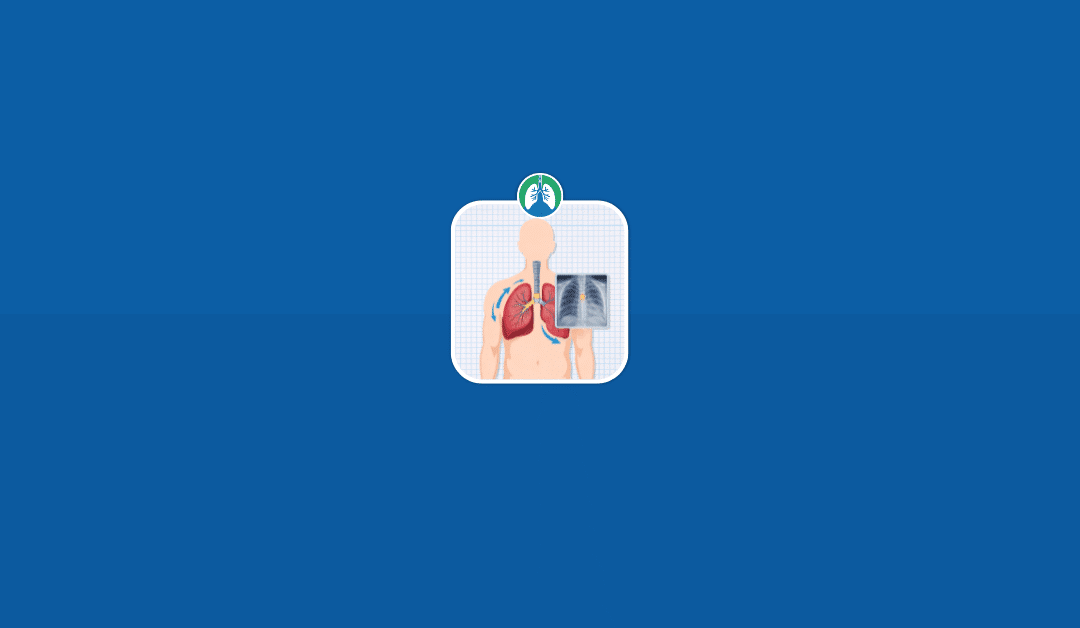
Learn how to identify foreign body aspiration on a chest X-ray, recognize key signs, and choose the right imaging for accurate diagnosis.
Learn what inspection means in respiratory assessment, including signs of distress, cyanosis, posture, chest movement, cough, and sputum.
Learn what a ventilation-perfusion (V/Q) scan shows, how it helps detect a pulmonary embolism, and how the results are interpreted.
Learn what a ventilation-perfusion (V/Q) mismatch is, how it causes hypoxemia, and why it matters in respiratory care.

Learn what the ventilation-perfusion (V/Q) ratio means, including high V/Q, low V/Q, dead space, shunt, and hypoxemia.

Learn what respiration means, including ventilation, gas exchange, oxygen transport, carbon dioxide removal, and cellular metabolism.

Learn how to interpret ABG oxygenation using PaO₂, SaO₂, FiO₂, hypoxemia, A-a gradient, and the P/F ratio in respiratory care.
Learn what bronchospasm is, what causes it, how it affects breathing, and how it is assessed and treated in respiratory care.
Learn about ventricular fibrillation, including its causes, ECG signs, symptoms, treatment, and why rapid defibrillation is needed.
Learn how helium dilution measures FRC, calculates lung volumes, and helps evaluate obstructive and restrictive disease.
Learn how nitrogen washout measures FRC, evaluates lung volumes, and helps detect uneven ventilation and air trapping.