Learn the respiratory therapist code of ethics, including key principles and professional responsibilities in clinical practice.


John Landry is a registered respiratory therapist from Memphis, TN, and has a bachelor’s degree in kinesiology. He enjoys using evidence-based research to help others breathe easier, live healthier, and improve their overall quality of life.

Learn the respiratory therapist code of ethics, including key principles and professional responsibilities in clinical practice.

Explore ethical and legal principles in respiratory care, including patient rights, liability, HIPAA, and professional responsibilities.
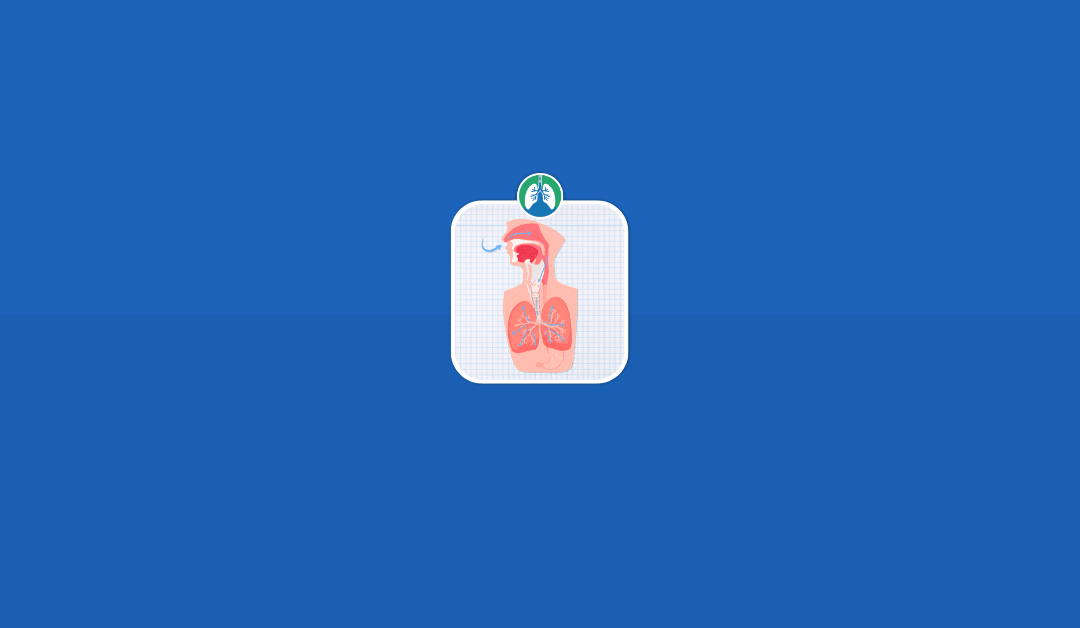
Learn the key differences between asthma and croup, including symptoms, causes, and how to recognize and treat each condition.
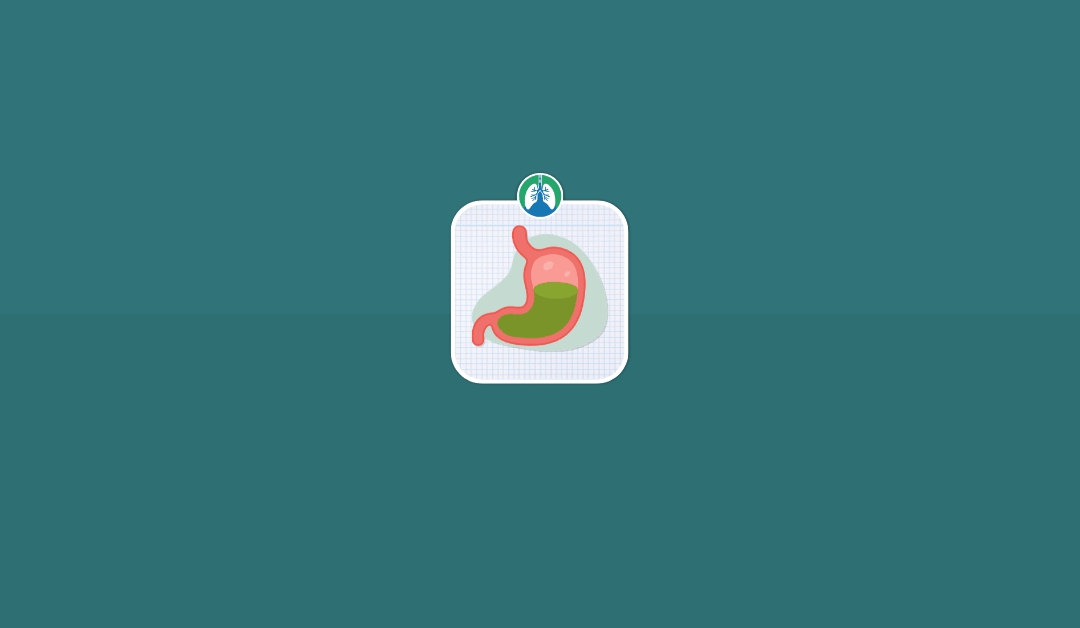
Learn how acid reflux can cause a cough with mucus, why it happens, and how to manage symptoms for better respiratory health.
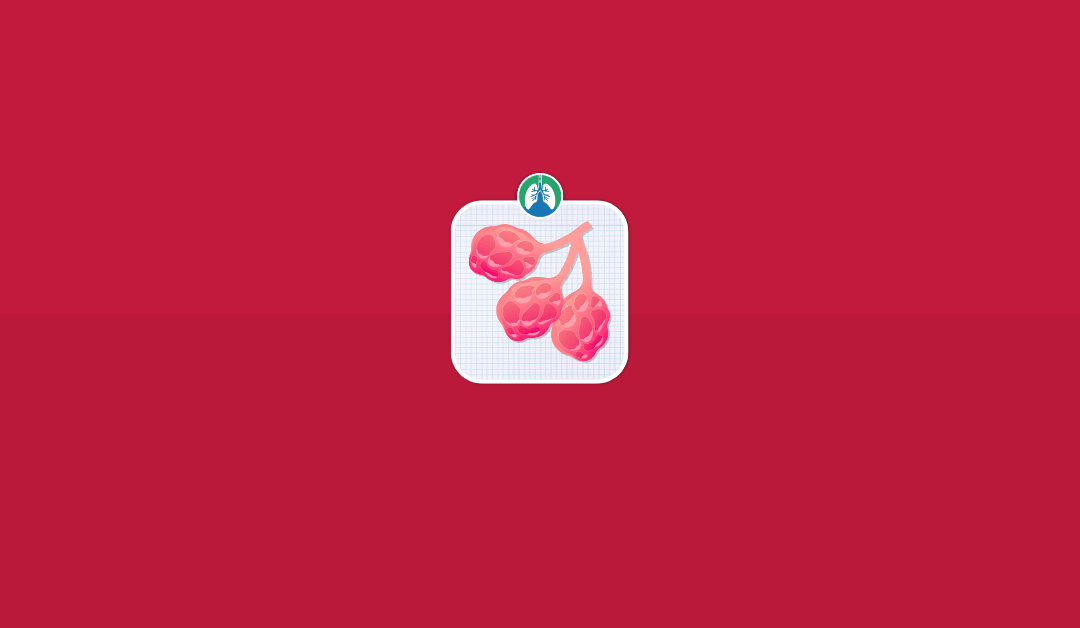
Learn about panlobular emphysema, its causes, symptoms, and how it affects lung function and gas exchange in COPD patients.

Learn what centrilobular emphysema is, its causes, symptoms, and how it affects the lungs and gas exchange in COPD patients.

Learn about refractory hypoxemia, its causes, pathophysiology, and treatments like PEEP, mechanical ventilation, and prone positioning.
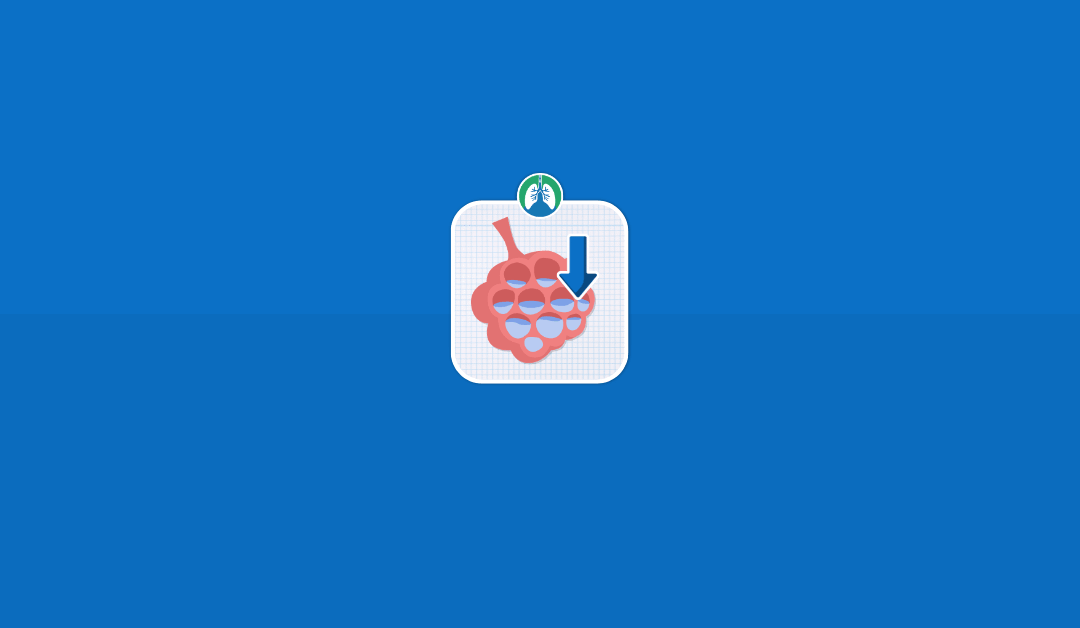
Learn what hypoxemia is, its causes, symptoms, and treatment, including V/Q mismatch, shunting, and impaired oxygen delivery.
Learn the causes of hypoxemia, including hypoventilation, V/Q mismatch, shunting, and diffusion problems, and how they affect oxygen levels.

Learn about the diseases that cause excessive mucus production, their symptoms, and when to seek care for better respiratory health.
Learn which types of cancer cause fluid in the lungs, including lung, breast, and lymphoma, plus how malignant pleural effusion develops.
Learn the causes of fluid in the lungs, including heart, lung, and systemic conditions, and how they affect breathing and oxygen levels.
Learn how serious fluid in the lungs can be, including causes, symptoms, risks, and when it becomes a medical emergency.
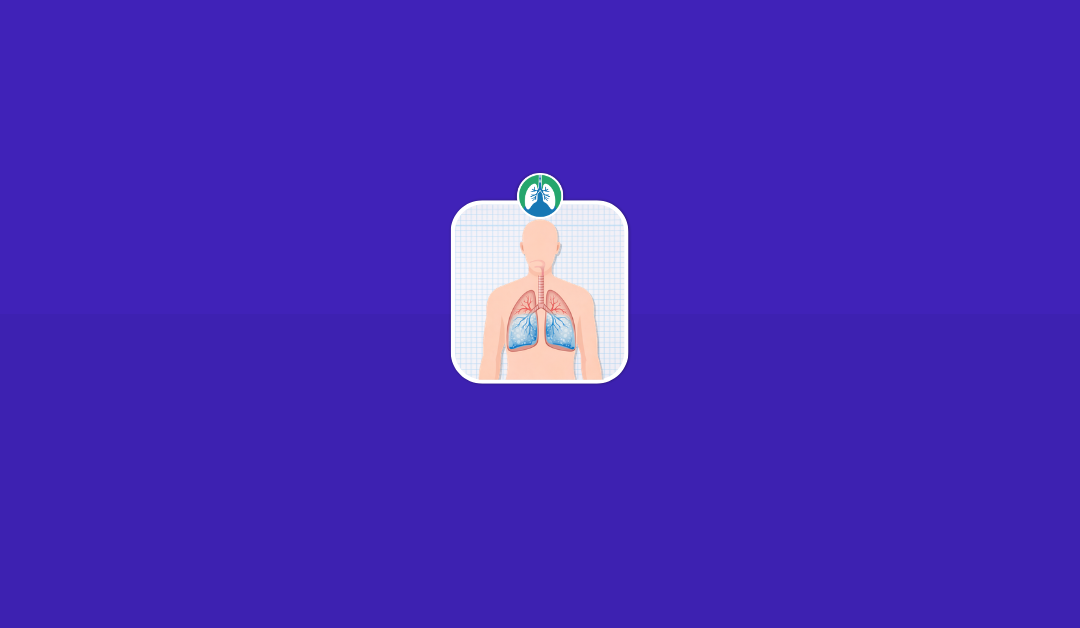
Learn the symptoms of fluid in the lungs, including shortness of breath, coughing, and warning signs that need prompt medical attention.
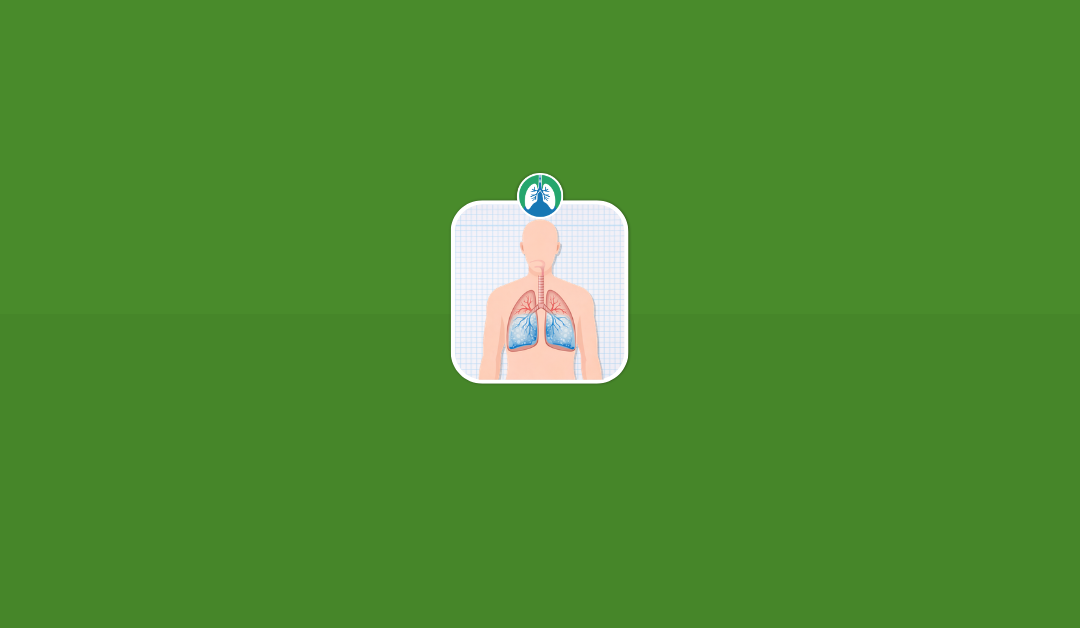
Learn how pneumonia causes fluid in the lungs, including symptoms, causes, and when to seek treatment for breathing problems.
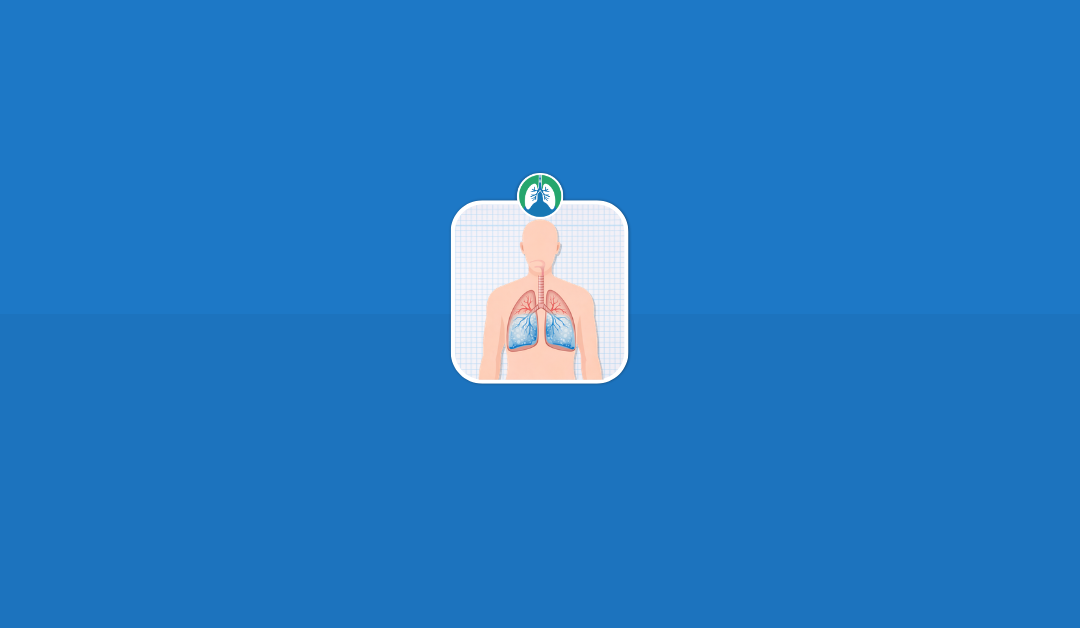
Learn how fluid gets in the lungs, including causes, mechanisms, symptoms, and treatment options to improve breathing and lung health.
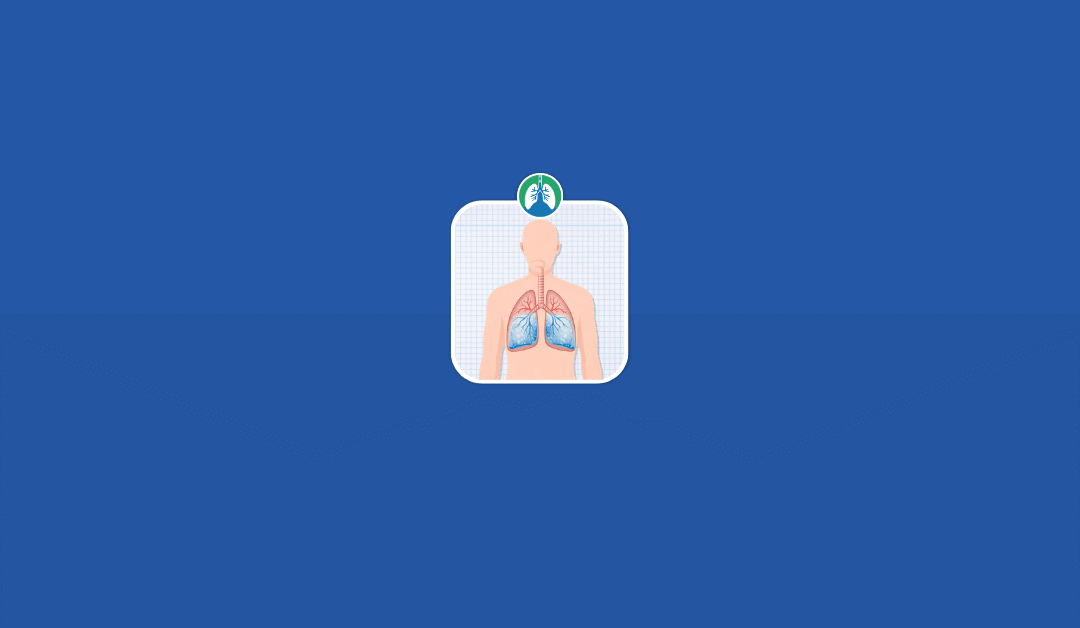
Learn what fluid in the lungs feels like, including shortness of breath, chest tightness, coughing, and warning signs to watch for.

Learn how infection prevention and control practices in respiratory care reduce HAIs, protect patients, and improve clinical outcomes.

Learn how ambulation improves lung function, prevents complications, and supports recovery in respiratory care patients.

Learn how quality, patient safety, and communication improve outcomes, reduce errors, and strengthen teamwork in healthcare settings.