Learn about the common and serious side effects of inhalers and how to use them safely for better respiratory health.


John Landry is a registered respiratory therapist from Memphis, TN, and has a bachelor’s degree in kinesiology. He enjoys using evidence-based research to help others breathe easier, live healthier, and improve their overall quality of life.

Learn about the common and serious side effects of inhalers and how to use them safely for better respiratory health.

Wondering if respiratory therapy is the right career for you? Explore the pros, cons, and what to expect in this rewarding field.

Discover the pros and cons of being a respiratory therapist. Learn about the rewards, challenges, and whether this career is right for you.

Experts agree another pandemic is inevitable—learn why, what threats we face, and how we can prepare for the next global outbreak.

Learn the key signs of severe airway obstruction and how to respond quickly in a choking emergency to help save a life.

Learn what a mechanical ventilator is, how it works, and why it’s used to support breathing in critically ill patients.

Does yellow mucus mean you’re getting better? Learn what the color of your mucus says about your health and recovery.

Dry cough symptoms and causes explained. Discover proven treatments, natural home remedies, and when it’s time to see a doctor.

Learn what causes mucus in the throat and discover effective treatments and home remedies for lasting relief and comfort.
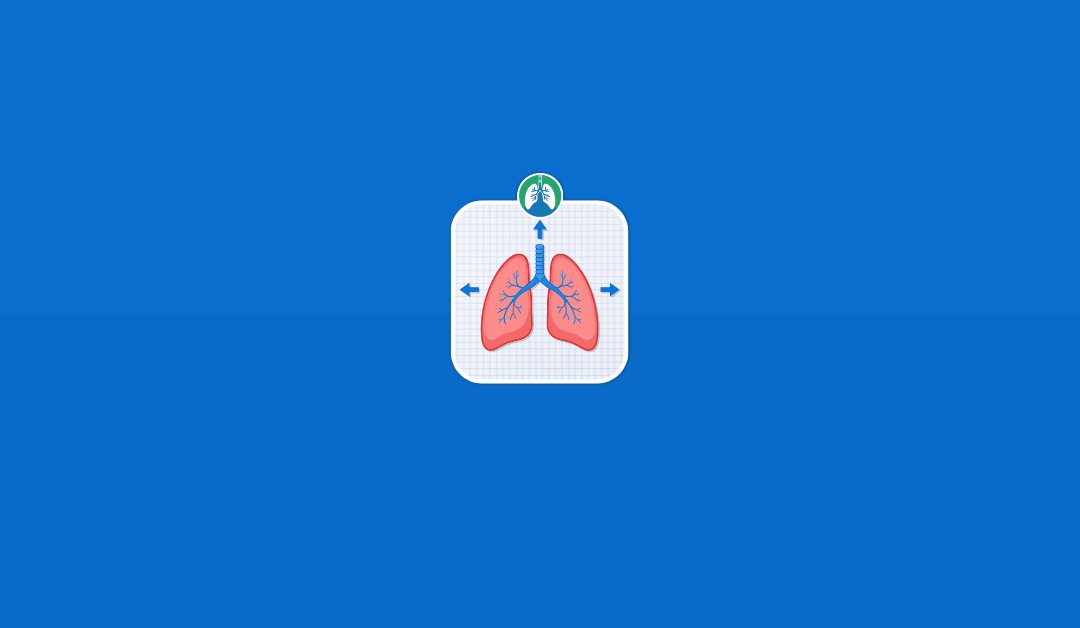
Learn the physical principles of respiratory care, including gas laws, pressure, flow, humidity, aerosols, and mechanical ventilation.

Learn how high-flow nasal cannula (HFNC) delivers heated, humidified oxygen to support patients with respiratory distress.

Learn about lung consolidation, including its causes, symptoms, diagnosis, radiographic findings, and treatment options.

Discover the best natural ways to strengthen your lungs and improve breathing with simple, science-backed daily habits.

Learn how exercise strengthens lung health, boosts breathing efficiency, and protects against respiratory decline over time.

Discover the right steps to take after identifying ABG problems—move confidently from diagnosis to effective treatment.

How inhaled toxins like smoke and pollution can speed up lung aging and damage respiratory health prematurely.

Learn how the Glasgow Coma Scale (GCS) is used to assess consciousness, guide treatment, and support airway decisions in critical care.

Learn what respiratory therapists need to know about advance directives, including DNR, DNI, and ethical care decisions.

Learn what Advanced Cardiovascular Life Support (ACLS) is and why it’s essential for respiratory therapists in critical care settings.

Learn what an air bronchogram is, what causes it, and why it’s an important radiologic sign in diagnosing lung diseases.