

If you’ve ever opened your humidifier and noticed black stuff inside, you’re not alone—and it’s definitely not something to ignore. That dark buildup could be anything from mold and mildew to mineral deposits or bacterial growth, all of which can affect the air you breathe and the health of your home.
In this article, we’ll take a closer look at what the black stuff in your humidifier really is, what causes it, and how to prevent it from coming back.

Download our free guide that has over 100+ of the best tips for healthy lungs.
What is the Black Stuff in Your Humidifier?
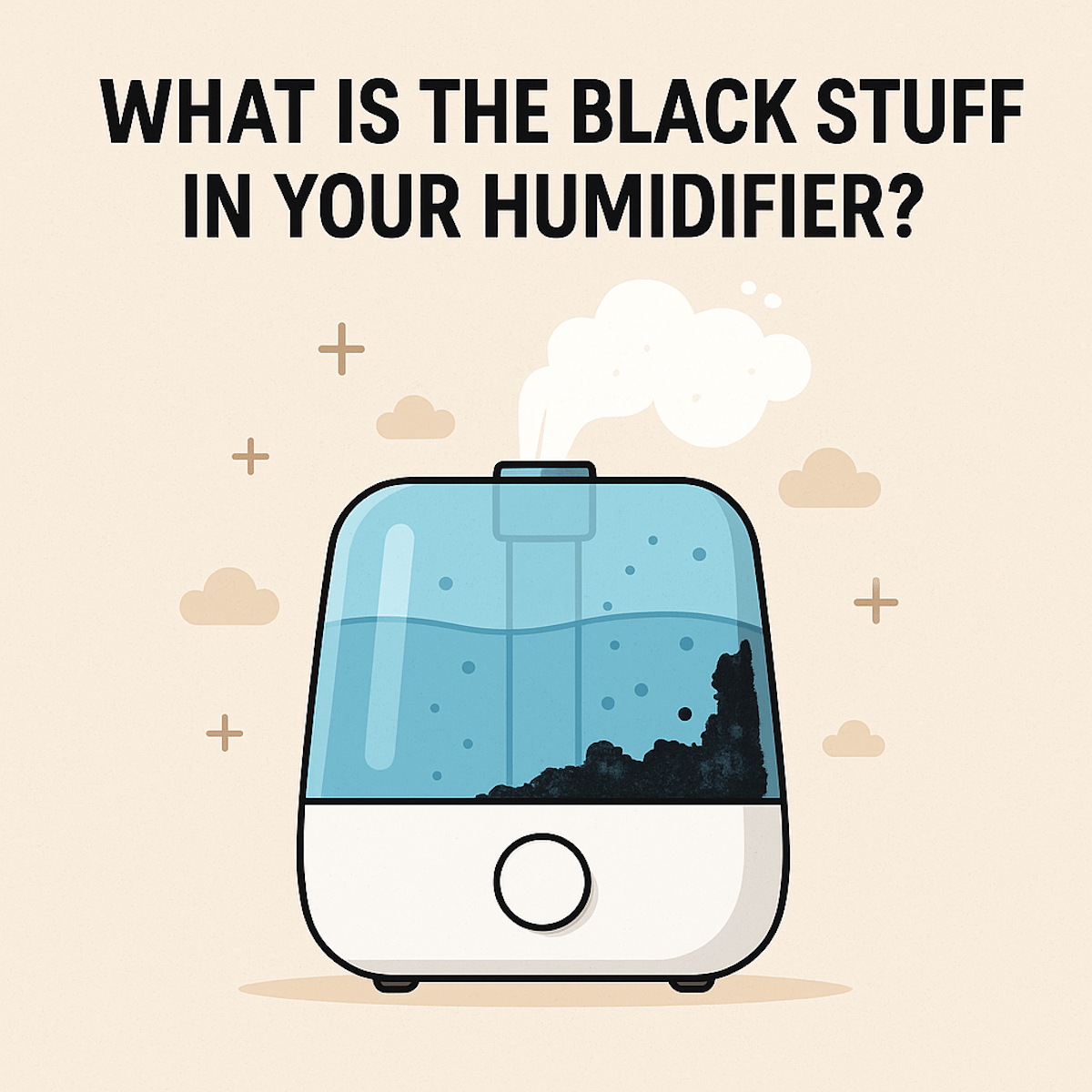
The black stuff in your humidifier is usually mold, mildew, or mineral buildup. Mold and mildew thrive in moist environments, especially if the humidifier isn’t cleaned regularly. If you use tap water, mineral deposits from calcium, magnesium, and other impurities can also form dark or gritty residue.
In some cases, bacterial biofilms may also develop. This buildup not only affects your humidifier’s performance but can also release harmful particles into the air, potentially irritating your lungs or worsening allergy symptoms. Identifying the cause is essential for proper cleaning and preventing health risks in your indoor environment.
Why Does This Happen?
Several factors contribute to microbial growth in humidifiers:
- Stagnant Water: Leaving water sitting in your humidifier for extended periods creates ideal breeding conditions for microorganisms. Even a day or two of standing water can begin harboring bacteria and mold spores.
- Inadequate Cleaning: Infrequent cleaning allows biofilms to establish and mature. Once these protective layers form, microorganisms become much harder to eliminate.
- Poor Water Quality: Tap water contains minerals and sometimes bacteria that can accelerate growth. Well water may contain even higher levels of microorganisms.
- Warm, Humid Environment: The interior of a humidifier provides perfect growing conditions with consistent moisture, moderate temperatures, and often limited air circulation.
- Contaminated Fill Water: Using water from questionable sources or containers that aren’t clean can introduce harmful microorganisms directly into your system.
Health Risks and Concerns
The black growth in your humidifier poses several health risks when dispersed into your indoor air:
- Respiratory Issues: Mold spores and bacteria can trigger asthma attacks, cause coughing, and lead to throat irritation. People with existing respiratory conditions are particularly vulnerable.
- Allergic Reactions: Many individuals develop allergic responses to airborne mold, including sneezing, runny nose, and itchy eyes. Prolonged exposure can worsen these symptoms.
- Humidifier Lung: This serious condition, also called hypersensitivity pneumonitis, can develop from regularly breathing contaminated humidifier mist. Symptoms include fever, cough, and difficulty breathing.
- Infections: While less common, certain bacteria and fungi can cause respiratory infections, particularly in immunocompromised individuals, children, and elderly people.
- Worsened Indoor Air Quality: Instead of improving your home’s air quality, a contaminated humidifier actively pollutes it, potentially making existing health conditions worse.
Immediate Cleaning Steps
If you’ve discovered black growth in your humidifier, take these steps immediately:
- Stop Using the Device: Disconnect and stop operating your humidifier until it’s thoroughly cleaned and disinfected.
- Empty All Water: Pour out any remaining water from the tank and base. Don’t reuse this water for any purpose.
- Disassemble Components: Remove all detachable parts including the water tank, base tray, filters, and any removable internal components.
- Initial Rinse: Rinse all components with hot water to remove loose debris and visible growth.
- Prepare Cleaning Solution: Mix one part white vinegar with one part water, or use a solution of one tablespoon bleach per gallon of water. Both solutions effectively kill mold and bacteria.
- Soak and Scrub: Soak all components in your chosen cleaning solution for at least 30 minutes. Use a soft brush or cloth to scrub away stubborn buildup, paying special attention to corners and crevices.
- Rinse Thoroughly: After cleaning, rinse all parts multiple times with clean water to remove any cleaning solution residue.
- Dry Completely: Allow all components to air dry completely before reassembling. Moisture remaining on surfaces can restart microbial growth.
Prevention Strategies
Preventing black growth requires consistent maintenance and good practices:
- Daily Water Changes: Empty your humidifier daily and refill with fresh water. Never add new water to old water remaining in the tank.
- Use Distilled Water: Distilled or demineralized water reduces mineral buildup and contains fewer microorganisms than tap water. While more expensive, it significantly reduces maintenance needs and health risks.
- Regular Deep Cleaning: Clean your humidifier thoroughly at least once per week during regular use, or every few days if you use it continuously.
- Proper Storage: When not in use, empty your humidifier completely, clean it, and store it dry. Don’t put it away with any moisture remaining inside.
- Replace Filters Regularly: Follow manufacturer guidelines for filter replacement. Old filters can harbor bacteria and reduce your humidifier’s effectiveness.
- Monitor Humidity Levels: Keep your home’s humidity between 30-50%. Higher levels promote mold growth throughout your home, not just in your humidifier.
- Choose Quality Equipment: Higher-quality humidifiers often have antimicrobial features and are designed for easier cleaning and maintenance.
When to Replace vs. Clean
Sometimes cleaning isn’t enough, and replacement becomes necessary:
- Extensive Growth: If black growth covers large areas or has penetrated deeply into porous materials, replacement may be more practical than cleaning.
- Persistent Odors: Musty or foul odors that remain after thorough cleaning indicate deep contamination that may not be fully removable.
- Repeated Problems: If black growth keeps returning quickly despite proper maintenance, your humidifier may have design flaws or damage that makes it difficult to keep clean.
- Filter Condition: Heavily contaminated filters should always be replaced rather than cleaned, as they can’t be effectively disinfected.
Choosing the Right Cleaning Products
Different cleaning agents work better for different situations:
- White Vinegar: Natural, effective against most mold and bacteria, and safe for regular use. The acetic acid breaks down biofilms and kills microorganisms.
- Hydrogen Peroxide: Excellent antimicrobial properties and breaks down into harmless water and oxygen. Use 3% concentration for safety.
- Bleach Solution: Highly effective disinfectant but requires careful handling and thorough rinsing. Use only in well-ventilated areas.
- Commercial Humidifier Cleaners: Specifically formulated products that often combine multiple active ingredients for comprehensive cleaning.
Note: Avoid harsh chemicals like ammonia or strong acids that can damage your humidifier’s components or create dangerous fumes.
Maintenance Schedule
Establish a regular maintenance routine to prevent problems:
- Daily: Empty and refill with fresh water, wipe down exterior surfaces.
- Weekly: Complete disassembly and thorough cleaning of all components with vinegar solution.
- Monthly: Deep clean with stronger disinfectant if needed, inspect for wear or damage, replace filters as recommended.
- Seasonally: Complete overhaul including checking internal mechanisms, replacing worn parts, and evaluating overall condition.
Signs Your Humidifier Needs Attention
Watch for these warning signs that indicate your humidifier needs immediate cleaning or maintenance:
- Visible Growth: Any black, green, or unusual colored substances on surfaces.
- Unusual Odors: Musty, sour, or foul smells coming from the device or the mist it produces.
- Reduced Output: Decreased mist production may indicate clogged components or mineral buildup.
- Strange Noises: Unusual sounds can indicate mechanical problems or buildup affecting operation.
- Respiratory Symptoms: If you or family members develop respiratory symptoms that worsen when the humidifier runs, contamination is likely.
FAQs About Black Stuff in Your Humidifier
What Is the Black Gooey Substance in My Humidifier?
The black gooey substance in your humidifier is likely mold, mildew, or bacterial slime. These microorganisms thrive in the warm, damp environment inside a humidifier, especially if it’s not cleaned regularly. Over time, they can form a slimy black film on internal surfaces.
In some cases, mineral deposits may mix with organic matter to create a dark, sticky buildup. Regular cleaning and the use of distilled water can help prevent this unpleasant and potentially harmful residue.
Is the Black Gunk in My Humidifier Dangerous?
Yes, the black gunk in your humidifier can be dangerous, especially if it’s mold or bacteria. When a contaminated humidifier is in use, it can release harmful particles into the air, which may trigger allergies, asthma, or other respiratory issues.
People with weakened immune systems or lung conditions are especially vulnerable. Regularly cleaning your humidifier and using clean, filtered, or distilled water can help reduce health risks and keep the unit functioning safely.
How Do I Remove Black Mold From My Humidifier?
To remove black mold from your humidifier, first unplug and disassemble the unit. Soak removable parts in a solution of one part white vinegar to one part water for 30 minutes. Use a soft brush or cloth to gently scrub away mold, especially in hard-to-reach areas like corners and crevices.
For stubborn spots, use a diluted bleach solution (1 teaspoon of bleach per gallon of water). Then, rinse thoroughly and let all parts dry completely before reassembling. Clean your humidifier at least once a week to prevent mold buildup.
Can Mold in a Humidifier Make You Sick?
Yes, mold in a humidifier can cause health issues. When mold spores are dispersed into the air, they can be inhaled and cause respiratory problems, allergic reactions, coughing, congestion, and even infections, especially in individuals with asthma, allergies, or weakened immune systems.
Using a contaminated humidifier regularly can worsen indoor air quality. That’s why it’s essential to clean your humidifier frequently and use distilled water to limit mold growth and protect your health.
Why Does My Humidifier Water Turn Black?
Humidifier water may turn black due to the presence of mold, mildew, or mineral deposits. If the humidifier isn’t cleaned regularly, mold and bacteria can grow in the water tank, especially in warm and stagnant conditions.
Additionally, using hard tap water can cause minerals to build up and discolor the water over time. This black water is a sign that the unit needs cleaning and that it may be releasing harmful particles into the air.
Is Black Humidifier Water Harmful to My Health?
Yes, black water in a humidifier can be harmful to your health. It often contains mold, bacteria, and mineral buildup, which can be aerosolized into the air when the humidifier is running. Breathing in these particles can irritate your lungs and potentially lead to allergic reactions, asthma flare-ups, or respiratory infections.
Note: Always empty and clean your humidifier regularly and use distilled water to minimize the risk of contamination and protect your indoor air quality.
How Do Mineral Deposits Build Up Inside Humidifiers?
Mineral deposits build up inside humidifiers when hard tap water is used. This type of water contains dissolved minerals, such as calcium and magnesium, which can accumulate on the internal parts of the humidifier as white or grayish scale.
Over time, these deposits can mix with organic material to form darker residue. To prevent this buildup, use distilled or demineralized water and clean the humidifier frequently to ensure efficient operation and reduce the risk of airborne particles.
Should I Throw Away a Moldy Humidifier?
Not necessarily—but it depends on the extent of the mold and the condition of the unit. If mold is visible but confined to removable parts, thorough cleaning with vinegar or a diluted bleach solution can usually restore it.
However, if mold has deeply penetrated hard-to-clean areas or keeps returning despite regular cleaning, it may be best to replace the humidifier. Breathing in mold from a contaminated unit can pose serious health risks, so always err on the side of caution.
Final Thoughts
Black stuff in your humidifier is a serious issue that requires immediate attention, but it’s entirely preventable with proper maintenance. Regular cleaning, using quality water, and following good practices will keep your humidifier safe and effective.
Remember that a contaminated humidifier is worse than no humidifier at all, so never ignore signs of microbial growth. With consistent care, your humidifier can safely provide the comfort and health benefits of properly humidified air without the risks associated with contamination.

Written by:
John Landry is a registered respiratory therapist from Memphis, TN, and has a bachelor's degree in kinesiology. He enjoys using evidence-based research to help others breathe easier and live a healthier life.
References
- Ryu K, Fukutomi Y, Sekiya K, Saito A, Hamada Y, Watai K, Kamide Y, Taniguchi M, Araya J, Kuwano K, Kamei K. Identification of fungi causing humidifier lung: 2 rare cases and a review of the literature. Asia Pac Allergy. 2022.