
Respiratory Therapy Blog

Gastroesophageal Reflux Disease (GERD) and the Lungs (2026)
Learn what GERD is, how it affects the lungs, and why it matters in respiratory care, asthma, chronic cough, and aspiration risk.

Can a Mute Person Cough? (2026)
Learn whether a mute person can cough, how the cough reflex works, and why speech ability does not affect this protective airway response.

Lung Sounds: Types and Causes During Auscultation (2026)
Learn the types of lung sounds, what causes them, and how auscultation helps identify respiratory conditions early and accurately.

Vesicular Breath Sounds: Overview and Practice Questions
Learn what vesicular breath sounds are, how they form, and why changes in these soft, low-pitched sounds can signal early lung problems.
Bronchovesicular Breath Sounds: Overview and Practice Questions
Learn what bronchovesicular breath sounds are, where they’re normally heard, and why their presence elsewhere may signal early lung disease.

Bronchial Breath Sounds: Overview and Practice Questions
Learn what bronchial breath sounds are, how they form, and why hearing them in the lung periphery signals consolidation or atelectasis.

Pleural Friction Rub: Overview and Practice Questions (2026)
Learn what a pleural friction rub is, how it forms, and why this grating breath sound signals pleural inflammation needing evaluation.

Diminished Breath Sounds: Overview and Practice Questions
Learn what diminished breath sounds mean, why they occur, and how they help identify airflow issues or pleural space problems in patients.

Stridor (Lung Sound): Overview and Practice Questions (2026)
Learn what stridor is, why it occurs, and how to recognize dangerous upper airway obstruction for faster, more effective respiratory care.
Rhonchi (Lung Sounds): Overview and Practice Questions
Learn what rhonchi are, how they form, and what they reveal about mucus obstruction to improve respiratory assessment and patient care.
Crackles (Lung Sounds): Overview and Practice Questions
Learn what crackles are, why they occur, and how to assess them to better identify respiratory conditions during patient evaluation.

Wheezing (Lung Sound): Overview and Practice Questions
Learn what wheezing means, how it’s produced, and what conditions cause it to improve respiratory assessments and clinical decision-making.

Sternum: Overview and Practice Questions (2026)
Learn what the sternum is, how it supports breathing, and why it’s an essential structure for respiratory therapists and patient care.
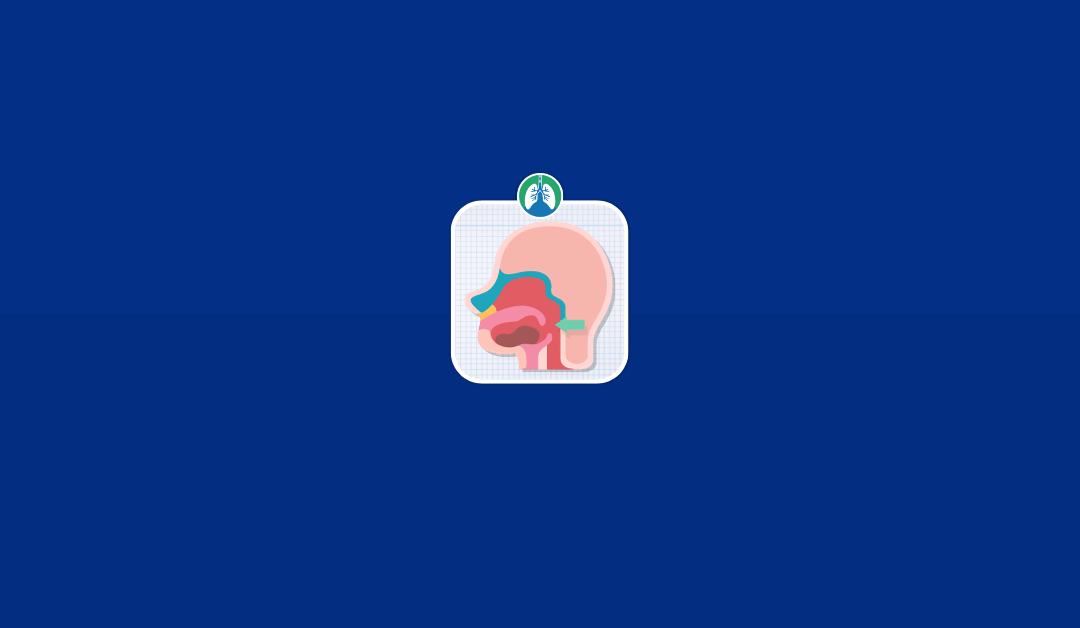
Pharynx: Overview and Practice Questions (2026)
Learn what the pharynx is, its structure and function, and why it’s important in respiratory care, especially for respiratory therapists.

Where Are the Lungs Located? (2026)
Discover where the lungs are located, how they function, and why their position in the chest is vital for breathing and overall health.

Do Cough Drops Have Alcohol in Them? (2026)
Learn whether cough drops contain alcohol, why it’s sometimes added, and how to choose safe alcohol-free options for soothing throat relief.
How Long Does it Take for Your Lungs to Heal From Vaping?
Learn how long it takes for your lungs to heal after quitting vaping, what improves first, and how to support better lung recovery.

Hemoglobin: Overview and Practice Questions (2026)
Learn what hemoglobin is, how it carries oxygen and carbon dioxide, and why it’s essential in respiratory care.
Laryngoscope: Overview and Practice Questions (2026)
Learn about the laryngoscope, its types, uses in intubation, and why it’s essential for airway management and respiratory therapists.

Respiratory Care Week Ultimate Guide (2026)
Celebrate Respiratory Care Week by honoring respiratory therapists and raising awareness about the importance of healthy lungs.