
Respiratory Therapy Blog

End-Tidal CO2 Monitoring in Respiratory Care (2026)
Learn how end-tidal CO2 monitoring works and why it’s essential for ventilation management, airway safety, and critical care practice.
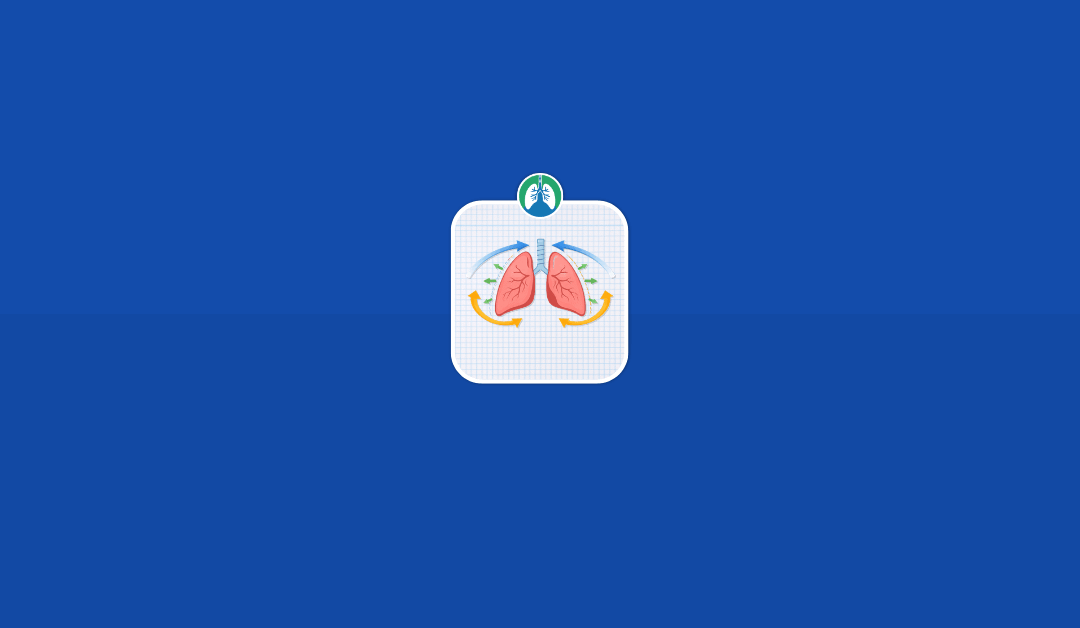
Lung Elasticity in Respiratory Disease and Clinical Practice
Learn what lung elasticity is, how it affects breathing, and why it’s essential for respiratory therapists and ventilator management.

Gummies for COPD: Benefits, Risks, and What to Expect (2026)
Explore the benefits, risks, and realistic expectations of using gummies for COPD management and symptom support.

The Best Sex Positions for Breathing Problems (2026)
Learn the best sex positions for breathing problems that reduce strain, ease shortness of breath, and improve comfort.
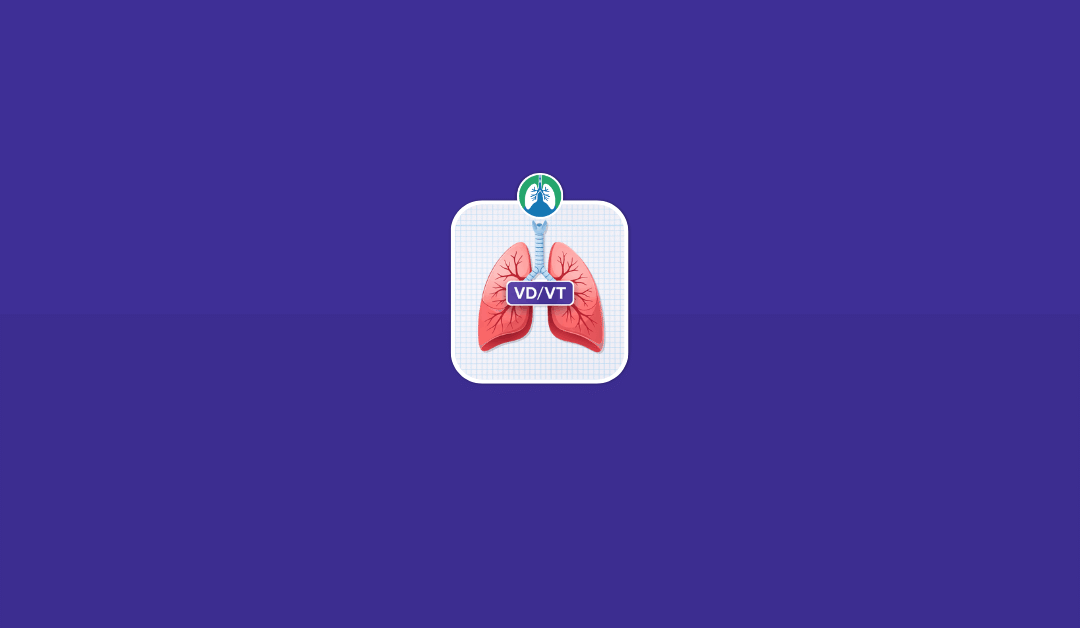
Dead Space/Tidal Volume Ratio (VD/VT): An Overview (2026)
Learn what the dead space to tidal volume ratio (VD/VT) is, how it’s calculated, and why it matters in respiratory care and ventilation.

Continuous Mandatory Ventilation (CMV): An Overview (2026)
Learn what continuous mandatory ventilation (CMV) is, how it works, its indications, risks, and why it matters in respiratory care.

Computed Tomography (CT Scan) in Respiratory Care (2026)
Learn how computed tomography works and why it’s essential in respiratory care for diagnosing lung, pleural, and vascular diseases.
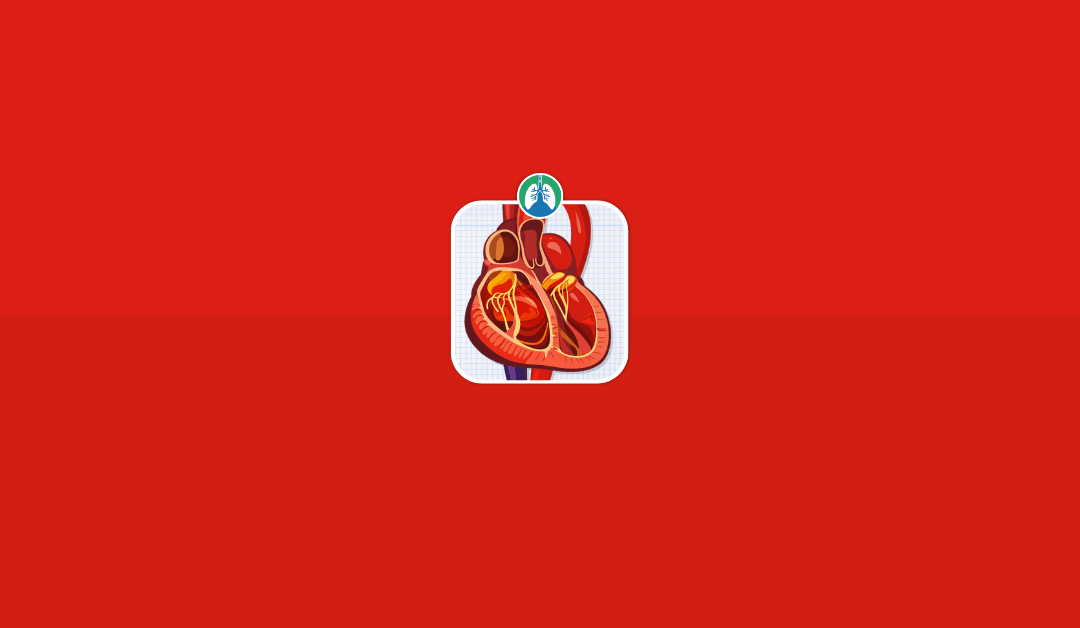
Cor Pulmonale in COPD and Chronic Lung Disease (2026)
Learn how cor pulmonale develops from chronic lung disease and why early recognition is critical in respiratory care.

Congenital Diaphragmatic Hernia (CDH): An Overview (2026)
Learn about a congenital diaphragmatic hernia, its pathophysiology, clinical signs, and the role of respiratory therapy in management.

Coronary Artery Disease (CAD) in Respiratory Care (2026)
Learn what coronary artery disease is and why it matters to respiratory therapists in acute care and critical care settings.

What Can You Do With a Respiratory Therapy Degree? (2026)
Explore career options with a respiratory therapy degree, from hospital care to leadership, education, and advanced healthcare roles.

Complete Blood Count (CBC): Overview and Practice Questions
Learn what a complete blood count (CBC) measures and why it matters in respiratory care, oxygen delivery, and infection assessment.

Committee on Accreditation for Respiratory Care (CoARC)
Learn what the CoARC is, how it accredits respiratory therapy programs, and why accreditation matters for RT students and professionals.

Cilia Function and Clinical Significance in Respiratory Care
Discover how cilia protect the lungs and why mucociliary clearance is essential in respiratory therapy and airway health.
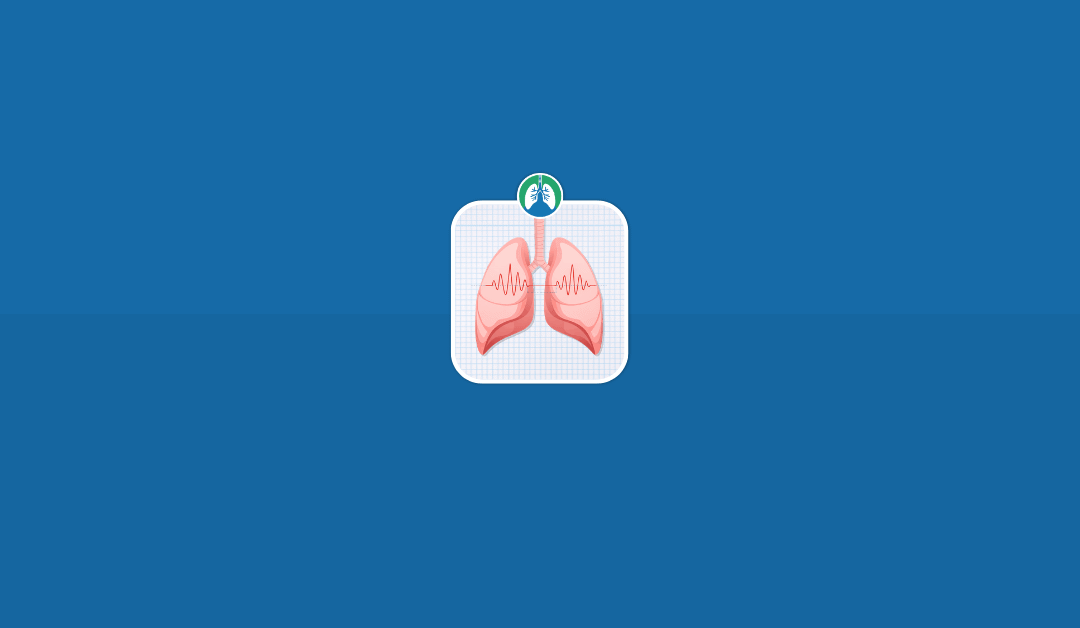
Cheyne-Stokes Respiration: Causes and Pathophysiology (2026)
Learn what Cheyne-Stokes respiration is, its causes, clinical significance, and why this breathing pattern matters in respiratory care.

Chest Radiograph (X-Ray): Overview and Practice Questions
Learn what a chest radiograph (x-ray) is and why it’s essential for respiratory therapists in diagnosing and managing lung conditions.

Chest Percussion: Clinical Importance in Respiratory Care
Learn what chest percussion is, how it’s performed, and how percussion sounds help identify lung and pleural abnormalities.
Central Sleep Apnea: Overview and Practice Questions (2026)
Learn what central sleep apnea is, its causes, diagnosis, and treatment, and why it matters in respiratory care and patient outcomes.
Obstructive Sleep Apnea: Overview and Practice Questions
Learn what obstructive sleep apnea is, its causes, diagnosis, and treatment, and why it matters in respiratory care and patient outcomes.
Sleep Apnea: Overview and Practice Questions (2026)
Learn about sleep apnea, its types, symptoms, diagnosis, and treatment, and why it is important in respiratory care and patient outcomes.