
Learn about intracranial pressure (ICP), its causes, effects on cerebral perfusion, and key strategies for monitoring and management.
Pathology
Fluid Overload: Clinical Signs, Causes, and Treatment (2026)
Learn fluid overload causes, symptoms, diagnosis, and treatment, including pulmonary edema, hemodynamics, and respiratory care management.

Refractory Hypoxemia: Causes and Clinical Management (2026)
Learn about refractory hypoxemia, its causes, pathophysiology, and treatments like PEEP, mechanical ventilation, and prone positioning.
Hypoxemia: Causes, Mechanisms, and Clinical Implications
Learn what hypoxemia is, its causes, symptoms, and treatment, including V/Q mismatch, shunting, and impaired oxygen delivery.
Causes of Hypoxemia: Why Blood Oxygen Levels Drop (2026)
Learn the causes of hypoxemia, including hypoventilation, V/Q mismatch, shunting, and diffusion problems, and how they affect oxygen levels.
Respiratory Failure Caused by Guillain-Barré Syndrome (2026)
Learn how Guillain-Barré syndrome causes respiratory failure, including symptoms, diagnosis, ventilatory support, and treatment strategies.
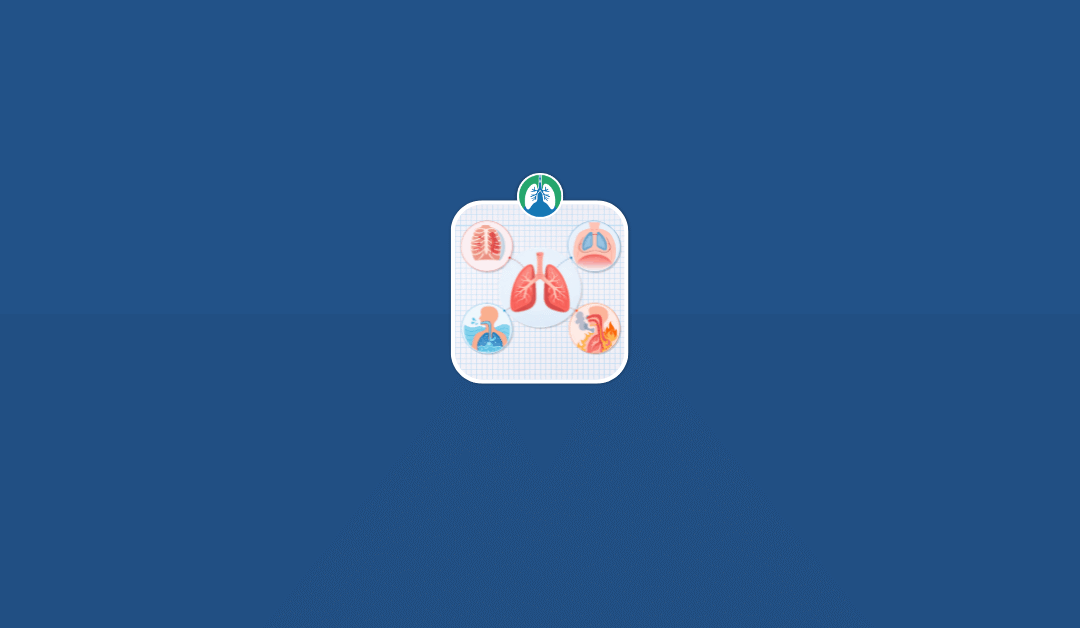
Respiratory Management of Trauma, Obesity, Near Drowning, and Burns
Learn how trauma, obesity, near drowning, and burns affect breathing and how respiratory care manages airway, oxygenation, and ventilation.

Disease X: Pandemic Risks and Global Preparedness (2026)
Learn what Disease X is, why experts are concerned, and how scientists are preparing for the next potential global pandemic.
Does Bronchiectasis Cause Bad Breath? (2026)
Learn whether bronchiectasis can cause bad breath, why it happens, and what you can do to manage symptoms and improve respiratory health.
Congestive Heart Failure (CHF) in Respiratory Care (2026)
Learn what congestive heart failure is, how it causes pulmonary edema, and why it matters in respiratory care practice.
Shock: Types, Causes, and Respiratory Impact (2026)
Learn what shock is, its types, pathophysiology, and why it matters in respiratory care and critical care management.

Myocardial Infarction: Overview and Practice Questions
Explore the risk factors, symptoms, and treatments of a myocardial infarction (MI) and understand the urgency of heart attack care.
Laryngopharyngeal Reflux: Causes, Symptoms, and Treatment
Learn what laryngopharyngeal reflux is, its symptoms, causes, and how to manage silent reflux affecting the throat and voice.
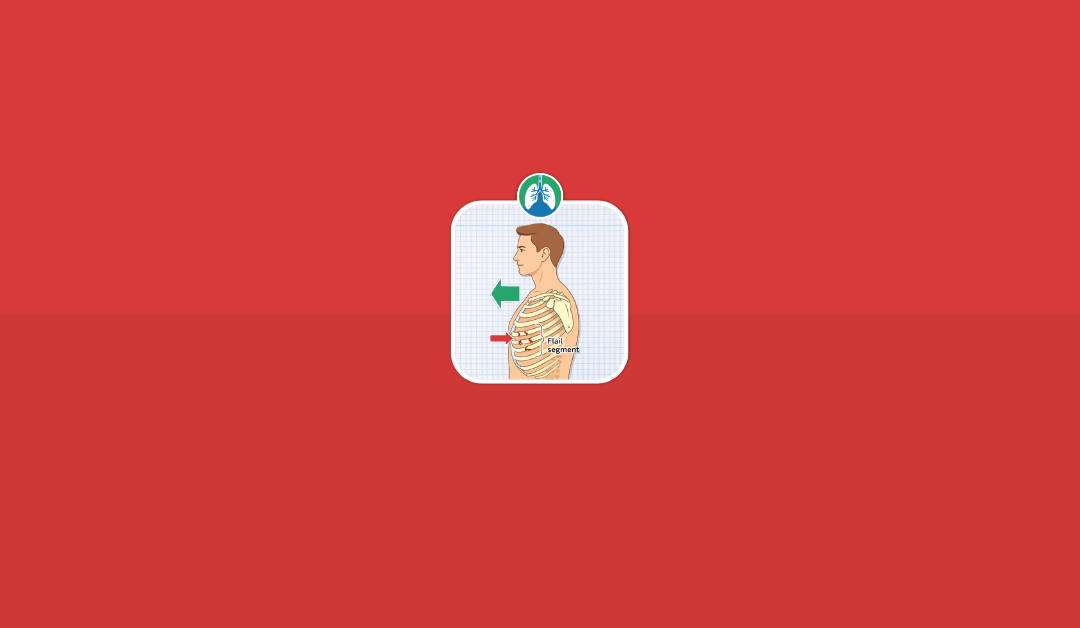
Flail Chest: Causes, Treatment, and Management (2026)
Learn what flail chest is, how it impairs breathing, and why respiratory therapists play a critical role in managing this injury.
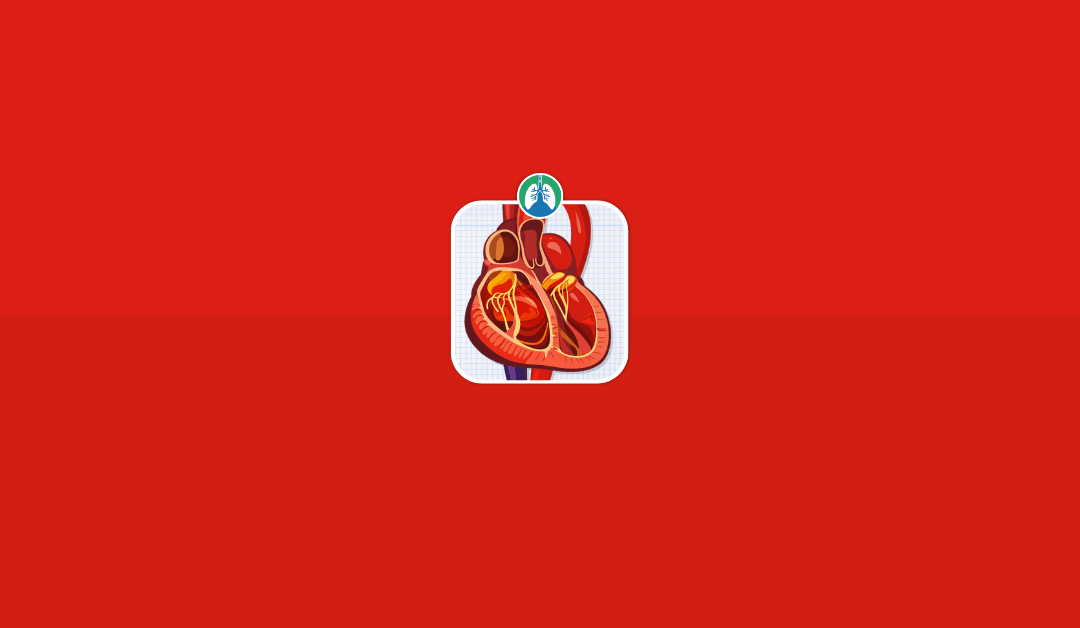
Cor Pulmonale in COPD and Chronic Lung Disease (2026)
Learn how cor pulmonale develops from chronic lung disease and why early recognition is critical in respiratory care.
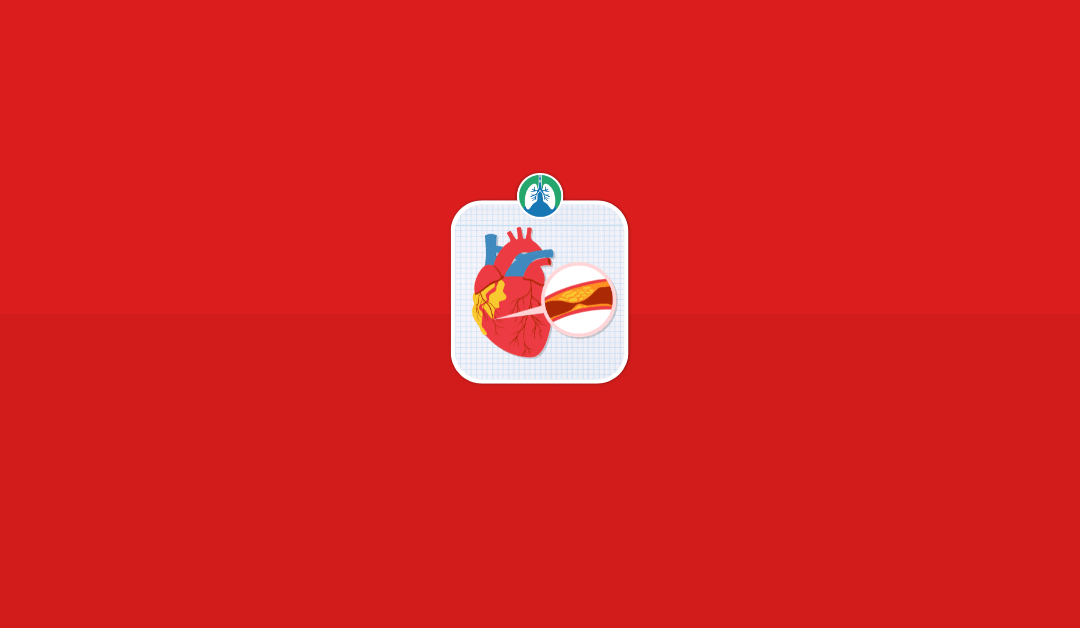
Coronary Artery Disease (CAD) in Respiratory Care (2026)
Learn what coronary artery disease is and why it matters to respiratory therapists in acute care and critical care settings.

Head Trauma: Overview and Relevance to Respiratory Care
Learn what head trauma is, how it impacts the brain, and why respiratory therapists are essential for airway and ventilatory management.

Dry Drowning vs. Wet Drowning: What’s the Difference? (2026)
Learn the differences between dry and wet drowning, including symptoms, causes, and why rapid treatment is vital for survival and recovery.

Near Drowning: Pathophysiology and Respiratory Management
Learn about drowning, its pathophysiology, respiratory complications, and management strategies for improving patient outcomes.
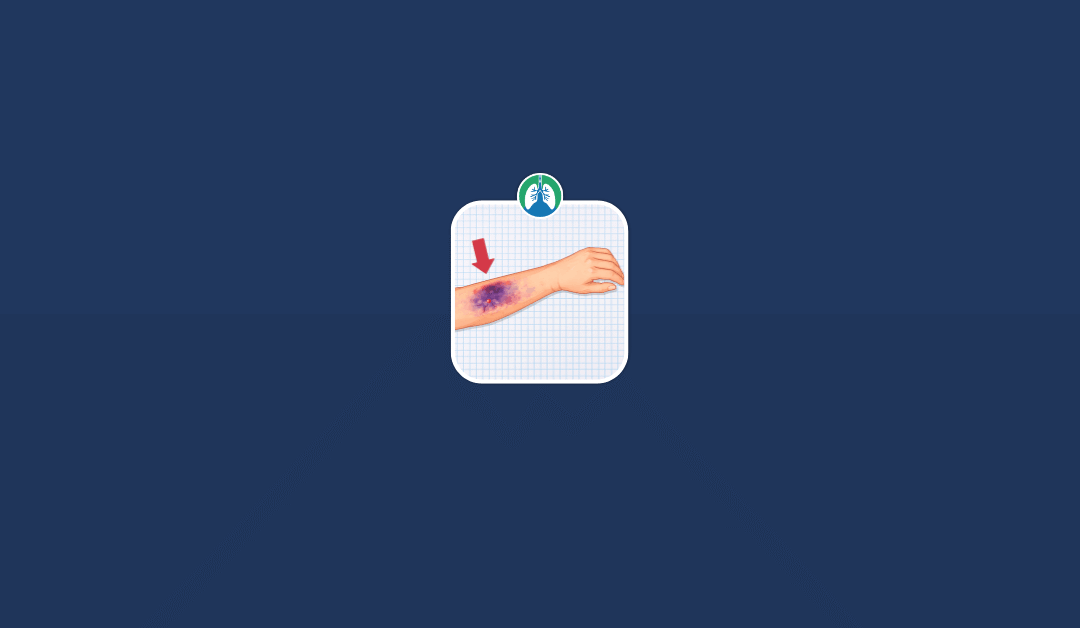
What Does a Popped Vein Look Like? (2026)
Learn what a popped vein looks like, including common symptoms, causes, and when to seek medical attention for proper care and recovery.