Learn how computed tomography works and why it’s essential in respiratory care for diagnosing lung, pleural, and vascular diseases.


Learn how computed tomography works and why it’s essential in respiratory care for diagnosing lung, pleural, and vascular diseases.

Learn what a complete blood count (CBC) measures and why it matters in respiratory care, oxygen delivery, and infection assessment.
Learn what a chest radiograph (x-ray) is and why it’s essential for respiratory therapists in diagnosing and managing lung conditions.
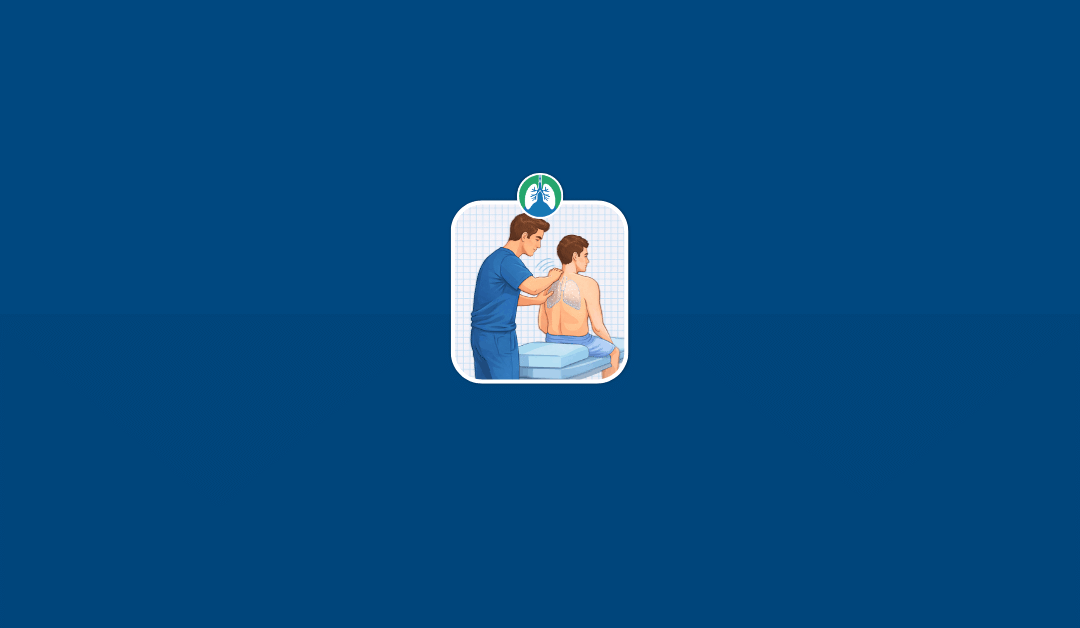
Learn what chest percussion is, how it’s performed, and how percussion sounds help identify lung and pleural abnormalities.

Learn what vital signs are, the different types, and why they are essential for patient assessment and respiratory care.

Learn how to perform a patient assessment in respiratory care with step-by-step guidance on evaluation and clinical care planning.

Learn what diaphoresis is, its causes, and why recognizing this sign is vital for respiratory therapists in patient care.

Learn how the Glasgow Coma Scale (GCS) is used to assess consciousness, guide treatment, and support airway decisions in critical care.

Learn about the four essential life processes—ventilation, oxygenation, circulation, and perfusion—and how to assess them in patient care.

Learn about crowing breath sounds, their causes, symptoms, and treatment options in this comprehensive medical guide.

Prepare for your respiratory patient assessment final exam with targeted practice questions and essential knowledge review.

Explore the types of thoracic imaging, their uses, and benefits for diagnosing chest conditions effectively in this comprehensive guide.

Learn about Kerley B lines, their causes, clinical significance, and what their presence on chest X-rays indicates for patient health.

Learn the essentials of electrocardiogram (EKG) interpretation, from understanding waveforms to identifying common arrhythmias accurately.
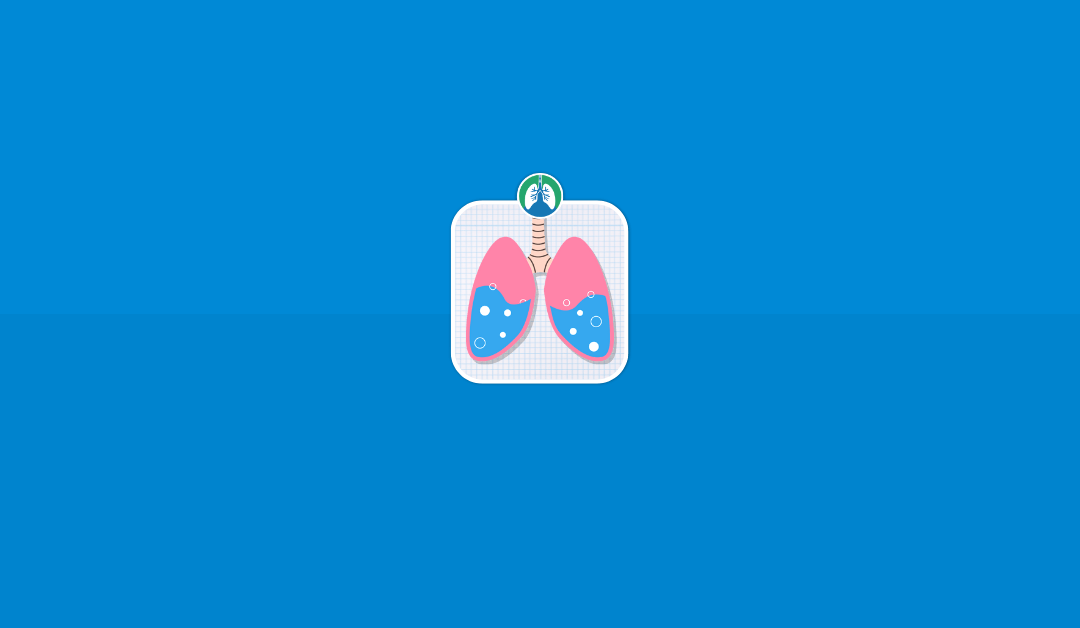
Discover how to detect fluid in the lungs through auscultation, starting from the lower lung fields for accurate assessment.

Explore the use of whispered pectoriloquy in diagnosing lung conditions. Learn its procedure, limitations, and clinical significance.

Discover the best way to determine the depth of respiration, ensuring accurate insights into breathing efficiency for optimal patient care.

Explore the sternal rub: its purpose in assessing consciousness, correct technique, and considerations in medical evaluations.

Learn about grossly nonfocal, a medical term used to describe the absence of obvious, localized abnormalities upon initial examination.