

Coughing so hard that you vomit can be alarming, painful, and exhausting. While it may seem extreme, this reaction is more common than many people realize and often signals intense irritation or inflammation in the airways.
Severe coughing fits can overstimulate the gag reflex, increase pressure in the chest and abdomen, and disrupt normal breathing patterns. This symptom is frequently linked to respiratory infections, asthma, postnasal drip, acid reflux, or prolonged coughing spells that leave the throat raw and sensitive.
Understanding why coughing can trigger vomiting helps clarify when it is a temporary reaction and when it may point to an underlying condition that needs medical attention.

Download our free guide that has over 100+ of the best tips for healthy lungs.
What Causes Coughing So Hard You Throw Up?
Coughing so hard that you throw up usually happens when intense or prolonged coughing overstimulates the gag reflex and increases pressure in the chest and abdomen. This is most commonly caused by respiratory infections such as bronchitis, pneumonia, or whooping cough, which irritate the airways and trigger frequent coughing fits.
Asthma, postnasal drip from sinus infections or allergies, and chronic throat irritation can also lead to severe coughing spells. Acid reflux is another common cause, as stomach acid can irritate the throat and provoke forceful coughing.
Smoking, vaping, and exposure to air pollutants may worsen airway sensitivity. In some cases, persistent coughing can fatigue the respiratory muscles, making vomiting more likely during intense coughing episodes.
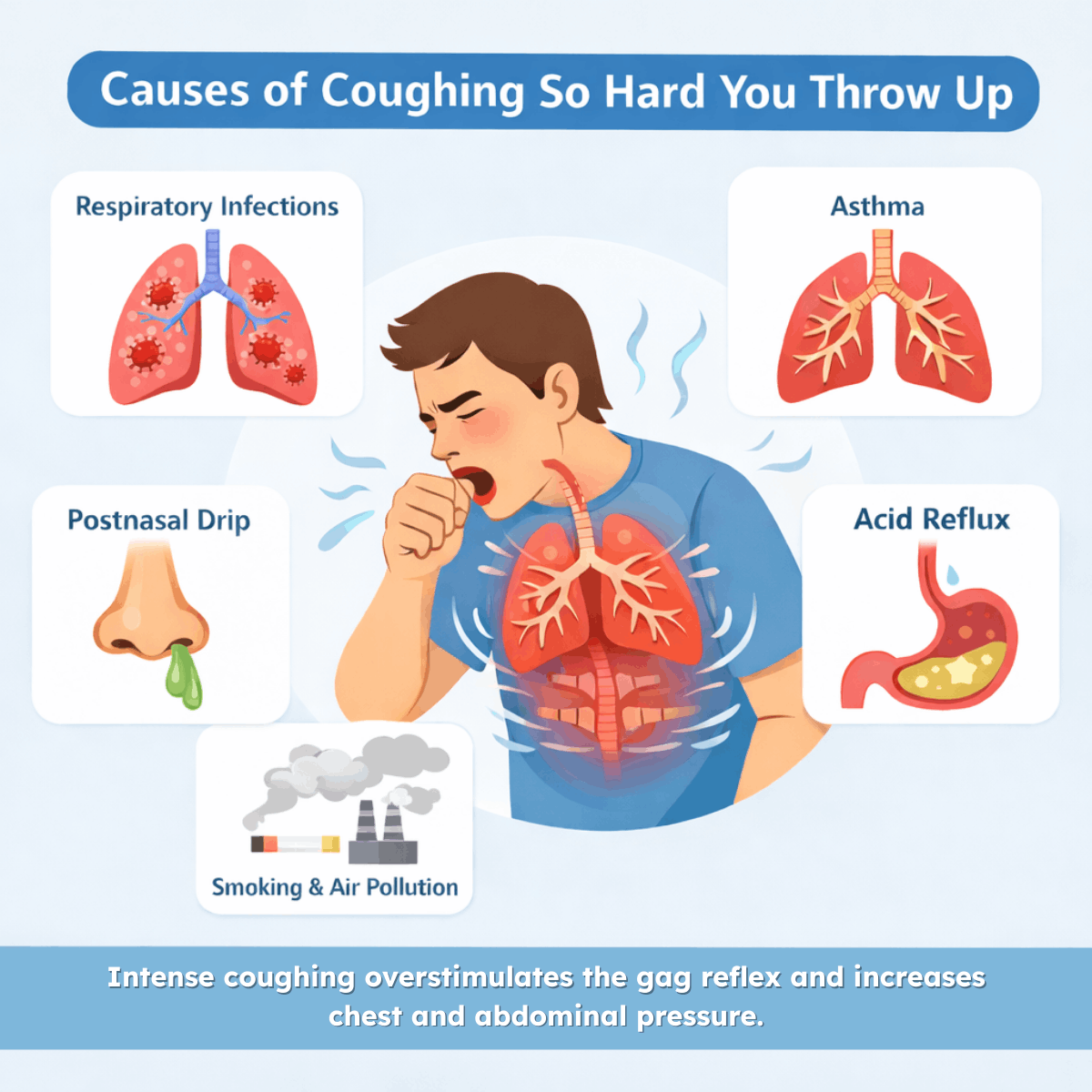
Causes of Coughing So Hard You Vomit
Severe coughing can trigger gag reflexes, raise pressure in your abdomen, and force stomach contents upward. Several medical and environmental factors make coughs intense, frequent, or prolonged enough to cause vomiting.
Respiratory Infections
Respiratory infections often cause violent coughing because they inflame and irritate your airways. Common causes include whooping cough, pneumonia, bronchitis, and severe colds or flu. These infections increase mucus production and narrow breathing passages, which makes each cough stronger and more repetitive.
You may vomit when coughing fits come in rapid bursts without time to breathe or swallow. The force of repeated coughing stimulates your gag reflex and increases abdominal pressure. Infections like whooping cough stand out because coughing episodes can last for minutes and end with retching or vomiting, especially in adults with sensitive airways.
Asthma or Allergies
Asthma and allergies cause coughing by tightening airway muscles and triggering inflammation. When poorly controlled, asthma leads to persistent, dry coughing that worsens at night or with exercise. These prolonged coughing spells can overwhelm your gag reflex.
Allergies contribute by producing postnasal drip, which irritates your throat and keeps you coughing. Thick mucus sliding down your throat often triggers nausea during intense coughing. You may notice vomiting more often during allergy seasons or after exposure to dust, pollen, pet dander, or mold, especially if you delay treatment or skip medications.
Chronic Bronchitis
Chronic bronchitis causes daily coughing that lasts for months and produces thick mucus. The constant effort to clear your lungs places repeated strain on your chest and abdomen. Over time, coughing becomes forceful enough to trigger vomiting.
You face a higher risk if you smoke or have long-term exposure to air pollutants. Morning coughing fits often feel the worst because mucus builds up overnight. Vomiting may follow when coughing continues without relief, especially if you cough on an empty stomach or struggle to catch your breath during episodes.
Environmental Triggers
Environmental irritants provoke sudden and aggressive coughing by directly stimulating your airway nerves. Common triggers include smoke, chemical fumes, cold air, strong odors, and high pollution levels. These exposures cause reflexive coughing that can escalate quickly.
You may vomit if the exposure causes nonstop coughing or combines with existing conditions like asthma or infections. Dry air can also worsen coughing by dehydrating airway tissues. Repeated irritation keeps the cough cycle active, making nausea and vomiting more likely until you remove the trigger or leave the environment.
How Severe Cough Triggers Vomiting
A forceful, repeated cough can push your body past normal protective reflexes. Intense pressure changes, nerve signaling, and throat irritation work together to trigger vomiting rather than simple coughing.
Mechanisms Behind the Reflex
When you cough repeatedly, you generate high pressure in your chest and abdomen. This pressure compresses your stomach and can force its contents upward, especially if your stomach is full.
Persistent coughing also irritates the back of your throat. That area overlaps with the gag reflex, which can activate vomiting when stimulation becomes strong or continuous.
Several factors increase the risk:
- Rapid coughing without time to inhale
- Thick mucus draining into the throat
- Swallowing air during coughing fits
Note: These conditions overwhelm normal coordination between breathing and swallowing. Your body responds by clearing the stomach to protect the airway, resulting in vomiting after or during coughing.
The Role of the Vagus Nerve
The vagus nerve plays a central role in cough-related vomiting. It carries sensory signals from your throat, lungs, and stomach to the brainstem, where vomiting and coughing reflexes are controlled.
Severe coughing overstimulates this nerve. Your brain may interpret the intense signals as a threat to breathing or digestion.
Once activated, the vagus nerve:
- Slows stomach emptying
- Increases nausea signals
- Coordinates muscle contractions for vomiting
Note: This response explains why vomiting can occur suddenly, even without prior nausea. The reaction remains reflex-driven rather than intentional, and it often stops once coughing subsides and nerve stimulation decreases.
Distinction From Regular Coughing
Regular coughing clears your airway and stays controlled. Your breathing rhythm remains stable, and pressure levels stay within a tolerable range.
Coughing severe enough to cause vomiting differs in key ways:
- Frequency: little or no pause between coughs
- Intensity: forceful contractions of chest and abdominal muscles
- Duration: prolonged episodes lasting minutes
Note: You may also notice warning signs, such as gagging, lightheadedness, or saliva pooling in your mouth. These signals indicate that coughing has crossed from a protective reflex into one that triggers vomiting pathways.
Common Symptoms Accompanying Severe Cough
When you cough with force or frequency, other symptoms often appear at the same time. These symptoms tend to involve the stomach, chest, and throat, and they can worsen as coughing episodes continue.
Nausea and Gagging
You may feel nauseated or start gagging when coughing fits become intense or prolonged. Strong coughing increases pressure in your abdomen, which can push stomach contents upward and trigger a gag reflex. This reaction becomes more likely if you cough on an empty stomach or have acid reflux.
Postnasal drip also plays a role. Thick mucus draining into the back of your throat can stimulate gagging during or after coughing.
Common features you may notice include:
- A wave of nausea after repeated coughs
- Retching without vomiting
- Vomiting that follows a coughing spasm rather than stomach illness
Note: These symptoms often ease once coughing slows, but they can return with the next episode.
Chest Pain
Chest pain often accompanies severe coughing and usually comes from muscle strain rather than the heart. You use chest wall muscles repeatedly during forceful coughing, and overuse can cause soreness or sharp pain.
You may feel pain:
- Along the ribs or breastbone
- When taking deep breaths
- During movement, laughing, or coughing again
The pain often feels localized and tender to touch. It can last for days if coughing continues. In some cases, coughing irritates the airways and worsens inflammation, which adds a burning or tight sensation. Persistent or worsening chest pain, especially with shortness of breath or dizziness, needs medical attention.
Throat Irritation
Your throat takes direct impact from constant coughing. The repeated airflow dries the lining of your throat and irritates the tissues, leading to discomfort.
You may notice:
- A raw or scratchy feeling
- Pain when swallowing
- Hoarseness or voice loss
Coughing can also cause small tears in irritated tissue, which increases pain and sensitivity. Acid reflux triggered by coughing can further inflame your throat and create a sour taste or burning sensation. Drinking fluids and reducing throat dryness can help, but irritation often persists until coughing frequency decreases.
Risk Factors for Vomiting From Coughing
Certain factors increase the chance that intense coughing will trigger gagging or vomiting. Age-related anatomy and specific medical conditions play the largest roles, especially when coughing becomes frequent, forceful, or prolonged.
Age Considerations
Your age affects how your body handles strong coughing. Infants and young children have sensitive gag reflexes and shorter airways, so repeated coughing easily leads to retching or vomiting. They also swallow mucus more often, which irritates the stomach and worsens nausea.
Older adults face different risks. You may have weaker abdominal and chest muscles, which makes coughing less controlled and more exhausting. Reduced coordination between breathing and swallowing can also increase gagging during coughing fits.
Across all ages, vomiting becomes more likely when coughing episodes last several minutes, occur at night, or follow meals. Dehydration and fatigue further lower your tolerance to repeated coughing.
Underlying Medical Conditions
Certain health conditions make vomiting from coughing more likely. You face higher risk if coughing increases pressure in your chest or directly irritates your throat and stomach.
Common contributors include:
- Respiratory illnesses such as asthma, bronchitis, or pneumonia
- Chronic cough from smoking, postnasal drip, or long-term airway irritation
- Gastroesophageal reflux disease (GERD), where coughing triggers acid reflux and nausea
- Whooping cough (pertussis), which causes violent, repeated coughing spells
Note: Neurological conditions that affect swallowing or gag reflex control can also raise risk. If you take medications that cause nausea or dry throat tissues, coughing-induced vomiting becomes more likely during severe episodes.
When to Seek Medical Attention
Forceful coughing that leads to vomiting can signal more than irritation. Certain symptoms point to complications or a condition that needs prompt medical care.
Warning Signs of Complications
Seek medical attention right away if coughing and vomiting occur with any of the following signs. These symptoms suggest complications that need evaluation.
- Blood in vomit, saliva, or mucus, or black, tar-like stools
- Chest pain, pressure, or shortness of breath that does not quickly improve
- Severe abdominal pain or a rigid, swollen abdomen after vomiting
- High fever (about 102°F / 39°C or higher) or fever with chills
- Signs of dehydration, such as very dark urine, minimal urination, dizziness, or dry mouth
- Severe headache, neck stiffness, or confusion
Note: Repeated forceful vomiting can tear the throat, trigger aspiration, or strain the chest and abdomen. If you have heart or lung disease, pregnancy, or a weakened immune system, seek care sooner when these signs appear.
Persistent or Worsening Symptoms
Contact a healthcare professional if coughing-induced vomiting continues or gets worse, even without emergency signs. Ongoing symptoms often point to an untreated cause.
Seek evaluation if:
- Vomiting occurs repeatedly for more than 24–48 hours
- Coughing spells intensify, disrupt sleep, or limit daily activity
- You have unexplained weight loss, night sweats, or fatigue
- Over-the-counter treatments do not help after several days
- You experience wheezing, hoarseness, or a cough lasting over three weeks
Note: Persistent symptoms may reflect asthma, reflux, postnasal drip, infection, or medication side effects. Early assessment helps target treatment and prevent further irritation or injury.
At-Home Remedies for Managing Symptoms
You can reduce coughing intensity and limit vomiting by thinning mucus, calming airway irritation, and decreasing cough frequency. Simple home measures often provide steady relief when you apply them consistently.
Hydration
You help your throat and airways by drinking fluids that keep mucus thin and easier to clear. Thin secretions trigger fewer coughing fits and reduce the strain that leads to vomiting.
Aim for small, frequent sips rather than large volumes at once, especially if gagging occurs. Useful options include:
- Water at room temperature
- Warm broths that soothe the throat
- Electrolyte drinks if vomiting causes fluid loss
Avoid drinks that worsen irritation, such as alcohol, very cold beverages, or highly acidic juices. Caffeine can dry your throat and increase coughing in some people. If nausea accompanies coughing, ginger tea or diluted oral rehydration solutions often sit better than plain water.
Humidifiers and Steam
Moist air reduces airway dryness, which lowers cough sensitivity. A cool-mist humidifier adds moisture without heat-related risks and works well during sleep, when coughing can intensify. Place the humidifier near your bed, but not directly against your face. Clean it daily to prevent mold or bacteria buildup. Dirty units can worsen respiratory symptoms.
Steam inhalation also helps loosen mucus. You can take a warm shower and breathe in the steam for 10–15 minutes. Avoid boiling water or leaning over hot containers, as burns occur easily. Stop if steam increases dizziness or nausea.

Enjoy personalized, quiet comfort with this smart humidifier that adapts to your home’s needs, ensuring optimal moisture levels and relief from dry air.
Cough Suppressants
Cough suppressants reduce the urge to cough and may prevent vomiting caused by repeated forceful episodes. Dextromethorphan, found in many over-the-counter products, works on the cough reflex and suits dry or irritating coughs.
Use these products exactly as directed. Taking more than recommended increases side effects, including nausea and dizziness. Avoid combining multiple cough medicines with the same active ingredient.
Other options that calm the throat include:
- Medicated lozenges to reduce throat irritation
- Honey (1–2 teaspoons) if you are not allergic and over one year old
Note: If vomiting continues despite suppressants, stop use and reassess, as excessive coughing may signal an underlying condition.
Medical Treatments for Severe Cough With Vomiting
When coughing leads to vomiting, treatment targets both the cough reflex and the trigger that sustains it. Doctors often combine symptom control with therapy for a specific medical cause to reduce episodes quickly and safely.
Prescription Medications
Doctors prescribe medications to calm intense coughing and limit nausea when vomiting occurs. These drugs aim to reduce cough frequency, strength, or sensitivity.
Common options include:
- Benzonatate, which numbs cough receptors in your airways
- Inhaled bronchodilators to relax airway muscles if bronchospasm contributes
- Short courses of oral or inhaled corticosteroids to reduce airway inflammation
- Antiemetic medications if repeated vomiting causes dehydration or throat injury
Note: Opioid-based cough suppressants see limited use and only under close supervision due to side effects. Antibiotics apply only when testing or clinical findings confirm a bacterial infection. Your clinician adjusts doses carefully to control symptoms without masking a serious condition.
Treatments for Underlying Conditions
Lasting relief depends on treating the condition driving your cough. Targeted therapy reduces recurrence and prevents complications. Asthma-related cough responds to daily inhaled corticosteroids and rescue inhalers. Gastroesophageal reflux improves with proton pump inhibitors, diet changes, and avoiding late meals. Postnasal drip often requires antihistamines, nasal corticosteroids, or saline rinses.
If infection causes the cough, treatment depends on the organism and severity. Antivirals, antibiotics, or supportive care may apply. Imaging or lung testing may guide care when symptoms persist. Treating the root problem reduces vomiting by decreasing cough intensity and frequency.
Potential Complications of Violent Coughing
Repeated, forceful coughing can strain your body beyond your throat and lungs. Common complications include fluid loss, physical exhaustion, and injury to the chest wall.
Dehydration
Violent coughing can lead to dehydration, especially when it triggers vomiting. Each episode causes fluid loss, and nausea may reduce your desire to drink enough to replace it. Dry mouth, dark urine, and dizziness can signal that your fluid levels are dropping. Dehydration can also thicken mucus, which makes coughing more intense and harder to control.
You face higher risk if you have a fever, diarrhea, or limited fluid intake. Older adults and children can become dehydrated more quickly. Small, frequent sips of water or oral rehydration fluids help reduce strain on your body and support recovery.
Fatigue
Persistent coughing demands repeated, forceful muscle contractions. Your chest, abdomen, and throat work constantly, which drains energy and disrupts rest. Sleep often suffers because coughing worsens at night or when you lie down. Poor sleep slows recovery and reduces your ability to cope with illness during the day.
Fatigue can affect concentration, reaction time, and mood. You may notice irritability or trouble completing routine tasks. Rest, adequate calories, and hydration support energy levels, but fatigue may persist until coughing decreases.
Rib Injury
Strong coughing places pressure on the rib cage and surrounding muscles. Over time, this strain can cause muscle pulls, bruising, or inflammation between the ribs. In rare cases, severe or prolonged coughing can lead to a rib fracture, especially if you have osteoporosis or a history of chest injury. Pain often worsens with deep breaths, movement, or additional coughing.
Warning signs include localized chest pain, tenderness, or pain that persists after coughing eases. Supporting your chest when you cough and avoiding sudden movements can reduce discomfort and limit further injury.
Prevention Strategies for Cough-Induced Vomiting
You can reduce vomiting caused by severe coughing by limiting airway irritation and lowering cough intensity. Targeted trigger control and routine health maintenance play the largest roles.
Avoiding Triggers
You can prevent cough escalation by identifying and avoiding common irritants. Tobacco smoke, strong fragrances, dust, and cold air often provoke forceful coughing that leads to gagging.
Manage internal triggers that intensify cough. Postnasal drip, acid reflux, and poorly controlled asthma commonly drive repeated coughing fits. Treat nasal congestion, avoid late meals, and follow your asthma action plan.
Use practical measures to calm your airway.
- Drink water regularly to thin mucus.
- Use a cool-mist humidifier to reduce throat dryness.
- Breathe slowly through your nose during a coughing urge to limit retching.
Note: Review medications with your clinician if cough persists, especially ACE inhibitors, which can cause chronic cough.
Vaccination and Health Maintenance
You can lower your risk of severe coughing illnesses by staying current on influenza, COVID-19, and pertussis vaccinations. These infections often cause intense, prolonged cough that increases vomiting risk.
Maintain conditions that influence cough strength. Keep asthma, COPD, and allergies under control with prescribed treatments and regular follow-up. Address GERD with diet changes and medications when needed.
Support respiratory health with daily habits.
- Wash hands to reduce viral exposure.
- Get adequate sleep to support immune function.
- Avoid smoking and vaping, which inflame the airway.
Note: Seek care when cough lasts longer than expected or worsens, as early treatment can prevent severe episodes.
Final Thoughts
Coughing so hard that you vomit is the body’s way of reacting to extreme airway irritation, pressure, or overstimulation of the gag reflex. In many cases, it improves once the underlying cause, such as infection, inflammation, or reflux, is properly managed.
However, repeated episodes, worsening cough, breathing difficulty, chest pain, or blood in the vomit or mucus should never be ignored.
Addressing triggers early, staying hydrated, and following appropriate treatment can reduce coughing severity and prevent complications. Paying attention to this symptom and seeking medical care when needed helps protect both respiratory health and overall well-being.

Written by:
John Landry is a registered respiratory therapist from Memphis, TN, and has a bachelor's degree in kinesiology. He enjoys using evidence-based research to help others breathe easier and live a healthier life.
References
- Sharma S, Hashmi MF, Alhajjaj MS. Cough. [Updated 2023 Aug 8]. In: StatPearls [Internet]. Treasure Island (FL): StatPearls Publishing; 2025.