

Coughing up lumps of jelly can be an alarming experience, often catching people off guard due to its unusual texture and appearance. This thick, gelatinous mucus may range in color from clear or white to yellow, green, or even blood-tinged, and it can signal anything from a mild respiratory irritation to a more serious underlying condition.
While mucus production is a normal part of the body’s defense system, changes in its consistency can provide important clues about what’s happening in the lungs and airways.
Understanding why this symptom occurs, what it may indicate, and when to seek medical attention is key to protecting your respiratory health.

Download our free guide that has over 100+ of the best tips for healthy lungs.
Why Am I Coughing Up Lumps of Jelly?
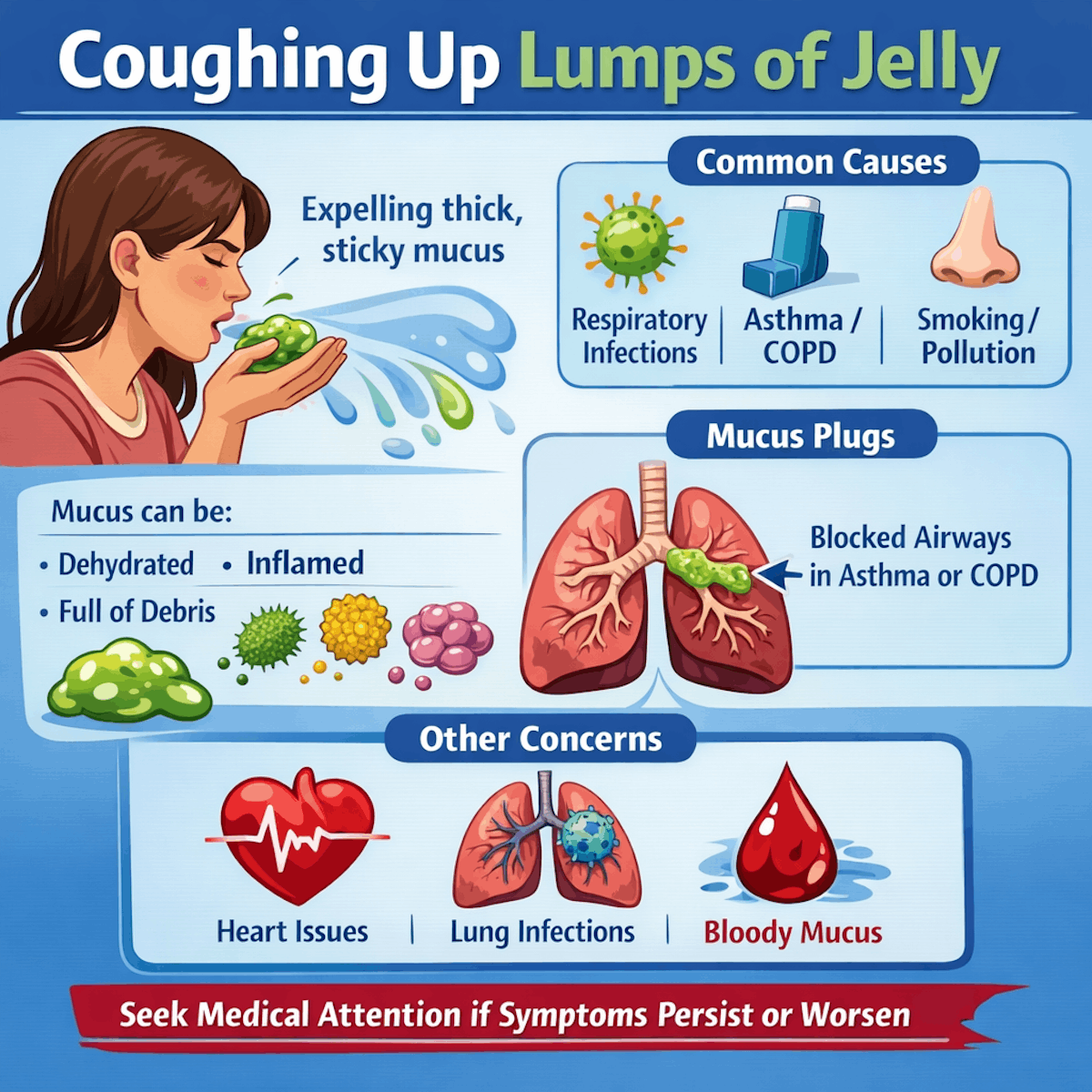
Coughing up lumps of jelly usually means you are expelling very thick, sticky mucus from the airways. This can happen when mucus becomes dehydrated, inflamed, or overloaded with debris such as bacteria, allergens, or inflammatory cells. Common causes include respiratory infections, asthma, chronic bronchitis, sinus drainage, or irritation from smoking or air pollution.
In some cases, the jelly-like texture may be due to mucus plugs, which can partially block airways and are often seen in asthma or COPD. Less commonly, heart-related conditions, lung infections, or bleeding in the airways can alter mucus consistency. Persistent symptoms, worsening breathing, or blood-tinged mucus should prompt medical evaluation.
Understanding Coughing Up Lumps of Jelly
When you cough up jelly-like material, it often points to changes in mucus thickness, airway irritation, or fluid mixed with cells or debris. Texture, color, and frequency give useful clues about what may be happening in your airways.
Definition and Description
Coughing up lumps of jelly refers to expelling thick, gelatinous material from your throat or lungs during a cough. The substance often looks translucent, cloudy, or lightly colored, and it may hold its shape rather than spreading like liquid mucus.
This material usually consists of concentrated mucus, sometimes mixed with inflammatory cells, proteins, or small amounts of blood. Your body produces thicker mucus when airways become irritated, inflamed, or exposed to infection or allergens.
You may notice these lumps after deep coughing, clearing your throat, or waking up. They can appear suddenly or recur over days, depending on the underlying trigger and how your airways respond.
Common Characteristics
Jelly-like mucus has features that set it apart from typical respiratory secretions. You may notice one or more of the following traits:
- Firm or rubbery texture that holds together
- Clear, white, yellow, or pale pink color
- Sticky surface that clings to tissues or sinks slowly in liquid
- Larger size than usual phlegm, sometimes appearing in chunks
You might feel chest tightness or throat blockage before coughing it up. Some people report relief after expelling it, while others feel ongoing irritation.
Environmental dryness, dehydration, smoking exposure, respiratory infections, and chronic airway conditions can all increase mucus thickness. Repeated coughing often reflects your body’s attempt to clear material that does not move easily on its own.
How It Differs From Regular Phlegm
Regular phlegm usually appears thin, slippery, and easy to expel. It flows rather than clumps and often clears with light coughing or throat clearing. Jelly-like material forms when mucus becomes overly concentrated. Reduced water content and increased proteins make it denser and more elastic. This change causes mucus to stick to airway walls instead of moving upward smoothly.
You may need stronger coughing to remove it, and it may come up in defined pieces rather than streaks. Unlike saliva or postnasal drip, this material often originates deeper in your chest and signals slower mucus clearance rather than simple throat irritation.
Possible Causes
Coughing up jelly-like lumps usually points to changes in mucus production, airway inflammation, or obstruction. In many cases, the texture reflects thickened secretions rather than solid tissue, but the cause varies by condition.
Respiratory Infections
Respiratory infections often make your body produce thick, sticky mucus that can clump together. Viral bronchitis, bacterial pneumonia, and severe sinus infections commonly trigger this response. As your immune system fights infection, white blood cells and cellular debris mix with mucus. That combination can create gel-like plugs that loosen and come up during coughing.
You may notice added signs such as fever, chest tightness, fatigue, or discolored sputum. Yellow, green, or cloudy mucus often points to infection rather than irritation. If the infection spreads to the lower airways, coughing becomes deeper and more forceful. That pressure helps expel thicker material that would not move with normal breathing.
Asthma and Allergic Reactions
Asthma and allergies can cause your airways to narrow and overproduce mucus. When airflow slows, mucus sits longer and becomes denser, sometimes forming jelly-like masses. During an asthma flare, inflammation thickens the airway lining. Mucus can then mold to the shape of the bronchial tubes and come out as rubbery or branching pieces.
Allergic reactions can trigger similar changes, especially with ongoing exposure to dust, pollen, or mold. Postnasal drip may also contribute, adding thicker secretions from the upper airway. You may notice wheezing, chest tightness, or coughing that worsens at night or with exercise. Relief often follows bronchodilators or allergy control rather than antibiotics.
Chronic Obstructive Pulmonary Disease
Chronic obstructive pulmonary disease (COPD) often leads to persistent mucus overproduction. Smoking and long-term irritant exposure damage the cilia that normally clear secretions. When mucus clearance slows, secretions thicken and pool in the airways. You may cough up gelatinous clumps, especially in the morning after mucus accumulates overnight.
Chronic bronchitis, a form of COPD, plays a major role. It causes daily cough with sputum for months at a time, making thicker plugs more likely. Other signs include shortness of breath, reduced exercise tolerance, and frequent chest infections. The texture of the mucus often reflects ongoing airway damage rather than a new illness.
Other Underlying Conditions
Several less common conditions can also cause jelly-like material in your cough. These include bronchiectasis, pulmonary edema, and rare clotting disorders. In bronchiectasis, widened airways trap mucus that becomes thick and infected. You may cough up large amounts with a strong odor or unusual shape.
Pulmonary edema can produce pink, frothy, or gelatinous sputum due to fluid leaking into the lungs. This often occurs with heart-related conditions and needs prompt care. Dehydration, certain medications, and breathing dry air can worsen mucus thickness. When hydration improves, the jelly-like texture often becomes thinner and easier to clear.
Associated Symptoms
When you cough up jelly-like lumps, other symptoms often appear alongside them. Noticing changes in appearance, traces of blood or mucus, and shifts in breathing can help you understand what may be happening in your airways.
Color and Texture Changes
You may notice the lumps vary in color, ranging from clear or white to yellow, green, brown, or gray. Clear or white material often points to thickened mucus, while yellow or green shades suggest infection or ongoing inflammation. Brown or gray tones can appear after exposure to smoke, dust, or other inhaled particles.
Texture also matters. Some lumps feel gelatinous and smooth, while others appear sticky, rubbery, or stringy. Firmer or clotted pieces may indicate dried secretions that loosened during coughing. If the texture suddenly changes or becomes unusually dense, that shift can signal worsening airway irritation or dehydration affecting mucus thickness.
Presence of Blood or Mucus
You might see streaks of blood mixed into the jelly-like material. Small amounts often come from irritated throat or airway linings after frequent or forceful coughing. Bright red blood usually reflects a surface source, while darker or rust-colored blood may originate deeper in the lungs.
Excess mucus often accompanies these lumps. Thick mucus can build up with respiratory infections, chronic bronchitis, or allergic reactions. Pay attention to quantity and persistence. Ongoing blood, increasing amounts, or blood without obvious irritation warrant prompt medical attention, especially if you also feel chest pain, fever, or fatigue.
Breathing Difficulties
Coughing up jelly-like lumps can coincide with shortness of breath or a tight feeling in your chest. Thick secretions may partially block airways, making breathing feel labored or noisy. You might notice wheezing, especially when exhaling, or feel the need to cough repeatedly to clear your chest.
Breathing problems that worsen with activity or interfere with sleep deserve attention. If you experience rapid breathing, blue-tinged lips, or an inability to catch your breath, these signs indicate reduced airflow or oxygen levels. Seek urgent care if breathing becomes suddenly difficult or progressively worse.
When to Seek Medical Attention
Coughing up jelly-like material can signal anything from thick mucus to bleeding or infection. You should act quickly when symptoms point to danger or fail to resolve.
Signs of Emergency
Seek immediate care if the jelly-like material appears bright red, dark red, or rust-colored, which suggests blood rather than mucus. Call emergency services if you cough up large clots, experience sudden chest pain, or feel short of breath at rest.
Go to the emergency room if coughing triggers dizziness, fainting, or confusion. These signs can reflect reduced oxygen or significant blood loss. Act fast if you also have a high fever, rapid heart rate, or severe weakness. These combinations raise concern for serious infection, pulmonary embolism, or acute lung injury.
Note: Do not wait if symptoms escalate within hours. Rapid changes often matter more than the amount you cough up.
Duration and Frequency Concerns
Schedule a medical visit if you cough up jelly-like material daily for more than three days, even without pain. Persistence can indicate infection, chronic bronchitis, or airway irritation that needs treatment. Pay attention if episodes increase in frequency or volume, or if the texture shifts from clear to yellow, green, or blood-streaked. Changes often signal infection or inflammation.
Contact a clinician if symptoms follow a recent surgery, long travel, or new medication. These contexts raise specific risks that require assessment. If you have asthma, COPD, heart disease, or a bleeding disorder, seek care sooner. Your baseline risk changes how clinicians evaluate the same symptoms.
Diagnostic Approaches
When you cough up jelly-like material, clinicians focus on direct observation, targeted testing, and imaging to identify the source and rule out urgent causes. Each approach addresses different possibilities, such as thick mucus, blood clots, or airway casts.
Physical Examination
Your evaluation starts with a focused history and hands-on exam. You describe the color, size, texture, and frequency of the material, along with symptoms like chest pain, fever, or shortness of breath. Timing matters, especially if episodes follow infections, allergies, or recent surgery.
The clinician examines your mouth, throat, and chest. They listen for wheezing, crackles, or reduced airflow that may suggest mucus plugging or airway obstruction. Vital signs help assess stability, including oxygen saturation.
You may be asked to bring a sample or provide a photo. This allows direct assessment of whether the material looks like mucus, a clot, or a bronchial cast, which can guide next steps without delay.
Laboratory Testing
Laboratory tests help clarify whether infection, inflammation, or bleeding contributes to what you are coughing up. Sputum analysis can detect bacteria, fungi, or abnormal cells when infection or malignancy remains a concern.
Blood tests often include:
- Complete blood count (CBC) to check for infection or anemia
- Inflammatory markers if chronic disease or infection seems likely
- Coagulation studies when bleeding or clotting disorders are possible
Note: If blood appears in the material, testing may assess how well your blood clots. In select cases, allergy testing or immune studies help identify conditions that cause thick secretions, such as allergic bronchopulmonary disorders.
Imaging Techniques
Imaging shows structural or internal causes that physical exams cannot detect. A chest X-ray often serves as the first step, identifying pneumonia, masses, or areas of collapsed lung that can trap secretions.
When X-ray findings remain unclear, CT scans of the chest provide detailed views of the airways and blood vessels. These scans help detect bronchiectasis, tumors, or pulmonary embolism that may cause clot-like material.
In certain situations, you may undergo bronchoscopy. This procedure allows direct visualization of the airways and removal of obstructing material. It also enables targeted sampling when imaging suggests a localized problem.
Treatment Options
Treatment focuses on reducing thick mucus, addressing irritation or infection, and preventing repeat episodes. Care often combines medical treatment, home care, and daily habit changes based on the cause and your symptoms.
Medications and Therapies
Your clinician may prescribe treatment based on what triggers the jelly-like material. Thick or sticky mucus often responds to expectorants such as guaifenesin, which help thin secretions so you can clear them more easily.
If infection plays a role, antibiotics treat bacterial causes, while antivirals may apply in specific viral cases. Inflammatory conditions, including asthma or chronic bronchitis, often improve with inhaled corticosteroids or bronchodilators that open airways and reduce swelling.
When allergies contribute, antihistamines or nasal steroid sprays can limit postnasal drip that thickens mucus. Severe or unexplained cases may require imaging, sputum testing, or bronchoscopy to guide more targeted treatment.
Home Remedies
You can support medical care with practical steps at home. Staying well hydrated remains one of the most effective ways to thin mucus, making it easier to cough out without strain.
Warm fluids, such as tea or broth, can soothe irritated airways and loosen secretions. Many people benefit from steam inhalation or humidified air, which adds moisture to dry respiratory passages.
Gentle saltwater gargles may reduce throat irritation when mucus originates higher in the airway. Avoid forceful coughing when possible, since it can irritate tissue and worsen inflammation. If coughing persists or worsens, stop home treatment and seek medical advice.
Lifestyle Modifications
Daily habits strongly influence mucus production and airway health. Avoid smoking and secondhand smoke, as both thicken mucus and impair your lungs’ ability to clear it.
Limit exposure to air pollutants, dust, and strong chemical fumes, especially if you notice symptoms after contact. Managing reflux through smaller meals, avoiding late-night eating, and elevating your head during sleep can reduce mucus linked to acid irritation.
Regular physical activity supports lung function and natural mucus clearance. Keeping up with recommended vaccinations, such as influenza and pneumonia vaccines, lowers the risk of infections that can lead to thick, jelly-like secretions.
Prevention and Risk Reduction
You can reduce episodes by limiting exposures that thicken mucus and by supporting normal airway clearance. Consistent habits matter more than occasional fixes.
Avoiding Triggers
You lower risk by identifying and avoiding factors that increase mucus production or airway irritation. Common triggers include smoke, dust, cold dry air, and strong chemical fumes. Keep indoor air clean. Use a HEPA filter, ventilate kitchens and bathrooms, and wash bedding weekly to reduce dust and allergens. If you have known allergies, manage them daily rather than waiting for flare-ups.
Hydration plays a direct role. Drink water regularly to keep secretions thin and easier to clear. Limit alcohol and caffeine if they leave you dehydrated. During respiratory infections, act early. Rest, hydrate, and follow medical guidance to prevent mucus from thickening into plugs. Avoid suppressing productive coughs unless your clinician advises it.
Strengthening Respiratory Health
You can improve airway function through steady, practical steps. Regular aerobic activity supports lung expansion and helps move mucus upward for removal. Practice controlled breathing. Techniques like diaphragmatic breathing and slow nasal inhalation reduce airway dryness and irritation. Use a humidifier if indoor air stays dry, and clean it often to prevent mold.
Address chronic conditions directly. If you have asthma, COPD, or sinus disease, follow your treatment plan as prescribed. Skipping maintenance medications increases mucus buildup. Stay current on vaccinations, including influenza and COVID-19. Fewer infections mean fewer inflammatory episodes that produce thick, jelly-like secretions.
Potential Complications
Coughing up lumps of jelly can signal underlying problems that need attention. You may face complications if the cause involves infection, bleeding, or airway blockage.
Airway obstruction can occur when thick mucus or clots partially block airflow. You might notice shortness of breath, wheezing, or chest tightness, especially during activity or when lying flat.
Ongoing infection poses another risk. If bacteria or fungi drive the mucus production, you may develop fever, fatigue, or worsening cough without treatment.
Bleeding-related issues deserve care. When the jelly-like material contains blood, you could experience hemoptysis, which may reflect inflamed airways, lung injury, or clotting problems.
You may also face these complications:
- Dehydration, which thickens secretions and makes them harder to clear
- Aspiration, if material slips back into the airway and triggers choking or pneumonia
- Delayed diagnosis, when symptoms mask conditions like bronchiectasis or chronic bronchitis
Persistent symptoms can affect daily function. You may sleep poorly, avoid exertion, or limit social activity due to coughing episodes. Seek medical evaluation if episodes recur, increase in volume, or accompany pain, fever, or breathlessness. Early assessment helps reduce risks and guides proper treatment.
Long-Term Outlook
Your long-term outlook depends on the cause of the jelly-like material you cough up and how well you manage it. Many causes respond to treatment, especially when you address them early. If infections or airway inflammation trigger the problem, treatment often reduces or stops episodes over time. You may see improvement within weeks once you follow the plan and avoid known irritants.
Chronic conditions can lead to recurring symptoms. In these cases, you can expect periods of control mixed with flares, especially during colds, allergy seasons, or high pollution.
Long-term outcomes often improve when you:
- Follow prescribed treatments and attend follow-up visits.
- Manage triggers, such as smoke, dust, or strong fumes.
- Stay hydrated, which can thin secretions and make them easier to clear.
- Monitor changes in color, size, or frequency and report them promptly.
If the material contains blood or keeps returning without a clear cause, your outlook depends on finding the source. Early evaluation helps rule out serious conditions and supports better long-term control. Lifestyle choices also shape outcomes. Regular sleep, good nutrition, and consistent medical care help stabilize symptoms and reduce future episodes.
Final Thoughts
Coughing up lumps of jelly is not a symptom to ignore, especially when it is persistent, worsening, or accompanied by other signs such as shortness of breath, chest pain, fever, or blood.
While thick, gelatinous mucus can sometimes result from temporary irritation, dehydration, or an infection, it may also point to more serious respiratory or cardiovascular conditions that require medical evaluation.
Paying attention to changes in mucus color, consistency, and frequency can offer valuable insight into your lung health. When in doubt, seeking guidance from a healthcare professional ensures timely diagnosis, appropriate treatment, and peace of mind.

Written by:
John Landry is a registered respiratory therapist from Memphis, TN, and has a bachelor's degree in kinesiology. He enjoys using evidence-based research to help others breathe easier and live a healthier life.
References
- Farzan S. Cough and Sputum Production. In: Walker HK, Hall WD, Hurst JW, editors. Clinical Methods: The History, Physical, and Laboratory Examinations. 3rd edition. Boston: Butterworths; 1990.