
When you reach for a cough drop to soothe a sore throat or quiet a persistent cough, the last thing on your mind is whether it contains alcohol. Yet it’s a common question, especially for those who avoid alcohol for health, religious, or personal reasons.
While most cough drops are made with ingredients like menthol, honey, eucalyptus, or herbal extracts, some throat-soothing products and cough medications may include small amounts of alcohol as a preservative or to help dissolve active ingredients.
Understanding what’s really inside these over-the-counter remedies can help you make informed choices the next time you’re fighting cold symptoms. In this article, we’ll break down whether cough drops have alcohol, why it might be included, and how to choose the best option for your needs.

Download our free guide that has over 100+ of the best tips for healthy lungs.
Do Cough Drops Have Alcohol in Them?
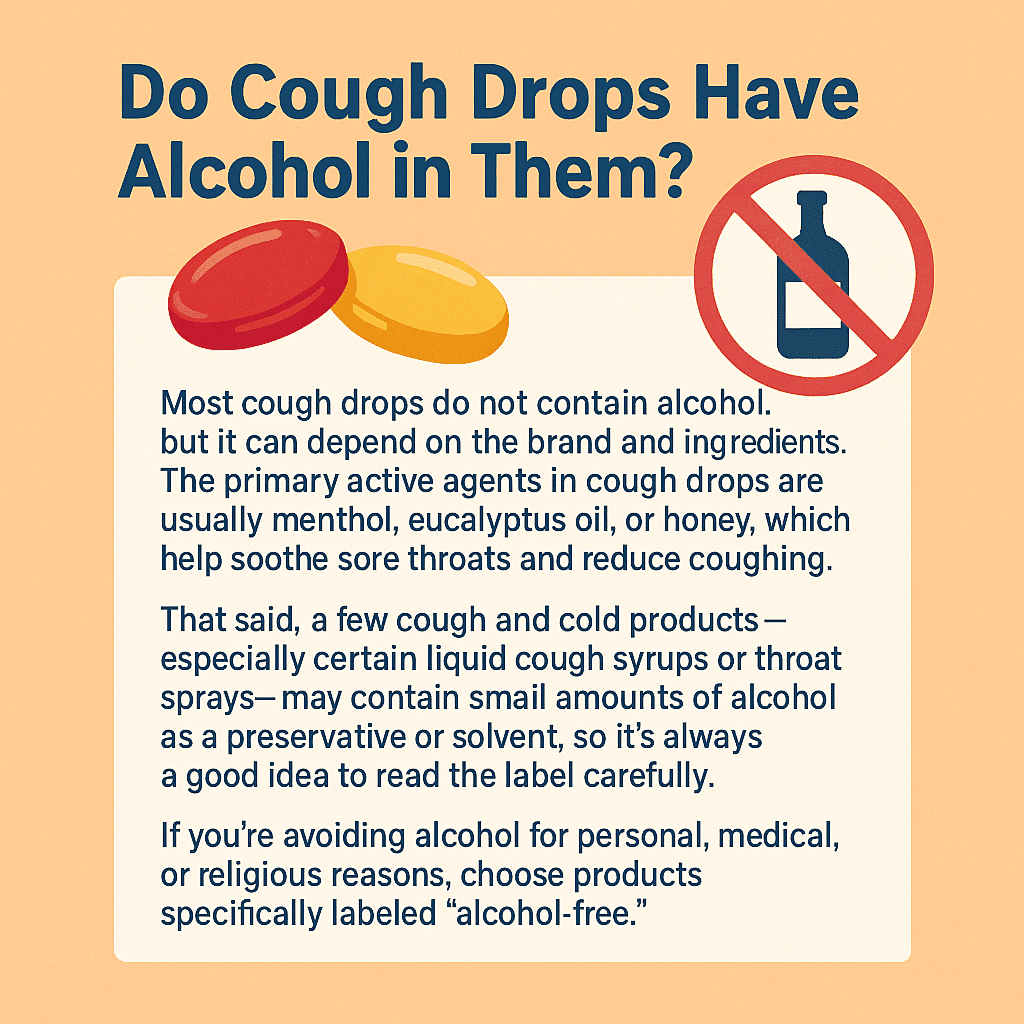
Most cough drops do not contain alcohol, but it can depend on the brand and ingredients. The primary active agents in cough drops are usually menthol, eucalyptus oil, or honey, which help soothe sore throats and reduce coughing. Some medicated cough drops may also include ingredients like benzocaine or dextromethorphan, but these are not alcohol-based.
That said, a few cough and cold products — especially certain liquid cough syrups or throat sprays — may contain small amounts of alcohol as a preservative or solvent, so it’s always a good idea to read the label carefully.
If you’re avoiding alcohol for personal, medical, or religious reasons, choose products specifically labeled “alcohol-free.” Popular brands like Halls, Ricola, and Cepacol typically do not use alcohol in their standard cough drops. When in doubt, check the ingredients list or consult a pharmacist for guidance.
Alcohol Presence in Cough Drops
Cough drops may contain varying ingredients that affect their composition, including the presence or absence of alcohol. Understanding these factors helps consumers make informed choices based on their needs and restrictions.
Ingredients Commonly Used
Many cough drops include active ingredients like menthol, eucalyptus oil, and various sweeteners. Some formulas also contain alcohol as a solvent or preservative, typically in small amounts. The alcohol used is usually ethanol, which helps dissolve active ingredients and improves shelf life.
Not all cough drops contain alcohol, though. Some use alternative solvents like propylene glycol or glycerin. If present, alcohol content tends to be low, generally less than 5% by volume, and not intended for intoxication purposes.
Variations by Brand
Brands differ significantly in their inclusion of alcohol. Traditional medicated cough drops from major brands may list ethanol or alcohol on their ingredient labels. In contrast, natural or organic cough drops often avoid alcohol entirely.
Consumers concerned about alcohol intake should check ingredient lists carefully. Some brands produce both alcohol-containing and alcohol-free versions. For children, pregnant women, or those avoiding alcohol, brands typically offer specific alcohol-free options clearly labeled.
Over-the-Counter Regulations
Regulations around alcohol in over-the-counter (OTC) medications vary by country but generally limit the amount allowed. The U.S. Food and Drug Administration (FDA) permits small quantities of alcohol in cough drops as safe for consumption when used as directed.
Manufacturers must disclose alcohol content on packaging. Products containing alcohol must meet safety and labeling standards to ensure consumer awareness. In some regions, restrictions exist to protect vulnerable populations from unintended alcohol exposure.
Types of Alcohols in Medicinal Products
Medicinal products may contain different types of alcohol depending on their purpose. Understanding the specific alcohol used is important for assessing safety and effects.
Ethanol Versus Sugar Alcohols
Ethanol is a common alcohol found in some cough drops and liquid medicines. It acts as a solvent and preservative but can cause intoxication if consumed in large quantities. The amount in cough drops is usually very low, minimizing any risk.
Sugar alcohols, such as sorbitol and xylitol, are different compounds. They are not intoxicating and serve mainly as sweeteners or to improve texture. These sugar alcohols do not affect the nervous system like ethanol does and are generally safe for most users.
Purpose of Alcohol in Formulations
Alcohols in medicinal products serve specific roles beyond flavoring. Ethanol is often used to dissolve active ingredients and preserve the product from microbial growth.
Sugar alcohols provide sweetness without increasing blood sugar levels significantly. They also help in thickening or moistening the product for better consistency. These functions contribute to the cough drop’s effectiveness and shelf life.
Reading Cough Drop Ingredient Labels
Cough drop labels provide exact details on the ingredients included, which helps consumers check for the presence of alcohol. Understanding common terms and components on the packaging is essential for identifying alcohol content or its derivatives.
Identifying Alcohol on Packaging
Alcohol in cough drops is usually listed as “ethanol,” “ethyl alcohol,” or simply “alcohol.” These terms indicate the presence of alcohol used as a solvent or preservative in the formulation. Some brands may also list “alcohol USP,” which confirms it meets pharmaceutical-grade standards.
Ingredients are listed in descending order by quantity, so if alcohol appears early on the list, it is a significant component. Additionally, the packaging may display warnings or dosage information related to alcohol content, especially if it surpasses minimal levels. Always check the fine print on the back or side of the packaging for these details.
Hidden Sources of Alcohol
Certain ingredients can contain trace amounts of alcohol even if it is not highlighted explicitly. Examples include glycerin or propylene glycol, which may act as carriers or solvents and sometimes contain small percentages of alcohol derivatives.
Flavored extracts or natural oils in cough drops may also be dissolved in alcohol, contributing to minor alcohol content. These sources often go unrecognized because manufacturers do not always declare the alcohol content from these components separately. Consumers sensitive to alcohol should consider this when reading ingredient lists, especially if avoiding alcohol completely.
Alcohol-Free Cough Drop Options
Many cough drops do not contain alcohol, providing alternatives suitable for those avoiding it. These options vary in active ingredients and flavor profiles, catering to different preferences and health needs.
Major Alcohol-Free Brands
Several well-known brands offer alcohol-free cough drops. Halls, Ricola, and Cepacol are among the most popular, with many of their products formulated without alcohol. Halls offers menthol-based drops that soothe irritation without added alcohol. Ricola uses herbal ingredients and natural extracts, providing a gentle, non-alcoholic option. Cepacol features benzocaine drops often free from alcohol, focusing on numbing throat pain.
Consumers should check labels closely since some product lines within these brands may contain alcohol or other additives. Most major retailers clearly mark alcohol-free options to help users make informed choices quickly.
Indications for Sensitive Groups
Alcohol-free cough drops are important for children, pregnant women, and individuals with liver conditions or alcohol sensitivities. These groups should avoid products containing alcohol due to potential adverse effects or interactions.
For children, the absence of alcohol reduces risk of toxicity and overexposure. Pregnant women benefit from safer alternatives to prevent unnecessary alcohol intake. Those with liver impairments or on certain medications need to steer clear of alcohol to avoid complications. Choosing alcohol-free drops ensures symptom relief without compromising safety for these vulnerable populations.
Health Considerations for Alcohol in Cough Drops
When cough drops contain alcohol, this can affect usage decisions. Factors like age and certain health conditions influence whether such products are suitable or safe to use.
Suitability for Children
Cough drops with alcohol are usually not recommended for young children. Alcohol content, even if small, might pose risks such as upset stomach or drowsiness. Many pediatric guidelines advise choosing alcohol-free options to avoid these risks.
For older children and teenagers, the small amount of alcohol in some cough drops is generally considered safe. However, caregivers should read labels carefully and follow dosage instructions. Overuse or misuse can lead to unintended effects like mild intoxication symptoms or allergic reactions.
Implications for Specific Medical Conditions
People with liver disease or a history of alcohol dependence should avoid cough drops with alcohol. Even small amounts can strain liver function or trigger cravings.
Diabetics need to check ingredients too, as some alcohol-containing drops may have added sugars, affecting blood glucose. Individuals on medications that interact with alcohol, such as sedatives or certain antidepressants, should consult a healthcare professional before use.
Alternatives to Cough Drops with Alcohol
Many people prefer cough drops without alcohol due to personal or health reasons. Non-alcoholic cough drops often use ingredients like menthol, eucalyptus, or honey to soothe the throat. Herbal lozenges are a popular choice. These usually include natural extracts such as peppermint, chamomile, or licorice root, which provide relief without alcohol content.
Over-the-counter throat sprays and syrups also offer an alternative. Some formulas focus on numbing the throat or reducing cough reflex without using alcohol as a solvent. For those seeking natural options, warm teas with honey and lemon can help ease irritation. These remedies do not contain any alcohol and can be consumed frequently.
Some sugar-free cough drops avoid alcohol to cater to diabetic or health-conscious individuals. These products rely on sweeteners and medicinal herbs instead. Consumers can check packaging labels carefully if they want to avoid alcohol. Most manufacturers list all active and inactive ingredients clearly to assist informed choices.
Final Thoughts
Cough drops may seem simple, but their ingredients can vary more than most people realize. While the majority do not contain alcohol, it’s always wise to read the label, especially if you’re trying to avoid it completely.
Look for products clearly marked as alcohol-free and pay attention to additional ingredients that may affect your comfort or health.
Ultimately, knowing what’s in your cough drops helps you choose the safest and most effective option when cold or allergy symptoms strike. With a little awareness and careful selection, you can confidently soothe your throat without worrying about hidden ingredients.

Written by:
John Landry is a registered respiratory therapist from Memphis, TN, and has a bachelor's degree in kinesiology. He enjoys using evidence-based research to help others breathe easier and live a healthier life.
References
- Johnson D, Mead R, Kennelty K, Hahn D. Menthol Cough Drops: Cause for Concern? J Am Board Fam Med. 2018.