

Many people turn to humidifiers to relieve dry air symptoms, especially during the colder months or in arid climates. These devices add moisture to the air, making it easier to breathe and helping to soothe irritated nasal passages, dry skin, and scratchy throats.
But a common question arises: Can a humidifier actually increase oxygen levels in the air?
In this article, we’ll explore the relationship between humidity and oxygen, clarify common misconceptions, and explain how humidifiers may—or may not—impact your breathing and oxygen intake.
Does a Humidifier Increase Oxygen Levels?
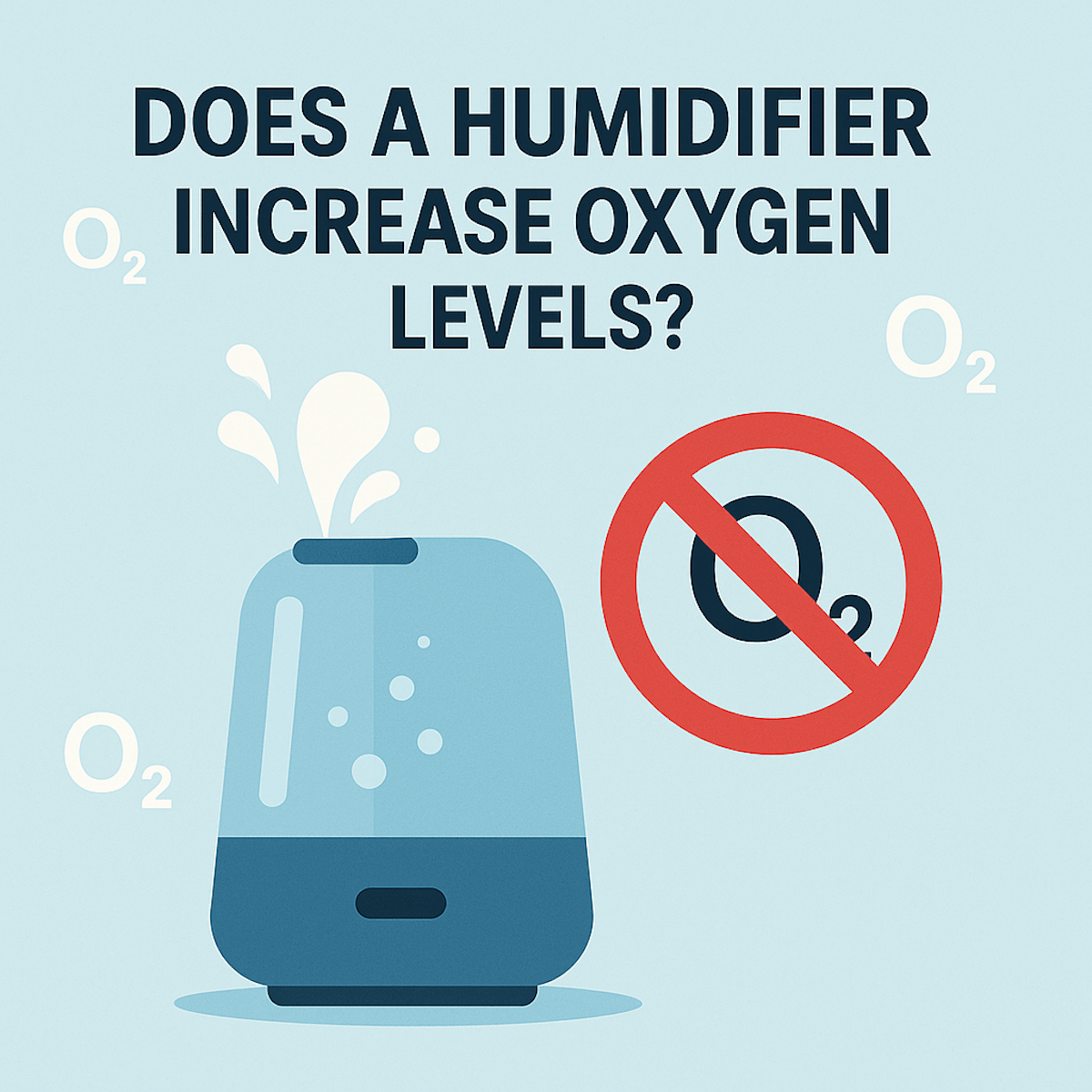
No, humidifiers do not increase oxygen levels in the air. Humidifiers add water vapor (moisture) to the air, not oxygen. The oxygen concentration in your indoor air remains essentially the same whether you use a humidifier or not.
Understanding What Humidifiers Actually Do
Humidifiers are designed to increase the humidity level in indoor spaces by releasing water vapor into the air. They work by:
- Converting liquid water into microscopic water droplets or steam
- Distributing this moisture throughout the room
- Raising the relative humidity from dry levels (often below 30%) to more comfortable levels (typically 40-60%)
Note: The device adds H₂O molecules to the air, not O₂ molecules. While water contains oxygen atoms, these are chemically bound to hydrogen and cannot be used by your lungs for respiration.
Why People Think Humidifiers Add Oxygen
Several factors contribute to this common misconception:
- Improved Breathing Sensation: When indoor air is properly humidified, many people notice they can breathe more easily. This happens because adequate humidity helps keep nasal passages and respiratory tissues moist, reducing irritation and congestion. The improved comfort can create the impression that there’s “more oxygen” available.
- Relief from Dry Air Symptoms: Dry indoor air can cause throat irritation, nasal congestion, and respiratory discomfort. When a humidifier alleviates these symptoms, people often attribute the relief to increased oxygen rather than increased moisture.
- Association with Plants: Some people confuse humidifiers with plants, which do release oxygen through photosynthesis. However, humidifiers are mechanical devices that only add water vapor.
The Science Behind Oxygen Levels Indoors
Indoor oxygen levels are typically very close to outdoor levels, around 20.9% of the total air composition. Several factors affect indoor oxygen:
- Ventilation: Fresh air exchange with the outdoors maintains oxygen levels. Poor ventilation can slightly reduce oxygen, but this is rarely significant in most homes.
- Occupancy: Large numbers of people in a confined space can marginally reduce oxygen levels through respiration, but this is usually not noticeable in typical residential settings.
- Combustion Appliances: Gas stoves, fireplaces, and similar appliances consume oxygen during combustion, but they typically have adequate ventilation systems.
- Altitude: Geographic elevation affects oxygen levels more than any indoor appliance ever could.
Does Humidity Affect Oxygen Saturation?
Humidity does not directly alter the percentage of oxygen in the air. The composition of dry air at sea level is approximately 21% oxygen, regardless of the humidity level. However, humidity can influence how our body perceives and utilizes oxygen, especially during respiration.
When air is humidified, it can make breathing feel more laborious, especially in hot and humid conditions. That’s because humid air is denser than dry air due to the water vapor molecules. As a result, in highly humid conditions, our lungs need to work a bit harder to obtain the same amount of oxygen, leading to the feeling of shortness of breath or discomfort.
Additionally, in humid conditions, the body’s cooling mechanism, which involves the evaporation of sweat, becomes less efficient. This can lead to increased body temperature, increased heart rate, and an increase in respiratory rate. These physiological changes might indirectly affect the perception of oxygen saturation or how the body uses oxygen, even if the actual oxygen content in the air remains constant.
Pulse Oximeters for Measuring Oxygen Saturation
In medical contexts, pulse oximeters are used to measure oxygen saturation in a patient’s blood. High humidity levels can sometimes affect the accuracy of some pulse oximeters, but this is more about the device’s function rather than an actual change in blood oxygen levels due to humidity.
While humidity does not change the actual amount of oxygen present in the air, it can affect respiratory comfort and the efficiency of the body’s cooling mechanisms, which in turn can influence how we perceive our breathing and oxygen utilization.

A feature-rich pulse oximeter with a plethysmograph, built-in alarms, and a bright OLED display for accurate, real-time monitoring.
Actual Benefits of Proper Humidity
While humidifiers don’t increase oxygen, they provide several legitimate health and comfort benefits:
- Respiratory Health: Maintaining 40-60% relative humidity helps keep mucous membranes moist, which supports your body’s natural defense mechanisms against airborne pathogens and irritants.
- Skin and Eye Comfort: Adequate humidity prevents excessive drying of skin and eyes, particularly during winter months when heating systems can create very dry indoor conditions.
- Sleep Quality: Proper humidity levels can reduce nighttime coughing and throat irritation, leading to better sleep quality.
- Protection for Furnishings: Wood furniture, musical instruments, and other materials benefit from stable humidity levels, preventing cracking and warping.
When Breathing Issues Persist
If you’re experiencing breathing difficulties, shortness of breath, or other respiratory symptoms, these issues are unlikely to be resolved by a humidifier alone. Consider these factors:
- Medical Conditions: Asthma, allergies, COPD, and other respiratory conditions require proper medical evaluation and treatment.
- Air Quality Issues: Poor indoor air quality from pollutants, allergens, or irritants may need to be addressed through filtration, source removal, or ventilation improvements.
- Ventilation Problems: Inadequate fresh air exchange might require HVAC system evaluation or other ventilation solutions.
Proper Humidifier Use
To maximize the benefits of humidification:
- Monitor Humidity Levels: Use a hygrometer to maintain relative humidity between 40-60%. Levels above 60% can promote mold growth and dust mites.
- Regular Maintenance: Clean your humidifier regularly according to manufacturer instructions to prevent bacterial and mold growth.
- Use Distilled Water: This reduces mineral buildup and prevents the dispersal of impurities into the air.
- Proper Sizing: Choose a humidifier appropriate for your room size to achieve effective humidity control.
FAQs About Humidifiers and Oxygen
Is a Humidifier Good for the Lungs?
Yes, a humidifier can be beneficial for the lungs, especially in dry environments. Moist air helps keep the airways hydrated, reduces irritation, and can ease symptoms like coughing, congestion, and a dry throat.
This can be particularly helpful for people with asthma, allergies, or respiratory infections. However, it’s important to keep the humidifier clean, as a dirty unit can spread mold or bacteria, potentially causing more harm than good.
Does Humidity Help Oxygen Levels?
Humidity doesn’t increase the amount of oxygen in the air, but it can make breathing easier. Dry air can irritate the airways and make it more difficult for the lungs to function efficiently.
By adding moisture to the air, proper humidity levels help maintain mucous membrane function and improve respiratory comfort. While humidity doesn’t directly boost oxygen levels, it supports better oxygen exchange by preventing airway dryness and inflammation.
What Does Humidification Do to Oxygen?
Humidification adds moisture to oxygen, preventing dryness and irritation in the nose, throat, and lungs. When oxygen is delivered from tanks or concentrators, it’s often dry and can be uncomfortable over time.
Humidifying the oxygen improves patient comfort and helps maintain healthy airway secretions. This is especially important for individuals receiving high-flow oxygen therapy or long-term oxygen use, as it reduces the risk of nasal and airway inflammation.
Will a Humidifier Help With COVID Breathing Problems?
A humidifier may provide some relief for mild COVID-related breathing discomfort by keeping the airways moist and easing symptoms like a dry cough or sore throat. However, it is not a treatment for the virus or its serious complications.
People with COVID-19 experiencing significant breathing problems should seek medical care immediately. While humidity may improve comfort, it does not replace medical treatments like oxygen therapy or antiviral medications.
Is Humidified Oxygen Better?
Yes, humidified oxygen is often better, especially for those receiving oxygen therapy for extended periods. Dry oxygen can irritate the nasal passages and airways, leading to discomfort, nosebleeds, and crusting.
Humidified oxygen helps keep the respiratory tract moist, reducing these side effects and improving tolerance to oxygen therapy. It’s particularly beneficial in high-flow settings or when oxygen is delivered through a nasal cannula for many hours per day.
Who Would Benefit From Humidified Oxygen?
Humidified oxygen is especially beneficial for patients on long-term or high-flow oxygen therapy. This includes individuals with chronic respiratory diseases such as COPD, pulmonary fibrosis, or severe asthma. It’s also helpful for patients recovering from respiratory infections or surgeries who require supplemental oxygen.
Humidification prevents dryness and irritation of the airways, improves comfort, and can enhance the effectiveness of oxygen delivery by maintaining airway integrity and reducing inflammation.
Is Humidity Good for the Lungs?
Yes, moderate humidity is good for the lungs. It helps keep the airways moist, reduces irritation, and supports better respiratory function. Proper humidity levels (around 40–60%) can ease breathing, reduce coughing, and make mucus easier to expel.
However, excessive humidity can promote mold and dust mites, which may worsen respiratory symptoms. Maintaining the right balance is key to creating a lung-friendly environment, especially for those with asthma or other lung conditions.
Why Is Humidity Important for Breathing?
Humidity plays an important role in respiratory health by keeping the airways moist and comfortable. Dry air can irritate the lining of the nose and throat, making breathing feel difficult and triggering coughing or wheezing.
Proper humidity helps maintain the natural defense mechanisms of the respiratory tract, such as mucus and cilia function. This is essential for filtering out irritants and pathogens, ultimately supporting easier, healthier breathing—especially in dry or heated indoor environments.
Final Thoughts
While humidifiers don’t increase oxygen levels, they serve an important role in maintaining comfortable and healthy indoor environments. The improved breathing sensation that many people experience with proper humidification comes from reduced respiratory irritation, not from additional oxygen in the air.
If you’re concerned about oxygen levels in your home or experiencing persistent breathing difficulties, focus on ensuring adequate ventilation and consult with healthcare professionals rather than relying on humidification alone.
Understanding the actual function of humidifiers helps you use them effectively as part of a comprehensive approach to indoor air quality and respiratory health.

Written by:
John Landry is a registered respiratory therapist from Memphis, TN, and has a bachelor's degree in kinesiology. He enjoys using evidence-based research to help others breathe easier and live a healthier life.
References
- Weekley MS, Lobo CM, Bland LE. Oxygen Administration. [Updated 2025 Jan 22]. In: StatPearls [Internet]. Treasure Island (FL): StatPearls Publishing; 2025.
- Byber K, Radtke T, Norbäck D, Hitzke C, Imo D, Schwenkglenks M, Puhan MA, Dressel H, Mutsch M. Humidification of indoor air for preventing or reducing dryness symptoms or upper respiratory infections in educational settings and at the workplace. Cochrane Database Syst Rev. 2021.