
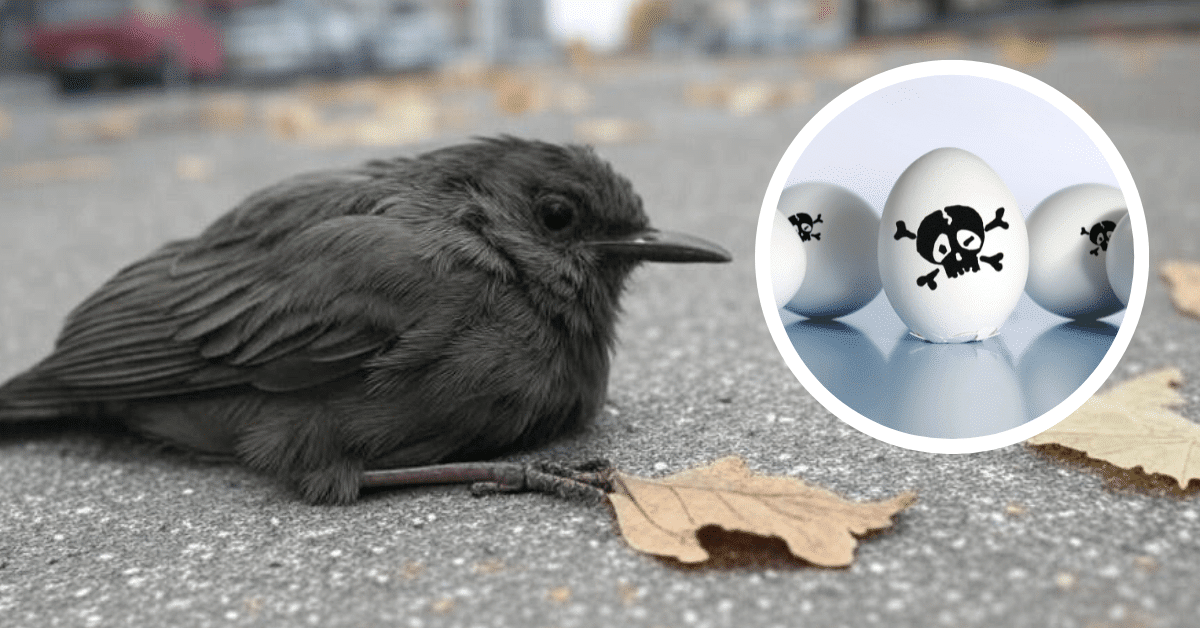
In a significant yet isolated development, the first U.S. death related to H5N1 bird flu has been reported in Louisiana. The patient, an individual over the age of 65 with underlying health conditions, was hospitalized after contracting the highly pathogenic avian influenza virus from exposure to wild and backyard birds.
Despite extensive medical intervention, the patient succumbed to the illness, marking a somber milestone in the nation’s ongoing efforts to monitor and control avian influenza.
Exposure Linked to Backyard Flock and Wild Birds
According to the Centers for Disease Control and Prevention (CDC) and the Louisiana Department of Health, the patient’s infection was linked to contact with both wild birds and a backyard flock.
This represents the first documented human case in the U.S. associated with a non-commercial poultry setting. The CDC’s genetic analysis confirmed that the strain responsible belongs to the D1.1 genotype, which has also been detected in wild bird populations and recent human cases in Canada and the Pacific Northwest.
The Louisiana Department of Health extended its condolences to the family, stating in an official release, “Our thoughts and deepest sympathies are with the family as they mourn their loss. Out of respect for their privacy, this will be our final update on this specific case.”
No Evidence of Person-to-Person Transmission
Despite the severity of this individual case, the CDC reiterated that the overall public health risk remains low. The agency emphasized that H5N1 is primarily an animal-to-human infection, with no evidence of person-to-person spread in this case or in any recent cases globally.
Dr. Iain Foulkes, executive director of research and innovation at Cancer Research UK, stated, “Although the death is tragic, it does not indicate a shift in the virus’s behavior. The primary mode of transmission remains contact with infected birds or contaminated materials.”
According to global data, H5N1 bird flu has infected over 950 people since 2022, with approximately half of those cases resulting in death. However, these infections have almost exclusively occurred in people who had direct, prolonged exposure to birds, reinforcing that the virus is not easily transmissible between humans.
CDC Recommendations for Prevention
The CDC has issued reminders to the public, especially those who work with or handle birds, about the importance of preventive measures. The virus is shed by infected birds in their saliva, mucus, and feces, and human infection can occur if a person touches contaminated surfaces and then touches their mouth, nose, or eyes.
The CDC offers the following precautions:
- Avoid direct contact with wild or sick birds whenever possible.
- Wear personal protective equipment (PPE) such as gloves, masks, and eye protection when handling birds or cleaning bird habitats.
- Wash hands thoroughly after any contact with birds or contaminated surfaces.
- Do not consume raw or undercooked poultry or unpasteurized dairy products.
- Keep backyard flocks isolated from wild birds and monitor them closely for signs of illness.
Note: The CDC also advises hunters and outdoor enthusiasts to wear gloves and masks when handling wild game birds and to dispose of used protective equipment properly.
Ongoing Monitoring and Global Context
The CDC continues to monitor the genetic evolution of the H5N1 virus to detect any mutations that could make the virus more transmissible between humans. To date, there have been no virologic changes identified that would increase the risk of person-to-person spread. However, experts caution that the situation requires ongoing vigilance.
Globally, countries with large poultry industries and migratory bird populations remain on high alert. The World Health Organization (WHO) has stressed the importance of coordinated international surveillance to track outbreaks in both human and animal populations.
WHO representatives noted that while human cases remain rare, the virus’s potential to cause severe disease highlights the importance of prompt reporting and containment efforts.
The Role of Public Awareness
Raising public awareness about H5N1 and how to avoid exposure is key to preventing future cases. In addition to providing guidance for those with backyard flocks, health officials are urging the public to report unusual bird deaths to local authorities to facilitate early detection and response. The USDA provides a toll-free hotline for reporting sick or dead birds, ensuring timely investigations to mitigate risks.
Looking Forward
While the death in Louisiana is a somber reminder of the dangers posed by H5N1 bird flu, experts remain cautiously optimistic. The fact that no human-to-human transmission has been reported and that the virus remains linked to direct animal contact provides some reassurance. Continued research, public awareness, and adherence to safety guidelines are essential to limiting the impact of the virus.
Public health agencies are also working to develop updated vaccines against avian influenza strains to be used if human cases increase significantly. In the meantime, prevention remains the best defense.
As Dr. Foulkes emphasized, “The most effective way to protect yourself is to avoid exposure and to follow all recommended precautions.”
Note: By staying informed and taking the necessary steps to reduce exposure, individuals can play a critical role in preventing the spread of H5N1 and protecting their communities from future outbreaks.
Key Takeaways:
- First U.S. H5N1 Death Reported: A Louisiana resident over the age of 65, with underlying health conditions, passed away after contracting H5N1 bird flu through exposure to wild birds and a backyard flock.
- Linked to Animal Contact: The infection was traced to direct contact with sick birds rather than person-to-person transmission, which has not been observed.
- Public Health Risk Remains Low: The CDC reassures that the overall risk of H5N1 to the general public remains low, as human cases are rare and primarily occur through prolonged contact with infected animals.
- Preventive Measures Emphasized: The CDC advises avoiding direct contact with wild or sick birds, wearing protective gear when handling birds, and practicing good hygiene, especially for backyard flock owners and hunters.
- Ongoing Surveillance and Research: Health officials are closely monitoring the virus for any genetic mutations that could increase transmissibility, though no concerning changes have been detected so far.
- Global Context: H5N1 has infected over 950 people worldwide since 2022, mostly in individuals exposed to infected birds, with about half of the cases resulting in death.
- Importance of Public Awareness: Reporting unusual bird deaths and adhering to safety guidelines are key steps in preventing further spread and ensuring early detection of outbreaks.

Written by:
John Landry is a registered respiratory therapist from Memphis, TN, and has a bachelor's degree in kinesiology. He enjoys using evidence-based research to help others breathe easier and live a healthier life.
References
- Sendor AB, Weerasuriya D, Sapra A. Avian Influenza. [Updated 2023 Jun 21]. In: StatPearls [Internet]. Treasure Island (FL): StatPearls Publishing; 2025.