
Hantavirus Pulmonary Syndrome (HPS) is a rare but potentially life-threatening respiratory illness caused by exposure to hantaviruses, which are primarily transmitted through contact with infected rodent urine, droppings, or saliva.
Although uncommon, this condition is known for its rapid progression and severe impact on the lungs, often leading to acute respiratory failure if not recognized early. Initial symptoms may resemble a mild viral illness, making early diagnosis challenging.
However, as the disease advances, it can quickly escalate into a critical situation requiring intensive medical care. Understanding the causes, symptoms, and clinical course of HPS is essential for timely intervention and improved patient outcomes.

Download our free guide that has over 100+ of the best tips for healthy lungs.
What is Hantavirus Pulmonary Syndrome?
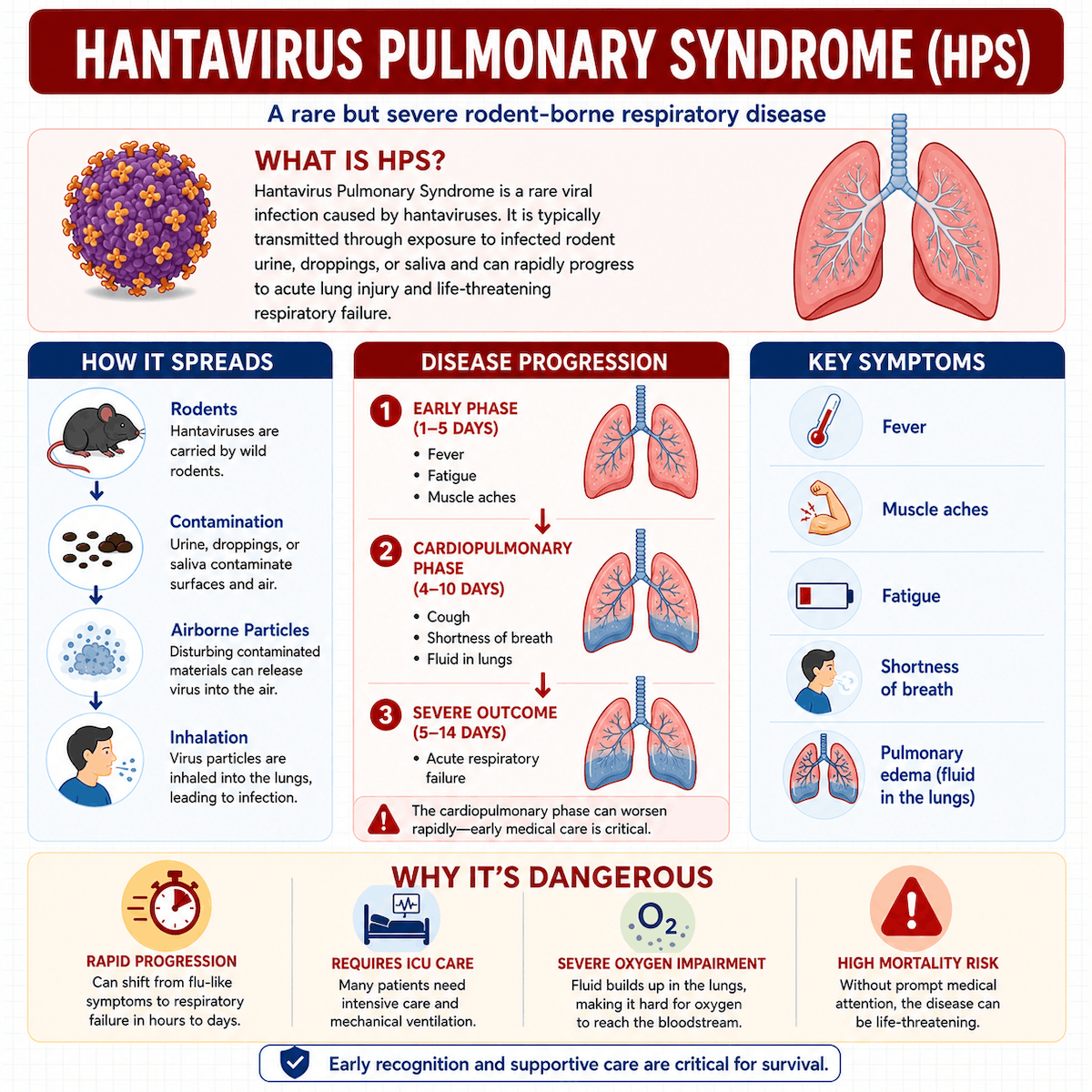
Hantavirus Pulmonary Syndrome (HPS) is a severe respiratory illness caused by infection with hantaviruses, a group of viruses primarily carried by rodents. Humans typically become infected by inhaling airborne particles contaminated with rodent urine, droppings, or saliva, especially in enclosed or poorly ventilated areas.
Hantavirus Pulmonary Syndrome is characterized by an initial phase of flu-like symptoms such as fever, fatigue, muscle aches, and headache. As the disease progresses, it can rapidly lead to coughing, shortness of breath, and fluid accumulation in the lungs, resulting in acute respiratory failure.
The specific viruses responsible belong to the Hantavirus group. HPS has a high mortality rate if not recognized and treated promptly. Early supportive care in a hospital setting, particularly with oxygen therapy and mechanical ventilation when needed, is critical for improving survival outcomes.
Historical Background and Discovery
The Four Corners Outbreak of 1993
The story of Hantavirus Pulmonary Syndrome in the Americas begins in the spring of 1993, when otherwise healthy young adults in the Four Corners region, where Arizona, New Mexico, Colorado, and Utah meet, began dying from sudden respiratory failure. Within weeks, physicians and epidemiologists from local hospitals, the Indian Health Service, state health departments, and the Centers for Disease Control and Prevention assembled to investigate what initially appeared to be an unknown pulmonary disease.
The pattern was alarming. Patients arrived with what looked like ordinary influenza, then deteriorated within a day or two, their lungs filling with fluid as their cardiovascular systems collapsed. Standard antibiotics did nothing. The mortality rate during that first cluster exceeded fifty percent. Investigators considered plague, anthrax, exposure to chemical agents, and several other possibilities before laboratory testing pointed to a hantavirus, a category of pathogen previously associated mostly with hemorrhagic fever and kidney disease in Europe and Asia.
Identification of the Sin Nombre Virus
The new virus was eventually named Sin Nombre, Spanish for “no name,” reflecting the early reluctance to name it after the geographic region where it was found. Subsequent investigation showed that the deer mouse, Peromyscus maniculatus, served as the natural reservoir.
Researchers later identified preserved tissue samples from earlier unexplained deaths going back decades, suggesting that the virus had been circulating in North American rodent populations long before 1993, with sporadic human infections going unrecognized.
A Shift in Hantavirus Science
The 1993 outbreak fundamentally changed how scientists thought about hantaviruses. Before that year, the genus was associated almost exclusively with hemorrhagic fever with renal syndrome, a kidney-focused illness common in parts of Asia and Europe.
The discovery of a New World variant that targeted the lungs rather than the kidneys opened up an entirely new field of research and led to the identification of additional hantavirus strains across North and South America.
The Virus Itself
Classification and Genome
Hantaviruses belong to the family Hantaviridae, within the order Bunyavirales. They are enveloped, single-stranded RNA viruses with a genome divided into three segments designated small, medium, and large.
Each segment encodes specific proteins involved in viral replication, structure, and immune evasion. The genome architecture allows for genetic reassortment when two strains infect the same host, a feature that contributes to viral diversity over time.
Strains Found in the Americas
In the Americas, the hantaviruses associated with pulmonary syndrome include Sin Nombre virus in much of North America, Bayou virus along the Gulf Coast, Black Creek Canal virus in Florida, New York virus in the northeastern United States, Andes virus in Argentina and Chile, and Laguna Negra virus in parts of South America.
Note: Each strain tends to associate with a specific rodent host, and the geographic range of human disease reflects the distribution of these reservoir species.
Transmission Dynamics
Unlike many other respiratory viruses, hantaviruses do not typically spread from person to person. The Andes virus is a notable exception, with documented cases of human-to-human transmission during outbreaks in southern South America. This anomaly has prompted ongoing surveillance and additional infection control measures in countries where the strain is endemic.
Cellular Targets
The virus enters human cells primarily through receptors on endothelial cells, the thin layer of tissue lining blood vessels, and the small air sacs of the lungs. Once inside, the virus replicates without immediately killing the host cell.
The damage that defines the disease comes less from direct cell destruction and more from the immune response and the resulting changes in vascular permeability.
Reservoir Hosts and Ecology
The Rodent-Virus Relationship
The natural history of hantaviruses is inseparable from the ecology of their rodent hosts. Deer mice, cotton rats, rice rats, and several South American rodent species carry the viruses without showing significant illness. The relationship is one of long evolutionary association, with each viral strain typically adapted to a specific host species over thousands of years.
How Rodents Spread the Virus
Infected rodents shed the virus in their saliva, urine, and feces, often for the entirety of their lives. The virus can survive in the environment for several days under the right conditions, particularly in cool, dark, dry places where rodents nest.
When humans encounter contaminated material, whether in cabins, barns, sheds, woodpiles, or vehicles that have sat unused, they can inhale aerosolized particles and become infected.
Population Cycles and Disease Risk
Population dynamics among rodents play a substantial role in human disease risk. After wet winters or springs, vegetation grows more abundantly, food sources for rodents increase, and rodent populations can expand significantly.
Years following such conditions tend to see higher numbers of human cases, a pattern documented repeatedly in the southwestern United States. Climate variability, land use changes, and seasonal weather patterns all influence the abundance and distribution of reservoir species.
Patterns Within Rodent Communities
Researchers studying rodent populations have identified seasonal cycles in viral prevalence within rodent communities. Adult males tend to carry the virus more often than females or juveniles, possibly because of aggressive territorial encounters that lead to bite wounds and viral exchange.
Note: These ecological patterns help explain why disease risk in humans is not constant but varies considerably from year to year and place to place.
Transmission to Humans
Primary Routes of Infection
Most human infections occur through inhalation of aerosolized viral particles in enclosed spaces where rodents have been active. A person sweeping out a long-closed cabin, cleaning a shed, or disturbing nesting material in an attic can stir up dust containing dried excreta and saliva. The fine particles travel into the lungs, where the virus can establish infection.
Secondary and Less Common Routes
Other documented routes of transmission, though less common, include direct contact with rodents or their droppings, bites from infected animals, and consumption of food contaminated with rodent waste.
The Andes virus stands apart in its capacity for limited human-to-human transmission, primarily among close contacts and household members of infected individuals.
Occupational and Recreational Risk Factors
Activities associated with higher exposure risk include rural work that involves entering grain storage areas or barns, agricultural labor in regions where rodents are abundant, military training in field settings, hiking and camping in areas with rodent populations, and cleaning out vacation homes after winter closures.
Pest control workers, biologists conducting rodent surveys, and people who live in rural housing with poor rodent exclusion all face elevated baseline risk.
Variation in Infection Outcomes
The actual probability of infection after exposure remains uncertain. Many people who clean rodent-infested spaces never develop disease, suggesting that infection requires either substantial exposure, host susceptibility factors that are not yet fully understood, or both.
Serological surveys in some regions have found evidence of past infection in people who never reported significant illness, raising the possibility that subclinical or mild infections occur more often than recognized.
Clinical Course and Symptoms
Incubation and Disease Phases
Hantavirus Pulmonary Syndrome typically progresses through three recognizable phases, though the boundaries between them can blur in individual cases. The incubation period from exposure to first symptoms ranges from one to eight weeks, with most cases manifesting within two to four weeks of likely exposure.
The Prodromal Phase
The first phase, called the prodromal phase, begins with nonspecific symptoms that resemble influenza or other common viral illnesses. Fever, often above 101 degrees Fahrenheit, is nearly universal. Patients describe deep muscle aches, particularly in the large muscle groups of the thighs, hips, back, and shoulders.
Headache, fatigue, chills, and a general sense of being unwell accompany these symptoms. About half of patients also experience nausea, vomiting, abdominal pain, or diarrhea, which can mislead clinicians into suspecting a gastrointestinal infection rather than a viral illness with respiratory implications.
Notably, the prodromal phase does not typically involve a runny nose, sore throat, or cough. The absence of upper respiratory symptoms in a person with high fever and severe muscle aches should raise suspicion when combined with relevant exposure history.
Note: This phase typically lasts three to seven days before either resolving or progressing.
The Cardiopulmonary Phase
The second phase, the cardiopulmonary phase, marks the onset of serious illness. It often begins abruptly with cough and shortness of breath. Within hours, patients can develop rapid breathing, low blood pressure, and a buildup of fluid in the lungs.
The mechanism involves a sudden increase in permeability of the small blood vessels in the lungs, allowing plasma to leak into the air spaces. Oxygen levels in the blood drop, and the heart, already working harder to compensate, may begin to fail.
This phase represents the period of greatest mortality. Patients often require mechanical ventilation, intensive cardiac support, and in severe cases, extracorporeal membrane oxygenation, a technology that takes over the work of the lungs and heart while the body attempts to recover.
Note: The cardiopulmonary phase typically lasts two to seven days, during which most deaths occur.
The Diuretic and Recovery Phase
For those who survive the cardiopulmonary phase, the third phase brings recovery, often called the diuretic phase because the body begins to clear the fluid that has accumulated. Patients produce large volumes of urine as their kidneys eliminate the excess fluid that leaked into tissues during the acute illness.
Lung function gradually improves, though full recovery can take weeks to months. Some survivors report persistent fatigue, reduced exercise tolerance, and other lingering effects, though most eventually return to baseline health.
Pathophysiology
Vascular Permeability and Lung Damage
Understanding why hantaviruses cause such severe disease requires examining what happens inside the body during infection. The virus targets endothelial cells, particularly those in the small blood vessels of the lungs. Once inside these cells, the virus replicates but does not destroy them outright. Instead, the infected cells continue to function, but their behavior changes in ways that produce the clinical syndrome.
The most important consequence of infection is increased vascular permeability. Normally, the endothelial cells that line blood vessels form tight junctions that keep plasma inside the vessels while allowing controlled exchange of nutrients, gases, and immune cells. Infected cells lose some of this barrier function.
In the lungs, this means that plasma leaks into the alveoli, the tiny air sacs where oxygen exchange occurs. The lungs become heavy with fluid, oxygen exchange falters, and the patient develops noncardiogenic pulmonary edema, meaning fluid accumulation that is not caused by heart failure.
The Role of the Immune Response
The immune response amplifies the problem. The body mounts a vigorous defense against the virus, releasing cytokines and recruiting immune cells to the lungs. While this response is necessary to control the infection, in HPS it appears to contribute to the very damage it seeks to prevent.
High levels of inflammatory mediators correlate with worse outcomes, and the most severe cases often show a pattern of immune activation that resembles other syndromes of dysregulated inflammation.
Cardiac Involvement and Shock
Cardiac involvement is a second important feature. The virus and the resulting inflammation affect the heart muscle, reducing its ability to pump effectively. Combined with the loss of fluid from the circulation into the lungs and other tissues, this leads to shock, the medical term for inadequate blood flow to vital organs.
Patients can require large volumes of intravenous fluids to maintain blood pressure, but excess fluid worsens the pulmonary edema, creating a difficult balance for clinicians to manage.
Coagulation Abnormalities
Coagulation abnormalities are also common. Patients may develop low platelet counts, prolonged bleeding times, and other signs that the clotting system is disturbed. These changes typically improve as the patient recovers, but they complicate care during the acute illness.
Diagnosis
Clinical Suspicion and Exposure History
Diagnosing Hantavirus Pulmonary Syndrome poses significant challenges, particularly in the early phase when symptoms resemble many other illnesses. Clinical suspicion based on exposure history is often the first step toward correct diagnosis.
A patient who lives in or has recently visited a rural area, particularly one with known rodent activity, and who presents with fever and muscle aches should prompt consideration of hantavirus infection.
Characteristic Laboratory Findings
Laboratory findings during the cardiopulmonary phase often include several characteristic abnormalities. The white blood cell count typically rises, with a left shift indicating release of immature cells from the bone marrow. The platelet count drops, sometimes dramatically. The hematocrit, a measure of red blood cell concentration, may increase as plasma leaks out of the circulation.
Liver enzymes are often mildly elevated, and lactate dehydrogenase may rise as well. The presence of immunoblasts, a particular type of activated lymphocyte, in the peripheral blood is considered suggestive.
Imaging Studies
Chest imaging shows progressive abnormalities as the disease evolves. Early films may be normal or show only subtle changes. As the cardiopulmonary phase advances, imaging reveals diffuse bilateral infiltrates, the hallmark of pulmonary edema. The pattern is usually symmetric and often described as resembling acute respiratory distress syndrome from other causes.
Confirmatory Testing
Definitive diagnosis relies on laboratory testing for the virus or the immune response to it. Serology, which detects antibodies the body produces against the virus, is the most common diagnostic approach. Both IgM and IgG antibodies are typically present by the time the cardiopulmonary phase begins, making serology useful even early in severe illness.
Polymerase chain reaction testing can detect viral RNA in blood samples, providing another diagnostic tool. Immunohistochemistry on tissue samples, often obtained at autopsy, can confirm the diagnosis when other testing is unavailable.
Differential Diagnosis
The differential diagnosis is broad and includes influenza, community-acquired pneumonia, sepsis from various causes, plague, tularemia, leptospirosis, and other viral hemorrhagic fevers.
The combination of severe respiratory failure, characteristic laboratory findings, and exposure history typically distinguishes HPS from these other conditions, but timely testing is essential for confirmation.
Treatment and Supportive Care
Absence of Specific Antiviral Therapy
There is no specific antiviral treatment for Hantavirus Pulmonary Syndrome that has demonstrated clear benefit in clinical trials. Ribavirin, an antiviral drug effective against the related hantaviruses that cause hemorrhagic fever with renal syndrome, has been studied for HPS but has not shown the same efficacy.
Several other approaches have been investigated in small studies, but none has been established as standard care.
Intensive Care Management
Treatment therefore focuses on supportive measures, particularly aggressive intensive care management of the cardiopulmonary failure that defines the disease. Early recognition and transfer to a facility with intensive care capabilities can substantially improve outcomes.
Patients typically require mechanical ventilation, often with strategies designed to minimize further lung injury. Careful fluid management aims to maintain adequate blood pressure without worsening pulmonary edema, a delicate balance that requires close monitoring.
Cardiovascular Support
Vasopressor medications, which constrict blood vessels and raise blood pressure, are commonly used to support the circulation. Inotropic agents that strengthen heart contractions may also be needed. Continuous monitoring of cardiac function, often through invasive measurements, helps guide therapy.
Extracorporeal Membrane Oxygenation
Extracorporeal membrane oxygenation has emerged as an important rescue therapy for the most severe cases. By taking over gas exchange and circulatory support outside the body, ECMO can keep patients alive while their lungs and hearts recover.
Centers that offer ECMO and have experience with HPS have reported survival rates higher than were possible in the early years after the disease was identified, though the technology remains available only at specialized facilities.
Prognosis
The prognosis depends heavily on how quickly patients reach appropriate care. Mortality rates have declined since the original outbreak, partly due to greater clinical awareness and partly due to advances in critical care, but the disease remains highly lethal.
Overall mortality in the United States has hovered around thirty-five percent in recent years, with higher rates in patients who present late or who develop complications such as cardiac arrest before receiving advanced support.
Prevention
The Importance of Exposure Reduction
Because no widely available vaccine exists and no specific treatment can reverse the disease once it begins, prevention of exposure is the most effective public health strategy.
Prevention focuses on reducing contact with rodents and their excreta in homes, workplaces, and recreational settings.
Rodent Exclusion in the Home
Rodent exclusion is the first line of defense in residential settings. Sealing gaps in foundations, walls, and roofs prevents mice from entering buildings. Even small openings can admit deer mice, which can squeeze through holes the size of a dime.
Steel wool, hardware cloth, caulk, and metal flashing can close common entry points. Removing brush, woodpiles, and debris from near foundations reduces shelter for rodents and discourages them from settling near homes.
Reducing Indoor Attractants
Inside buildings, eliminating food sources and harborage reduces rodent populations. Storing food in rodent-proof containers, taking out garbage promptly, and keeping kitchens clean all help.
Snap traps, the traditional method of rodent control, remain effective and avoid the risks associated with poisons that can leave dead rodents in inaccessible places where they may be disturbed by other animals or by human cleaning activity.
Safe Cleaning Procedures
Cleaning areas where rodents have been active requires specific precautions. Sweeping or vacuuming dry droppings can aerosolize virus particles and increase exposure risk.
Instead, the recommended approach involves ventilating the space for at least thirty minutes before entering, wearing gloves and a properly fitted respirator, spraying contaminated areas with a disinfectant solution such as diluted bleach, allowing the disinfectant to soak for several minutes, and then wiping up the material with paper towels that can be sealed in plastic bags and discarded. Mop floors and disinfect surfaces afterward, and wash hands thoroughly when finished.
Seasonal Structures and Vacation Properties
Cabin owners, hunters, and others who use seasonal structures should follow these precautions when reopening buildings that have been closed. Opening windows and doors to ventilate the space before extensive cleaning, wearing protective equipment, and using wet methods rather than dry sweeping all reduce risk.
Outdoor Activity Considerations
Outdoor activities in rodent habitat carry lower but real risk. Campers should avoid sleeping on bare ground in rodent-infested areas, store food in sealed containers, and choose camp locations away from rodent burrows or droppings.
Hikers exploring abandoned structures, mines, or caves should be aware that these environments may harbor rodents and exercise appropriate caution.
Workplace Protection
Occupational settings present specific challenges. Workers in agriculture, pest control, wildlife biology, and certain construction trades may face regular exposure to rodent habitats.
Employer-provided training, protective equipment, and engineering controls such as ventilation can reduce risk. Some workers, particularly those handling rodents directly for research or pest control, may benefit from specialized respiratory protection and medical surveillance.
Vaccine Development
Existing Vaccines for Other Hantaviruses
Vaccine development for hantaviruses has been pursued for decades, with limited success in producing widely available products for HPS. Vaccines against the related hantaviruses that cause hemorrhagic fever with renal syndrome have been developed and used in some countries, particularly in Asia.
These vaccines, including inactivated virus preparations used in South Korea and China, have shown effectiveness against the strains they target but do not provide protection against the New World hantaviruses that cause pulmonary syndrome.
Approaches Under Investigation
Several approaches to HPS vaccines have been studied. DNA vaccines, which deliver genetic material encoding viral proteins to stimulate an immune response, have shown promise in animal models and have advanced to early human trials.
Vaccines using viral proteins produced through recombinant technology represent another avenue. Live attenuated vaccines, in which a weakened form of the virus stimulates immunity without causing disease, have been considered but face safety concerns given the severity of natural infection.
Challenges in Development
The relatively small number of human cases creates challenges for vaccine development. Conducting efficacy trials requires either large populations at risk or alternative approaches such as challenge studies, which are not ethically possible for a disease with high mortality. Vaccine developers must also weigh the substantial cost of bringing a vaccine to market against the limited demand outside high-risk populations and settings.
Research continues, supported by government agencies interested in HPS as both a public health concern and a potential biodefense issue. Whether a vaccine will become widely available in the foreseeable future remains uncertain, but the underlying science continues to advance.
Geographic Distribution and Epidemiology
Distribution in North America
Hantavirus Pulmonary Syndrome occurs primarily in the Americas, with cases documented from Canada to southern Argentina. Within the United States, cases have been reported from most states, though the highest incidence remains in the western and southwestern regions where deer mice are abundant.
New Mexico, Colorado, Arizona, and California have historically reported the most cases, but the geographic range of the disease extends well beyond these areas.
Distribution in South America
In South America, Argentina and Chile report substantial numbers of cases caused primarily by Andes virus. Brazil has documented cases in several regions, with the Atlantic Forest area particularly affected. Bolivia, Paraguay, Uruguay, and Peru have all reported HPS cases, with various viral strains responsible depending on the regional rodent populations.
Demographic Patterns
Demographic patterns of disease have remained relatively consistent over time. Most cases occur in adults, with median ages typically in the mid-thirties to early forties.
Men account for roughly two-thirds of cases in most reporting regions, likely reflecting differences in occupational and recreational exposures rather than biological susceptibility. Children develop HPS less commonly, though pediatric cases do occur and follow a similar clinical course.
Seasonal Variation
Seasonality varies by region. In much of North America, cases peak in spring and summer, when human outdoor activity coincides with peak rodent populations. In South America, the seasonal pattern depends on local climate and ecology, with some regions seeing year-round cases.
Total Case Counts
The total number of cases reported globally remains modest. The United States has documented approximately seven to eight hundred cases since 1993, with annual case counts typically ranging from twenty to forty.
South American countries collectively report similar or somewhat higher numbers, depending on the year. These figures likely underestimate true incidence, as mild cases may go undiagnosed and remote areas may have limited surveillance capacity.
Notable Outbreaks
Yosemite National Park, 2012
In 2012, an outbreak associated with Curry Village in Yosemite National Park led to ten confirmed cases and three deaths among visitors who had stayed in particular cabins where rodent infestations were later documented. The incident drew national attention and prompted reviews of accommodations in parks and similar settings across the country.
Andes Virus Clusters in Argentina
Argentina has experienced several outbreaks of Andes virus, including a notable cluster in El Bolson in 1996 that provided some of the first clear evidence of human-to-human transmission for any hantavirus.
A 2018 outbreak in the Chubut Province of Argentina involved more than thirty cases with apparent person-to-person spread, leading to extensive public health response including quarantine measures.
Outbreaks in Chile and Brazil
Chile has dealt with periodic outbreaks of Andes virus across its central and southern regions, with cases occurring most often among rural residents and travelers to wilderness areas.
Brazilian outbreaks have occurred in agricultural settings and in regions where deforestation and land use changes have brought human populations into closer contact with rodent reservoirs.
Lessons Learned
Each outbreak has contributed to scientific understanding and public health practice. Investigations have refined knowledge of transmission patterns, identified previously unrecognized risk factors, and informed prevention strategies.
They have also highlighted persistent challenges, including the difficulty of preventing rare but devastating exposures and the need for ongoing surveillance even when case counts seem low.
Diagnostic Challenges and Misdiagnosis
Common Initial Misdiagnoses
The clinical presentation of HPS, particularly in its early phase, mimics many common illnesses. Influenza is the most frequent initial misdiagnosis, given the overlap of fever, muscle aches, and constitutional symptoms.
Gastroenteritis is another common consideration when nausea and vomiting predominate. Community-acquired pneumonia, sepsis, and various other conditions may all be considered before HPS is recognized.
The Narrow Window for Early Recognition
The window for early diagnosis is narrow but important. Patients who reach hospitals capable of providing intensive care before they develop severe respiratory failure have substantially better outcomes than those who arrive in extremis.
Yet because the disease is rare and the early symptoms are nonspecific, initial encounters with the medical system may not result in immediate hospitalization or even significant concern.
Strategies to Support Earlier Detection
Several strategies can help clinicians recognize HPS earlier. Taking a careful exposure history that asks about rodent contact, recent travel to rural areas, and activities such as cleaning enclosed spaces can identify higher-risk patients.
Recognizing the characteristic pattern of severe muscle aches and fever without upper respiratory symptoms helps distinguish HPS from typical viral respiratory infections. Awareness of regional epidemiology, including seasonal patterns and local outbreak history, supports clinical suspicion.
Confirming Suspicion
Once HPS is suspected, rapid testing and consultation with infectious disease specialists or public health authorities can confirm the diagnosis and guide management.
The Centers for Disease Control and Prevention and state health departments offer testing and consultation, and most state laboratories can perform initial serological testing.
Long-term Effects and Recovery
Pulmonary Recovery
Most patients who survive HPS recover substantial lung function within weeks to months, but the experience leaves marks that can persist for years. Pulmonary function testing in survivors often shows mild abnormalities for months after acute illness, with most measurements eventually returning to normal or near-normal values.
Imaging studies may show residual changes that resolve over time. Some patients develop or aggravate underlying respiratory conditions, though direct causation can be difficult to establish.
Persistent Fatigue and Reduced Capacity
Studies of survivors have documented persistent fatigue in many individuals long after acute recovery. Reduced exercise tolerance is common, and some patients describe ongoing shortness of breath with exertion that did not exist before their illness.
Psychological Impact
Psychological effects also deserve attention. The experience of acute respiratory failure, mechanical ventilation, and prolonged intensive care can produce post-traumatic symptoms similar to those seen in survivors of other critical illnesses.
Anxiety, depression, and post-traumatic stress disorder have been documented in HPS survivors, sometimes requiring formal mental health support during recovery.
Cardiac Sequelae
Cardiac sequelae appear less common than respiratory ones, but some patients experience persistent fatigue or exercise intolerance that may reflect ongoing subclinical cardiac dysfunction.
Long-term follow-up studies of HPS survivors remain limited, and additional research could help characterize the full spectrum of recovery outcomes.
Practical Implications for Daily Life
For most survivors, the practical implications of recovery extend to daily life. Returning to work, particularly for those whose jobs involve physical exertion, may take longer than initially expected.
Activities such as hiking, exercise, and outdoor work may be limited for months. Family members and caregivers also bear significant burdens during the acute illness and recovery, and the psychological impact extends beyond the patient.
Public Health Surveillance and Reporting
Notifiable Disease Status
HPS is a nationally notifiable disease in the United States, meaning that confirmed and probable cases must be reported to public health authorities. This reporting system, coordinated through state health departments and the Centers for Disease Control and Prevention, enables tracking of disease trends, identification of outbreaks, and rapid response to emerging clusters.
How Surveillance Informs Prevention
Surveillance data inform prevention efforts by identifying geographic areas, settings, and activities associated with elevated risk. Outbreak investigations following individual cases often identify shared exposures that point to specific structures or environments where additional cases might occur.
Note: Public health authorities can then issue warnings, conduct cleanup, or implement other interventions to prevent further transmission.
International Coordination
International surveillance varies considerably across the Americas. Some countries maintain robust reporting systems and public health infrastructure, while others have more limited capacity.
The Pan American Health Organization works to support consistent reporting and response across the region, but disparities persist. Cross-border collaboration becomes particularly important for areas with shared ecology and rodent populations.
Wildlife Surveillance
Wildlife surveillance complements human disease tracking. Studies of rodent populations, viral prevalence within those populations, and ecological factors that influence transmission risk provide early warning of potential outbreaks.
In some regions, predictive models based on weather patterns, vegetation indices, and rodent abundance have been used to anticipate periods of higher risk.
Climate Change and Future Risk
Effects on Rodent Populations
Climate change has begun to alter the patterns that govern HPS transmission, and these changes are likely to continue. Rodent populations respond to changes in precipitation, temperature, and vegetation, and shifts in any of these factors can affect both the abundance of reservoir species and the likelihood of human-rodent contact.
Weather Patterns and Disease Cycles
In the southwestern United States, El Niño weather patterns have historically been associated with increased rodent abundance and subsequent human cases. As climate variability increases, the frequency and intensity of these patterns may shift. Periods of drought followed by heavy precipitation can produce dramatic ecological changes that ripple through rodent populations and human exposure risk.
Range Expansions
Range expansions of reservoir species are another concern. As temperatures change, some rodent species may extend their ranges into areas where they were previously rare or absent. Such expansions could introduce hantavirus risk to populations that have not previously faced it, with corresponding gaps in awareness and preparedness.
Land Use Changes
Land use changes also matter. Deforestation, agricultural expansion, and urban development at the rural-wildland interface all affect rodent populations and human exposure. The relationship between ecological disturbance and disease emergence has been documented for many zoonotic pathogens, and HPS is no exception.
Preparing for a Changing World
Looking forward, sustained surveillance, ongoing research into viral ecology and pathogenesis, and continued efforts to develop effective vaccines and treatments all matter for managing the disease in a changing world. Public health systems will need flexibility to respond to shifting patterns of risk while maintaining the basic prevention messages that have served well since the disease was first identified.
Research Frontiers
Immune Response Studies
Studies of the immune response to infection are clarifying why some patients develop fulminant disease while others recover, and these insights may eventually point toward therapies that modulate harmful inflammation without compromising viral control.
Investigations of host genetic factors have identified certain immune system variants that appear associated with disease severity, raising the possibility of risk stratification based on genetic markers.
Antiviral and Antibody Therapies
Antiviral drug development continues despite the challenges. Compounds that interfere with viral entry, replication, or assembly are being screened against hantaviruses in laboratory settings.
Some agents originally developed for other viral diseases have shown activity against hantaviruses in cell culture and animal models, and a small number have advanced toward clinical evaluation. Monoclonal antibodies that neutralize the virus represent another therapeutic avenue with active research interest.
Reservoir and Viral Diversity Research
Understanding the natural reservoirs in greater depth also remains a research priority. Genomic studies of viral diversity within rodent populations, ecological investigations of factors that drive transmission within those populations, and surveillance of related viruses with potential to emerge into human populations all contribute to preparedness for future challenges.
The discovery of additional hantaviruses in shrews, moles, and bats in recent years has expanded the known host range and raised new questions about viral evolution and human risk.
Final Thoughts
Hantavirus Pulmonary Syndrome (HPS) is a rare but serious condition that demands early recognition and prompt medical care. Its rapid progression from mild, flu-like symptoms to severe respiratory failure highlights the importance of awareness, especially for individuals exposed to environments where rodents may be present.
Preventive measures, such as proper sanitation and minimizing contact with rodent-contaminated areas, play a key role in reducing risk.
For healthcare providers, maintaining a high index of suspicion and initiating timely supportive treatment can significantly improve patient outcomes. Ultimately, a combination of prevention, early detection, and effective clinical management is essential in reducing the impact of this life-threatening disease.

Written by:
John Landry is a registered respiratory therapist from Memphis, TN, and has a bachelor's degree in kinesiology. He enjoys using evidence-based research to help others breathe easier and live a healthier life.
References
- Moore RA, Griffen D. Hantavirus Pulmonary Syndrome. [Updated 2024 Apr 20]. In: StatPearls [Internet]. Treasure Island (FL): StatPearls Publishing; 2026.