
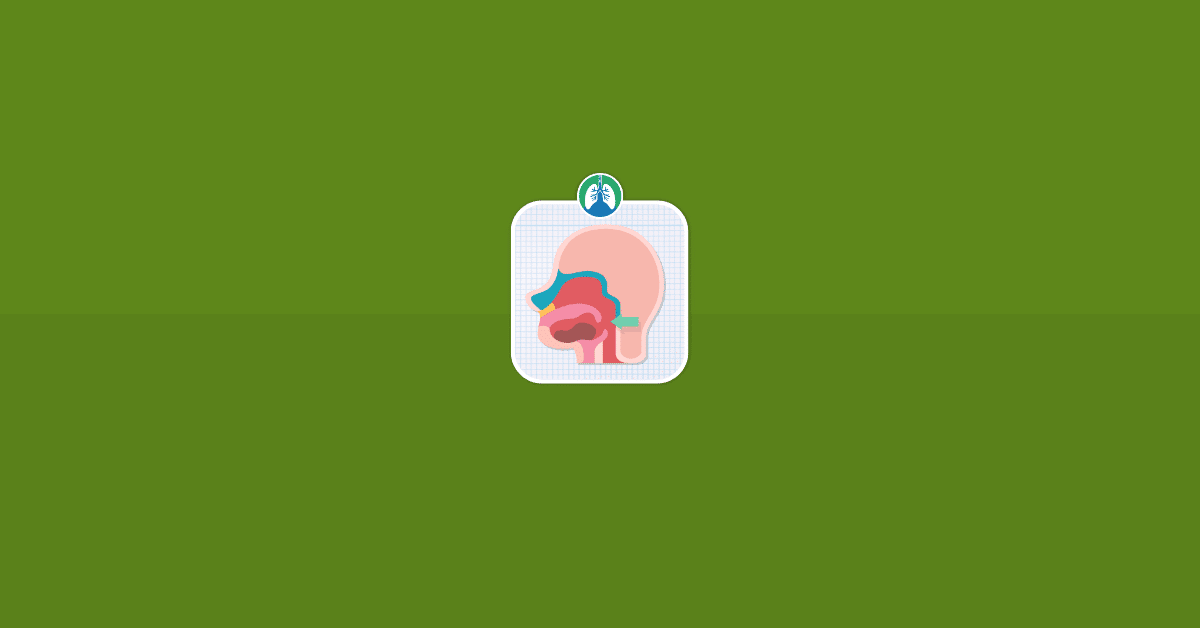
The laryngopharynx, also known as the hypopharynx, is the lowest portion of the pharynx and serves as a critical junction between the respiratory and digestive systems. Positioned below the oropharynx and above the esophagus and larynx, this structure plays a major role in directing air toward the lungs and food toward the stomach.
Because it is directly involved in airway protection, swallowing, and ventilation, the laryngopharynx holds significant clinical importance.
For respiratory therapists, understanding this region is essential for airway management, aspiration prevention, and maintaining effective respiratory function.

What Is the Laryngopharynx?
The laryngopharynx is the inferior portion of the pharynx that extends from the upper border of the epiglottis to the level where the respiratory and digestive tracts separate. It is located posterior to the larynx and connects the oropharynx above with the esophagus below.
Unlike the nasopharynx, which serves only as an air passage, and the oropharynx, which functions as a shared pathway for air and food, the laryngopharynx plays a key role in directing both airflow and swallowed material into their proper channels. During normal breathing, air passes through the laryngopharynx into the larynx and trachea. During swallowing, muscular contractions and structural movements guide food and liquids away from the airway and into the esophagus.
The laryngopharynx is lined with stratified squamous epithelium, which protects the tissue from abrasion and mechanical stress during swallowing.

Anatomical Structure and Boundaries
The laryngopharynx begins at the upper rim of the epiglottis and extends downward to the lower border of the cricoid cartilage, where it transitions into the esophagus. Anteriorly, it lies behind the larynx, while posteriorly it is bordered by the pharyngeal wall.
One of the most important anatomical features of the laryngopharynx is the presence of two recesses known as the piriform sinuses. These structures are located on either side of the laryngeal opening and help channel swallowed material toward the esophagus. The piriform sinuses also serve as important landmarks during airway procedures and endoscopic evaluations.
The laryngopharynx also contains muscles that contribute to swallowing and airway protection. These muscles coordinate with the epiglottis, vocal cords, and surrounding structures to ensure that food and liquids are directed into the digestive tract rather than entering the respiratory system.
Physiological Functions of the Laryngopharynx
The laryngopharynx performs several essential physiological functions that support breathing and swallowing.
Air Conduction
During normal respiration, the laryngopharynx acts as a passageway that directs air from the upper airway into the larynx and trachea. Maintaining patency in this region is crucial for effective ventilation and gas exchange.
Swallowing and Aspiration Prevention
One of the primary roles of the laryngopharynx is to help prevent aspiration. During swallowing, coordinated movements of the tongue, pharyngeal muscles, epiglottis, and vocal cords work together to close off the airway and guide food and liquids into the esophagus.
The piriform sinuses help direct swallowed material away from the laryngeal opening, reducing the risk of aspiration and airway obstruction.
Airway Protection
The laryngopharynx contributes to protective reflexes such as coughing and gagging. These reflexes help clear foreign materials from the airway and prevent respiratory complications.
Speech and Vocal Function Support
Although the laryngopharynx does not directly produce sound, it supports vocal function by guiding airflow toward the larynx, where sound production occurs.
Clinical Relevance to Respiratory Therapists
The laryngopharynx is highly relevant to respiratory therapists because of its direct involvement in airway management, ventilation, and aspiration prevention.
Airway Obstruction
Obstruction of the laryngopharynx can significantly impair breathing. Swelling, infection, tumors, or foreign bodies can block airflow and create life-threatening respiratory emergencies.
Respiratory therapists must recognize signs of upper airway obstruction, such as stridor, difficulty breathing, or changes in voice quality. Early identification allows prompt intervention and airway stabilization.
Intubation and Airway Procedures
The laryngopharynx serves as a critical pathway during endotracheal intubation. During this procedure, clinicians must navigate through the laryngopharynx to visualize the vocal cords and place an endotracheal tube into the trachea.
Understanding the anatomy of this region helps reduce complications such as improper tube placement, airway trauma, or accidental esophageal intubation.
Aspiration Risk Management
Patients with neurological disorders, sedation, or impaired swallowing function often have increased risk of aspiration. Because the laryngopharynx is responsible for directing swallowed material into the esophagus, dysfunction in this region can allow food or liquids to enter the airway.
Respiratory therapists play a key role in identifying aspiration risks, performing suctioning, and working with healthcare teams to develop airway protection strategies.
Oxygen and Ventilatory Support
The laryngopharynx allows airflow from oxygen delivery devices and ventilatory support systems to reach the lower airway. Structural abnormalities or obstruction in this region can reduce the effectiveness of respiratory therapies.
Laryngopharynx and Sleep-Disordered Breathing
The laryngopharynx is frequently involved in sleep-disordered breathing conditions such as obstructive sleep apnea (OSA). During sleep, reduced muscle tone can allow soft tissues within the laryngopharynx to collapse, obstructing airflow and causing intermittent breathing interruptions.
Respiratory therapists play an important role in diagnosing and managing OSA through sleep studies and therapeutic interventions such as continuous positive airway pressure (CPAP) therapy. Understanding laryngopharyngeal anatomy helps clinicians identify the source of airway obstruction and tailor treatment strategies.
Common Disorders Affecting the Laryngopharynx
Several medical conditions can affect the structure and function of the laryngopharynx.
Laryngopharyngeal Reflux
Laryngopharyngeal reflux occurs when stomach acid travels upward into the laryngopharynx, causing irritation, inflammation, and chronic cough. This condition can affect airway comfort and respiratory function.
Infections and Inflammation
Infections involving the laryngopharynx can cause swelling and airway narrowing. Severe infections may lead to respiratory distress and require emergency airway management.
Tumors and Structural Abnormalities
Tumors or structural abnormalities within the laryngopharynx can obstruct airflow and interfere with swallowing and speech. Early detection and treatment are essential to prevent serious complications.
Dysphagia
Difficulty swallowing often involves dysfunction of the laryngopharyngeal muscles. Dysphagia increases the risk of aspiration and respiratory complications, particularly in elderly or neurologically impaired patients.
Assessment and Diagnostic Considerations
Respiratory therapists and healthcare providers evaluate laryngopharyngeal function through physical examination, imaging studies, and patient history. Symptoms such as difficulty swallowing, chronic cough, voice changes, or breathing difficulty may indicate dysfunction in this region.
Diagnostic tools such as endoscopy, radiographic imaging, and swallowing evaluations help identify structural or functional abnormalities. Accurate assessment allows clinicians to develop effective treatment and airway management plans.
Importance in Airway Management and Emergency Care
The laryngopharynx plays a critical role in emergency airway management. Loss of muscle tone in unconscious or sedated patients can allow soft tissues to collapse and obstruct airflow. Additionally, foreign bodies or swelling in this region can create life-threatening airway emergencies.
Respiratory therapists use airway positioning techniques, suctioning, and advanced airway devices to maintain airway patency. Knowledge of laryngopharyngeal anatomy enables clinicians to perform airway interventions safely and effectively.
Laryngopharynx Practice Questions
1. What is the laryngopharynx?
The laryngopharynx, also called the hypopharynx, is the lowest portion of the pharynx that connects the oropharynx to the larynx and esophagus.
2. Where is the laryngopharynx located anatomically?
It extends from the upper border of the epiglottis to the level of the cricoid cartilage.
3. What is the primary function of the laryngopharynx?
It serves as a shared passageway for both air traveling to the larynx and food traveling to the esophagus.
4. How does the laryngopharynx contribute to airway protection?
It helps direct food and liquids away from the larynx during swallowing.
5. What happens to the laryngopharynx during swallowing?
Muscles contract to guide food into the esophagus while preventing entry into the airway.
6. Which structures border the laryngopharynx anteriorly?
The larynx and epiglottis form the anterior boundary.
7. Which structure lies posterior to the laryngopharynx?
The posterior pharyngeal wall lies behind the laryngopharynx.
8. How does the epiglottis assist laryngopharyngeal function?
It folds downward during swallowing to prevent aspiration into the airway.
9. Why is the laryngopharynx clinically important in airway management?
It is a critical transition zone where airway obstruction or aspiration can occur.
10. How can swelling of the laryngopharynx affect breathing?
Edema can narrow the airway and increase resistance to airflow.
11. What is aspiration and how does it relate to the laryngopharynx?
Aspiration occurs when food, liquids, or secretions enter the airway due to improper laryngopharyngeal closure.
12. Why are patients with neurologic disorders at increased risk for laryngopharyngeal dysfunction?
Neurologic impairment can disrupt swallowing coordination and airway protection.
13. How does decreased muscle tone affect the laryngopharynx?
Relaxation of muscles can allow tissue collapse and airway obstruction.
14. Why is the laryngopharynx vulnerable during unconsciousness?
Protective reflexes that prevent aspiration are reduced or absent.
15. What is the role of the laryngopharynx during speech?
It helps regulate airflow and resonance during vocalization.
16. How can infection of the laryngopharynx compromise airway patency?
Inflammation and swelling may narrow or obstruct airflow.
17. Why is laryngopharyngeal anatomy important during intubation?
Understanding this region helps clinicians guide airway devices safely into the trachea.
18. How does trauma to the neck affect the laryngopharynx?
Injury may cause swelling, bleeding, or structural damage leading to airway obstruction.
19. What is dysphagia and how does it relate to the laryngopharynx?
Dysphagia is difficulty swallowing, often caused by impaired laryngopharyngeal muscle coordination.
20. Why is suctioning sometimes necessary in the laryngopharynx?
It removes secretions or debris that may obstruct the airway.
21. How does gastroesophageal reflux affect the laryngopharynx?
Acid exposure can cause irritation, inflammation, and chronic tissue damage.
22. Why is the laryngopharynx considered part of the upper airway?
It lies above the larynx and contributes to air conduction.
23. How can tumors in the laryngopharynx affect respiration?
Masses can obstruct airflow and interfere with swallowing.
24. What clinical symptoms suggest laryngopharyngeal obstruction?
Stridor, dysphagia, hoarseness, and respiratory distress.
25. How does laryngopharyngeal edema affect work of breathing?
Swelling increases airflow resistance and requires greater respiratory effort.
26. Why is positioning important in maintaining laryngopharyngeal airway patency?
Proper head and neck alignment helps prevent soft tissue collapse.
27. How does foreign body obstruction occur in the laryngopharynx?
Objects can lodge in the airway and block airflow to the lungs.
28. Why is early recognition of laryngopharyngeal obstruction critical?
Delayed treatment can lead to complete airway blockage and respiratory failure.
29. How do airway adjuncts help maintain laryngopharyngeal patency?
They prevent soft tissues from collapsing into the airway.
30. Why is the laryngopharynx examined during airway assessment?
Visual inspection helps identify swelling, obstruction, or structural abnormalities.
31. How can allergic reactions affect the laryngopharynx?
Severe allergic responses can cause rapid swelling and airway compromise.
32. Why are burns to the airway dangerous at the laryngopharyngeal level?
Thermal injury can cause delayed swelling and airway obstruction.
33. How does laryngopharyngeal dysfunction increase aspiration risk in critical care patients?
Impaired swallowing reflexes allow secretions and gastric contents to enter the airway.
34. What role does the laryngopharynx play in separating the respiratory and digestive tracts?
It directs air toward the larynx and trachea while guiding food and liquids toward the esophagus.
35. How does swelling of the laryngopharynx affect airway resistance?
Swelling narrows the airway lumen, increasing resistance and making breathing more difficult.
36. Why is the laryngopharynx important during coughing?
It helps coordinate airflow and pressure changes necessary to expel irritants from the airway.
37. How can laryngopharyngeal inflammation affect voice quality?
Inflammation may alter airflow and laryngeal vibration, leading to hoarseness or voice changes.
38. Why are patients with stroke at increased risk for laryngopharyngeal aspiration?
Neurologic impairment can disrupt swallowing coordination and airway protective reflexes.
39. How does the laryngopharynx contribute to the gag reflex?
Sensory receptors detect foreign material and trigger protective reflex responses.
40. Why is the laryngopharynx evaluated during swallowing studies?
It helps clinicians determine whether food or liquids are entering the airway.
41. How can obstructive sleep apnea involve the laryngopharynx?
Soft tissue collapse in this region during sleep can block airflow.
42. Why is laryngopharyngeal patency important during anesthesia?
Loss of muscle tone can cause airway obstruction if this region collapses.
43. How can excessive secretions affect the laryngopharynx?
Accumulated secretions can obstruct airflow and increase aspiration risk.
44. Why is the laryngopharynx susceptible to trauma from airway instrumentation?
Medical devices can irritate or damage mucosal tissue during insertion.
45. How does laryngopharyngeal muscle coordination support safe swallowing?
It synchronizes closure of the airway while directing food into the esophagus.
46. Why is swelling in the laryngopharynx considered a medical emergency?
Rapid airway obstruction can develop and compromise ventilation.
47. How can bacterial infections affect the laryngopharynx?
Infections can cause inflammation, swelling, pain, and airway narrowing.
48. Why is visualization of the laryngopharynx important during intubation?
It helps guide airway devices into the correct anatomical pathway.
49. How does laryngopharyngeal obstruction contribute to stridor?
Airflow through a narrowed airway creates high-pitched breathing sounds.
50. Why may laryngopharyngeal swelling cause difficulty swallowing?
Edema interferes with normal movement of tissues during swallowing.
51. How can laryngopharyngeal tumors affect respiratory function?
Mass lesions may obstruct airflow or interfere with swallowing mechanisms.
52. Why is the laryngopharynx examined in patients with chronic cough?
Irritation or reflux-related inflammation may contribute to symptoms.
53. How can dehydration affect laryngopharyngeal tissue health?
Dry mucosa increases susceptibility to irritation and infection.
54. Why is airway suctioning sometimes necessary in laryngopharyngeal obstruction?
It removes secretions that may block airflow or increase aspiration risk.
55. How does laryngopharyngeal swelling affect ventilator management?
Airway narrowing may increase airway pressures and reduce ventilation efficiency.
56. Why is the laryngopharynx considered a high-risk area for aspiration?
It lies at the intersection of the airway and digestive tract.
57. How can chemical inhalation injuries affect the laryngopharynx?
Exposure to irritants can cause inflammation, edema, and airway obstruction.
58. Why is patient positioning important when laryngopharyngeal obstruction is suspected?
Upright positioning can improve airflow and reduce airway collapse.
59. How does aging affect laryngopharyngeal swallowing function?
Reduced muscle strength and coordination increase aspiration risk.
60. Why may laryngopharyngeal edema occur after prolonged intubation?
Mechanical irritation can cause inflammation and swelling.
61. How does laryngopharyngeal dysfunction contribute to ventilator-associated complications?
Impaired airway protection increases the risk of aspiration pneumonia.
62. Why is monitoring airway sounds important in laryngopharyngeal obstruction?
Abnormal sounds may indicate partial airway blockage.
63. How can allergic airway reactions involve the laryngopharynx?
Histamine release can cause tissue swelling and airway narrowing.
64. Why is early treatment of laryngopharyngeal infections important?
Prompt treatment reduces airway obstruction and prevents complications.
65. How can laryngopharyngeal injuries affect nutritional intake?
Pain or swallowing difficulty may limit oral intake.
66. Why is the laryngopharynx important in airway clearance techniques?
Effective secretion clearance helps maintain airway patency.
67. How does laryngopharyngeal muscle weakness affect airway protection?
Weak muscles impair closure of the airway during swallowing, increasing aspiration risk.
68. What anatomical structures mark the superior and inferior boundaries of the laryngopharynx?
The superior boundary is the epiglottis, and the inferior boundary is the entrance to the esophagus.
69. Why is the laryngopharynx considered a shared pathway?
It serves as a common passageway for both air and swallowed food or liquids.
70. How does impaired sensation in the laryngopharynx affect patient safety?
Reduced sensation can delay protective reflexes and increase aspiration risk.
71. Why is the laryngopharynx a focus during rapid sequence intubation?
It must remain patent to allow unobstructed passage of the endotracheal tube.
72. How does inflammation in the laryngopharynx alter breathing patterns?
Inflammation increases airway resistance, leading to increased work of breathing.
73. Why can gastroesophageal reflux disease affect the laryngopharynx?
Acid reflux can reach this region and cause irritation known as laryngopharyngeal reflux.
74. How does laryngopharyngeal reflux differ from typical GERD?
It often presents with throat symptoms rather than heartburn.
75. Why is the laryngopharynx vulnerable during unconsciousness?
Loss of muscle tone allows soft tissues to collapse and obstruct the airway.
76. How does edema in the laryngopharynx affect oxygen delivery?
Airflow limitation reduces effective ventilation and oxygenation.
77. Why is laryngopharyngeal assessment important after extubation?
Swelling or injury can compromise the airway and cause post-extubation stridor.
78. How can trauma to the neck affect the laryngopharynx?
Direct injury may cause swelling, bleeding, or airway obstruction.
79. Why are corticosteroids sometimes used for laryngopharyngeal swelling?
They reduce inflammation and help prevent airway compromise.
80. How does laryngopharyngeal anatomy influence airway device selection?
Device size and shape must accommodate the airway without causing trauma.
81. Why is the laryngopharynx involved in choking episodes?
Foreign material may lodge at this level, blocking airflow.
82. How does impaired laryngopharyngeal coordination affect speech?
Disruption of airflow and laryngeal control alters voice production.
83. Why is coughing an important protective response at the laryngopharyngeal level?
It helps expel material that threatens to enter the lower airway.
84. How can neuromuscular diseases affect the laryngopharynx?
They weaken muscles needed for swallowing and airway protection.
85. Why is suctioning sometimes required at the laryngopharyngeal level?
To remove secretions that could obstruct airflow or be aspirated.
86. How does laryngopharyngeal narrowing affect inspiratory flow?
It limits airflow and may cause stridor or labored breathing.
87. Why can infections of the laryngopharynx cause fever and systemic symptoms?
Local infection can trigger a broader inflammatory response.
88. How does laryngopharyngeal dysfunction contribute to aspiration pneumonia?
Poor airway protection allows food or secretions to enter the lungs.
89. Why is visualization of the laryngopharynx useful during bronchoscopy?
It helps confirm proper scope placement and identify abnormalities.
90. How can laryngopharyngeal irritation lead to chronic throat clearing?
Persistent sensory stimulation triggers repeated clearing reflexes.
91. Why is the laryngopharynx monitored in patients with facial burns?
Edema can progress rapidly and obstruct the airway.
92. How does swelling in the laryngopharynx affect peak inspiratory flow?
Airway narrowing reduces maximal airflow rates.
93. Why is early airway intervention important with laryngopharyngeal edema?
Delayed treatment can lead to sudden airway closure.
94. How can smoking affect laryngopharyngeal tissue?
Chronic irritation increases inflammation and cancer risk.
95. Why does laryngopharyngeal obstruction often worsen in the supine position?
Gravity promotes posterior tissue collapse.
96. How does effective pain control support laryngopharyngeal function?
Reduced pain improves swallowing and airway coordination.
97. Why is the laryngopharynx evaluated in patients with unexplained dyspnea?
Upper airway obstruction may mimic lower airway disease.
98. How can allergic reactions rapidly affect the laryngopharynx?
Histamine-mediated edema can cause sudden airway narrowing.
99. Why is the laryngopharynx critical during emergency airway maneuvers?
Its patency determines whether ventilation and intubation are possible.
100. How does proper hydration support laryngopharyngeal airway health?
Adequate moisture maintains mucosal integrity and clearance.
Final Thoughts
The laryngopharynx is a vital anatomical structure that connects the upper airway with both the respiratory and digestive systems. Its role in directing airflow, preventing aspiration, and supporting airway protection makes it essential for maintaining respiratory health.
For respiratory therapists, understanding the anatomy and function of the laryngopharynx is critical for airway management, ventilatory support, and patient safety. Recognizing disorders that affect this region allows healthcare providers to implement early interventions and reduce complications.
By supporting safe swallowing, effective ventilation, and airway protection, the laryngopharynx plays a crucial role in overall respiratory care and patient well-being.

Written by:
John Landry is a registered respiratory therapist from Memphis, TN, and has a bachelor's degree in kinesiology. He enjoys using evidence-based research to help others breathe easier and live a healthier life.
References
- Bruss DM, Sajjad H. Anatomy, Head and Neck: Laryngopharynx. [Updated 2023 May 8]. In: StatPearls [Internet]. Treasure Island (FL): StatPearls Publishing; 2025.