
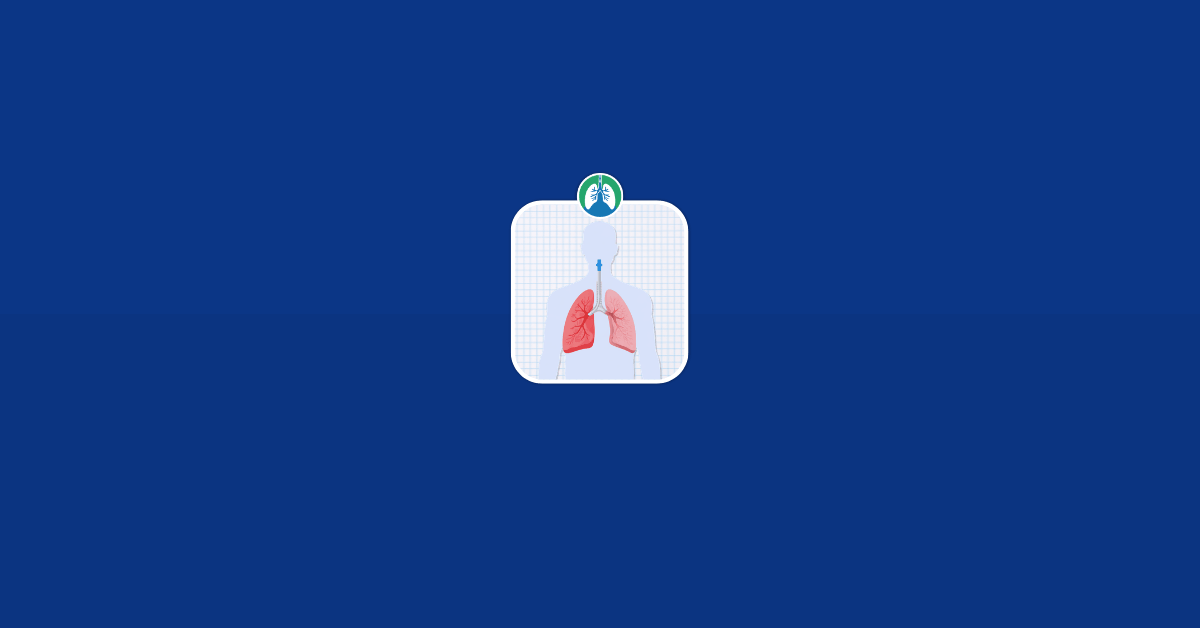
Right mainstem intubation is a common complication of endotracheal intubation in critically ill patients. It occurs when the endotracheal tube advances beyond the carina into the right main bronchus, resulting in ventilation of only the right lung.
This leads to collapse of the left lung and significant ventilation-perfusion mismatch. Early recognition is essential because delayed correction can contribute to hypoxemia, lung injury, and hemodynamic instability.
Understanding the anatomy, clinical presentation, and diagnostic approach allows clinicians to rapidly identify and correct this problem in both emergency and intensive care settings.

Anatomical Basis of Right Mainstem Intubation
The tendency for an endotracheal tube to enter the right main bronchus is primarily explained by airway anatomy. The trachea bifurcates at the carina into the right and left main bronchi, but these two structures differ in several important ways.
The right main bronchus is wider, shorter, and more vertical than the left. In contrast, the left main bronchus is narrower, longer, and angles more sharply away from the trachea. Because of this orientation, any tube advanced too far past the carina will preferentially enter the right side.
In adults, the carina is typically located at the level of the fifth thoracic vertebra. Proper positioning of the endotracheal tube tip is usually 3 to 5 cm above the carina. When the tube is inserted beyond this point, especially in situations where neck position changes or excessive insertion depth occurs, right mainstem intubation becomes likely.

Pathophysiology
Right mainstem intubation creates a cascade of physiologic changes that affect both lungs and overall gas exchange.
Unilateral Ventilation
Only the right lung receives ventilation, while the left lung becomes underventilated or completely unventilated. This leads to rapid development of atelectasis in the left lung due to absorption of trapped gas.
Atelectasis Formation
Without ventilation, alveoli in the left lung collapse. This is associated with:
- Reduced lung volume on the affected side
- Increased intrapulmonary shunting
- Impaired oxygenation
Note: These findings are consistent with classic physical exam features such as absent breath sounds and dullness to percussion on the affected side.
Ventilation-Perfusion Mismatch
Blood continues to flow through the left lung despite lack of ventilation. This creates a right-to-left shunt, where deoxygenated blood returns to systemic circulation without participating in gas exchange. The result is hypoxemia that may not fully respond to supplemental oxygen.
Overdistension of the Right Lung
The right lung receives the full tidal volume delivered by the ventilator. This can lead to:
- Increased alveolar pressure
- Risk of volutrauma
- Increased peak airway pressures
Note: If not corrected, this imbalance can contribute to ventilator-induced lung injury.
Causes and Risk Factors
Right mainstem intubation is most often related to technical factors during intubation, but several clinical variables increase the likelihood of this complication.
Excessive Tube Insertion Depth
The most common cause is advancing the endotracheal tube too far into the trachea. Standard insertion depths are typically:
- 21 cm at the teeth for adult females
- 23 cm at the teeth for adult males
Note: These are general guidelines and may not apply to all patients.
Patient Positioning
Changes in head and neck position can significantly alter tube placement. Neck flexion can advance the tube deeper into the airway, increasing the risk of right mainstem intubation. Neck extension can withdraw the tube slightly.
Short Stature or Small Airway Anatomy
Patients with shorter tracheal lengths are more susceptible to unintentional mainstem intubation, even when standard insertion depths are used.
Emergency Intubation Settings
In urgent or chaotic environments, precise measurement of tube depth may be overlooked. Rapid placement increases the likelihood of advancing the tube too far.
Transport and Movement
After initial placement, patient movement during transport or repositioning can cause the tube to migrate into the right main bronchus.
Clinical Presentation
Recognition of right mainstem intubation relies heavily on bedside assessment. The presentation often follows a recognizable pattern.
Physical Examination Findings
Key findings include:
- Absent or diminished breath sounds on the left side
- Normal or increased breath sounds on the right side
- Dullness to percussion over the left lung
- Tracheal deviation toward the left side in cases of atelectasis
Note: These findings reflect volume loss rather than air trapping.
Ventilator Changes
Clinicians may observe:
- Increased peak inspiratory pressures
- Decreased lung compliance
- Possible alarms related to pressure or volume
Note: Because only one lung is ventilated, the mechanical load on that lung increases.
Gas Exchange Abnormalities
Patients may develop:
- Hypoxemia
- Increased oxygen requirements
- Worsening arterial blood gas values
Note: The degree of hypoxemia depends on the extent of shunting and underlying lung function.
Differential Diagnosis
Several conditions can mimic the presentation of right mainstem intubation. Distinguishing between them is essential for appropriate management.
Tension Pneumothorax
- Absent breath sounds on one side
- Hyperresonance on percussion
- Tracheal deviation away from the affected side
Note: This differs from atelectasis, where percussion is dull and the trachea shifts toward the affected side.
Mucus Plugging
Obstruction of a main bronchus by secretions can also cause unilateral breath sounds and lung collapse. This is more common in patients with excessive secretions or inadequate airway clearance.
Pleural Effusion
Fluid accumulation can produce dullness to percussion and decreased breath sounds, but the onset is usually more gradual and not directly related to intubation.
Bronchospasm
Typically presents with bilateral wheezing rather than unilateral findings.
Diagnostic Evaluation
Accurate diagnosis requires a combination of clinical assessment and confirmatory testing.
Auscultation
Listening to breath sounds remains the first and most immediate step. Unequal breath sounds should always prompt suspicion of improper tube placement.
Chest Radiography
Chest X-ray is the standard method for confirming tube position. The ideal placement is:
- Tip located 3 to 5 cm above the carina
- Tube centered within the trachea
Note: In right mainstem intubation, the tube tip is visualized within the right bronchus, often accompanied by left lung collapse.
Capnography
End tidal carbon dioxide monitoring confirms tracheal placement but does not distinguish between correct tracheal positioning and mainstem intubation.
Fiberoptic Bronchoscopy
Direct visualization can confirm tube position and identify associated complications such as mucus plugging.
Immediate Management
Prompt correction is necessary once right mainstem intubation is suspected.
Tube Withdrawal
The primary intervention is to withdraw the endotracheal tube slightly, usually by 1 to 3 cm, while reassessing breath sounds.
Reassessment
After adjustment:
- Bilateral breath sounds should be confirmed
- Symmetry of chest expansion should be evaluated
- Ventilator parameters should be reassessed
Repeat Imaging
A follow up chest X ray is often performed to confirm correct positioning.
Complications
Right mainstem intubation can lead to several complications if not identified and corrected promptly. These complications arise from both under-ventilation of one lung and over-ventilation of the other.
Hypoxemia
The most immediate and clinically significant complication is hypoxemia. As discussed previously, the left lung becomes a source of intrapulmonary shunting. Blood flowing through nonventilated alveoli does not participate in gas exchange, which reduces arterial oxygen levels. In patients with preexisting lung disease, this effect can be severe and rapid.
Atelectasis Progression
Prolonged lack of ventilation to the left lung results in worsening atelectasis. This can lead to:
- Increased work of breathing after extubation
- Impaired secretion clearance
- Increased risk of infection
Note: If unresolved, atelectasis can become more difficult to reverse.
Ventilator-Induced Lung Injury
The right lung receives the full tidal volume delivered by the ventilator. This can result in excessive alveolar stretch, particularly when high tidal volumes or pressures are used. Consequences include:
- Volutrauma
- Barotrauma
- Biotrauma from inflammatory mediator release
Note: These effects contribute to acute lung injury and may worsen outcomes.
Hemodynamic Effects
Changes in intrathoracic pressure due to uneven ventilation can affect venous return and cardiac output. Increased pressure in the right lung may reduce venous return to the heart, leading to decreased cardiac output and hypotension in some patients.
Delayed Weaning
Patients who experience prolonged unilateral ventilation may have delayed recovery of lung function. This can complicate attempts to wean from mechanical ventilation, particularly if atelectasis persists or secondary complications develop.
Prevention Strategies
Preventing right mainstem intubation is a key component of safe airway management. Several strategies can reduce the likelihood of this complication.
Proper Tube Depth Assessment
Initial placement should follow general guidelines, but individual patient factors must be considered. After insertion:
- Confirm depth at the teeth or gums
- Adjust based on patient height and anatomy
Note: Depth markers on the tube provide a useful reference, but should not be relied upon exclusively.
Auscultation Immediately After Intubation
Bilateral breath sounds should be assessed as soon as the tube is placed. Equal air entry on both sides suggests correct positioning, while asymmetry should prompt immediate reassessment.
Use of Capnography
Continuous end tidal carbon dioxide monitoring confirms tracheal placement and helps detect dislodgement. Although it does not identify mainstem intubation, it ensures that the tube is not in the esophagus.
Chest Radiography Confirmation
A chest X ray should be obtained after intubation in most clinical settings. This confirms the position of the tube relative to the carina and identifies complications such as atelectasis or pneumothorax.
Monitoring During Patient Movement
Special attention should be given during:
- Transport
- Repositioning
- Procedures involving head and neck movement
Note: Rechecking tube position after any movement is essential.
Securing the Endotracheal Tube
Proper fixation of the tube reduces the risk of migration. Commercial tube holders or secure taping techniques can help maintain stable positioning.
Ventilator Considerations
Right mainstem intubation has direct implications for ventilator management and monitoring.
Changes in Measured Parameters
Clinicians may observe:
- Increased peak inspiratory pressure
- Reduced dynamic compliance
- Changes in delivered tidal volume distribution
Note: These changes reflect the mechanical stress placed on a single lung.
Alarm Recognition
Ventilator alarms may provide early clues. High pressure alarms can indicate overdistension of the ventilated lung, while low volume alarms may occur if lung mechanics change significantly.
Adjustments After Correction
Once the tube is repositioned:
- Ventilator settings should be reassessed
- Tidal volume may need adjustment based on improved compliance
- Oxygen requirements may decrease as ventilation becomes more balanced
Special Clinical Situations
Certain patient populations require additional consideration when evaluating for right mainstem intubation.
Pediatric Patients
Children have shorter tracheas, which increases the risk of unintentional mainstem intubation. Small changes in tube position can have significant effects. Careful attention to insertion depth and frequent reassessment are necessary.
Patients with Obesity
Altered anatomy and difficulty in visualizing landmarks can complicate tube placement. Increased chest wall mass may also make auscultation more challenging.
Patients with Lung Disease
Individuals with chronic obstructive pulmonary disease, pneumonia, or acute respiratory distress syndrome may have uneven lung compliance. This can obscure clinical signs and make diagnosis more difficult.
Surgical Settings
During procedures involving the head, neck, or thorax, tube position may shift. Continuous monitoring and periodic reassessment are required.
Clinical Assessment and Decision Making
Right mainstem intubation is often identified through a combination of clinical reasoning and systematic assessment.
Pattern Recognition
Clinicians should recognize the characteristic pattern:
- Unilateral absent breath sounds
- Dull percussion
- Tracheal shift toward the affected side
Note: This pattern indicates volume loss rather than air trapping.
Integration of Data
Effective diagnosis requires integrating:
- Physical examination findings
- Ventilator data
- Imaging results
Note: No single piece of information is sufficient in isolation.
Timely Intervention
Once suspected, action should be immediate. Delays increase the risk of complications and worsen patient outcomes.
Quality and Safety Considerations
Right mainstem intubation is considered a preventable complication in many cases. Incorporating safety practices can reduce its occurrence.
- Standardized Protocols: Using checklists during intubation can ensure that key steps are not overlooked, including confirmation of tube position.
- Education and Training: Regular training in airway management improves clinician skill and reduces technical errors. Simulation-based training can be particularly effective.
- Documentation: Recording tube depth, confirmation methods, and reassessment findings supports continuity of care and helps identify trends.
Right Mainstem Intubation Practice Questions
1. What is right mainstem intubation?
A complication in which the endotracheal tube is advanced into the right main bronchus instead of remaining in the trachea.
2. Why is right mainstem intubation more common than left?
Because the right main bronchus is wider, shorter, and more vertically aligned with the trachea.
3. What happens to the left lung during right mainstem intubation?
It becomes under-ventilated or unventilated, which can lead to atelectasis.
4. What is the primary gas exchange consequence of right mainstem intubation?
Ventilation-perfusion mismatch resulting in hypoxemia.
5. What breath sound finding suggests right mainstem intubation?
Absent or significantly diminished breath sounds on the left side.
6. What percussion finding is expected over the non-ventilated lung?
Dullness due to lung collapse.
7. In which direction does the trachea shift with atelectasis?
Toward the affected side.
8. What is the most common cause of right mainstem intubation?
Advancing the endotracheal tube too far during insertion.
9. What is a typical insertion depth for an adult male endotracheal tube?
Approximately 23 cm at the teeth.
10. What is a typical insertion depth for an adult female endotracheal tube?
Approximately 21 cm at the teeth.
11. How does neck flexion affect endotracheal tube position?
It advances the tube deeper into the airway.
12. How does neck extension affect endotracheal tube position?
It withdraws the tube slightly.
13. What ventilator change may indicate right mainstem intubation?
An increase in peak inspiratory pressure.
14. Why does peak inspiratory pressure increase in this condition?
Because only one lung is ventilated, increasing airway resistance.
15. What type of lung injury can occur in the ventilated lung?
Barotrauma or volutrauma due to overdistension.
16. What is atelectasis?
Collapse of alveoli leading to reduced or absent gas exchange.
17. What imaging study is used to confirm tube placement?
A chest X-ray.
18. Where should the endotracheal tube tip ideally be positioned?
Approximately 3 to 5 cm above the carina.
19. What does capnography confirm after intubation?
That the tube is in the airway and not the esophagus.
20. Why can capnography not detect right mainstem intubation?
Because carbon dioxide is still present when the tube is in a main bronchus.
21. What is the immediate treatment for right mainstem intubation?
Withdraw the endotracheal tube slightly.
22. How much should the tube typically be withdrawn?
Approximately 1 to 3 cm.
23. What should be reassessed after repositioning the tube?
Bilateral breath sounds and chest expansion.
24. What condition can mimic right mainstem intubation on exam?
Tension pneumothorax
25. What percussion finding helps distinguish pneumothorax from atelectasis?
Hyperresonance in pneumothorax versus dullness in atelectasis.
26. What happens to oxygenation during right mainstem intubation?
Oxygen levels decrease, leading to hypoxemia.
27. What type of shunt occurs in the non-ventilated lung?
A right-to-left intrapulmonary shunt.
28. Why does perfusion continue to the affected lung?
Because blood flow is not immediately redirected despite lack of ventilation.
29. How can prolonged right mainstem intubation affect patient outcomes?
It can delay weaning and prolong mechanical ventilation.
30. Which patient population is at increased risk for this complication?
Pediatric patients due to shorter tracheal length.
31. What anatomical landmark marks the division between the trachea and the main bronchi?
The carina.
32. At what vertebral level is the carina typically located in adults?
Approximately at the level of the fifth thoracic vertebra (T5).
33. How does right mainstem intubation affect overall lung compliance?
It decreases because only one lung is being ventilated.
34. Why does the ventilated lung receive excessive tidal volume?
Because the entire delivered volume is directed into a single lung.
35. What is barotrauma?
Lung injury caused by excessive airway pressure.
36. What is volutrauma?
Lung injury caused by excessive tidal volume leading to overdistension.
37. What bedside sign may indicate unequal ventilation besides auscultation findings?
Asymmetrical chest rise.
38. How can right mainstem intubation affect carbon dioxide elimination?
It may impair CO₂ removal due to reduced effective alveolar ventilation.
39. What is a potential consequence of untreated hypoxemia?
Tissue hypoxia leading to organ dysfunction.
40. What type of airway device is involved in right mainstem intubation?
An endotracheal tube.
41. What is the primary function of an endotracheal tube?
To maintain airway patency and deliver mechanical ventilation.
42. How can patient movement or transport affect endotracheal tube position?
It can cause the tube to migrate deeper into the airway.
43. What is the risk of failing to reassess tube placement after repositioning a patient?
Unrecognized tube malposition, such as right mainstem intubation.
44. Which lung remains ventilated during right mainstem intubation?
The right lung.
45. How does right mainstem intubation affect oxygen delivery to tissues?
It decreases due to impaired gas exchange.
46. What is the role of auscultation in detecting tube misplacement?
It helps identify unequal or absent breath sounds between the lungs.
47. What complication can result from prolonged collapse of the left lung?
An increased risk of infection, such as pneumonia.
48. What type of mismatch occurs between ventilation and perfusion in this condition?
Ventilation-perfusion mismatch.
49. What is a shunt in the context of pulmonary physiology?
Blood that passes through the lungs without being oxygenated.
50. What is one clinical sign of worsening respiratory status in a ventilated patient?
An increasing requirement for supplemental oxygen.
51. Why is securing the endotracheal tube important?
To prevent displacement and accidental malposition.
52. What tool can directly visualize endotracheal tube placement?
A fiberoptic bronchoscope.
53. What chest X-ray finding may indicate left lung collapse?
Increased opacity on the affected side.
54. What happens to lung volume on the affected side during mainstem intubation?
It decreases due to collapse.
55. What happens to alveoli in the non-ventilated lung?
They collapse due to lack of ventilation.
56. What is a key difference between atelectasis and pneumothorax on physical exam?
Atelectasis causes dullness, while pneumothorax causes hyperresonance.
57. Why is early detection of right mainstem intubation important?
To prevent hypoxemia and lung injury.
58. What is the role of respiratory therapy in managing this complication?
To assess, identify, and correct improper tube placement.
59. What can occur if right mainstem intubation is not corrected promptly?
Worsening oxygenation and lung injury.
60. How can right mainstem intubation affect arterial blood gases?
It may cause decreased PaO₂ and possible CO₂ retention.
61. How can unequal ventilation impact breathing after extubation?
It may increase the work of breathing due to impaired lung recovery.
62. What does the presence of equal bilateral breath sounds suggest?
Proper endotracheal tube placement.
63. What type of clinical reasoning is required to identify right mainstem intubation?
Integration of physical exam findings, ventilator data, and clinical context.
64. What happens to the left lung’s contribution to gas exchange during right mainstem intubation?
It becomes minimal or absent due to lack of ventilation.
65. How does right mainstem intubation affect oxygen saturation readings?
They typically decrease due to impaired oxygenation.
66. What is a common early ventilator sign of right mainstem intubation?
A sudden increase in peak airway pressure.
67. Why is the right lung more prone to overdistension in this condition?
Because it receives the full ventilator-delivered tidal volume.
68. What anatomical feature of the right bronchus increases the risk of mainstem intubation?
Its wider diameter and more vertical alignment with the trachea.
69. What happens to functional residual capacity in the non-ventilated lung?
It decreases due to alveolar collapse.
70. How does gravity affect perfusion in the non-ventilated lung?
Perfusion continues despite the absence of ventilation.
71. What is the result of continued perfusion without ventilation?
Formation of a right-to-left intrapulmonary shunt.
72. What bedside method helps assess chest wall movement?
Visual inspection of chest rise.
73. What should be reassessed immediately after adjusting the endotracheal tube?
Symmetry of breath sounds and chest expansion.
74. What does persistent unilateral chest movement indicate?
Possible endotracheal tube malposition.
75. How is overall alveolar ventilation affected in right mainstem intubation?
It is reduced because only one lung is ventilated.
76. What can happen to PaCO₂ levels if ventilation is inadequate?
They may increase, resulting in hypercapnia.
77. What is a potential ICU complication of prolonged atelectasis?
Ventilator-associated pneumonia.
78. How does right mainstem intubation affect lung recruitment?
It prevents adequate recruitment of the non-ventilated lung.
79. What monitoring tool provides continuous assessment of oxygenation?
Pulse oximetry
80. What does a sudden drop in oxygen saturation in an intubated patient suggest?
Possible tube displacement or another airway complication.
81. Why is marking the tube depth at the teeth or lips important?
It allows for monitoring of tube position over time.
82. What does a change in tube depth marking indicate?
Possible tube migration.
83. What is the role of the respiratory therapist during intubation?
To assist with airway management and verify correct tube placement.
84. How can sedation impact detection of right mainstem intubation?
It may mask signs of distress and delay recognition.
85. What is the limitation of visual confirmation during intubation?
It does not guarantee correct depth or positioning within the trachea.
86. What distinguishes bilateral ventilation from unilateral ventilation?
Bilateral ventilation distributes air to both lungs, while unilateral ventilation affects only one lung.
87. How does airway resistance change when only one lung is ventilated?
It effectively increases due to reduced available lung volume.
88. How is tidal volume distributed during right mainstem intubation?
It is delivered almost entirely to one lung.
89. What indicates successful correction of right mainstem intubation?
Return of equal bilateral breath sounds and chest expansion.
90. What is the purpose of a repeat chest X-ray after tube repositioning?
To confirm proper endotracheal tube placement.
91. In which clinical situation is the risk of right mainstem intubation higher?
During emergency or rapid intubation.
92. What does decreased chest expansion on one side suggest?
Reduced or absent ventilation to that lung.
93. Why is maintaining proper endotracheal tube positioning essential?
To ensure effective, safe, and balanced ventilation.
94. What can occur if left lung collapse persists over time?
It may become more difficult to re-expand and recover function.
95. What is the role of ongoing lung auscultation in ventilated patients?
To continuously assess ventilation distribution and detect changes.
96. How does unilateral ventilation affect oxygen delivery to tissues?
It reduces overall oxygen delivery due to impaired gas exchange.
97. What is the most reliable bedside method to initially suspect right mainstem intubation?
Unequal or absent breath sounds on auscultation, especially on the left side.
98. What change in end-tidal CO₂ may occur with right mainstem intubation?
It may decrease due to reduced effective alveolar ventilation.
99. What is the significance of unequal lung inflation observed during manual ventilation?
It suggests possible tube malposition, such as right mainstem intubation.
100. What should be done if right mainstem intubation is suspected during bag-mask ventilation?
Withdraw the endotracheal tube slightly and reassess breath sounds immediately.
Final Thoughts
Right mainstem intubation is a frequent and clinically significant complication of airway management. It results from predictable anatomical factors and is often related to excessive insertion depth or tube migration.
The condition leads to unilateral ventilation, atelectasis, and impaired oxygenation, with potential for further complications if not corrected. Recognition depends on careful clinical assessment, supported by imaging when needed.
Prevention relies on proper technique, verification of tube placement, and ongoing monitoring. Prompt identification and correction are essential to minimize harm and ensure effective mechanical ventilation in critically ill patients.

Written by:
John Landry is a registered respiratory therapist from Memphis, TN, and has a bachelor's degree in kinesiology. He enjoys using evidence-based research to help others breathe easier and live a healthier life.
References
- Alvarado AC, Panakos P. Endotracheal Intubation Techniques. [Updated 2023 Jul 10]. In: StatPearls [Internet]. Treasure Island (FL): StatPearls Publishing; 2026.