Learn about acute bronchitis, including causes, symptoms, treatment, and why it is important in respiratory care and clinical practice.


Learn about acute bronchitis, including causes, symptoms, treatment, and why it is important in respiratory care and clinical practice.

Learn whether the lungs are a muscle, how they function in breathing, and which muscles actually control airflow in the body.
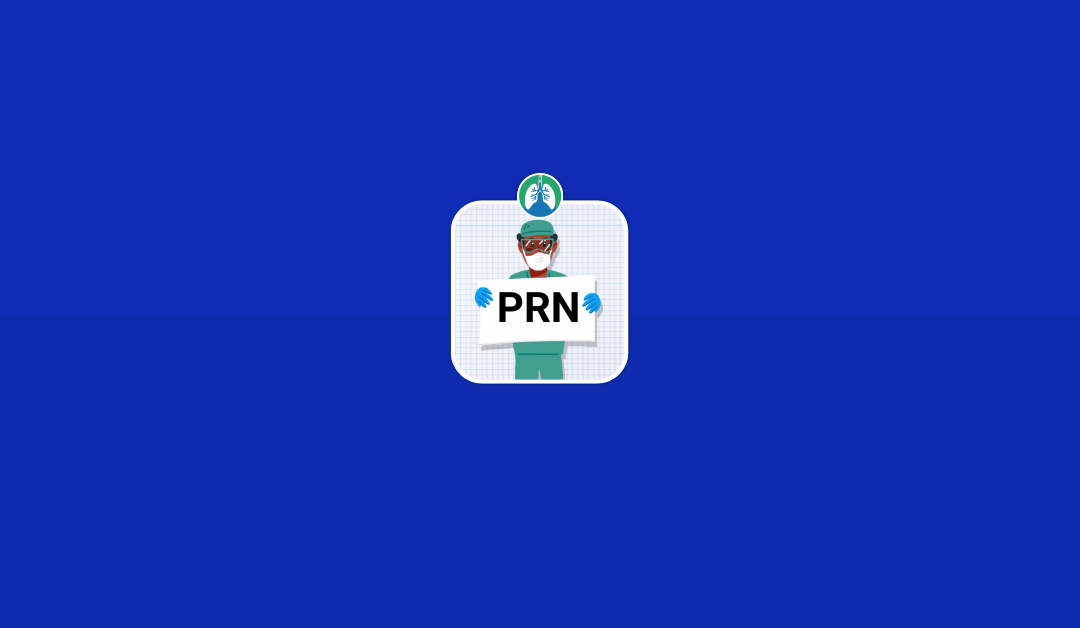
Explore the medical abbreviation and meaning of PRN in healthcare, a Latin phrase that stands for “pro re nata,” which means “as needed.”

Discover the average respiratory therapist salary for each state and the factors that affect the annual and hourly rates.

Learn why phlegm increases after eating, including common triggers like reflux, food sensitivities, and respiratory conditions.

Learn how mechanical ventilation monitoring ensures patient safety by tracking ventilation, oxygenation, hemodynamics, and clinical trends.

Discover the potential benefits of cloves for lung health, including anti-inflammatory, antioxidant, and immune-supporting properties.

Learn what GERD is, how it affects the lungs, and why it matters in respiratory care, asthma, chronic cough, and aspiration risk.

Learn the types of lung sounds, what causes them, and how auscultation helps identify respiratory conditions early and accurately.

Learn what vesicular breath sounds are, how they form, and why changes in these soft, low-pitched sounds can signal early lung problems.
Learn what bronchovesicular breath sounds are, where they’re normally heard, and why their presence elsewhere may signal early lung disease.

Learn what bronchial breath sounds are, how they form, and why hearing them in the lung periphery signals consolidation or atelectasis.

Learn what a pleural friction rub is, how it forms, and why this grating breath sound signals pleural inflammation needing evaluation.

Learn what diminished breath sounds mean, why they occur, and how they help identify airflow issues or pleural space problems in patients.

Learn what stridor is, why it occurs, and how to recognize dangerous upper airway obstruction for faster, more effective respiratory care.
Learn what rhonchi are, how they form, and what they reveal about mucus obstruction to improve respiratory assessment and patient care.
Learn what crackles are, why they occur, and how to assess them to better identify respiratory conditions during patient evaluation.

Learn what wheezing means, how it’s produced, and what conditions cause it to improve respiratory assessments and clinical decision-making.

Learn what the sternum is, how it supports breathing, and why it’s an essential structure for respiratory therapists and patient care.

Explore the differences between laminar and turbulent flow in the lungs, and their roles in respiratory physiology and airway mechanics.