Learn the difference between laminar and turbulent flow, including effects on airway resistance, work of breathing, and ventilation.


Learn the difference between laminar and turbulent flow, including effects on airway resistance, work of breathing, and ventilation.
Learn what causes volutrauma, why it occurs during mechanical ventilation, and how lung-protective strategies help reduce injury.
Learn how inverse ratio ventilation (IRV) improves oxygenation, when it is used, and why auto-PEEP and hemodynamic risks must be monitored.
Learn about intrapulmonary shunting, how it causes refractory hypoxemia, common causes, assessment clues, and treatment with PEEP.
Learn what intrapulmonary percussive ventilation (IPV) is, how it works, and when it is used for airway clearance and secretion removal.
Learn what intercostal spaces are, including their anatomy, clinical landmarks, role in breathing, and importance in procedures.
Learn what inspiratory flow rate means, how it affects ventilation, I:E ratio, air trapping, patient comfort, and aerosol delivery.
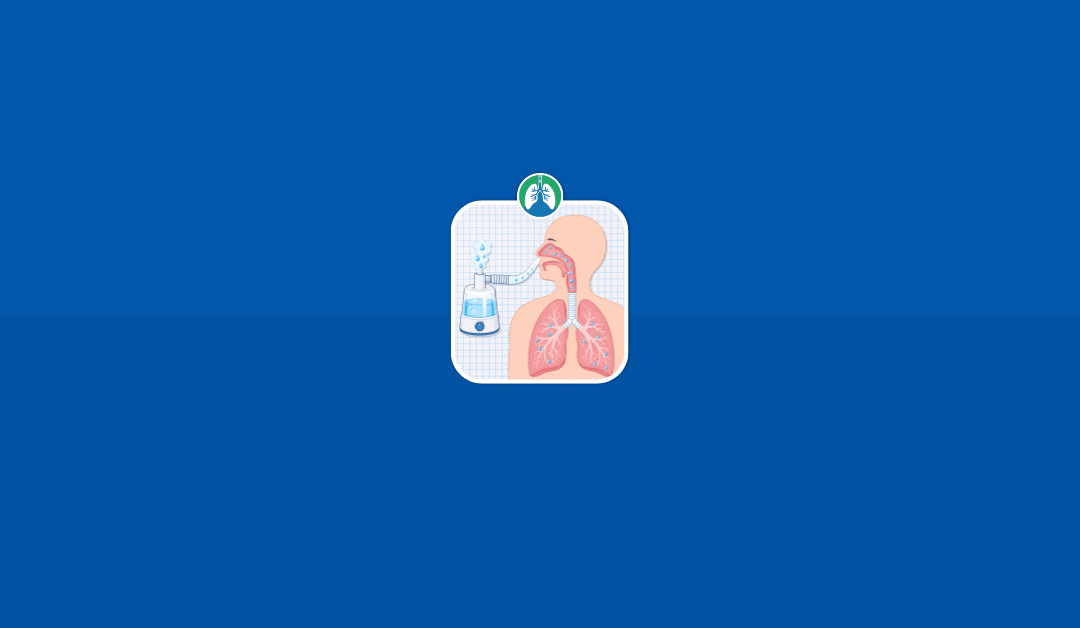
Learn how humidification therapy protects the airway, supports secretion clearance, and helps prevent complications during oxygen therapy.
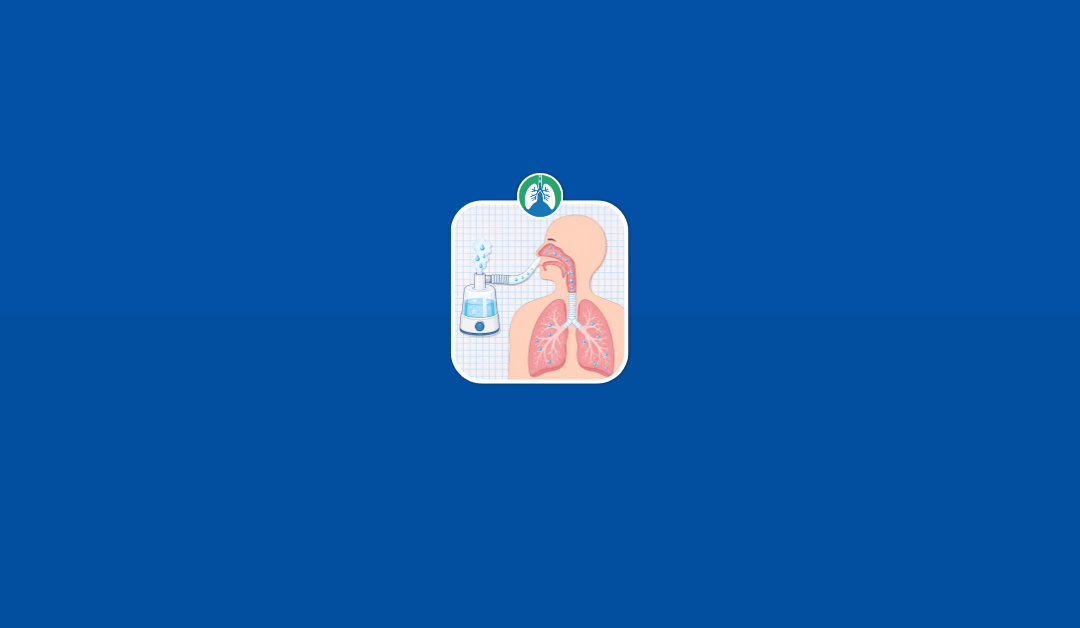
Learn about humidity and bland aerosol therapy, including indications, devices, secretion management, and the most common hazards.
Learn about cardiogenic pulmonary edema, including causes, symptoms, diagnosis, oxygen therapy, CPAP, BiPAP, and treatment.
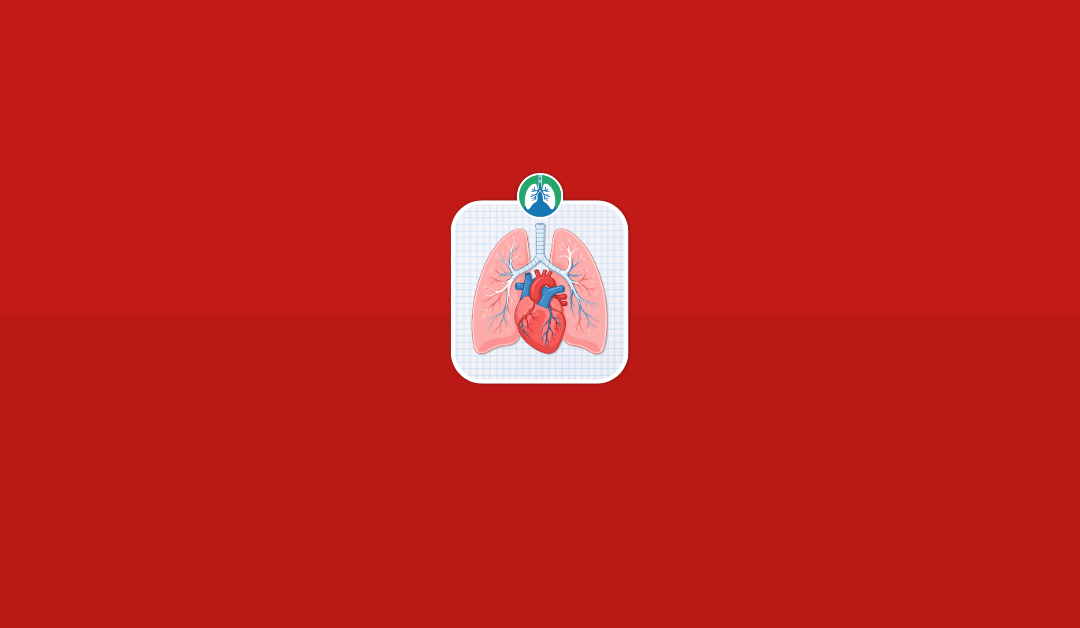
Learn cardiopulmonary pathology, including heart and lung diseases that affect airflow, gas exchange, circulation, and breathing.

Learn Fick’s first law of diffusion and how it explains oxygen and carbon dioxide movement across the alveolar-capillary membrane.

Learn the key differences between croup and epiglottitis, including symptoms, airway signs, diagnosis, and treatment.
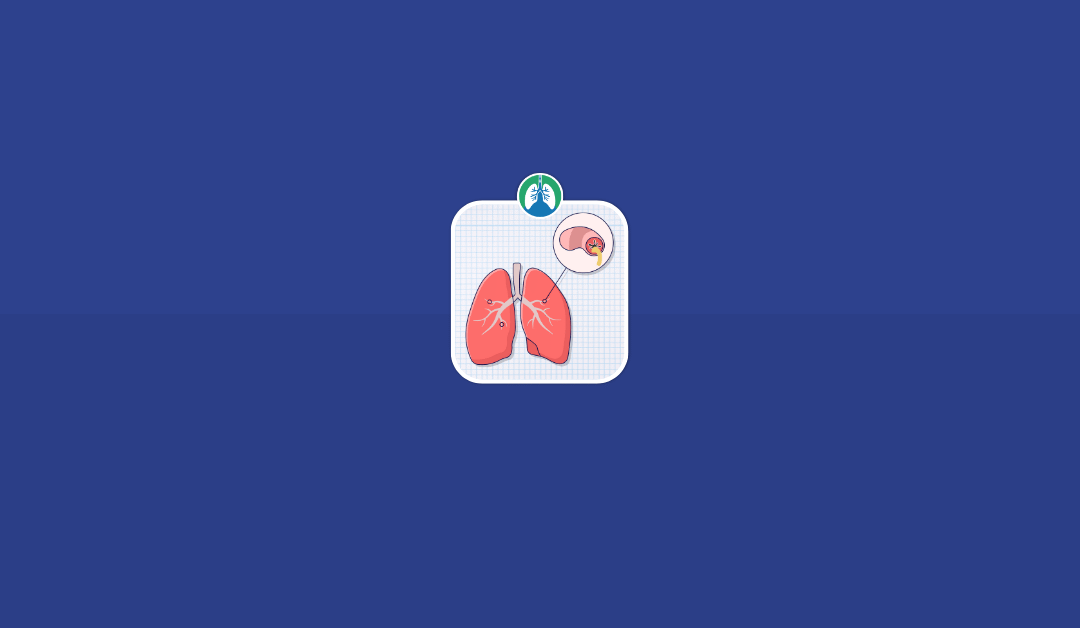
Learn the key differences between emphysema and chronic bronchitis, including symptoms, lung damage, diagnosis, and COPD treatment.
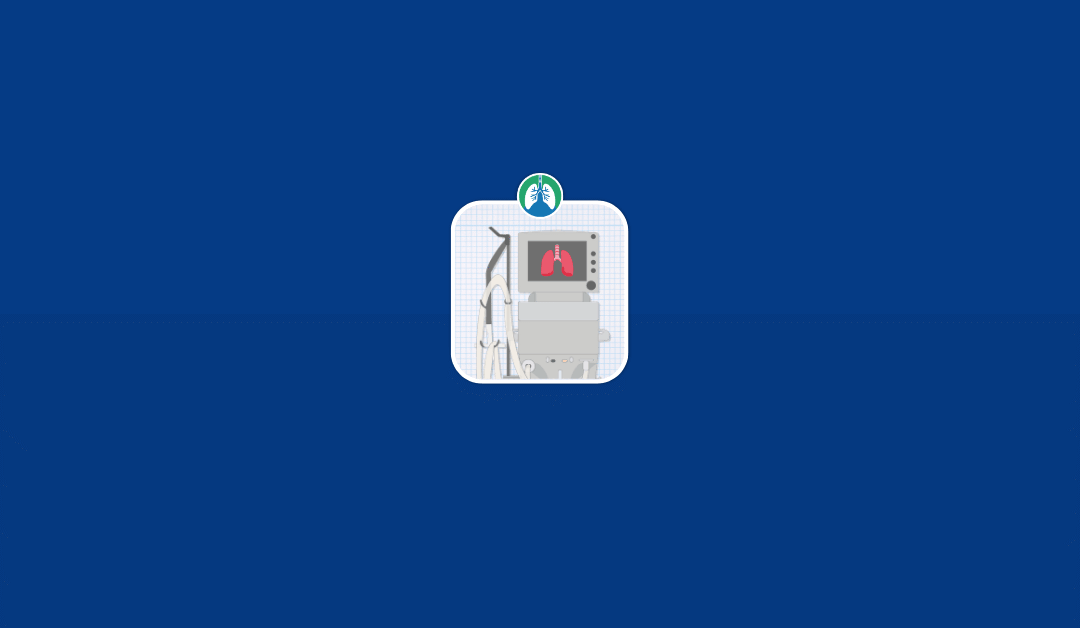
Learn how COPD is treated with mechanical ventilation, including NIV, ventilator settings, auto-PEEP, oxygenation, and weaning.

Learn about the laws and principles of the respiratory system, including pressure, flow, compliance, diffusion, and gas exchange.
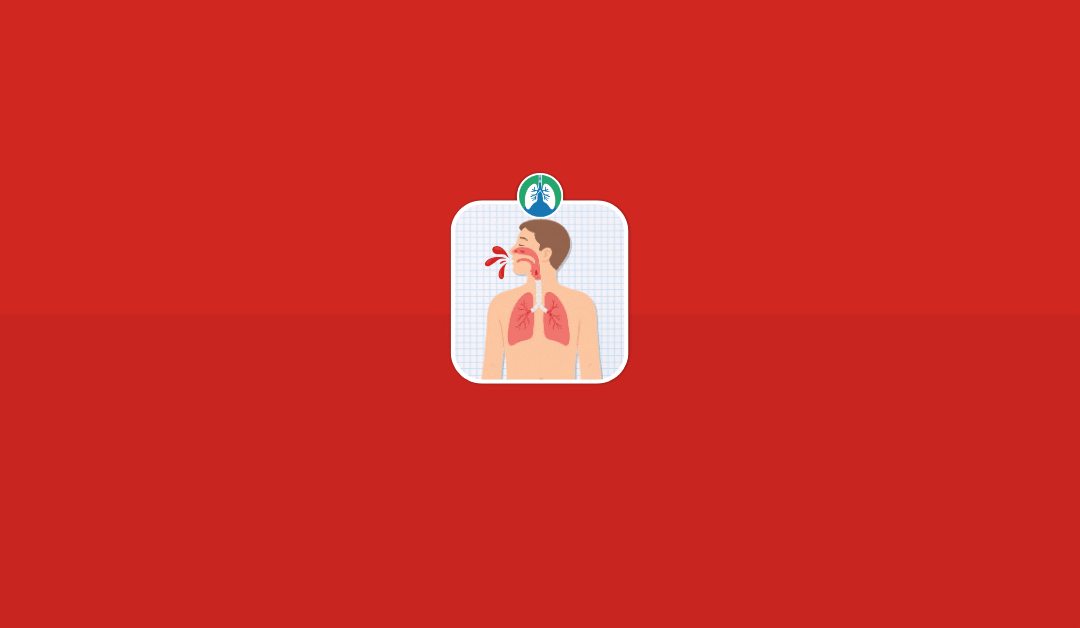
Learn why you may taste blood when you cough, what causes it, when it may be serious, and which warning signs need medical care.

Learn how to evaluate sputum color, consistency, odor, and volume to assess infection, airway clearance, and respiratory status.
Learn radiographic findings, chest x-ray patterns, and key imaging clues used to assess lung conditions and guide respiratory care.

Learn what albuterol is made of, including its active ingredient and the components that help deliver this fast-acting asthma medication.