Pass the Clinical Simulation Exam (CSE) by avoiding the common pitfalls and mistakes students make while preparing for the exam.


Pass the Clinical Simulation Exam (CSE) by avoiding the common pitfalls and mistakes students make while preparing for the exam.

Prepare for the clinical simulation exam (CSE) by learning the essential respiratory disorders required to earn a passing score.
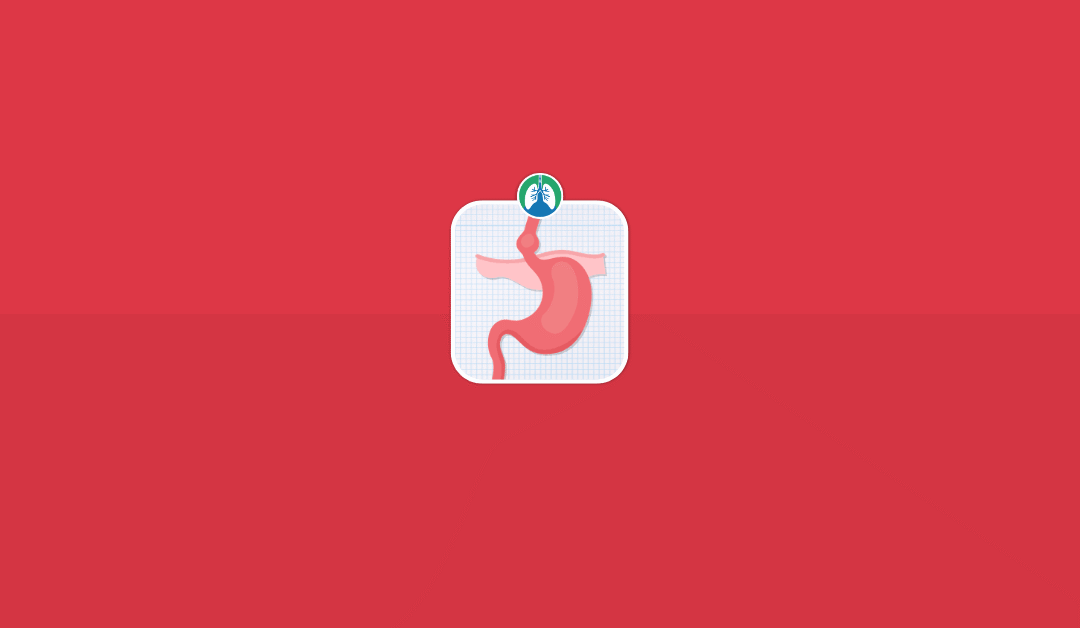
Learn about a congenital diaphragmatic hernia, its pathophysiology, clinical signs, and the role of respiratory therapy in management.

Learn what gas distribution tests are, the different types used, and how they help assess lung volumes and ventilation abnormalities.

Learn how body plethysmography measures lung volumes to help respiratory therapists diagnose, treat, and manage respiratory conditions.

Learn what DLCO is, how it measures gas exchange in the lungs, and why it is a vital pulmonary function test in respiratory care.

Learn what spirometry is, how it works, and why it is a vital diagnostic tool for respiratory therapists in the field of respiratory care.

Learn how to perform a patient assessment in respiratory care with step-by-step guidance on evaluation and clinical care planning.

Learn what bronchopulmonary dysplasia is, its causes, symptoms, and why it matters for respiratory therapists in neonatal care.
Learn how to adjust ventilator settings using ABG results to optimize oxygenation, ventilation, and patient safety in critical care.

Learn how the Y-connector in mechanical ventilation links inspiratory and expiratory limbs to ensure safe and effective patient support.

Our top-rated test bank, offering 30,000+ practice questions and study guides, is the best free resource for respiratory therapy students.

Learn what beta-2 agonists are, how they work, and why they’re essential in treating asthma, COPD, and other lung conditions.
Learn how Assist/Control (A/C) mode or mechanical ventilation works, its benefits, risks, and role in supporting critically ill patients.
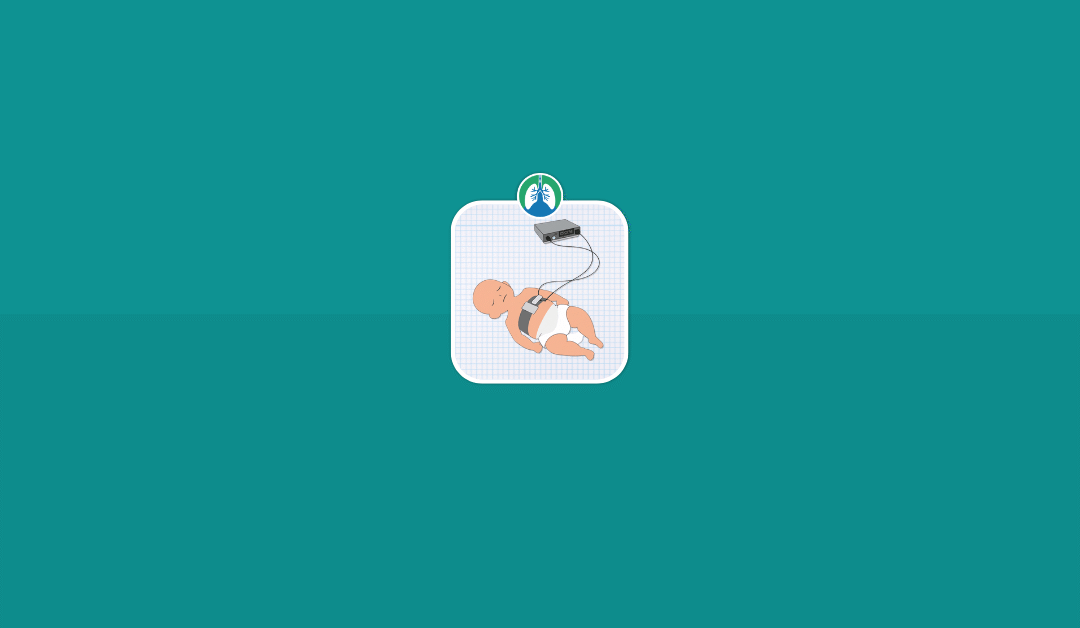
Learn how apnea monitoring detects breathing pauses and alerts caregivers, ensuring safety for infants and at-risk patients.
Discover how pressure-controlled ventilation works, its benefits, and when it’s used to protect patients from high airway pressures.
Learn how volume-controlled ventilation works, when it’s used, and why it’s essential in critical care and surgical settings.

Learn how Narcan (Naloxone) reverses opioid overdoses, restores breathing, and plays a vital role in respiratory care and patient survival.

Learn the basics of ventilator settings, including modes, tidal volume, FiO₂, and more to optimize patient care and safety.

The principles of mechanical ventilation include ventilation, oxygenation, respiration, lung compliance, airway resistance, and more.