Learn about bronchiectasis, including causes, symptoms, diagnosis, treatment, and why it matters in respiratory care and clinical practice.

Learn about bronchiectasis, including causes, symptoms, diagnosis, treatment, and why it matters in respiratory care and clinical practice.
Learn what a COPD cough sounds like, including common symptoms, causes, and when to seek medical care for a persistent cough.
Learn what ARDS is, its causes, symptoms, diagnosis, and treatment, and why it’s important in respiratory care and critical care medicine.
Learn what pulmonary edema is, its causes, symptoms, and treatments, and why it’s important for respiratory therapists in clinical care.
Learn what chronic bronchitis is, its causes, symptoms, pathophysiology, and its role in respiratory care and management.

Learn what emphysema is, its causes, symptoms, pathophysiology, and why it matters in respiratory care and clinical practice.

Learn what COPD is and how it impacts respiratory care, including diagnosis, management, types, symptoms, treatment, and exacerbations.

Learn what shock is, its types, pathophysiology, and why it matters in respiratory care and critical care management.

Learn the common causes of constant throat mucus—postnasal drip, allergies, reflux—and proven tips to clear it for good.
Can mucus cause hearing loss? Learn how congestion and fluid buildup affect the ears and when to seek medical care for symptoms.
Learn what laryngopharyngeal reflux is, its symptoms, causes, and how to manage silent reflux affecting the throat and voice.
Learn what flow rate is in respiratory care and how it impacts ventilation, oxygen therapy, aerosol delivery, and patient outcomes.
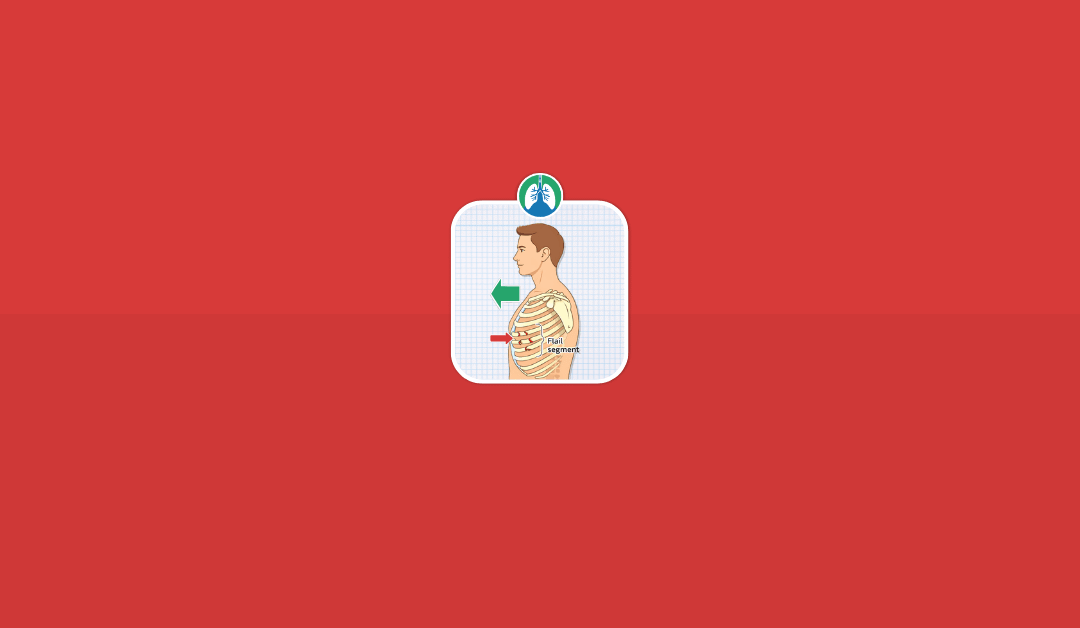
Learn what flail chest is, how it impairs breathing, and why respiratory therapists play a critical role in managing this injury.

Learn why your portable humidifier is leaking and how to fix common issues like overfilling, cracked tanks, and worn gaskets.

Learn how to identify mixed acid-base disorders using ABG interpretation, compensation rules, and clinical examples in critical care.
Learn what the FEV1/FVC ratio means, how it’s calculated, and how it helps diagnose obstructive and restrictive lung disease.
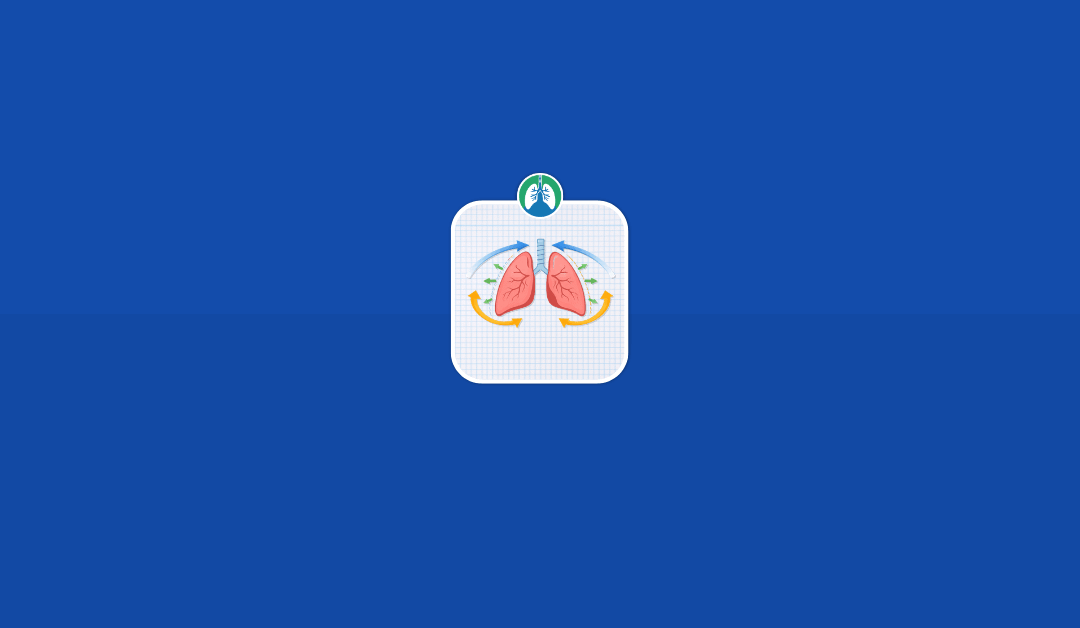
Learn what lung elasticity is, how it affects breathing, and why it’s essential for respiratory therapists and ventilator management.

Explore the benefits, risks, and realistic expectations of using gummies for COPD management and symptom support.

Learn the best sex positions for breathing problems that reduce strain, ease shortness of breath, and improve comfort.
Learn what the dead space to tidal volume ratio (VD/VT) is, how it’s calculated, and why it matters in respiratory care and ventilation.