Learn how computed tomography works and why it’s essential in respiratory care for diagnosing lung, pleural, and vascular diseases.


Learn how computed tomography works and why it’s essential in respiratory care for diagnosing lung, pleural, and vascular diseases.
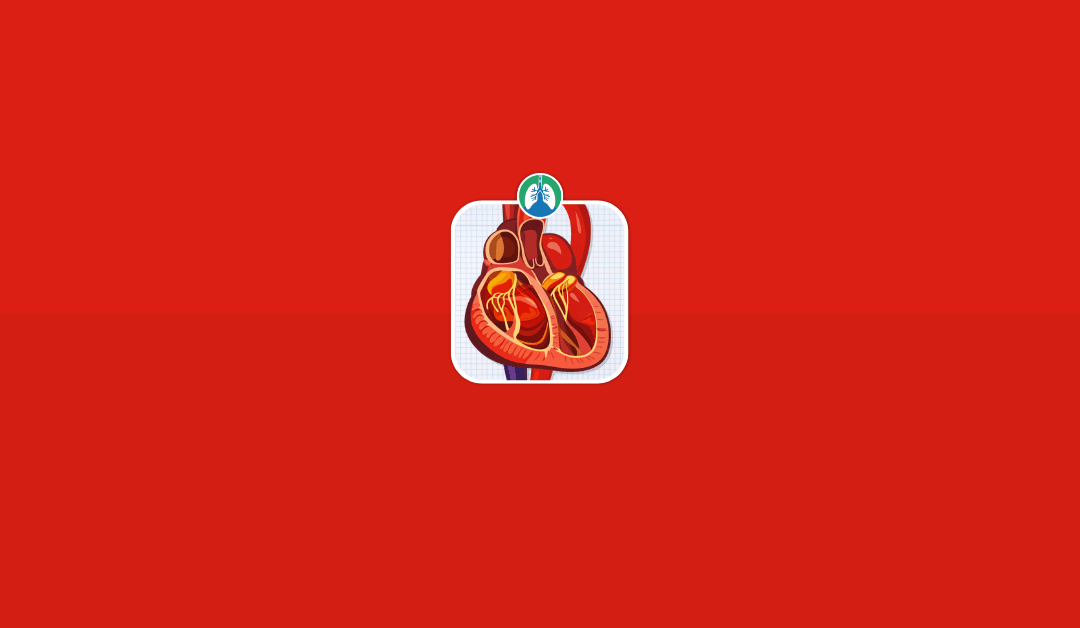
Learn how cor pulmonale develops from chronic lung disease and why early recognition is critical in respiratory care.
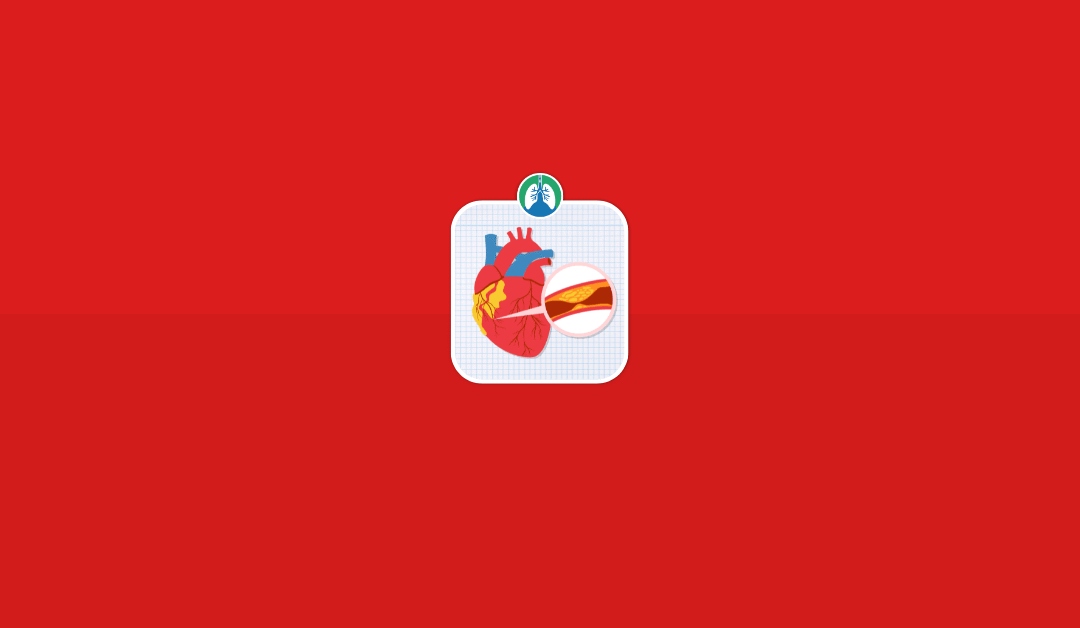
Learn what coronary artery disease is and why it matters to respiratory therapists in acute care and critical care settings.

Explore career options with a respiratory therapy degree, from hospital care to leadership, education, and advanced healthcare roles.

Learn what a complete blood count (CBC) measures and why it matters in respiratory care, oxygen delivery, and infection assessment.

Learn what the CoARC is, how it accredits respiratory therapy programs, and why accreditation matters for RT students and professionals.
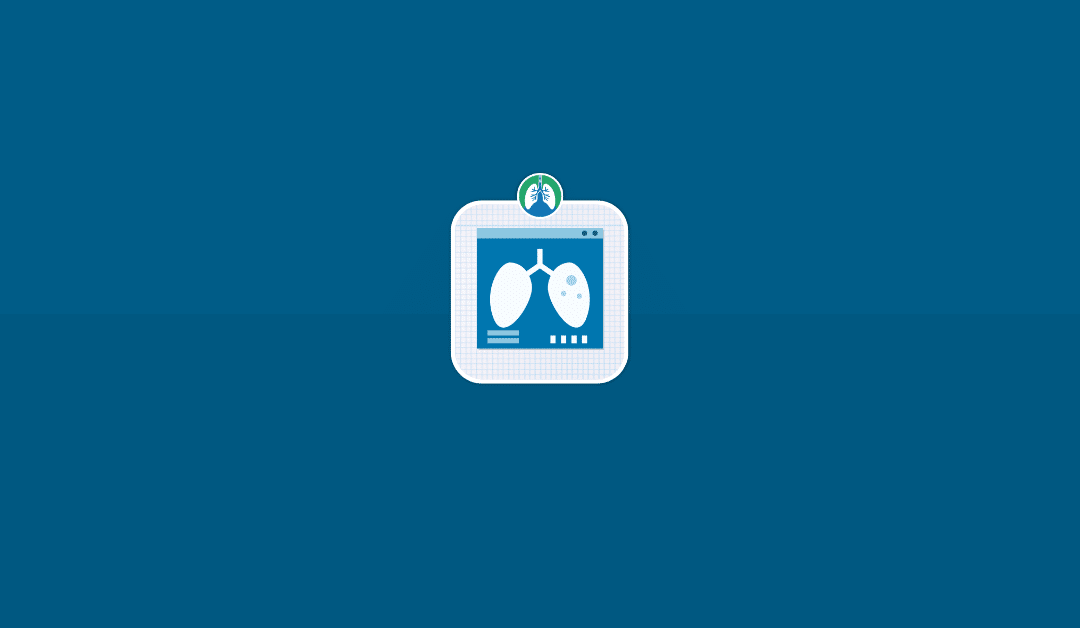
Learn what a chest radiograph (x-ray) is and why it’s essential for respiratory therapists in diagnosing and managing lung conditions.
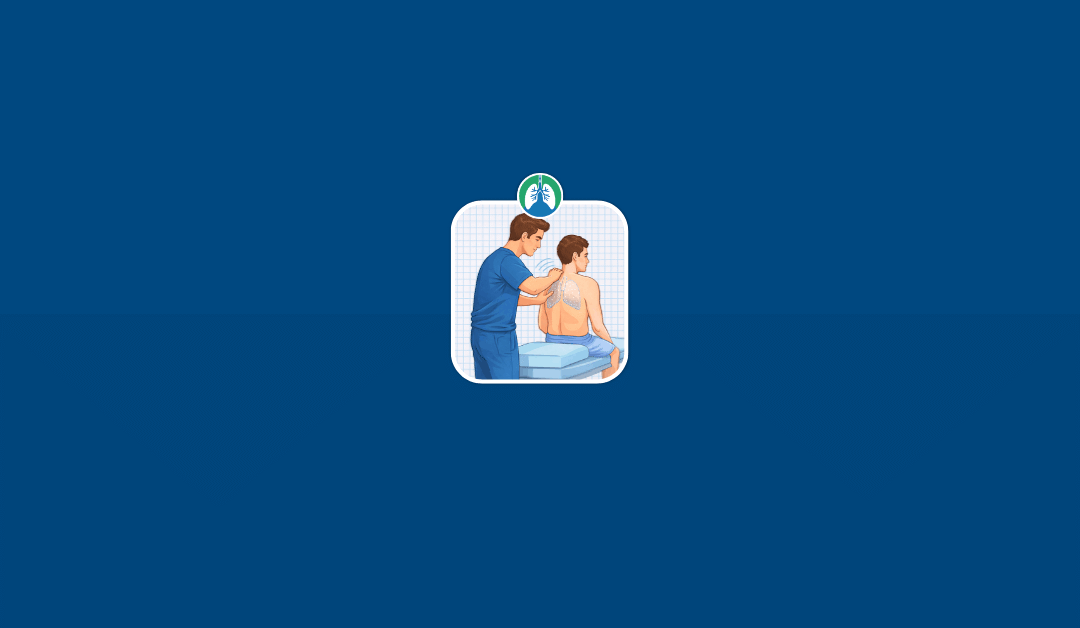
Learn what chest percussion is, how it’s performed, and how percussion sounds help identify lung and pleural abnormalities.
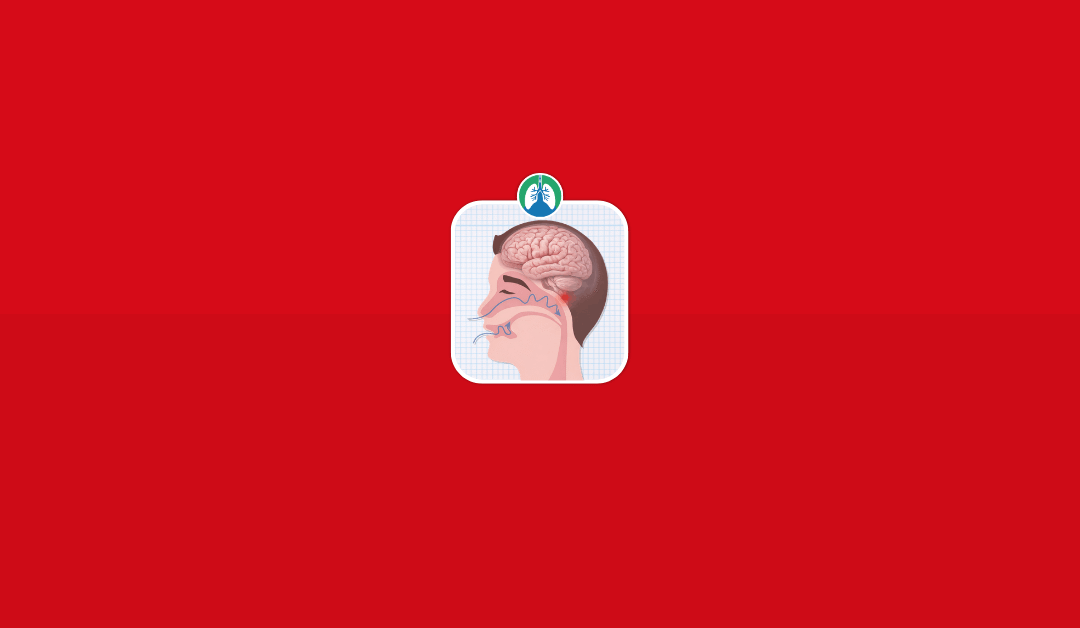
Learn what central sleep apnea is, its causes, diagnosis, and treatment, and why it matters in respiratory care and patient outcomes.
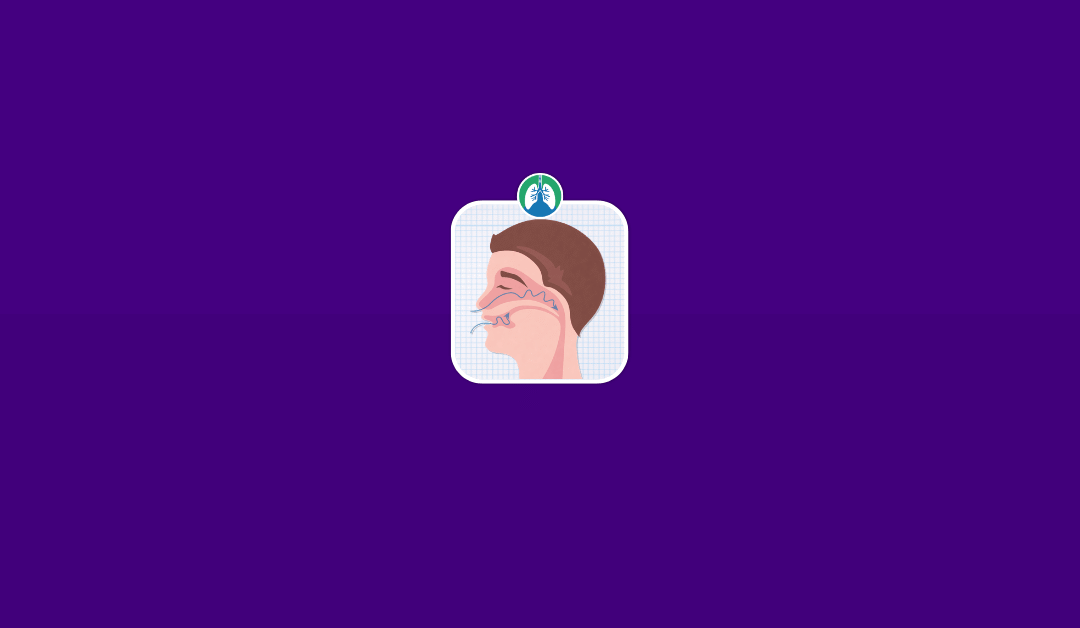
Learn what obstructive sleep apnea is, its causes, diagnosis, and treatment, and why it matters in respiratory care and patient outcomes.
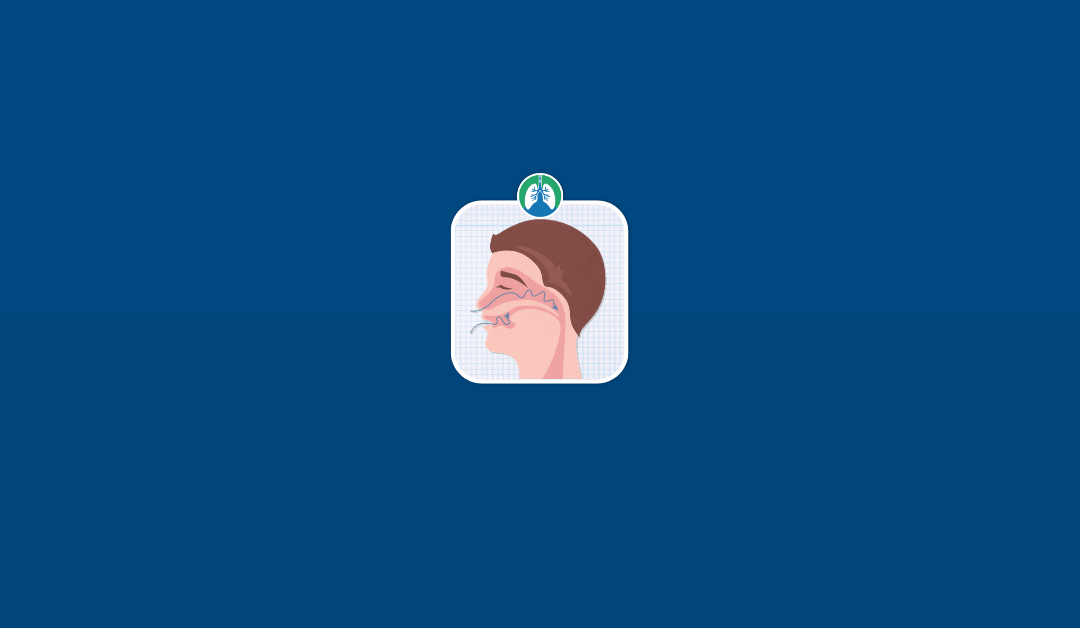
Learn about sleep apnea, its types, symptoms, diagnosis, and treatment, and why it is important in respiratory care and patient outcomes.
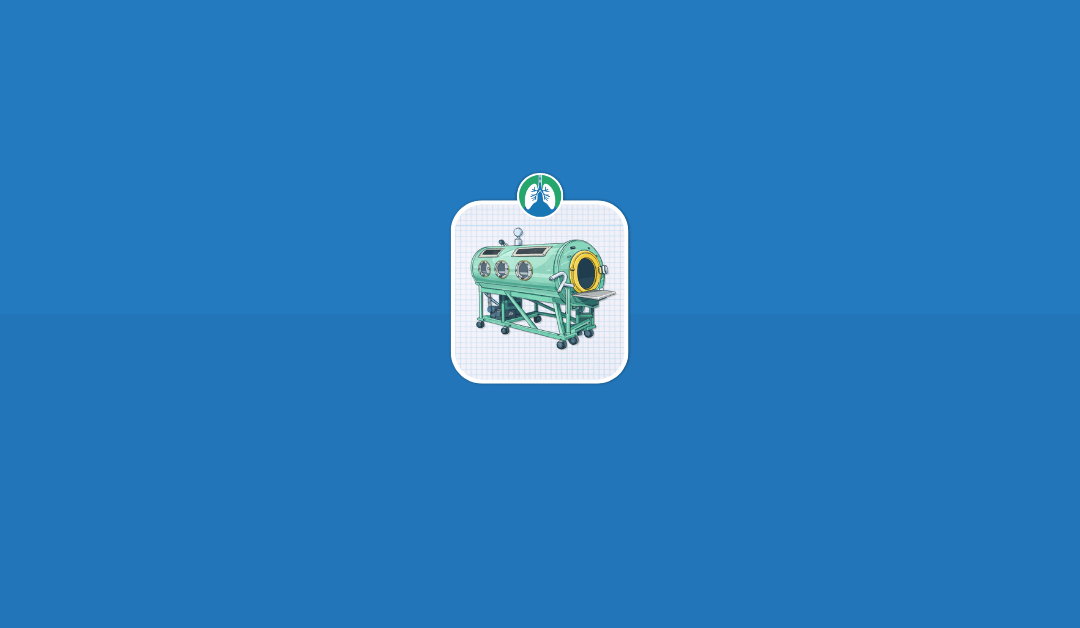
Learn the history, function, and medical impact of the iron lung and how it shaped modern respiratory care and mechanical ventilation.
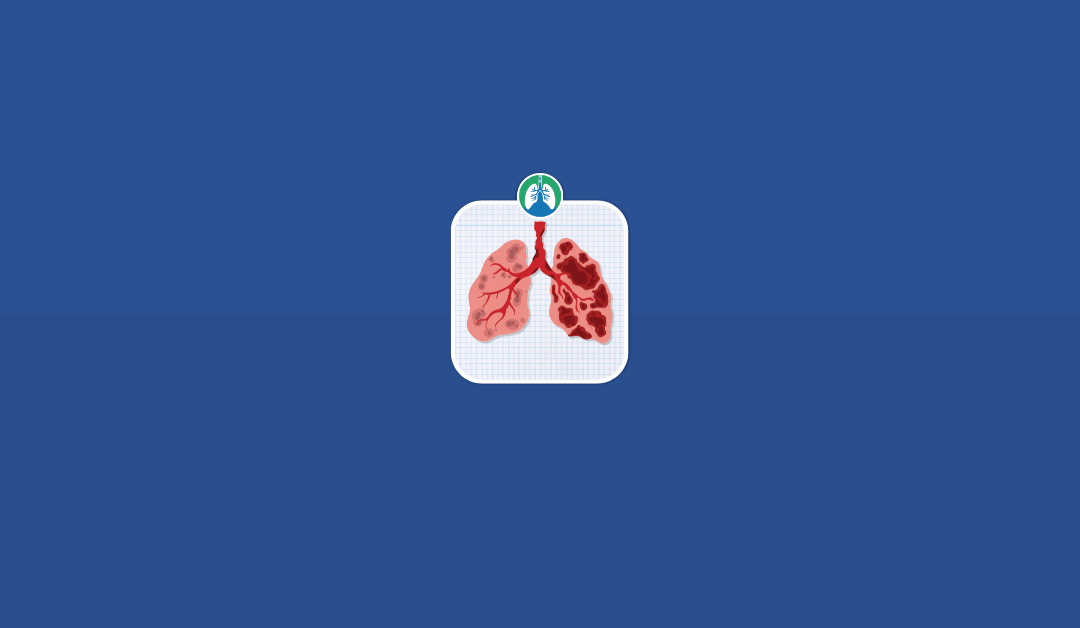
Learn the warning signs your lungs are failing, from shortness of breath and fatigue to cyanosis, and know when to seek medical care.

Learn what head trauma is, how it impacts the brain, and why respiratory therapists are essential for airway and ventilatory management.
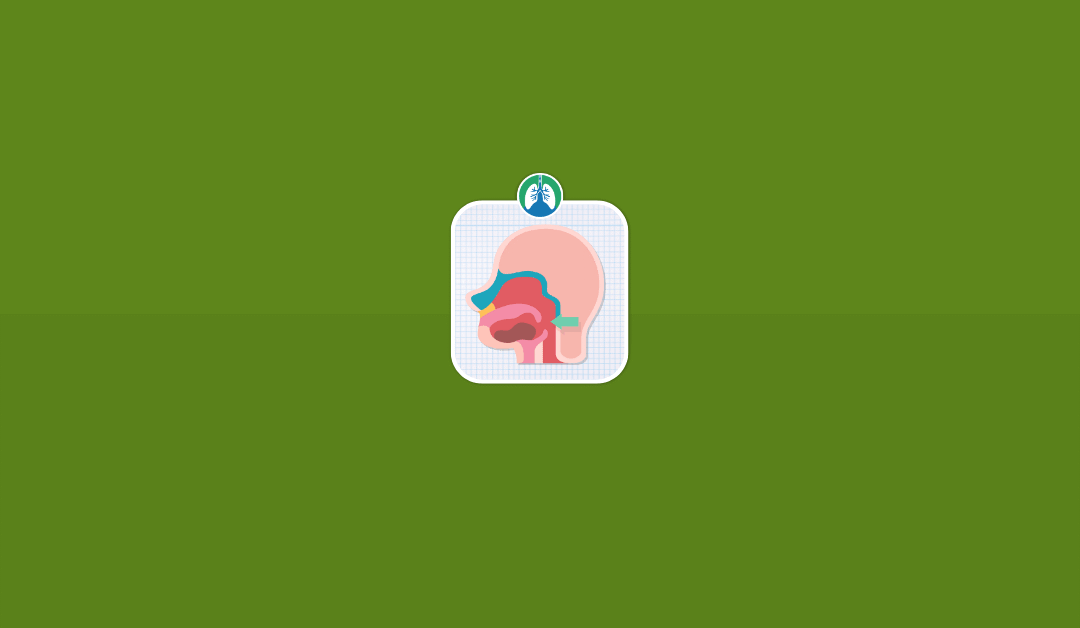
Learn what the laryngopharynx is, its functions, and why it is important for airway protection and respiratory care.

Learn the structure and function of the oropharynx and its role in airway protection, swallowing, and respiratory care.
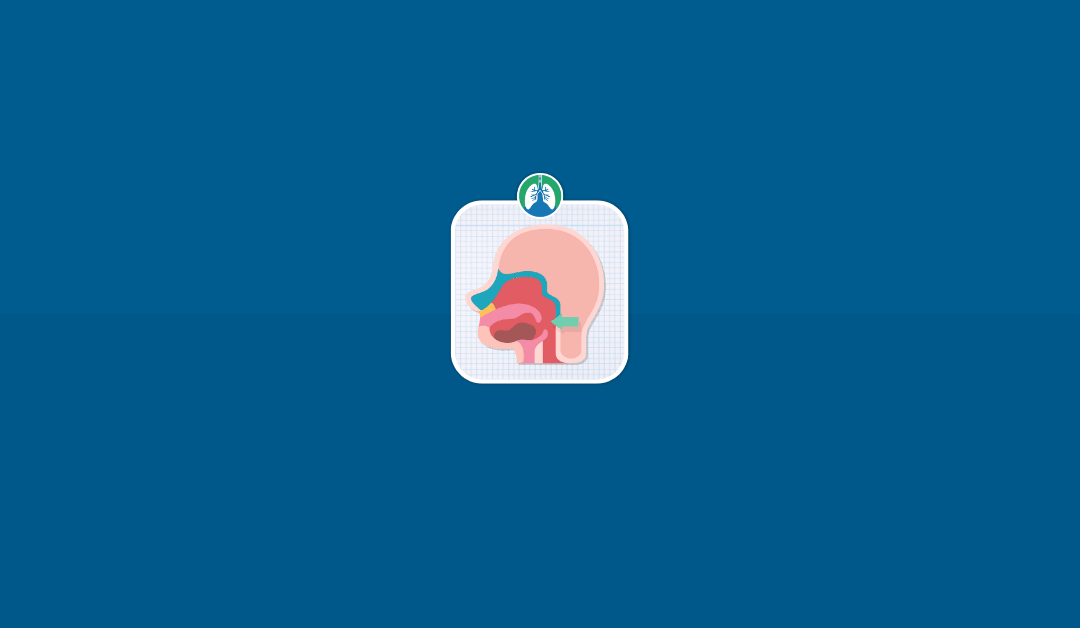
Learn the structure and function of the nasopharynx and why it plays a vital role in airway management and respiratory care.
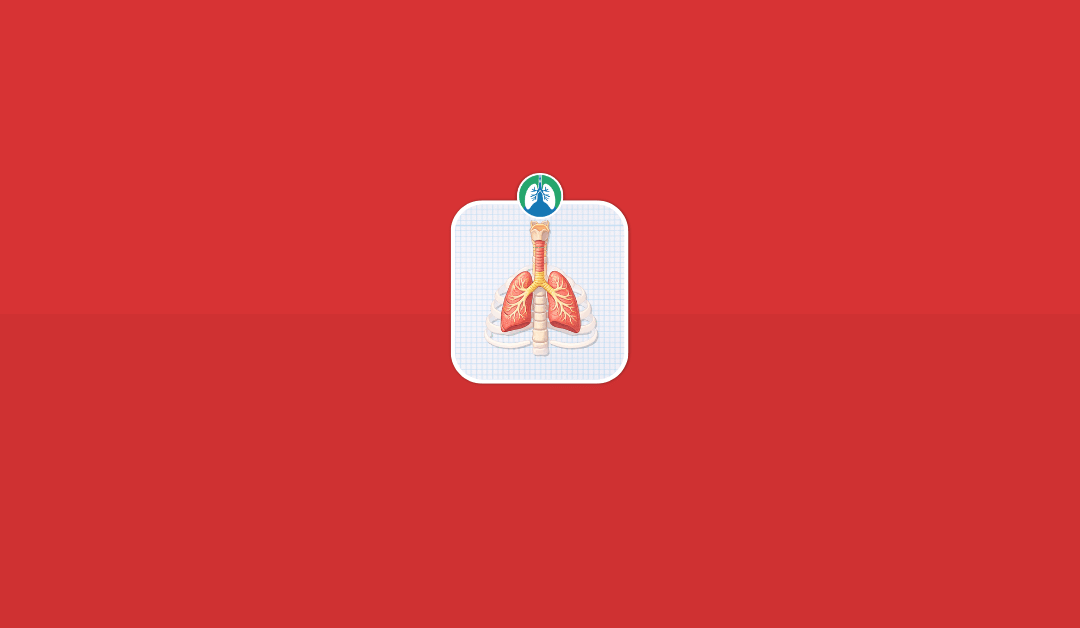
Learn what the carina is, where it’s located, and why it’s a critical airway landmark for safe intubation and respiratory care.
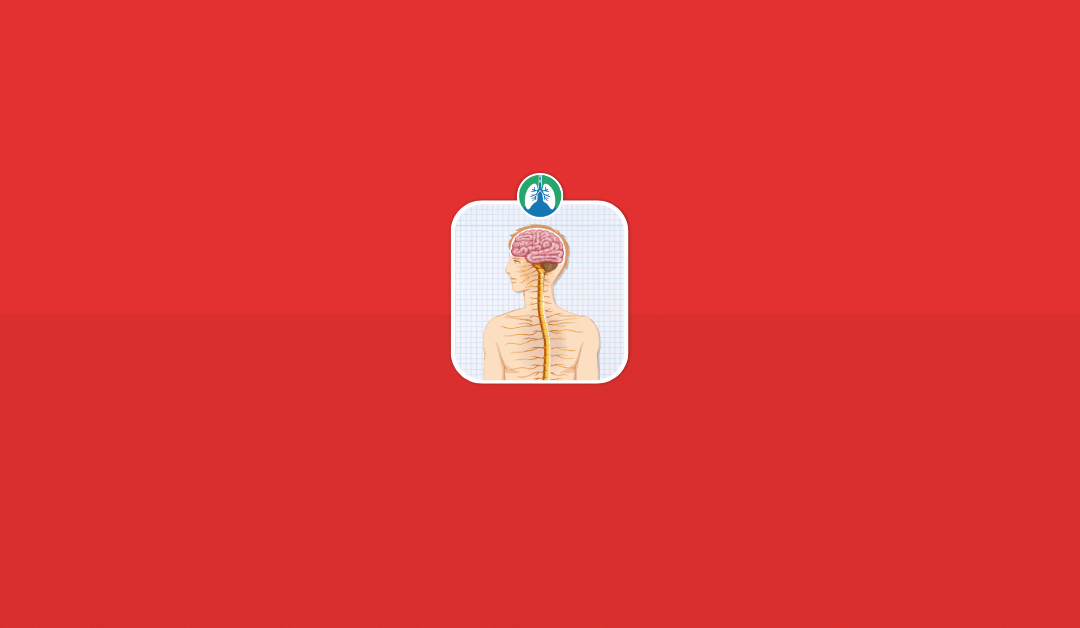
Learn how the vagus nerve regulates breathing, airway reflexes, and heart rate, and why it is essential in respiratory care and therapy.
Learn about contact precautions, their role in infection control, and why they are essential for respiratory therapists and patient safety.