

Indoor plants are more than just decorative accents that brighten up a room. They also serve as natural air purifiers that can contribute to a healthier indoor environment. By absorbing carbon dioxide and releasing oxygen through the process of photosynthesis, many houseplants help refresh the air inside your home while adding a calming, natural atmosphere.
One of their most valuable benefits is their ability to help support oxygen levels indoors.
Different types of plants vary in their capacity to produce oxygen, remove airborne pollutants, and support overall well-being. Some species are particularly effective at filtering common indoor toxins, while others are known for producing oxygen more efficiently or even continuing this process during the night.
In addition to improving air quality, indoor plants can also enhance mood, reduce stress, and create a more relaxing living space. Bringing greenery into your home is a simple way to make your environment feel fresher and more vibrant.
This article provides a comprehensive list of the best indoor plants that excel in oxygen production to help you make an informed choice for creating a greener, fresher, and more oxygen-rich living space.

Download our free guide that has over 100+ of the best tips for healthy lungs.
Best Indoor Plants for Increasing Oxygen at Home
Several indoor plants can help improve air quality and slightly increase oxygen levels in your home while creating a healthier and more comfortable living environment. Some of the most popular options include the Snake Plant, Areca Palm, Peace Lily, Aloe Vera, and Spider Plant. These plants perform photosynthesis by absorbing carbon dioxide from the air and releasing oxygen, which helps freshen indoor spaces.
Some varieties, such as the snake plant, are unique because they can continue releasing oxygen at night. This makes them especially beneficial for bedrooms, where cleaner air can support better sleep and overall comfort.
In addition to producing oxygen, many indoor plants are known for their ability to remove common indoor pollutants and improve humidity levels. While plants alone won’t dramatically raise oxygen concentrations in a home, keeping several healthy plants indoors can contribute to cleaner air and create a more pleasant breathing environment.
1. Boston Fern
Scientific name: Nephrolepis exaltata

Native to the warm, humid, and swampy regions of the southeastern United States, the Boston Fern is widely recognized as one of the most effective houseplants for improving indoor air quality. Its lush, feathery fronds not only add visual appeal to a space but also play an important role in helping purify the air inside your home.
This plant is particularly effective at absorbing formaldehyde, a common indoor pollutant that can be released from cleaning products, pressed wood materials, carpets, and certain types of furniture. Because formaldehyde is frequently present in indoor environments, having plants that help reduce its concentration can contribute to healthier indoor air.
Scientific research has confirmed its strong ability to remove formaldehyde from the air, making the Boston Fern a top choice for anyone looking to naturally improve indoor air quality.
In addition to filtering pollutants, the Boston Fern also acts as a natural humidifier. By releasing moisture into the surrounding air, it can help ease dry skin, irritated sinuses, and other discomforts associated with low indoor humidity.

These Boston Ferns are expert at purifying indoor air by effectively absorbing formaldehyde while also increasing indoor humidity.
2. Weeping Fig
Scientific name: Ficus benjamina

The Weeping Fig, native to Southeast Asia and India, is a popular houseplant known for its graceful, drooping branches and glossy green leaves. Beyond its ornamental appeal, it is highly regarded for its ability to help improve indoor air quality.
This plant has been widely researched, including in studies conducted by NASA, which found that it can eliminate airborne pollutants such as xylene and toluene. These chemicals are often released from paint thinners, adhesives, solvents, and other household products, making them common contributors to indoor air pollution.
The Weeping Fig can be especially beneficial in homes where painting projects are frequent or where tobacco smoke may be present. By helping reduce harmful fumes and pollutants in the air, this plant can contribute to a cleaner and healthier indoor environment.
For homeowners looking to combine decorative greenery with practical air-purifying benefits, adding a Weeping Fig can be a smart and effective way to elevate indoor air quality.

The Weeping Fig tree excels at neutralizing airborne toxins like xylene and toluene, serving as a key asset for homes looking to improve air quality.
3. Aloe Vera
Scientific name: Aloe barbadensis

Best known for its soothing and healing properties, Aloe Vera is also a highly effective plant for improving indoor air quality. This hardy succulent has long been valued not only for its medicinal uses but also for its ability to help purify the air inside homes and offices.
Native to Africa and now widely cultivated around the world, Aloe Vera has been shown in scientific studies to help remove formaldehyde from indoor environments. Formaldehyde is a common pollutant released from cleaning products, household materials, and certain furnishings, making Aloe Vera a helpful addition to spaces where air quality is a concern.
One of the greatest advantages of this plant is its low maintenance nature. Aloe Vera requires very little water and thrives in bright, indirect sunlight, making it an excellent option for beginners or anyone looking for a simple, hassle-free houseplant.
In addition to its air-purifying capabilities, Aloe Vera is also valued for its therapeutic benefits. The gel inside its leaves can be used for various medicinal applications, including soothing burns, moisturizing skin, and supporting digestive health.

This Aloe Vera plant not only has medicinal benefits but is also effective at removing formaldehyde and requires minimal upkeep.
4. Spider Plant
Scientific name: Chlorophytum comosum

Native to Africa and parts of Asia, Spider Plants are among the most popular houseplants due to their distinctive appearance and easy care requirements. Their long, narrow leaves grow in graceful arches from the center of the plant, creating a shape that resembles the legs of a spider, which is how they earned their name.
Beyond their decorative appeal, Spider Plants are also recognized for their ability to improve indoor air quality. Research has shown that they can help eliminate airborne pollutants such as carbon monoxide and xylene, both of which are commonly found in indoor environments.
One of the key advantages of Spider Plants is their remarkable adaptability. They tolerate a wide range of lighting conditions and can grow well in both low-light areas and brightly lit spaces. Their resilience and air-purifying abilities make them an excellent choice for beginners and experienced plant owners alike.

The variegated Spider Plant enhances visual appeal and thrives in a range of lighting conditions while efficiently eliminating pollutants such as carbon monoxide and xylene.
5. Gerbera Daisy
Scientific name: Gerbera jamesonii

Originating from South Africa, Gerbera Daisies are admired for their bright, cheerful flowers that come in a variety of colors, including white, pink, yellow, orange, and red. These vibrant blooms can instantly add visual interest and warmth to indoor spaces while also providing valuable air-purifying benefits.
Research, including findings referenced by NASA, has shown that Gerbera Daisies are particularly effective at absorbing benzene. Benzene is a harmful chemical commonly found in tobacco smoke, gasoline fumes, and certain household products, making its removal important for maintaining healthier indoor air.
In addition to filtering pollutants, Gerbera Daisies are also known for their ability to help increase oxygen levels indoors. Their combination of bright aesthetics and air-improving qualities makes them an excellent choice for homeowners who want to enhance both the beauty and the air quality of their living spaces.

With their vibrant blooms, these Gerbera Daisies stand out in absorbing benzene and boosting indoor oxygen levels.
6. Areca Palm
Scientific name: Dypsis lutescens

Indigenous to Madagascar, Areca Palms are a popular houseplant often used to decorate homes and office spaces. With their tall, feathery fronds and tropical appearance, they add a bright, natural feel to indoor environments while also offering several practical benefits.
Beyond their aesthetic appeal, Areca Palms have been scientifically proven to help purify indoor air by absorbing certain harmful chemicals and pollutants. Their large leaf surface area allows them to effectively participate in the natural process of filtering air while releasing oxygen back into the environment.
Although these plants thrive best in bright, sunny conditions and require consistent care, their oxygen-producing and air-purifying qualities make them a worthwhile addition to any indoor space.
For homeowners who live in warmer climates or have plenty of natural light indoors, the Areca Palm is an excellent choice that combines decorative beauty with meaningful air-quality benefits.
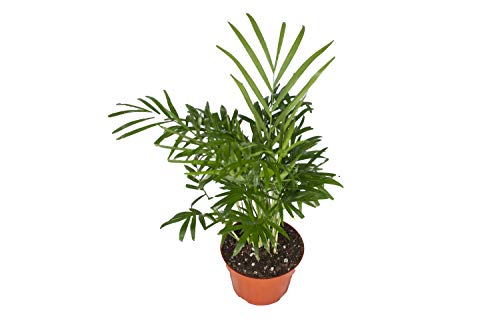
Sourced from warm climates, the Areca Palm is celebrated for its air-purifying attributes as well as its aesthetic contributions to interior spaces.
7. Peace Lily
Scientific name: Spathiphyllum wallisii

Native to South America, Peace Lilies are admired for their graceful white flowers and deep green foliage. These elegant plants are commonly used in homes and offices because they combine decorative beauty with practical air-quality benefits.
The broad leaves of the Peace Lily are particularly effective at absorbing carbon dioxide and releasing oxygen through the natural process of photosynthesis. Because of their large leaf surface area, they can help refresh indoor air while contributing to a cleaner and more comfortable living environment.
In addition to supporting oxygen production, Peace Lilies are also known for their ability to help neutralize common indoor pollutants. This makes them a popular choice for individuals who want to improve indoor air quality while adding a visually appealing plant to their space.
With their attractive blooms and air-purifying qualities, Peace Lilies remain one of the most versatile and beneficial houseplants for enhancing both aesthetics and indoor air health.
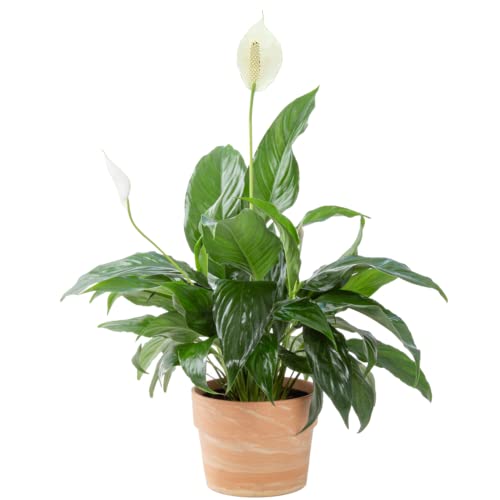
The Peace Lily plant is both visually striking and highly efficient at absorbing carbon dioxide and neutralizing harmful pollutants in the air.
8. Golden Pothos
Scientific name: Epipremnum aureum

Hailing from the South Pacific islands, Golden Pothos is one of the most widely grown houseplants in the world. This trailing vine is prized for its heart-shaped leaves and attractive variegation, making it a favorite for hanging baskets, shelves, and indoor plant displays.
Beyond its decorative qualities, Golden Pothos is also known for its ability to help improve indoor air quality. Research suggests that it can assist in eliminating toxic chemicals from indoor environments, including compounds that may be released from household products and building materials.
Golden Pothos is also effective at absorbing carbon dioxide and releasing oxygen through photosynthesis. This makes it a helpful plant for freshening indoor air while contributing to a more comfortable and breathable living space.
Another major advantage of this plant is its resilience and ease of care. It tolerates a wide range of lighting conditions and requires minimal attention, making it an excellent choice for beginners and experienced plant owners alike.

Easy to maintain and effective at filtering indoor toxins, the Golden Pothos is a great option for those new to houseplants or anyone looking to create a healthier indoor atmosphere.
9. Money Plant
Scientific name: Pilea peperomioides

Originating from Southwestern China, the Money Plant is easily recognized by its distinctive round, coin-shaped leaves, which give the plant its popular financial-themed name. Because of its compact size and unique appearance, it has become a favorite decorative plant in homes and offices around the world.
Beyond its visual appeal, the Money Plant also offers benefits for indoor air quality. Research indicates that it can help remove harmful Volatile Organic Compounds (VOCs), which are commonly released from household materials, paints, and cleaning products.
One feature that makes the Money Plant stand out is its ability to continue producing oxygen during nighttime hours. Unlike many plants that primarily release oxygen during the day, this plant can contribute to oxygen production even after the sun goes down.
Because of this characteristic, the Money Plant is often recommended for bedrooms, where its round-the-clock oxygen production can help support a fresher and more comfortable sleeping environment.

The Chinese Money Plant stands out for its unique ability to produce oxygen even during the night, making it an excellent addition to bedrooms while also eliminating harmful VOCs.
10. Snake Plant
Scientific name: Sansevieria trifasciata

Native to parts of Africa and Asia, Snake Plants are known for their tall, upright leaves that feature distinctive green and yellow striping. The bold pattern resembles snake skin, which is how the plant earned its common name. Their strong vertical growth and hardy nature make them one of the most recognizable and widely kept houseplants.
Snake Plants are especially valued for their oxygen-producing capabilities. Because of their resilience and air-quality benefits, they are often found in hospitals, clinics, and nursing homes where maintaining a clean and healthy environment is important.
Research also suggests that Snake Plants can help filter certain harmful airborne chemicals from indoor environments. Combined with their ability to tolerate low light and minimal watering, these qualities make them one of the best plants for improving indoor air quality in homes and offices.

Renowned for its robust oxygen production and low-maintenance care, the Snake Plant is effective at removing indoor pollutants and an ideal choice for enhancing indoor air quality.
FAQs About Indoor Plants and Oxygen Production
Do Plants Give Off Oxygen?
Yes, plants give off oxygen as part of the natural process of photosynthesis. During the daytime, plants absorb carbon dioxide (CO2) from the air and use energy from sunlight to convert it into glucose and oxygen (O2). This oxygen is then released into the atmosphere as a byproduct of the process.
This cycle is essential for maintaining the balance of gases in the environment and supporting life on Earth. Humans and other animals rely on the oxygen produced by plants to breathe and survive.
At night, most plants shift from photosynthesis to respiration. During this phase they consume small amounts of oxygen and release carbon dioxide. However, the oxygen produced during daylight hours greatly exceeds the amount used during the night.
How Do Indoor Plants Increase Oxygen Levels?
Indoor plants help increase oxygen levels through the process of photosynthesis. During this biological process, plants absorb carbon dioxide from the surrounding air while capturing energy from sunlight.
Using this energy, plants convert carbon dioxide and water into glucose, which they use for growth, while releasing oxygen back into the environment. This oxygen contributes to fresher and healthier indoor air.
Certain plants, including the Snake Plant and Boston Fern, are particularly effective at supporting oxygen production indoors. Some species can even continue releasing oxygen at night, making them excellent choices for bedrooms and other living spaces.
Note: By placing several oxygen-producing plants throughout your home, you can help create a greener environment while supporting better indoor air quality.
What are the Highest Oxygen-Producing Plants?
The highest oxygen-producing plants commonly recommended for indoor environments include Boston ferns, weeping figs, aloe vera, spider plants, gerbera daisies, areca palms, peace lilies, golden pothos, money plants, and snake plants.
These plants are valued not only for their beauty but also for their ability to improve indoor air quality through the natural process of photosynthesis. By absorbing carbon dioxide and releasing oxygen, they can help freshen the air inside your home.
In addition, many of these plants are known for filtering common indoor pollutants, making them an excellent choice for anyone looking to create a healthier and more comfortable living environment.
What Plant Produces the Most Oxygen?
The plant most often cited as producing the highest amount of oxygen indoors is the Boston Fern. With its dense, leafy fronds and large surface area, this plant is highly efficient at converting carbon dioxide into oxygen.
In addition to its oxygen-producing capabilities, the Boston Fern is also known for helping remove harmful chemicals from indoor air. Because of these combined benefits, it is widely considered one of the best plants for improving overall air quality in homes and offices.
Its lush appearance and air-purifying properties make the Boston Fern a popular choice for anyone looking to enhance both the aesthetics and health of their indoor space.
What is the Best Plant for the Bedroom?
When it comes to improving bedroom air quality, the Snake Plant is often considered one of the best options. Unlike most houseplants, it can continue releasing oxygen at night, which may help create a fresher sleeping environment.
This plant is also extremely hardy and requires very little maintenance, making it ideal for bedrooms and other low-maintenance areas of the home.
In addition to supporting oxygen production, the Snake Plant can help filter certain airborne chemicals, further contributing to a cleaner and healthier indoor atmosphere while you sleep.
Do Plants Produce Oxygen in the Winter?
Yes, plants continue to produce oxygen in the winter, although the rate may be somewhat reduced compared to the warmer growing seasons.
During winter months, shorter daylight hours and cooler temperatures can slow the process of photosynthesis, particularly for outdoor plants. Deciduous trees may shed their leaves and conserve energy during this period.
However, evergreen plants and most indoor houseplants can still carry out photosynthesis when exposed to sufficient light. As a result, oxygen production continues, even if it occurs at a slower pace than during the spring and summer.
What Does the NASA Clean Air Study Entail?
The NASA Clean Air Study was a groundbreaking research project conducted in 1989 to examine how indoor plants could help purify air and improve indoor environments.
Researchers tested various houseplants to determine their ability to remove harmful airborne chemicals such as formaldehyde, benzene, and trichloroethylene.
Although the study was originally designed to explore ways to maintain healthy air inside space stations, its findings have since been widely referenced when discussing the potential benefits of houseplants for improving indoor air quality on Earth.
Which Plant Releases Oxygen at Night?
The Snake Plant (Sansevieria trifasciata) is widely known for its ability to release oxygen during the night. Unlike most plants that perform photosynthesis only during the day, the Snake Plant uses a specialized process called CAM photosynthesis.
This allows it to absorb carbon dioxide at night and release oxygen, making it an especially good option for bedrooms and other sleeping areas. Because of this unique characteristic, the Snake Plant is often recommended for people looking to create a fresher and more comfortable nighttime environment.
What Outdoor Plant Produces the Most Oxygen?
Among outdoor plants, fast-growing trees such as pines and firs are often considered some of the most efficient oxygen producers.
These trees have extensive needle-covered branches that provide a large surface area for photosynthesis. Their rapid growth rates also contribute to their ability to convert carbon dioxide into oxygen efficiently.
Interestingly, younger forests that contain fast-growing trees often generate more oxygen than older forests with mature trees that grow more slowly.
Do All Plants Produce Oxygen?
Contrary to what many people believe, not all plants consistently produce oxygen. While most plants release oxygen during the daytime through photosynthesis, they may consume oxygen during nighttime respiration.
Some plants, including certain cacti and succulents, follow different metabolic processes that can alter how gases are exchanged with the environment.
Even so, plants still play an essential role in maintaining the natural balance of oxygen and carbon dioxide within ecosystems.
Can Plants Effectively Purify Indoor Air?
Yes, research indicates that indoor plants can purify air to a certain extent. Plants are capable of absorbing some airborne pollutants and supporting a healthier indoor environment.
However, experts generally agree that plants alone may not remove pollutants in large enough quantities to serve as the sole air-cleaning method.
For the best results, indoor plants should be combined with proper ventilation, regular cleaning, and air purification systems to maintain optimal indoor air quality.
Final Thoughts
The importance of indoor air quality cannot be overstated, especially considering how much time people spend inside their homes and workplaces.
The plants highlighted in this article not only add natural beauty to indoor spaces but also contribute to cleaner air through oxygen production and pollutant removal.
Scientific research continues to support the idea that houseplants can play a meaningful role in improving indoor environments. By incorporating a variety of these plants into your living space, you can enjoy both aesthetic benefits and potential health advantages.
Whether your goal is to improve air quality, create a more relaxing atmosphere, or simply add greenery to your home, these indoor plants offer a simple and effective way to make your space healthier and more vibrant.

Written by:
John Landry is a registered respiratory therapist from Memphis, TN, and has a bachelor's degree in kinesiology. He enjoys using evidence-based research to help others breathe easier and live a healthier life.
References
- Wolverton, B. “Interior Landscape Plants for Indoor Air Pollution Abatement – NASA Technical Reports Server (NTRS).” NTRS – NASA Technical Reports Server, 15 Sept. 1989.
- “Breathe Plant Breathe: A Study of CO2 Conversion in Plants.” NASA/ADS. 2025.
- “Purification Effects of Golden Pothos and Peace Lily for Indoor Air-Pollutants and Its Application to a Real Environment.” NASA/ADS, 2005.
- Gawrońska H, Bakera B. Phytoremediation of particulate matter from indoor air by Chlorophytum comosum L. plants. Air Qual Atmos Health. 2015.
- Bhargava B, Malhotra S, Chandel A, Rakwal A, Kashwap RR, Kumar S. Mitigation of indoor air pollutants using Areca palm potted plants in real-life settings. Environ Sci Pollut Res Int. 2021.
- Oyabu T, Takenaka K, Wolverton B, Onodera T, Nanto H. Purification characteristics of golden pothos for atmospheric gasoline. Int J Phytoremediation. 2003.
- Montero-Montoya R, López-Vargas R, Arellano-Aguilar O. Volatile Organic Compounds in Air: Sources, Distribution, Exposure and Associated Illnesses in Children. Ann Glob Health. 2018.
- Frothingham, S. (2023, May 4). 7 Benefits of Keeping Snake Plants In Your Home. Healthline. 2025.
- Wikipedia contributors. (2023). NASA Clean Air study. Wikipedia. 2023.
- Armijos-Moya, T.; de Visser, P.; Ottelé, M.; van den Dobbelsteen, A.; Bluyssen, P.M. Air Cleaning Performance of Two Species of Potted Plants and Different Substrates. Appl. Sci. 2022.
- Johnson MP. Photosynthesis. Essays Biochem. 2016.
- El-Tanbouly R, Hassan Z, El-Messeiry S. The Role of Indoor Plants in air Purification and Human Health in the Context of COVID-19 Pandemic: A Proposal for a Novel Line of Inquiry. Front Mol Biosci. 2021.
- Raju S, Siddharthan T, McCormack MC. Indoor Air Pollution and Respiratory Health. Clin Chest Med. 2020.